

Fiber Laser Marking Machine Prices 2026
A fiber laser marking machine is the most widely used type of system for permanent marking on metals and certain plastic surfaces. Its price is determined by the power and type of laser source (standard Q-switched or MOPA), marking area, housing and safety configuration, focusing system, and accessories included in the quotation. Two machines with the same power rating can differ in price by several times depending on their configuration.
In 2026, fiber laser prices vary depending on exchange rates, laser source suppliers, and the proportion of locally manufactured components. Rather than providing a fixed price list, this article explains the factors behind price differences and shows which configurations are suitable for specific applications based on laser power. This helps prevent investment in an unnecessarily expensive or insufficient system.
Venox prepares up-to-date, application-specific quotations for its locally manufactured fiber laser systems and Skyfly series machines. You can request a quotation by providing your product material, dimensions, and production volume.
Factors Affecting Fiber Laser Marking Machine Prices
Laser Power: 20 W, 30 W, 50 W, and 100 W
A 20 W fiber laser source is sufficient for surface marking applications such as serial numbers, logos, DataMatrix codes, and QR codes on steel, stainless steel, aluminum, and brass, making it the most economical option. A 30 W source reduces processing time and enables light engraving. A 50 W source is preferred for deep engraving, paint and coating removal, and high-speed inline coding. Laser sources of 100 W and above are used for deep engraving and thin-material cutting applications, with increased cooling and electrical infrastructure requirements.
Standard Fiber and MOPA Fiber
Standard Q-switched fiber laser sources operate with a fixed pulse duration and meet the requirements of most metal marking applications. MOPA sources allow independent adjustment of pulse duration, enabling color marking on stainless steel, high contrast on anodized aluminum, and reduced heat impact on plastics. At the same power level, a MOPA source is significantly more expensive than a standard source and should only be preferred for applications requiring these capabilities.
Marking Area and Lens
While a 110 × 110 mm lens is typically included as standard equipment, 175 × 175 mm, 200 × 200 mm, and 300 × 300 mm lenses involve additional costs. A larger marking area is necessary for larger designs; however, it increases the laser spot size and reduces the ability to produce fine details. Using multiple lenses provides flexibility for different product groups and should be specified separately in the quotation.
Housing, Enclosure, and Automation
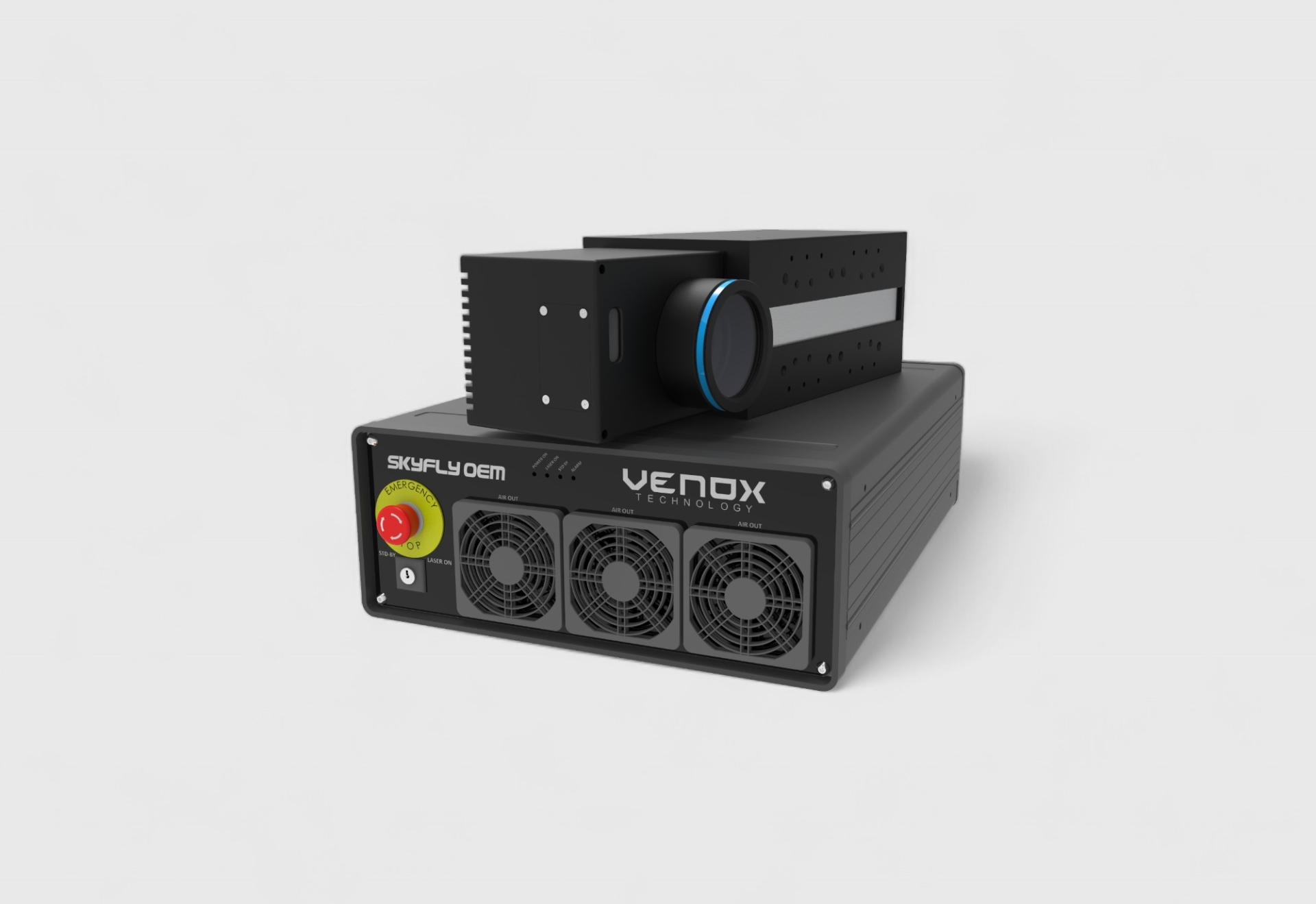
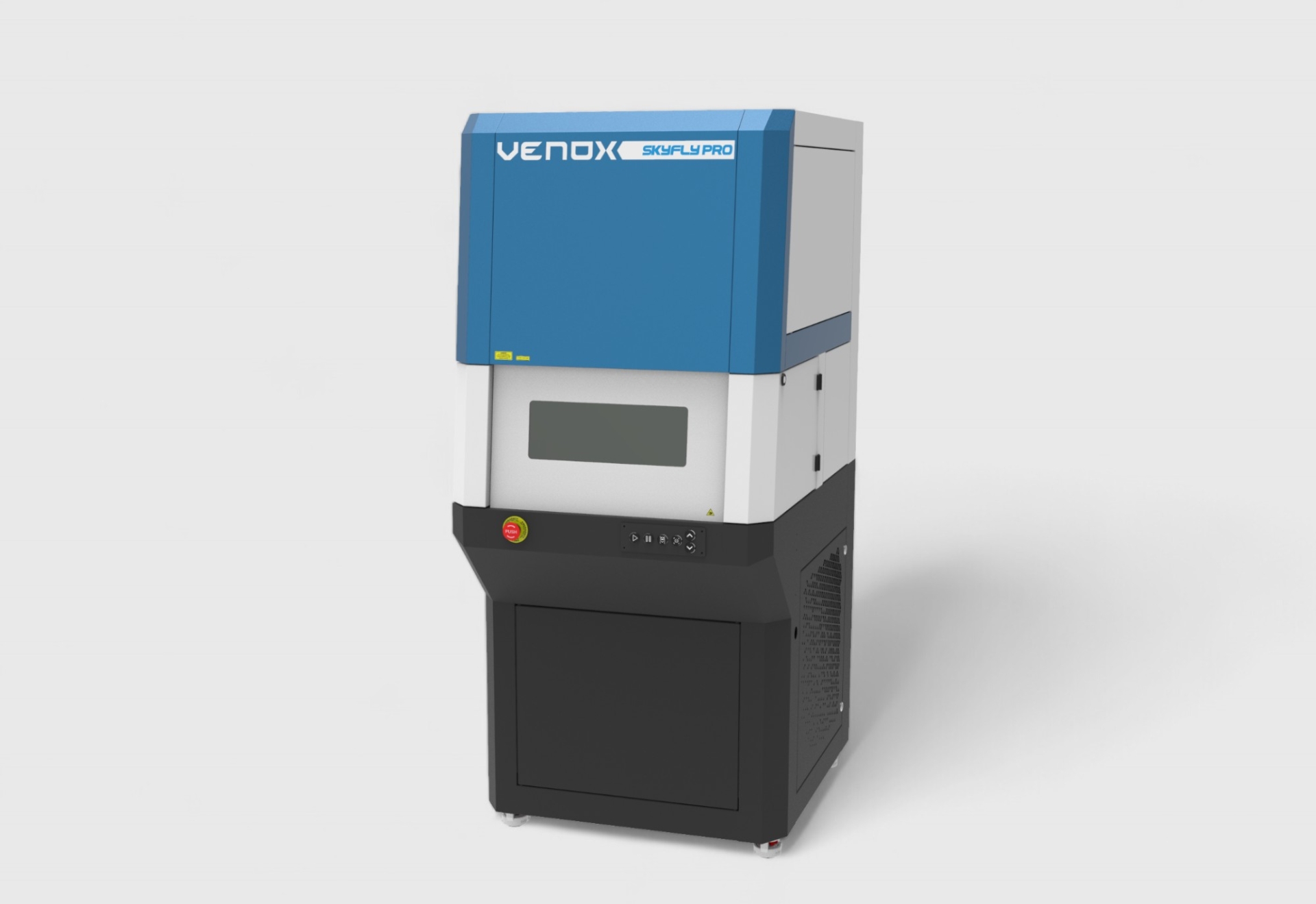
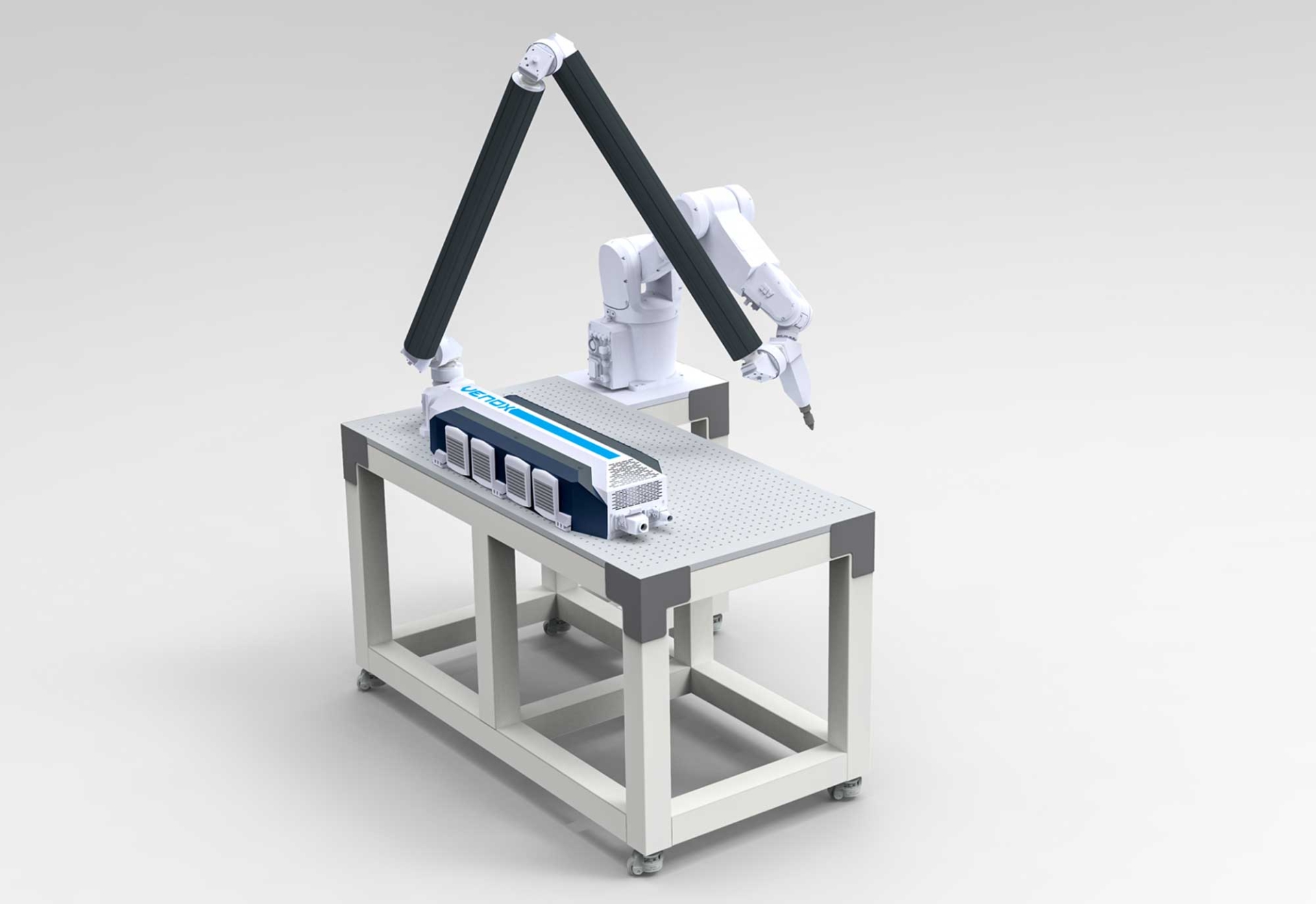
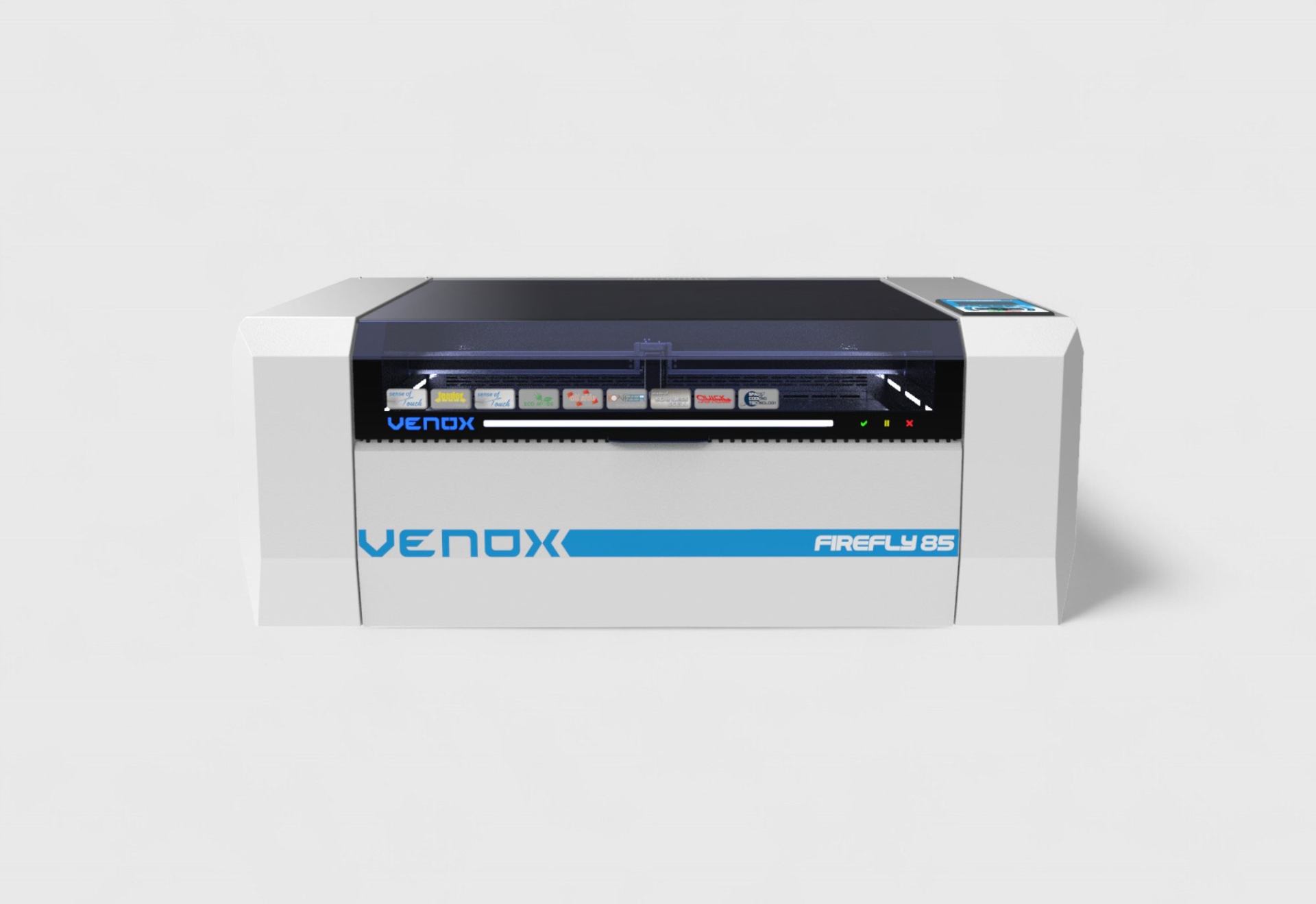
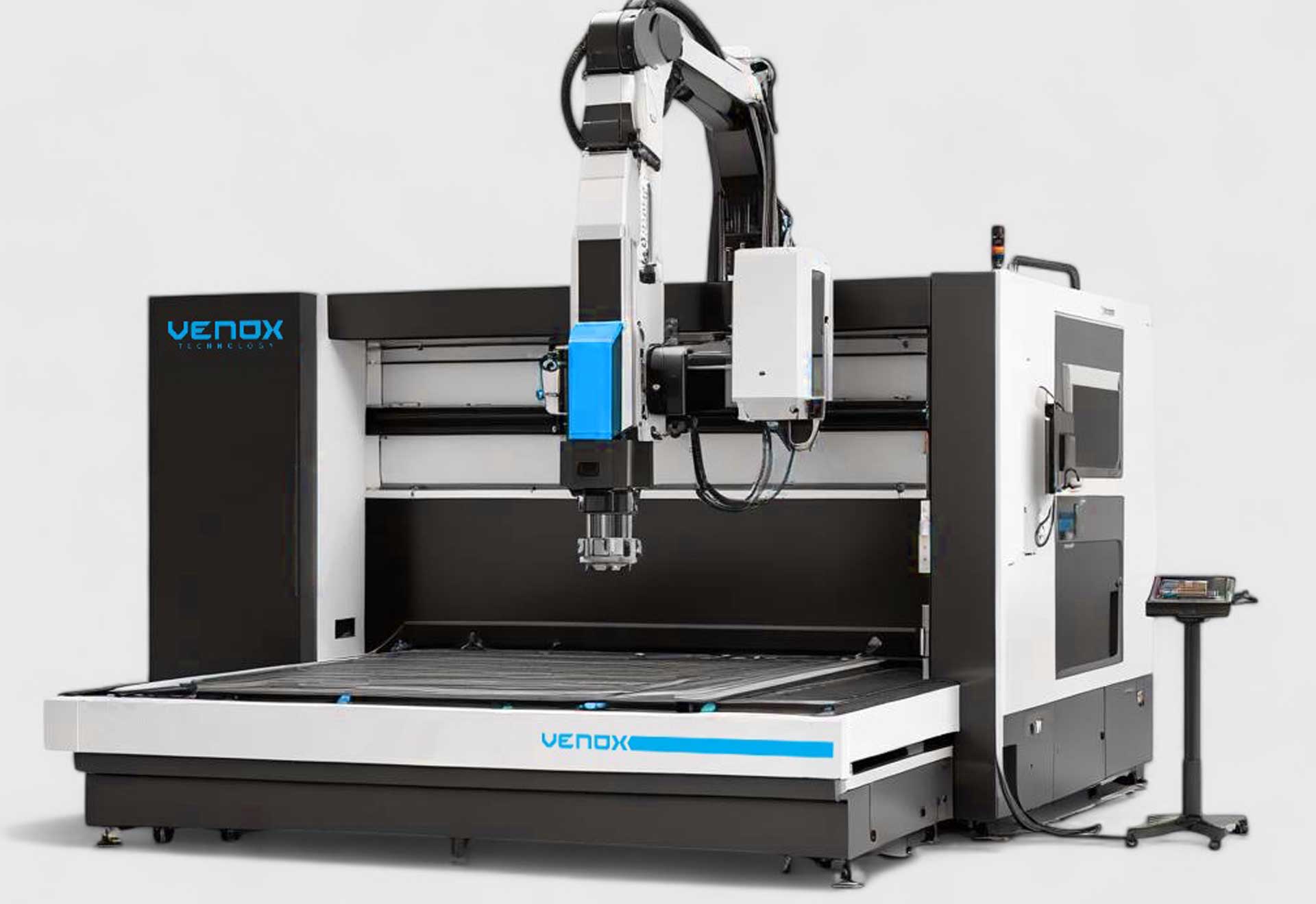
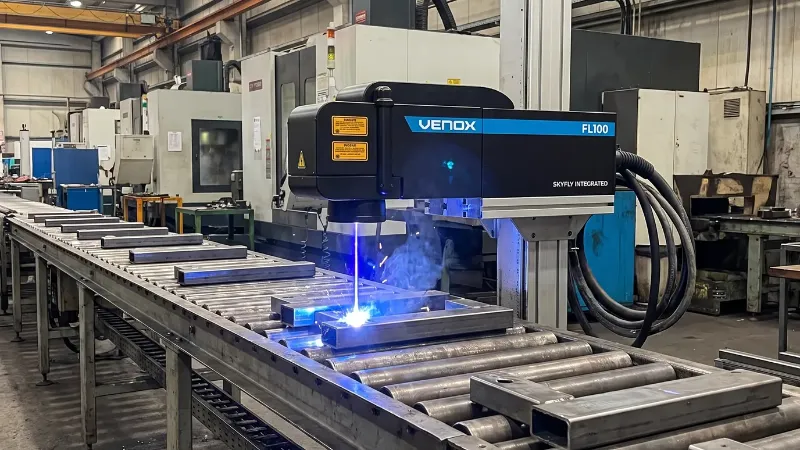
An open-frame desktop system is the lowest-cost configuration. Class 1 enclosed systems are more expensive due to protective viewing windows, door interlocks, and safety circuits. Options such as automatic focusing, rotary tables, rotary axes, camera-based positioning, and conveyor integration gradually increase the price while reducing operator time and error rates.
| Power | Typical Application | Relative Price Level | When Is It Sufficient? |
|---|---|---|---|
| 20 W | Serial numbers, logos, codes; surface marking | Entry-level | Low–medium volumes when marking depth is not required |
| 30 W | Faster marking, light engraving | Entry–mid-range | When cycle time is important |
| 50 W | Deep engraving, coating removal, inline marking | Mid-range | When mass production and deep markings are required |
| 100 W+ | Deep engraving, thin-material cutting | High-end | Specialized industrial applications |
| MOPA 20–60 W | Color marking, anodized surface contrast, plastics | Mid–high range | When color and reduced heat impact are required |
Making the Most of Your Budget When Purchasing a Fiber Laser Marking Machine
Avoiding Unnecessary Investment in Laser Power
One of the most common mistakes when purchasing a fiber laser is selecting more power than necessary based on the assumption that "more powerful is better." In surface marking applications, a 50 W source does not provide a significant quality improvement over a 20 W source; it primarily reduces processing time. If daily production volume is low, this difference may not translate into a meaningful production benefit. Sample testing reveals the power actually required and helps allocate the budget appropriately.
Investment in Enclosures and Safety
An open-frame system may initially appear economical; however, protective eyewear, work area safety arrangements, operator training, and occupational safety compliance introduce additional costs and responsibilities. In shared production environments, a Class 1 enclosed system is often more advantageous in terms of total cost and risk.
Advantages of Local Manufacturing and Technical Service
Fiber laser sources are long-lasting components that generally require little maintenance; however, electronic, optical, and mechanical components may require servicing. Locally manufactured systems generally offer shorter spare parts delivery and technical service response times, while software updates and training support can be obtained directly from the manufacturer. Although these factors may not be reflected in the initial purchase price, they significantly influence long-term costs.
Comparing Quotations
Different quotations may include varying laser source manufacturers, lens options, computers and software, extraction units, fixtures, installation, training, and warranty periods. Before comparing prices, it should be verified that each quotation includes the same items and that optional components are priced separately.
Purchase Checklist
- Laser power and source type verified through sample testing.
- Lens included in the standard equipment and prices of additional lenses.
- Housing type, safety classification, and protective viewing window documentation.
- Focusing system, rotary axis, and fixture options.
- Software license, data connectivity, and update policy.
- Warranty period, technical service response time, and spare parts availability.
Request a Fiber Laser Quotation from Venox
The price of a fiber laser marking machine is determined by the configuration selected according to the product and production requirements. By sharing your material, part dimensions, marking content, and daily production volume, the appropriate laser power, lens, and housing options can be identified, and a quotation can be prepared based on this configuration.
You can explore the fiber laser options on Venox's laser marking machines page and contact Venox to request sample testing and an up-to-date quotation.
