


Laser Marking Machine Selection Wizard: Find the Right Model in 4 Questions
Choosing a laser marking machine may seem complicated due to the wide range of technical terms: fiber, CO₂, UV, MOPA, galvo, lens, Class 1, rotary table, automatic focusing... However, there are only four fundamental questions that need to be answered to identify the right model. The answers to these questions largely determine the laser source, housing type, power level, and degree of automation.
The selection wizard below summarizes the approach followed by the Venox application team during technical consultations. Each answer narrows down the next step, and by the end of the fourth question, the machine category suitable for your application becomes clear. The final configuration is then verified through sample testing on the actual product.
Venox's laser marking machines and laser marking systems can be configured to accommodate all possible combinations of answers to these four questions.
Question 1: What Material Will You Mark?
Metal Materials
Fiber lasers are the standard choice for steel, stainless steel, aluminum, brass, copper, titanium, and coated metals. The 1064 nm wavelength is highly absorbed by metals, making fiber laser sources suitable for serial numbers, logos, DataMatrix codes, and deep engraving applications. If color marking on stainless steel or high contrast on anodized aluminum is required, a MOPA fiber laser source should be considered.
Plastics, Wood, Glass, and Organic Materials
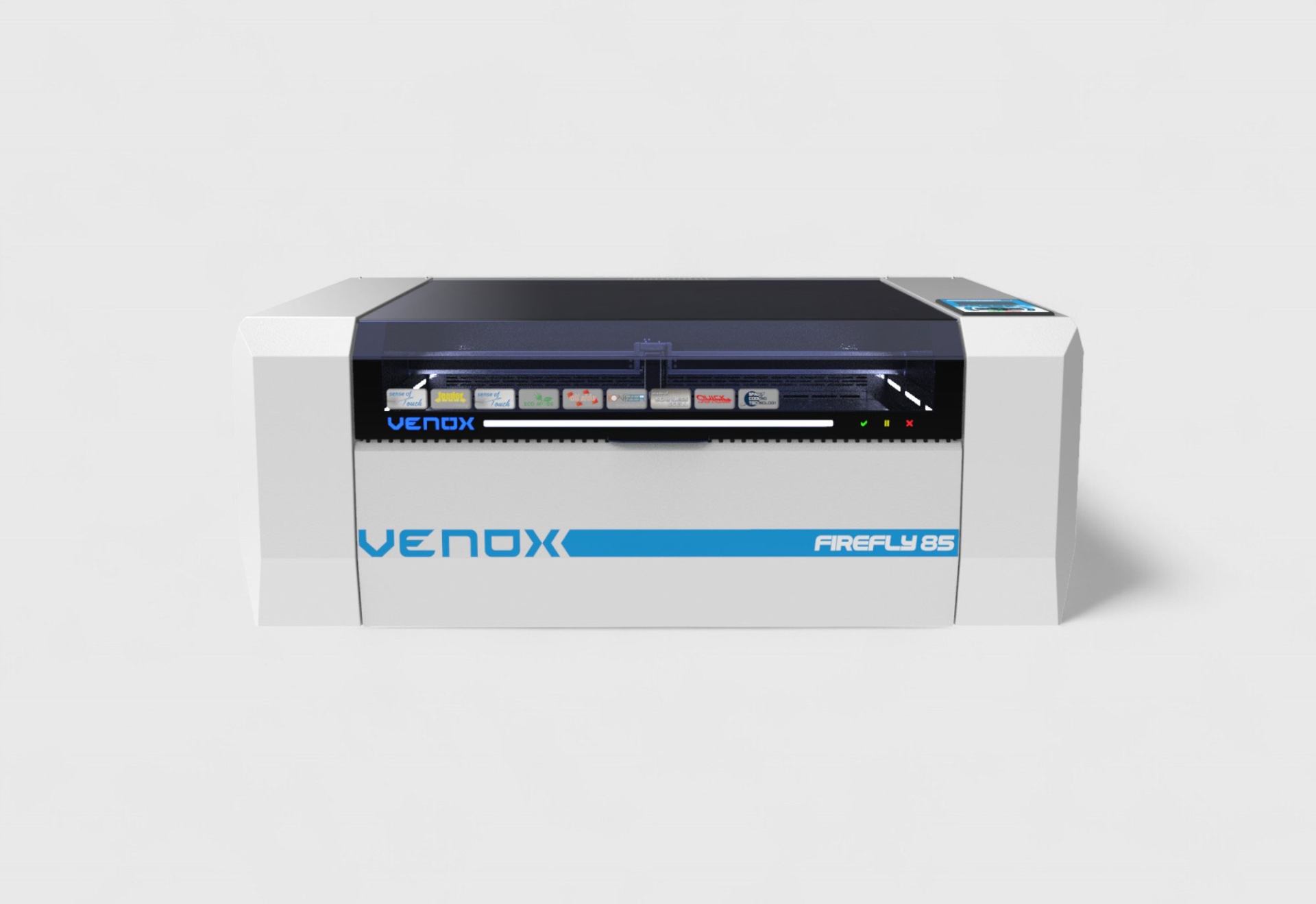
CO₂ lasers are suitable for wood, leather, cardboard, acrylic, and most plastic packaging materials. For sensitive surfaces such as heat-sensitive plastics, cable insulation, glass, ceramics, and electronic components, UV lasers provide "cold marking" with minimal thermal impact on the material. Fiber lasers can also produce results on certain plastics; therefore, the appropriate laser source for plastic applications should be determined through sample testing.
Mixed Material Portfolio
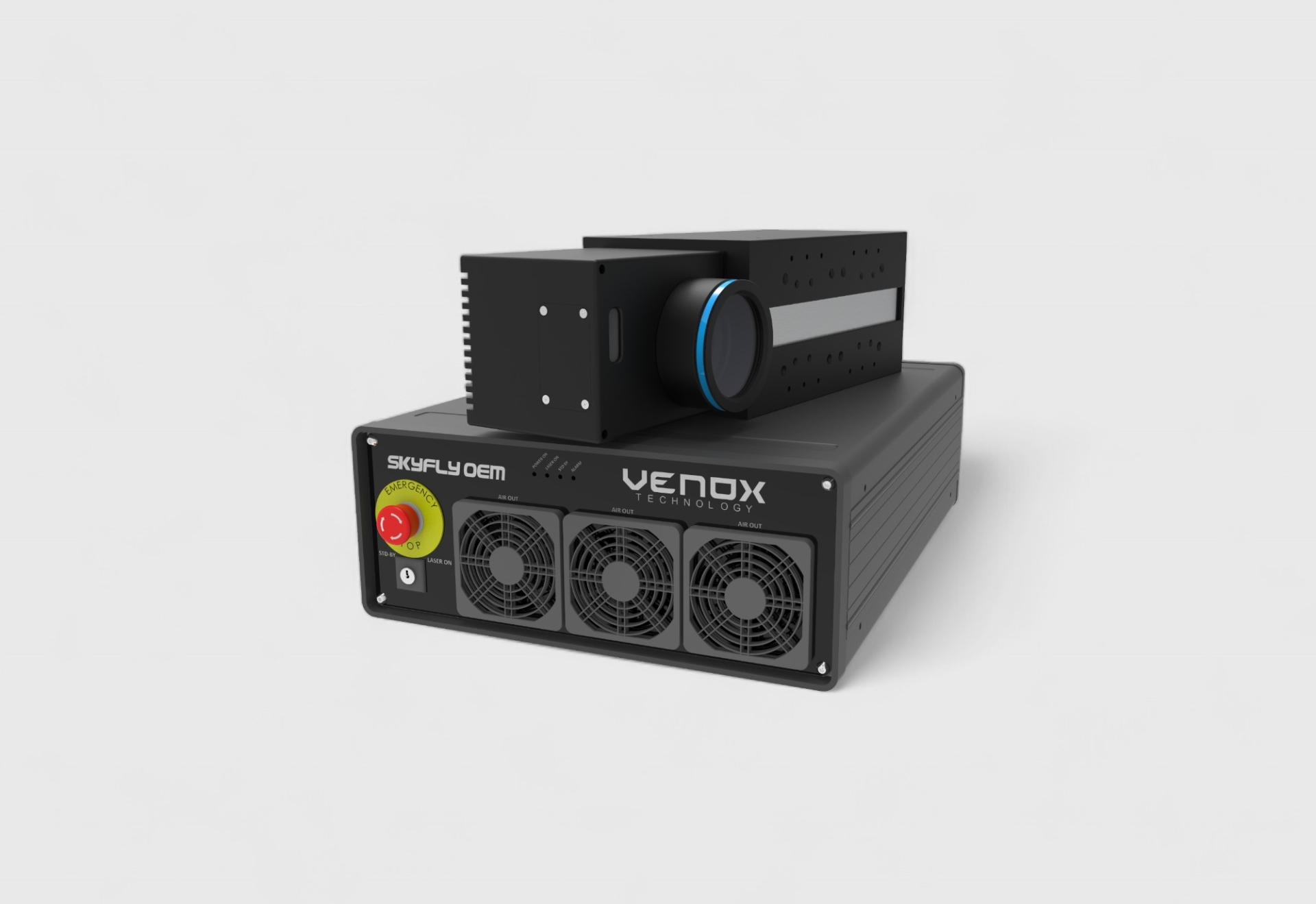
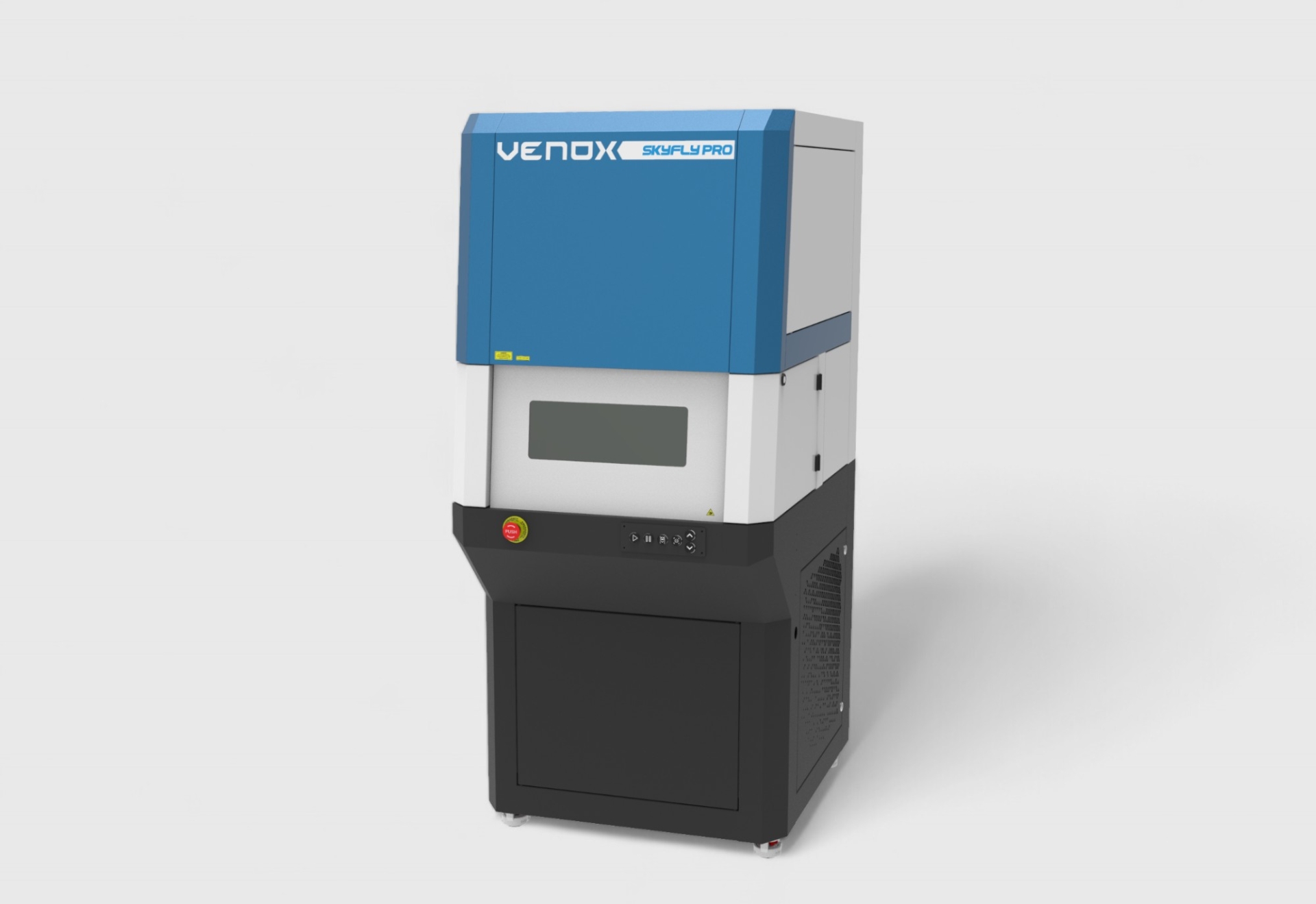
If metals, plastics, and organic materials all need to be marked, a single laser source may not meet every requirement. The Venox Skyfly series allows fiber, CO₂, and UV laser sources to be offered on the same machine platform, enabling different laser source configurations to be selected with the same housing design.
Question 2: How Large Is Your Part, and Is It Portable?
Small and Medium-Sized Parts
If the part fits inside an enclosure and can be handled by an operator, a desktop or enclosed system is suitable. The marking area is selected according to the largest design dimensions: 110 × 110 mm for fine details and 175–200 mm for larger designs. If parts have different heights, automatic focusing eliminates adjustment time during product changeovers.
Large or Stationary Parts
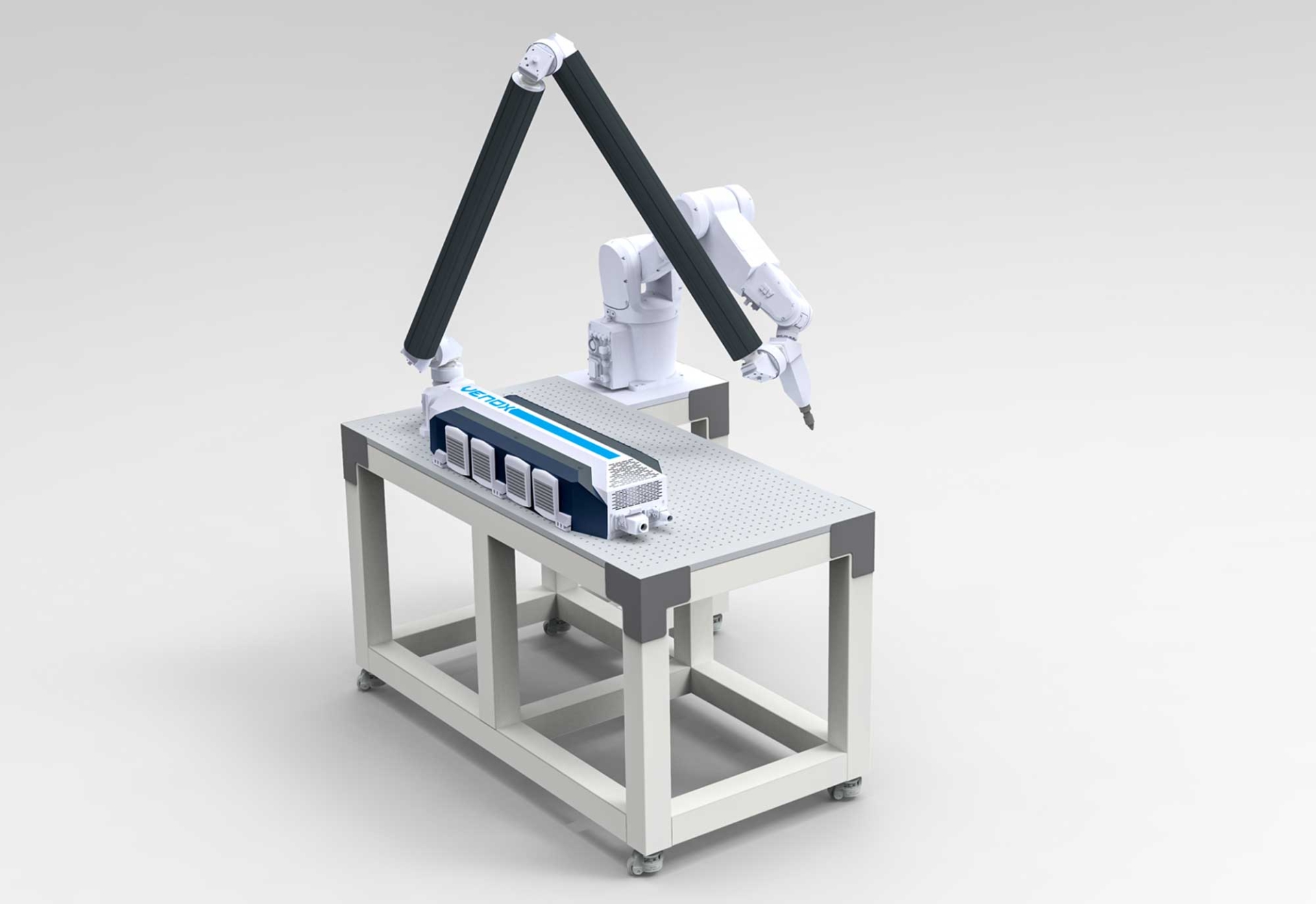
Molds, large machine components, fully assembled equipment, and structures installed on-site cannot fit inside a standard enclosure. In such cases, a portable system (such as Skyfly Move) or a model with an extended working area (Skyfly Extended) should be considered. In portable systems, laser safety is ensured through operator training and appropriate protective equipment.
Cylindrical Parts
For cylindrical parts such as pipes, shafts, pens, and rings, a rotary axis attachment is required to mark designs around the circumference. This accessory should be planned from the beginning of the system selection process and included in the quotation.
| Question | Answer | Recommended Selection |
|---|---|---|
| 1. Material | Metal | Fiber (MOPA for color / contrast) |
| Wood, leather, cardboard, acrylic | CO₂ | |
| Sensitive plastics, glass, electronics | UV | |
| 2. Part size | Fits inside an enclosure | Desktop / enclosed Skyfly |
| Does not fit or cannot be moved | Skyfly Move / Skyfly Extended | |
| 3. Daily volume | Low–medium, operator loading | Single-station system |
| High, continuous flow | Rotary table / inline integration | |
| 4. Working environment | Shared workspace, laboratory | Class 1 enclosed system |
| Controlled laser area, on-site applications | Open-frame / portable system |
Question 3: How Many Parts Will Be Marked Per Day?
Low and Medium Production Volumes
For applications involving up to a few hundred parts per day, a single-station system in which the operator loads and unloads the parts is sufficient. A 20 W fiber laser source provides suitable marking speeds for surface marking applications, while a 30 W source may be preferred if processing time is critical. For repetitive operations, fixtures reduce positioning time.
High Volumes and Mass Production
When thousands of parts are marked per day, loading and unloading time becomes a bottleneck. Rotary table systems (Skyfly Turntable) allow marking at one station while parts are loaded at another. If products move along a conveyor, inline integration enables marking without stopping them. In this case, encoder feedback, triggering, and PLC communication are incorporated into the system.
Data Connectivity
If serial numbers need to be retrieved from an ERP or MES system, the software's database or network connectivity capabilities should be determined from the outset, regardless of production volume. In industries with traceability requirements, recording every marked code is standard practice.
Question 4: In What Environment Will the Machine Operate?
Shared Production Area or Laboratory
In areas where other personnel work nearby, a Class 1 enclosed system should be preferred. Thanks to the enclosed housing, door interlocks, and protective viewing windows, protective eyewear is not required during normal operation, and the machine can be positioned like a standard workstation. A fume extraction unit protects operator health and keeps optical components clean.
Controlled Laser Area or On-Site Applications
If a restricted-access laser area is available where only trained operators are present, or if marking must be performed on-site, an open-frame or portable system can be used. In this case, protective eyewear, area signage, and occupational safety procedures are essential parts of the system's safe operation.
After the Four Questions: Sample Testing
- The material determines the laser source type; sample testing verifies the selection.
- Part size determines the housing type and lens; dimensions are checked using the actual part.
- Daily production volume determines the power and automation level; processing time is measured during testing.
- The working environment determines the required safety classification; compliance is verified through documentation.
- All answers are translated into the quotation scope, with optional features listed separately.
Answer the Four Questions Together with Venox
When you share your answers to these four questions (material, part size, daily production volume, and working environment), the Venox application team identifies the appropriate machine category and verifies the configuration through sample testing. This ensures that machine selection is based on actual results achieved on your product rather than assumptions.
To begin the selection process and request sample testing or a quotation, you can contact Venox.
