
15 Technical Criteria to Consider When Selecting a Laser Marking Machine
Selecting a laser marking machine is not a decision that should be made solely by looking at the machine's laser power or purchase price. The structure of the material to be marked, product geometry, production volume, cycle time, marking area, automation requirements and long-term operating conditions of the system should all be evaluated together.
An incorrectly selected laser marking system may technically be capable of marking, yet still fall below the required production speed, fail to provide the desired contrast or be unsuitable for future automation integrations. For this reason, before making an investment, it is necessary to focus not only on the question “how many Watts is the laser?” but on the system as a whole.
Fiber, CO₂ and UV laser technologies can each provide advantages for different materials and production scenarios. The correct system is determined by matching the requirements of the application with the technical characteristics of the laser technology.
The following 15 technical criteria systematically address the key points that should be evaluated before purchasing a laser marking machine.
The First 8 Technical Criteria in Laser Marking Machine Selection
1. Type and Surface Structure of the Material to Be Marked
The first criterion in selecting a laser marking machine is the material to be marked. Stainless steel, aluminum, carbon steel, brass, copper, plastic, wood, leather, glass or different engineering materials do not absorb laser energy in the same way.
For this reason, fiber lasers may be preferred for applications focused primarily on metals, while CO₂ laser systems may be considered for organic and certain non-metallic materials. UV laser technology may be more suitable for sensitive plastics, electronic components or applications where a low thermal impact is important.
The general name of the material alone may also not be sufficient. Coating, paint, anodizing, alloy ratio, pigments, additives and surface roughness can change the marking result.
For this reason, whenever possible, a sample marking test should be performed on the actual product before investing in the system.
2. Selection of Fiber, CO₂ or UV Laser Technology
The second criterion is correctly determining the laser technology to be used. Fiber, CO₂ and UV lasers operate at different wavelengths and therefore create different effects on materials.
Fiber lasers are widely used especially in metal marking applications. CO₂ lasers can be preferred for wood, leather, paper, cardboard and certain plastics. UV lasers can stand out on sensitive surfaces and in applications where a more limited thermal effect is required.
When choosing between these technologies, instead of asking “which one is more powerful?”, the question should be “which technology produces the targeted result on this material more efficiently?”
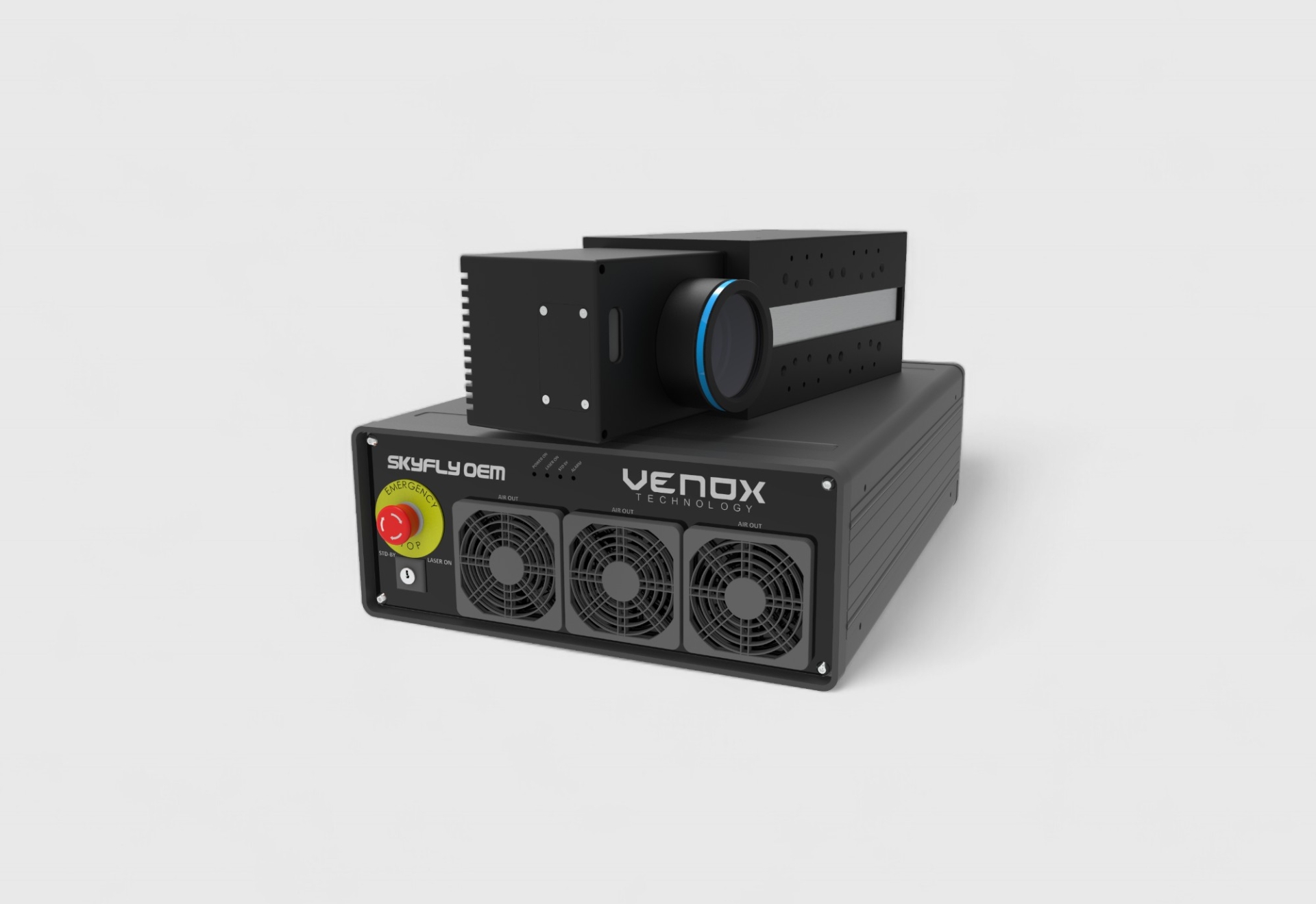
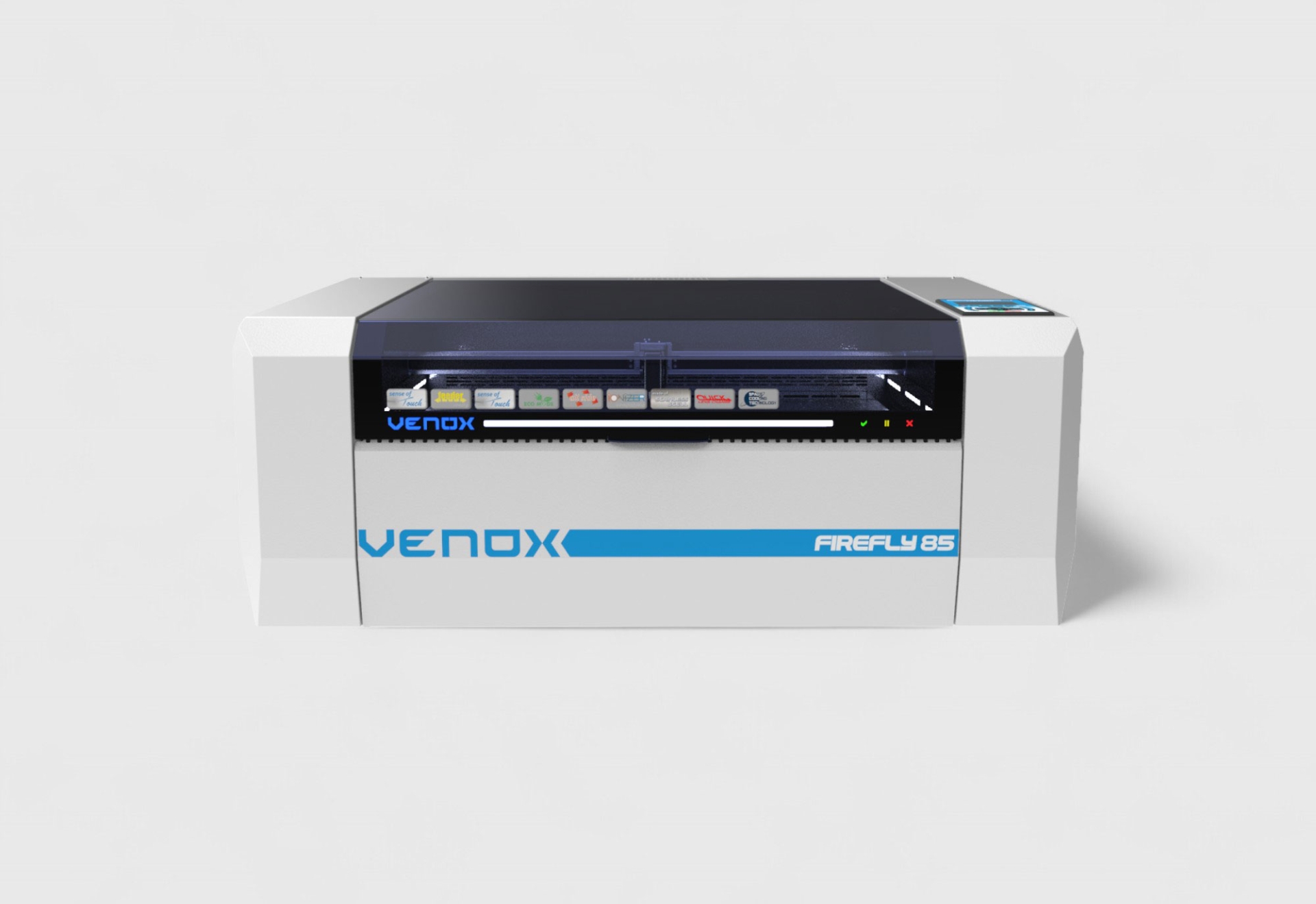
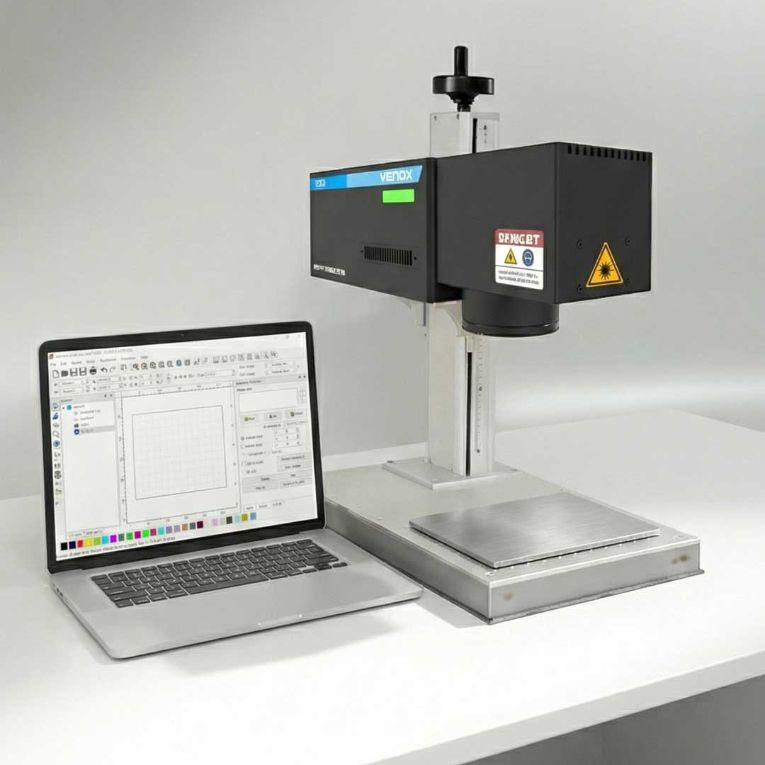
When reviewing Venox's laser marking machines for different technologies, the material and production conditions of the application should be evaluated together.
3. Laser Power and Application Depth
Laser power is one of the most noticeable technical specifications when selecting a marking machine. Fiber laser systems may be available in 20 W, 30 W, 50 W and higher power options. However, a higher Watt value does not always mean better marking.
Surface logo marking, serial number generation and deep engraving applications have different requirements. Deep marking processes may require higher power or different scanning strategies, while controlled energy use may be more important in sensitive surface marking applications.
Selecting unnecessarily high power may increase the initial investment cost and create capacity that is not required for the application. Insufficient power, on the other hand, may increase cycle time or prevent the desired depth from being achieved.
4. Marking Area and Lens Selection
The size of the area to be marked plays an important role in determining the lens and optical system to be used. A narrow marking area may be sufficient for small components, while larger parts or labels may require a wider working area.
Lens selection affects not only the size of the marking area but also the focal distance, spot size and achievable level of detail. For this reason, selecting the largest possible marking area is not always the correct approach.
For example, in an application where a small DataMatrix code must be marked very clearly, precision may be more important. If a large logo is to be applied to a large machine part, the working area may become the priority.
5. Marking Speed and Production Cycle Time
If the laser marking system will be used on a production line, the actual cycle time of the machine becomes critical. Marking a product even a few seconds slower can have a significant impact on total capacity in high-volume mass production.
Marking speed is not limited to the theoretical scanning speed of the galvo system. The density of the marking content, code size, filling strategy, laser power, parameters used and product positioning time all determine the total cycle time.
For this reason, during system testing, not only the visual quality of the marking but also how many seconds it takes to complete one part should be measured.
6. Marking Quality, Contrast and Readability
For a laser marking process to be considered successful, it is not sufficient for the mark merely to be visible. Machine readability is particularly important in QR code, barcode and DataMatrix applications.
The contrast of the mark, edge definition, cell integrity and any deformation created on the surface should be checked. If camera systems are to be used, the code must be consistently readable under different production conditions.
Visual quality, line definition and repeatability should also be evaluated in logo and text applications.
7. Product Geometry, Fixtures and Focusing
Laser marking systems provide the best results when the product is held in the correct position and at the correct focal distance. If the part geometry is complex, a standard flat table may not be sufficient.
A rotary system can be used for cylindrical parts, a motorized Z axis for products with different heights, and product-specific fixtures for applications requiring repeatable positioning.
Correct fixture design ensures that every product is marked from the same position and reduces operator-related positioning errors.
8. Machine Safety and Protective Enclosure Structure
Operator safety is one of the fundamental design criteria in industrial laser systems. Protective structures must be provided to prevent the laser beam from reaching the operator either directly or through reflection.
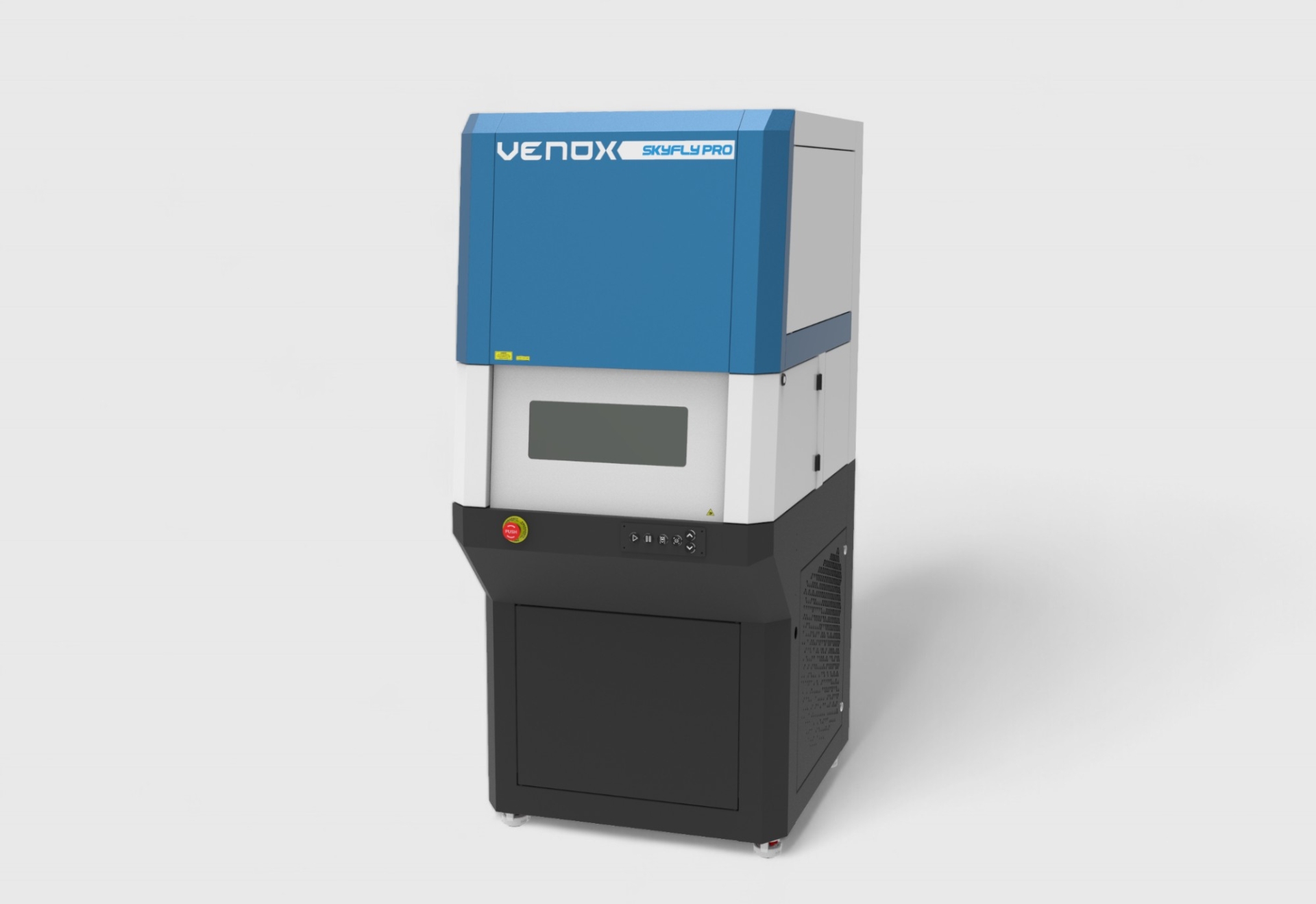
Enclosed cabins, safety switches, emergency stop buttons, appropriate laser safety windows and required interlock structures should be evaluated according to the application.
The machine should be assessed not only in terms of production performance but also according to the safety requirements of the working environment in which it will be used.
7 Additional Criteria to Evaluate in a Laser Marking Investment
9. Software, Variable Data and Coding Capability
The software of the laser marking machine directly affects the daily use of the system. Marking a logo or fixed text is a relatively simple requirement. However, in mass production, it may be necessary to manage data such as serial numbers, variable dates, shift information, product codes and automatically generated DataMatrix codes.
For this reason, the software's ability to generate variable data, retrieve information from a database, create codes and manage different product recipes should be evaluated.
User authorization, recipe storage and ease of use for operators can also affect the sustainable use of the system in production.
10. PLC, ERP, MES and Production Line Integration
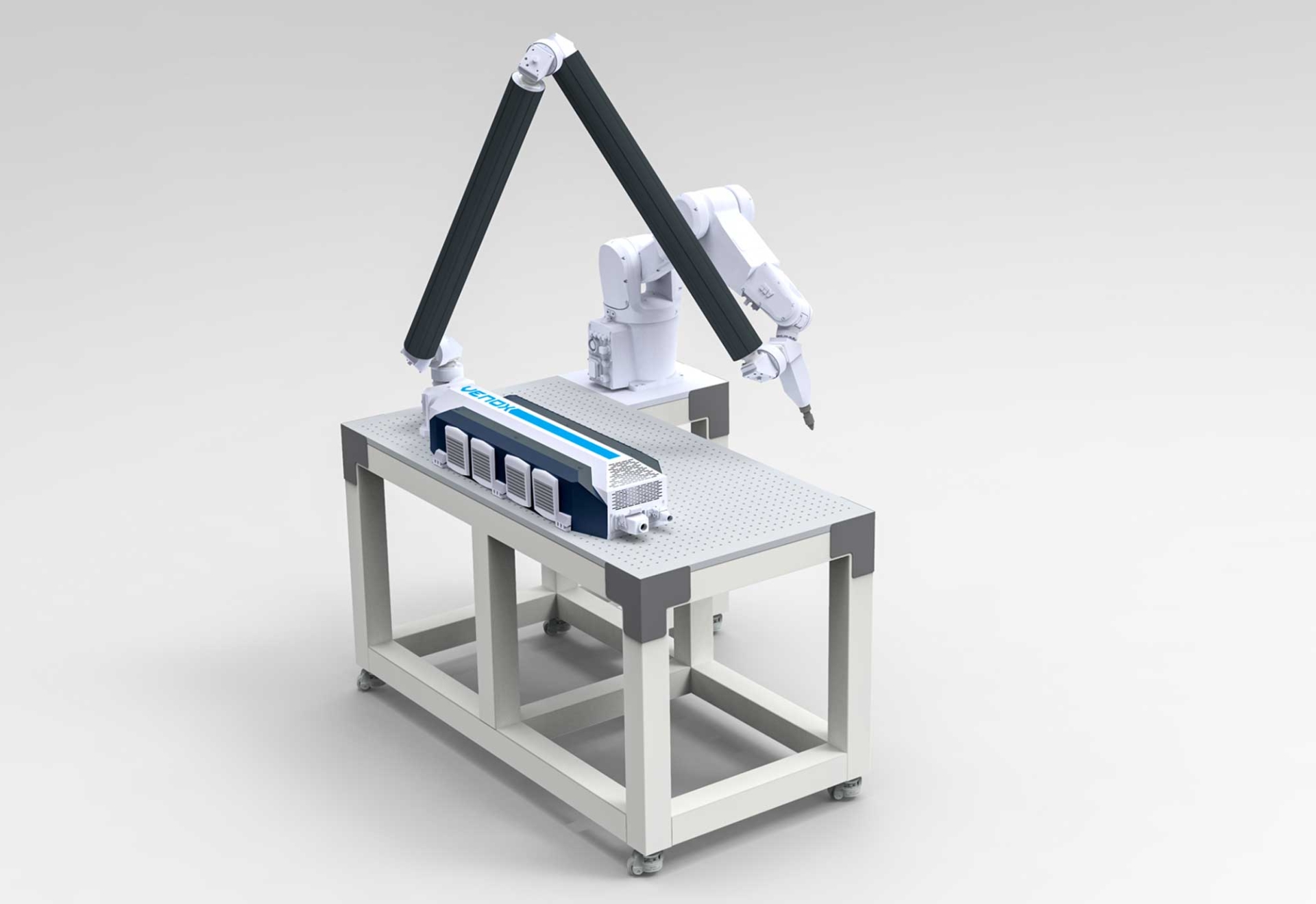
Modern laser marking systems are often not standalone devices. Especially on automated production lines, they may need to communicate with PLCs, MES, ERP systems, sensors, robots and camera systems.
For example, the production line can inform the system which product has arrived, the laser software can generate the relevant serial number and, once marking is completed, a process-complete signal can be sent to the PLC.
For this reason, companies with integration requirements should clarify the communication and automation capabilities of the machine before making the investment.
11. Camera and Marking Verification Systems
In some applications, marking the code alone is not sufficient; it is also necessary to verify that the marking has been performed correctly. Camera systems can provide an additional control layer in the production process at this point.
A camera can be used to determine the correct position of the product, read the code after marking or check the quality level of the generated DataMatrix code.
On production lines requiring high traceability, the combined operation of laser and camera systems can help detect incorrect or unreadable codes at an early stage.
12. Maintenance, Service and Spare Parts Availability
A laser marking machine is a long-term industrial investment. For this reason, not only the initial installation but also the after-sales process should be evaluated.
Access to technical service, remote support, spare parts supply, maintenance procedures and operator training are important for the long-term usability of the system.
If a machine operating at a critical station in production fails, extended service times can affect the entire production line. For this reason, the after-sales organization of the manufacturer or supplier should be part of the purchasing decision.
13. Adaptability to Future Capacity and Product Changes
A machine investment should not be considered only for today's product. In future years, the company may need to produce products in different sizes, different materials or higher volumes.
For this reason, it should be evaluated whether the system can be expanded through lens changes, different fixtures, moving axes or new automation components.
A modular system that can be adapted to the project may reduce the need to purchase a completely new machine in the future.
14. Sample Testing and Definition of Acceptance Criteria
Performing an application test on an actual sample before purchasing a laser marking machine is one of the most important steps. The test should not be carried out solely to check whether the marking looks visually good.
Marking time, contrast, depth, code readability, surface deformation, positioning accuracy and production repeatability should be evaluated.
If possible, acceptance criteria should be clearly defined before purchase. For example, it can be specified within how many seconds a particular DataMatrix code must be marked or at which quality level the code must be readable.
This approach clarifies project expectations for both the manufacturer and the company.
15. Total Cost of Ownership
The final criterion is the total cost of ownership of the system. The catalog price of the laser marking machine represents only one part of the investment cost.
Energy consumption, maintenance, service, spare parts, potential production downtime, operator time, consumable requirements and future integrations can all affect the total cost.
A system that appears low-cost initially may result in higher long-term costs if it cannot keep up with production speed or requires frequent technical intervention.
For this reason, when comparing prices, systems with similar technical characteristics and the same production capacity should be compared.
For companies planning a laser marking investment, the correct choice can be made by evaluating the material, laser technology, power, optical system, speed, automation, software, safety, service and total cost together.
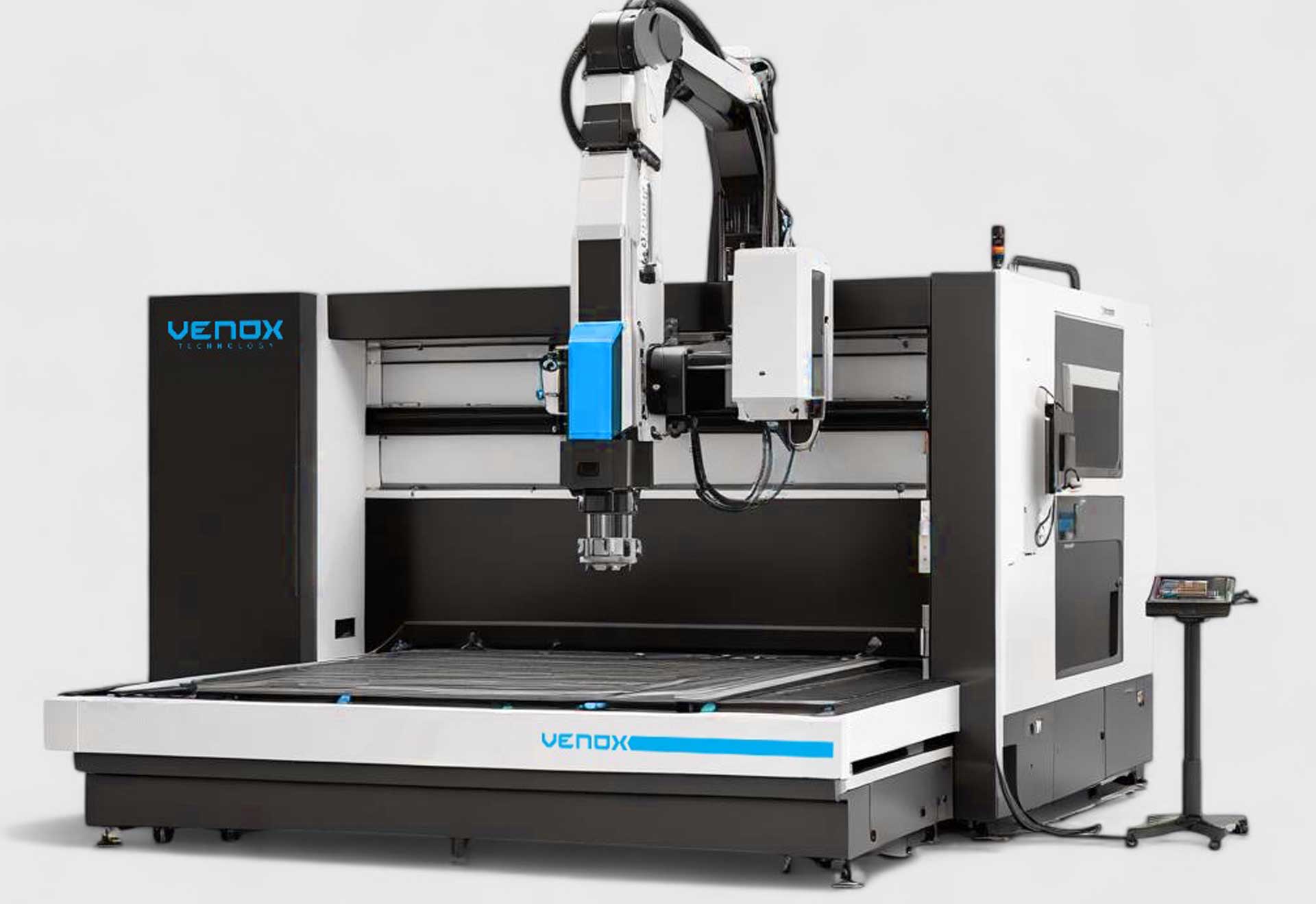
Venox's laser marking machines and systems can be evaluated according to different industrial requirements. Whether the application should be carried out with a standard system or a project-specific solution can be determined according to production conditions.
For cutting-focused processes, you can review the laser cutting systems page; for information about sample testing on your material, technical system selection or production line integration, you can contact Venox.
