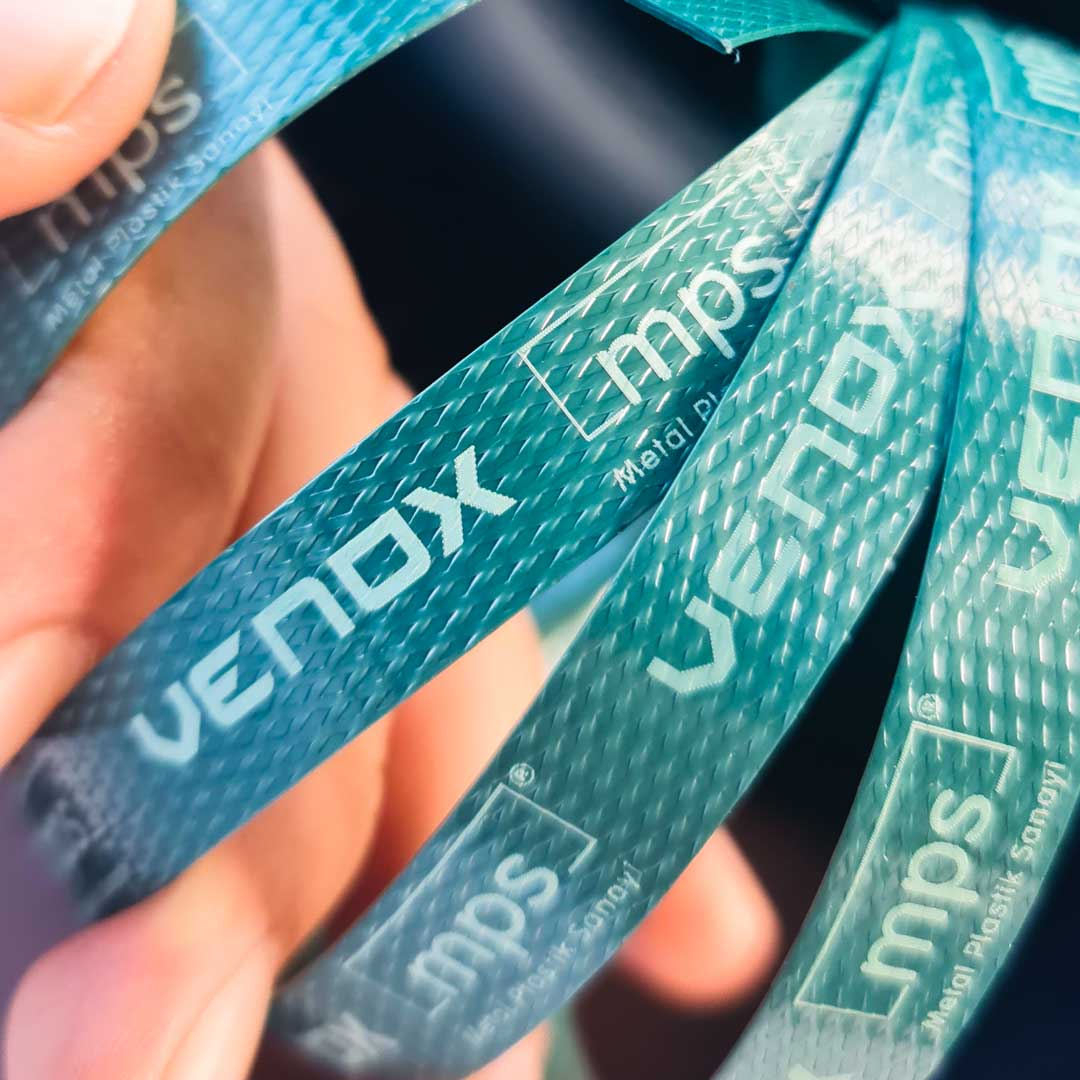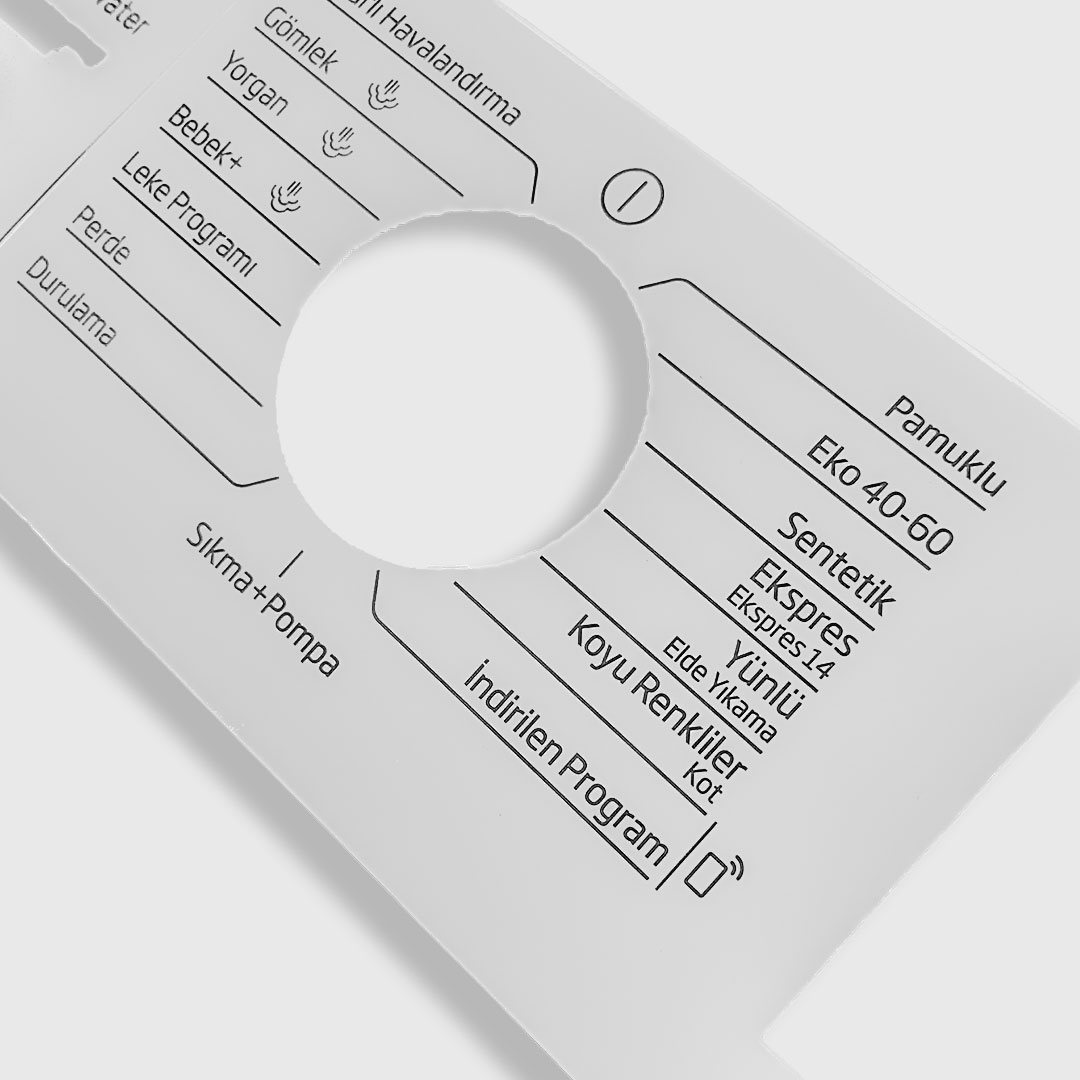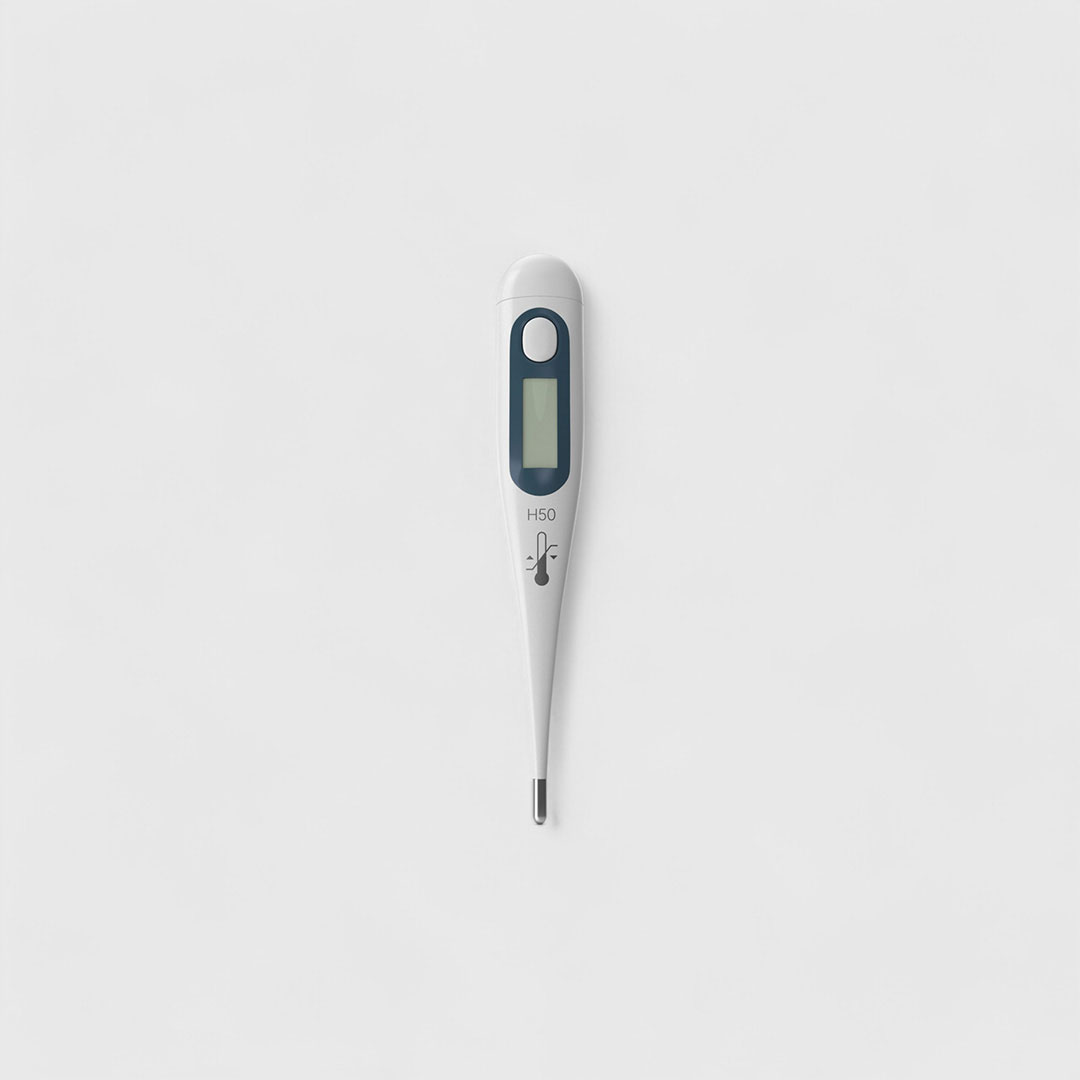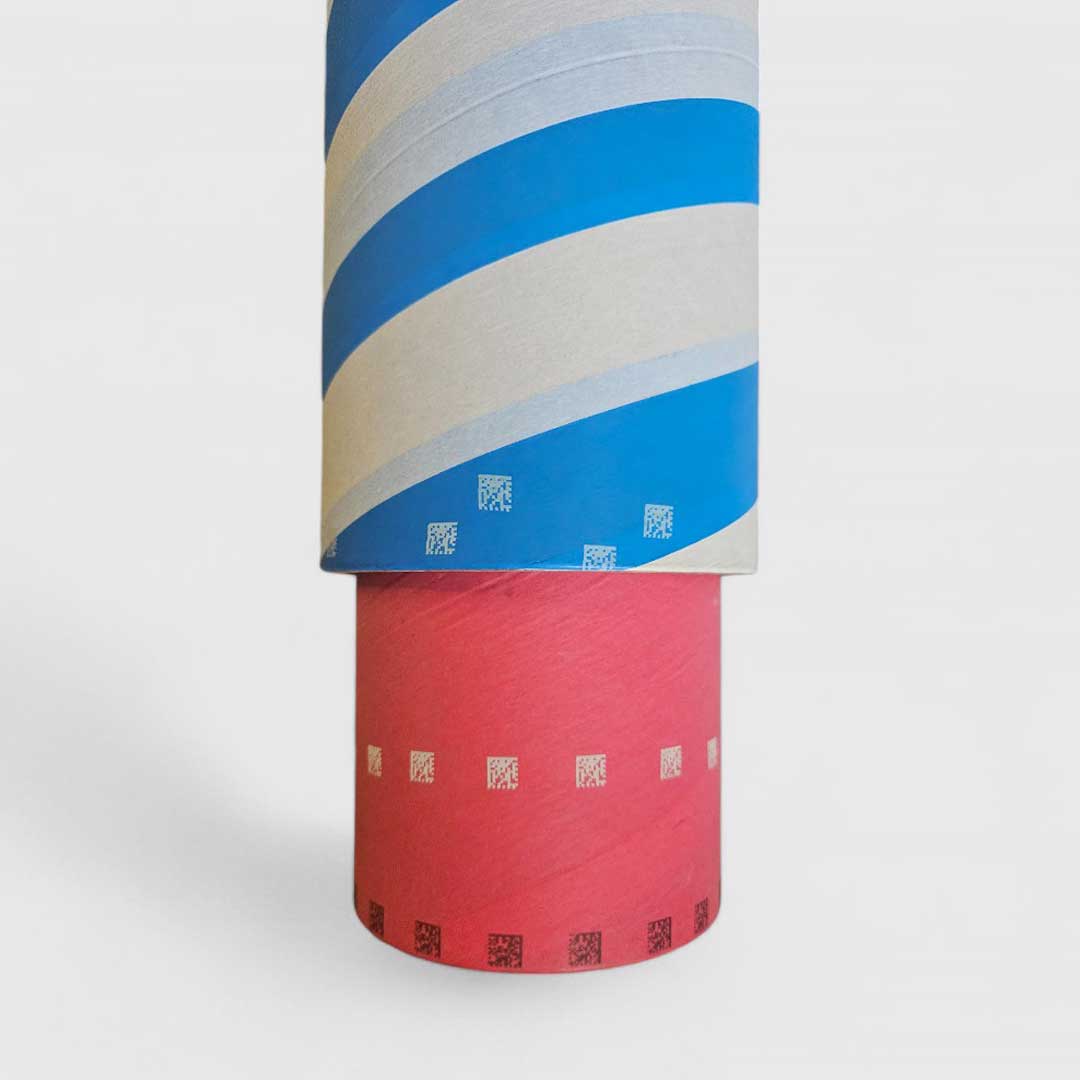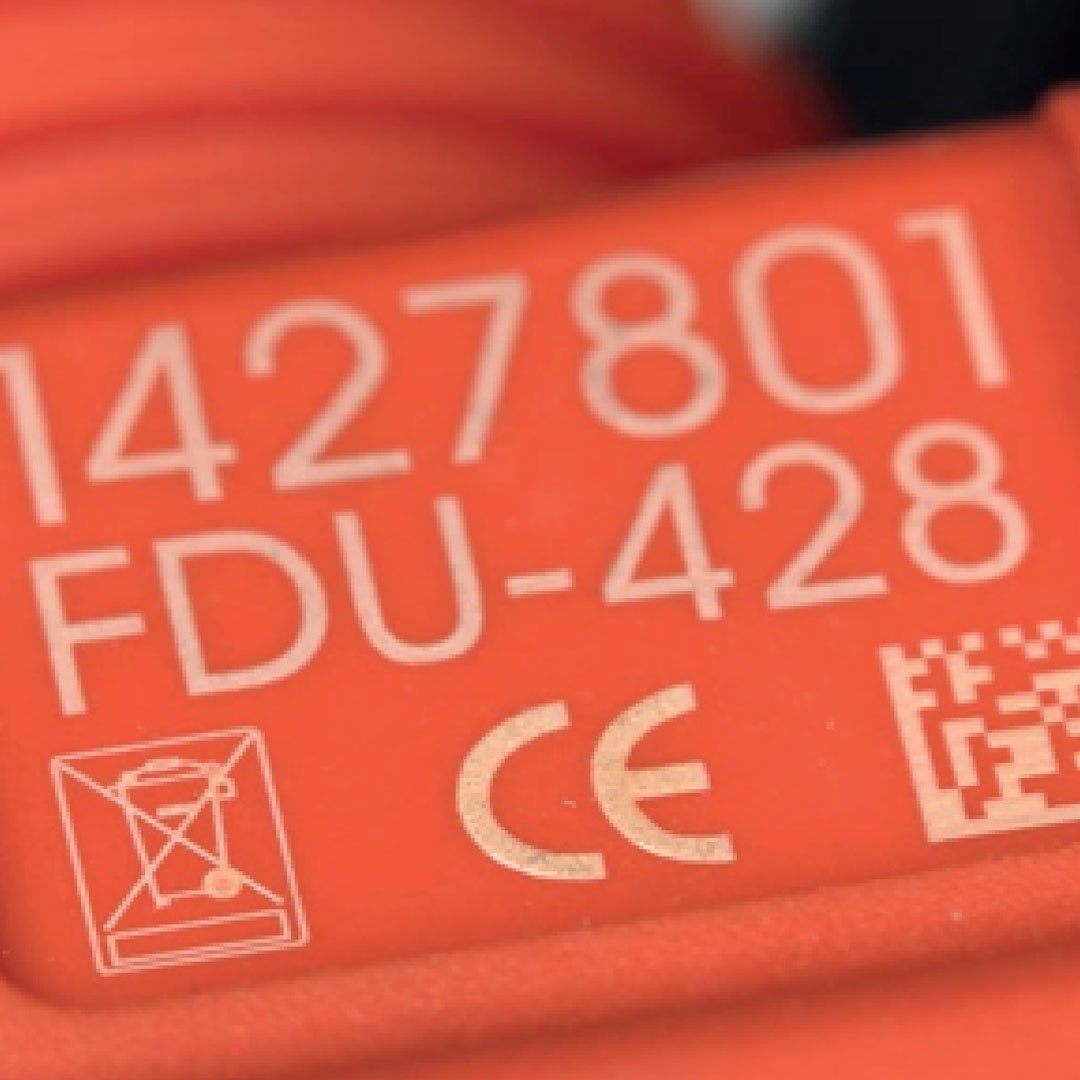
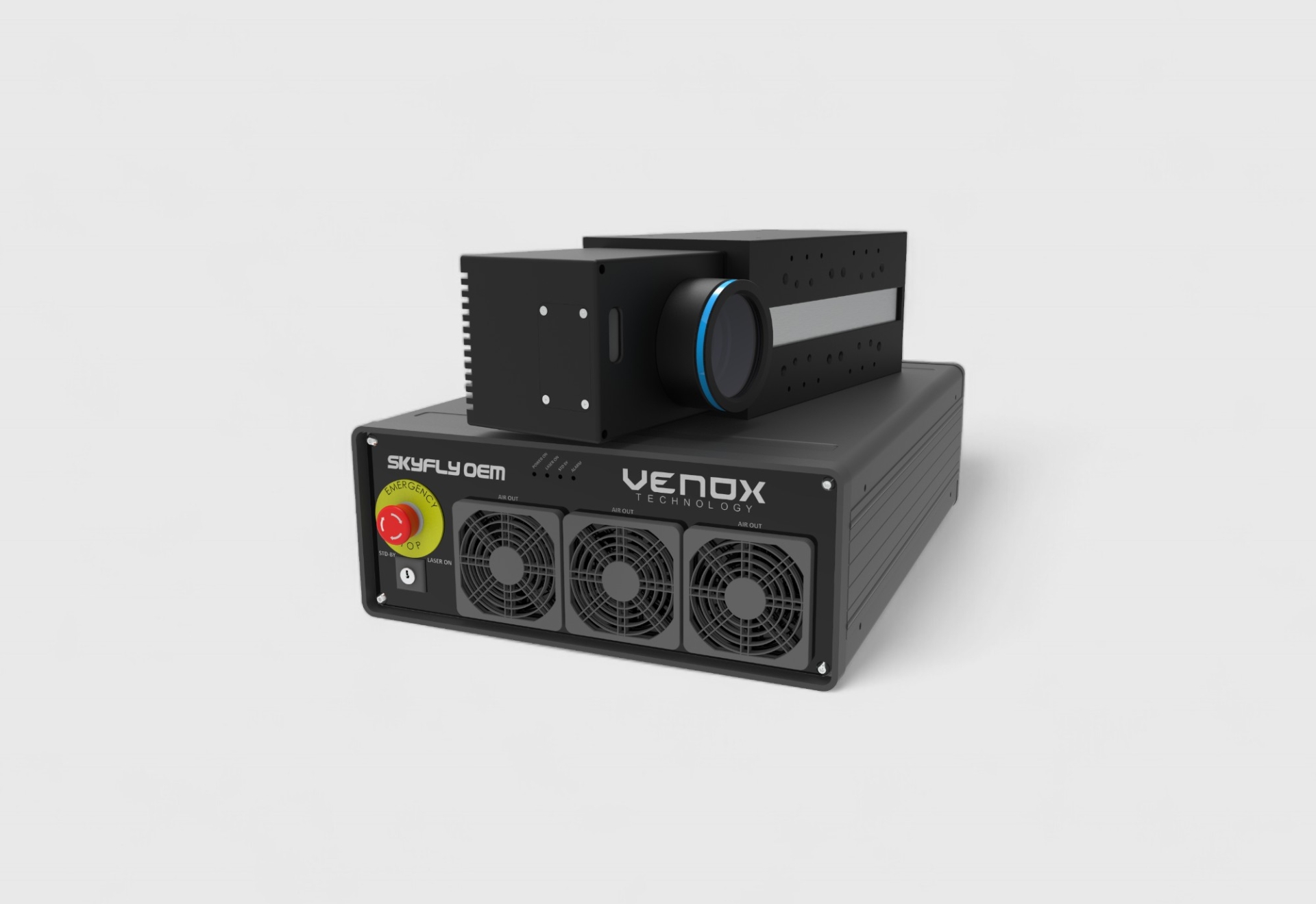
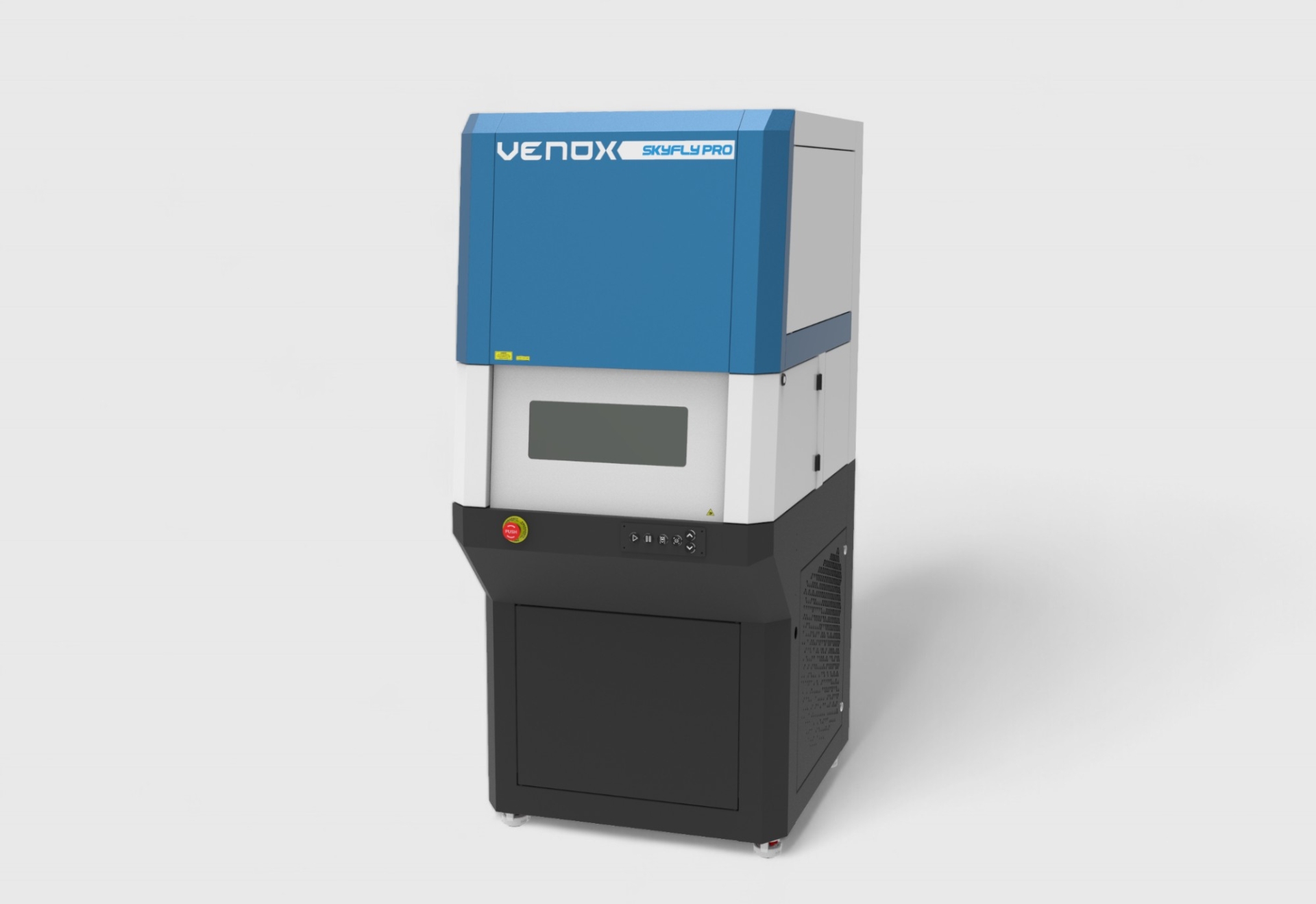
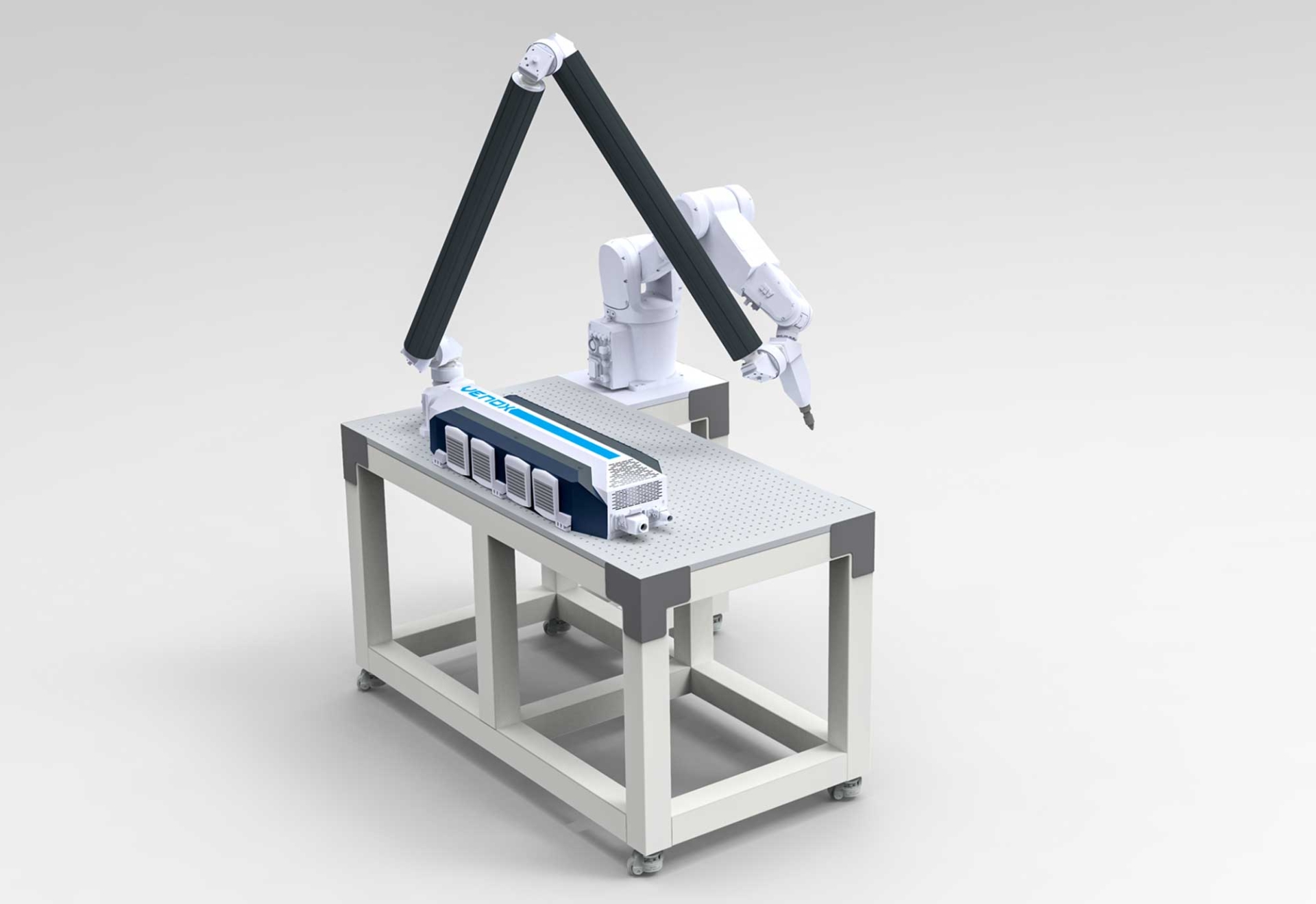
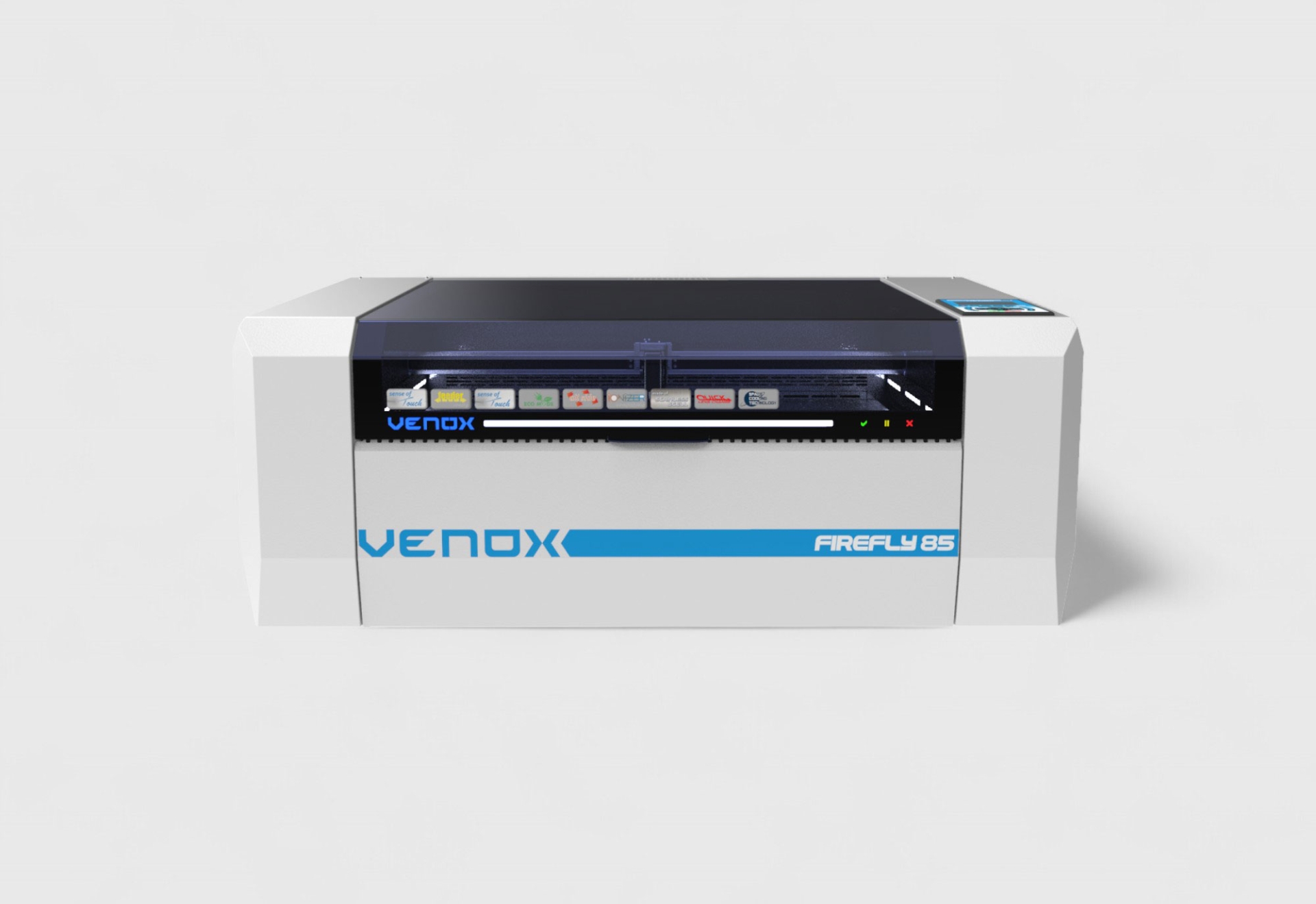
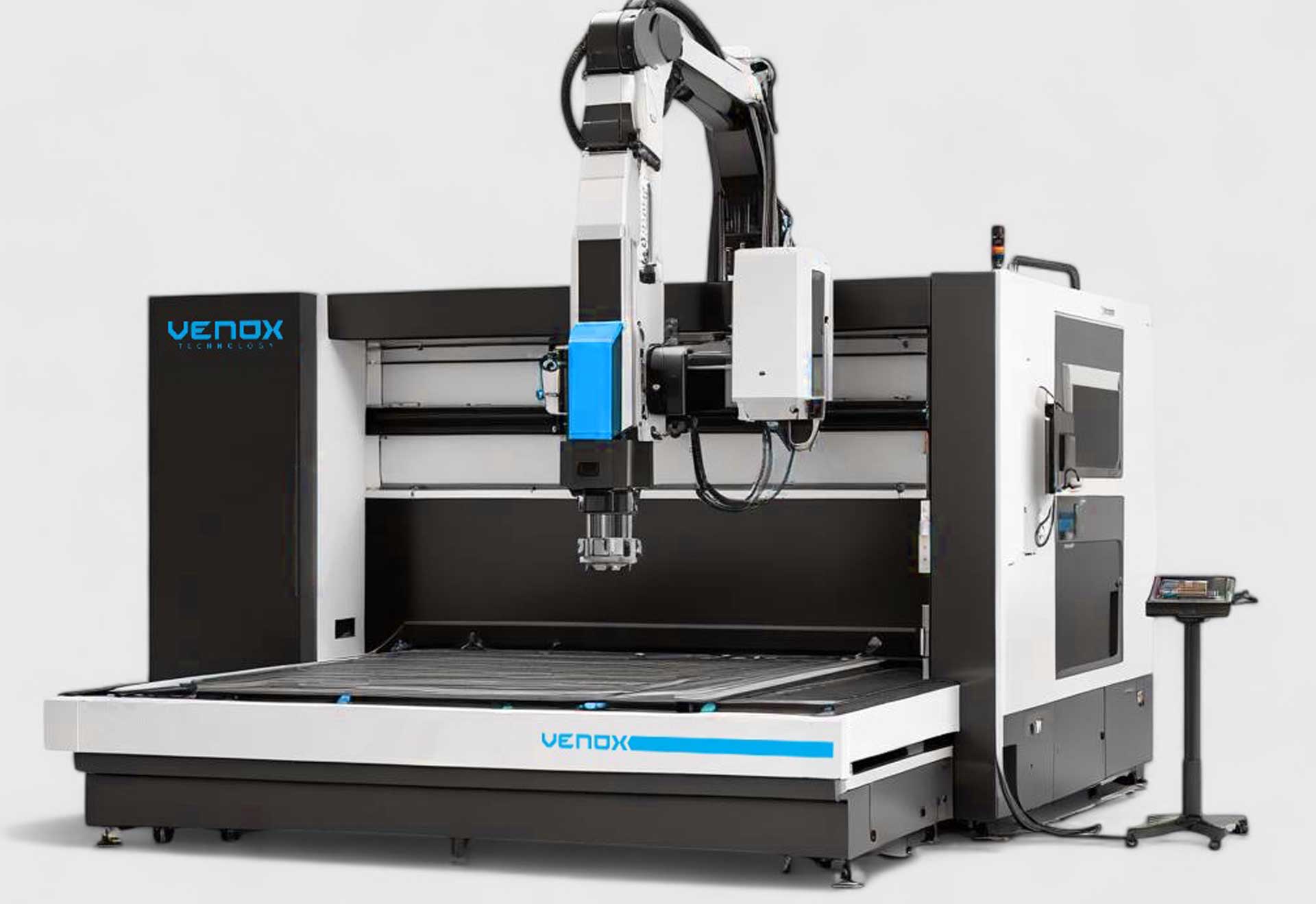
Venox Teknoloji's UV laser marking systems deliver top-level results, especially on heat-sensitive and delicate parts. By operating at low heat with ultraviolet light, they minimize the risk of deformation, burning, or color change on the surface during marking.
They enable high-contrast, sharp, and fade-resistant markings on various materials such as plastics, glass, metals, and silicone. UV lasers are widely used in areas such as pharmaceutical packaging, cosmetics labeling, electronic component marking, and medical product identification. With high-speed processing capability and low power consumption, they provide energy efficiency while simplifying quality control processes and offering strong support for critical needs such as brand protection / anti-counterfeiting.
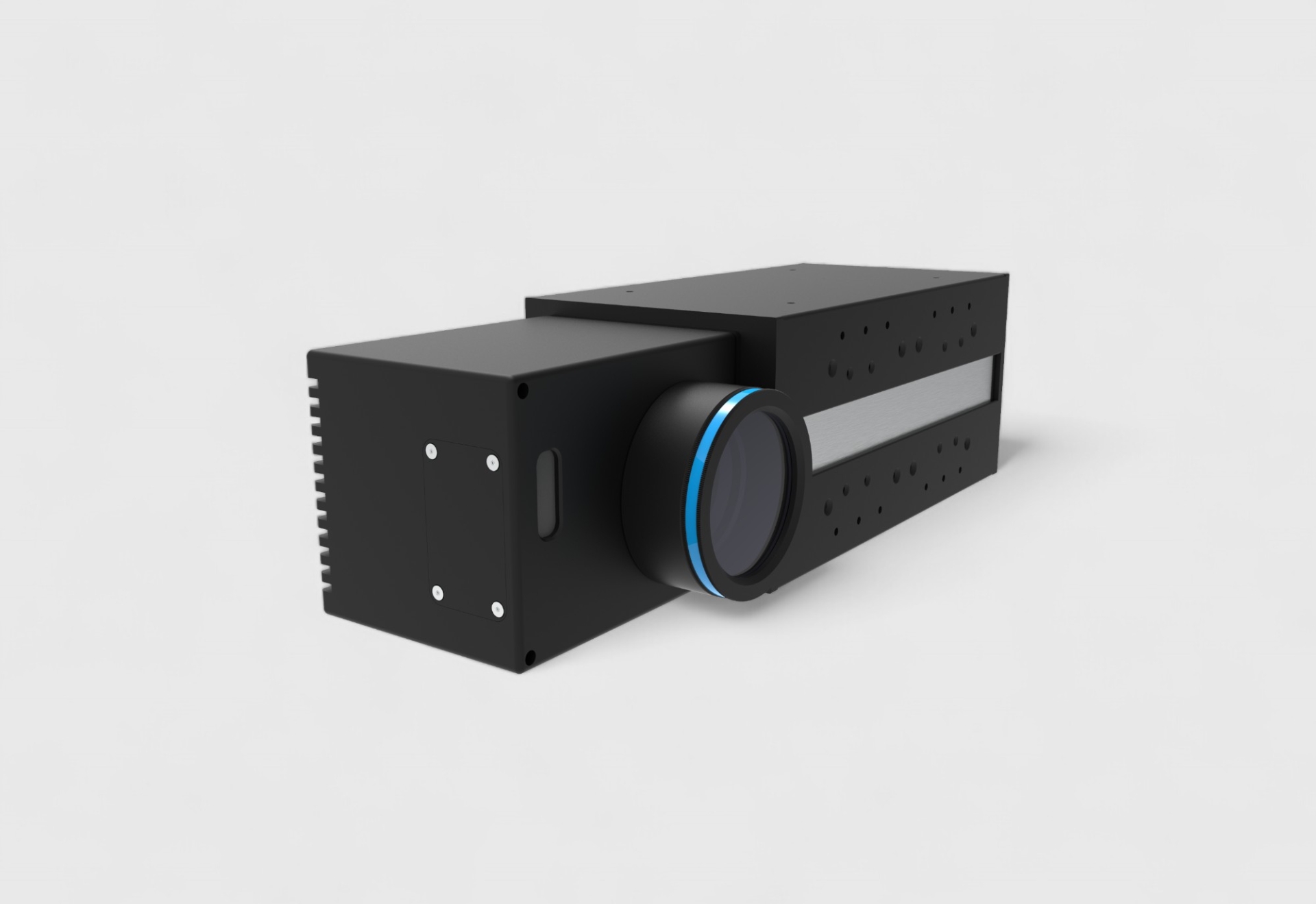
UV Lasers?
What is a UV laser and how does it work? UV lasers process the material surface with low heat by using ultraviolet light. This enables detailed and crisp markings without altering the material’s structure.
Which materials can UV lasers be used on? They can be used effectively on various materials such as plastic, glass, metal, and silicone.
How is maintenance performed for UV laser systems? Periodic optical cleaning and the necessary software/system updates are recommended. Overall maintenance requirements are low.
Is UV laser marking permanent? Yes, markings made with UV lasers are permanent, and thanks to high resolution, they remain readable for a long time.
What are the advantages of UV laser systems? Low thermal impact for delicate marking, high detail quality, energy efficiency, and broad application compatibility are the main advantages of UV lasers.
DIFFERENCES FROM OTHER LASER TYPES
Wavelength: UV lasers operate at a shorter wavelength than fiber and CO2 lasers. This provides superior processing capability for finer details and more delicate surfaces.
Thermal Impact: UV lasers process with minimal heat and deliver safer results on heat-sensitive materials. Fiber and CO2 lasers, on the other hand, can generally create higher thermal impact.
Application Areas: UV lasers stand out in delicate applications such as electronics, medical, and packaging. Fiber lasers are more common for metal applications, while CO2 lasers are more widely used on wood, leather, and other organic materials.
Application Examples for UV Systems