
Aluminum and Metal Surface Processing with a Laser Marking Machine
A laser marking machine is an industrial technology that enables permanent, precise, and contactless marking on aluminum and various metal surfaces. Logos, serial numbers, barcodes, QR codes, DataMatrix codes, production dates, model information, and technical symbols can be marked directly onto product surfaces using laser technology.
Aluminum, as well as stainless steel, brass, copper, titanium, and coated metal surfaces, are used in many industries, ranging from automotive and electronics to machinery manufacturing and defense. A durable marking method is required to identify and track these components throughout production. A laser marking machine meets this need by delivering high-precision and repeatable results on different metal surfaces.
How Is Laser Marking Performed on Aluminum and Metal Surfaces?
What Is Aluminum Laser Marking?
Aluminum laser marking is the process of creating a permanent mark by moving a concentrated laser beam across an aluminum surface in a controlled manner. Depending on the surface structure and the parameters used, the laser beam can produce color changes, surface markings, or a certain degree of engraving.
There is no physical contact with the product during the process. Therefore, metal components with precise dimensions, thin sheets, or products that must not undergo deformation can be marked in a controlled manner. Particularly for businesses engaged in mass production, the ability to apply the same design to numerous products with repeatable quality is a significant advantage.
Why Is Fiber Laser Preferred for Metal Surfaces?
Fiber laser is one of the most widely used technologies for marking metal surfaces. Fiber laser systems can produce high-precision lines and readable codes on metal surfaces. Stainless steel, aluminum, brass, copper, titanium, and various coated metals can be marked using these systems.
The advantage of fiber laser technology is not limited to high marking quality. Its high-speed scanning capability, ability to process small characters, and compatibility with mass production are also important for industrial applications. However, achieving the correct result requires evaluating not only laser power but also frequency, scanning speed, focal distance, pulse characteristics, and marking area together.
What Affects Marking Results on Aluminum Surfaces?
Laser marking results on aluminum surfaces may vary depending on the material alloy and surface treatments. Raw aluminum, anodized aluminum, painted aluminum, and coated aluminum surfaces may respond differently to laser energy.
High-contrast marking can be achieved particularly on anodized aluminum. On coated surfaces, the laser can affect the coating layer in a controlled manner, revealing the different color underneath. Therefore, test marking on an actual product sample is recommended before starting production.
What Information Can Be Marked on Metal Surfaces?
A laser marking machine can directly mark a wide range of information required for the identification and traceability of metal components.
- Company logo
- Product and model code
- Serial number
- Production date
- Batch and lot number
- QR code
- DataMatrix code
- Barcode
- Technical specifications
- Warning and safety symbols
In addition to fixed information, variable data such as serial numbers, dates, or code content that changes for each product can also be marked. This allows each product moving along the same production line to be associated with a unique digital identity.
Metal Component Traceability with QR Codes and DataMatrix
The use of QR codes or DataMatrix codes on aluminum and other metal components enhances product traceability. The code on the product can be linked to records in a production tracking system or database. This enables access to information such as the component's production date, batch details, quality control results, or maintenance history.
In industrial applications, it is not sufficient for a code to be visually readable. It must also be reliably readable by barcode readers or camera systems. Therefore, contrast, code size, cell structure, and surface quality should be evaluated together before marking.
Advantages of Aluminum and Metal Marking
Laser marking offers numerous advantages to businesses in metal surface processing. Unlike traditional printing or labeling methods, it marks information directly onto the product surface.
- Creates permanent and durable markings.
- Does not apply mechanical pressure to the product because it is a contactless process.
- Enables the marking of small characters and detailed graphics.
- Suitable for serial number and variable data marking.
- Supports product tracking with QR codes and DataMatrix codes.
- Does not require consumables such as ink or labels in most applications.
- Can be integrated into automated production lines.
Which Industries Use Metal Surface Processing?
Laser marking of aluminum and other metal surfaces can be used for product identification, quality control, and branding applications across numerous industries.
- Automotive and spare parts manufacturing
- Machinery manufacturing
- Electronics and electrical equipment
- Defense industry
- Aerospace applications
- Medical device manufacturing
- Home appliance industry
- Metalworking industry
- Industrial equipment manufacturing
- Jewelry and promotional products
Automation Integration in Mass Production
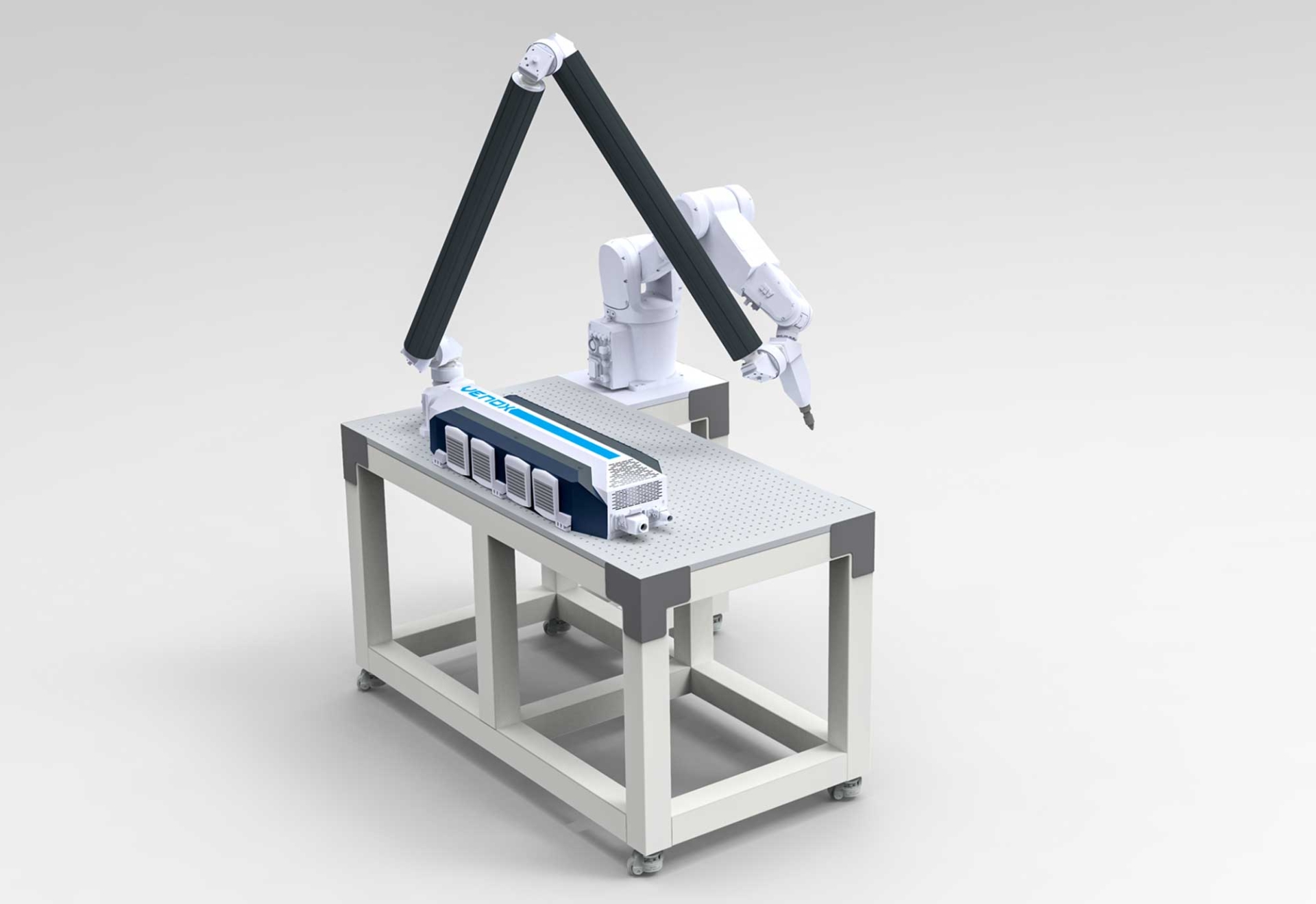
In high-volume production, integrating the laser marking machine into the production line may be preferred over operating it as a standalone system. The system can work together with conveyors, PLC infrastructure, robotic arms, camera systems, or barcode readers.
For example, the code of an aluminum component arriving on the production line can be read by the system, the corresponding serial number can be retrieved from the database, and the component can be marked automatically. The camera system can then inspect the marked code and complete the production record. This configuration helps reduce error rates by minimizing manual data entry.
What Should Be Considered When Choosing a Laser Marking Machine?
When selecting a system for aluminum and metal surface processing, laser power or equipment price should not be the only factors considered. The technical selection should be based on actual production conditions.
- The type of metal and alloy to be marked should be identified.
- It should be determined whether the surface is raw, anodized, painted, or coated.
- The marking area and product dimensions should be calculated.
- The required marking contrast and depth should be determined.
- QR code and DataMatrix readability should be tested.
- Daily production capacity should be taken into account.
- Manual or automated operation requirements should be evaluated.
- Technical service and after-sales support should be assessed.
Test marking performed on an actual product sample significantly reduces uncertainty when selecting a system. During testing, marking time, contrast, level of detail, and code readability can be evaluated together.
Aluminum and Metal Laser Marking Solutions with Venox
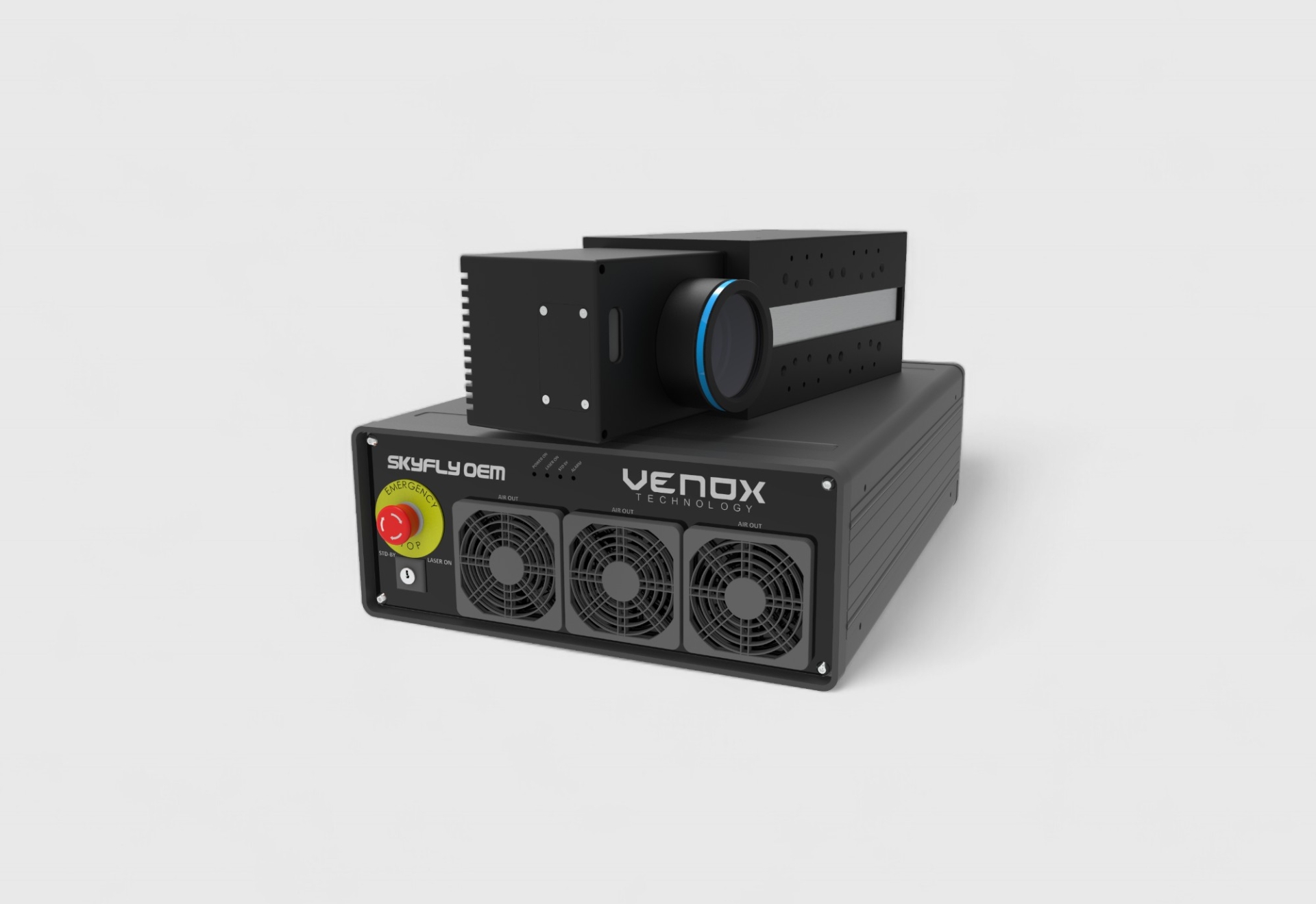
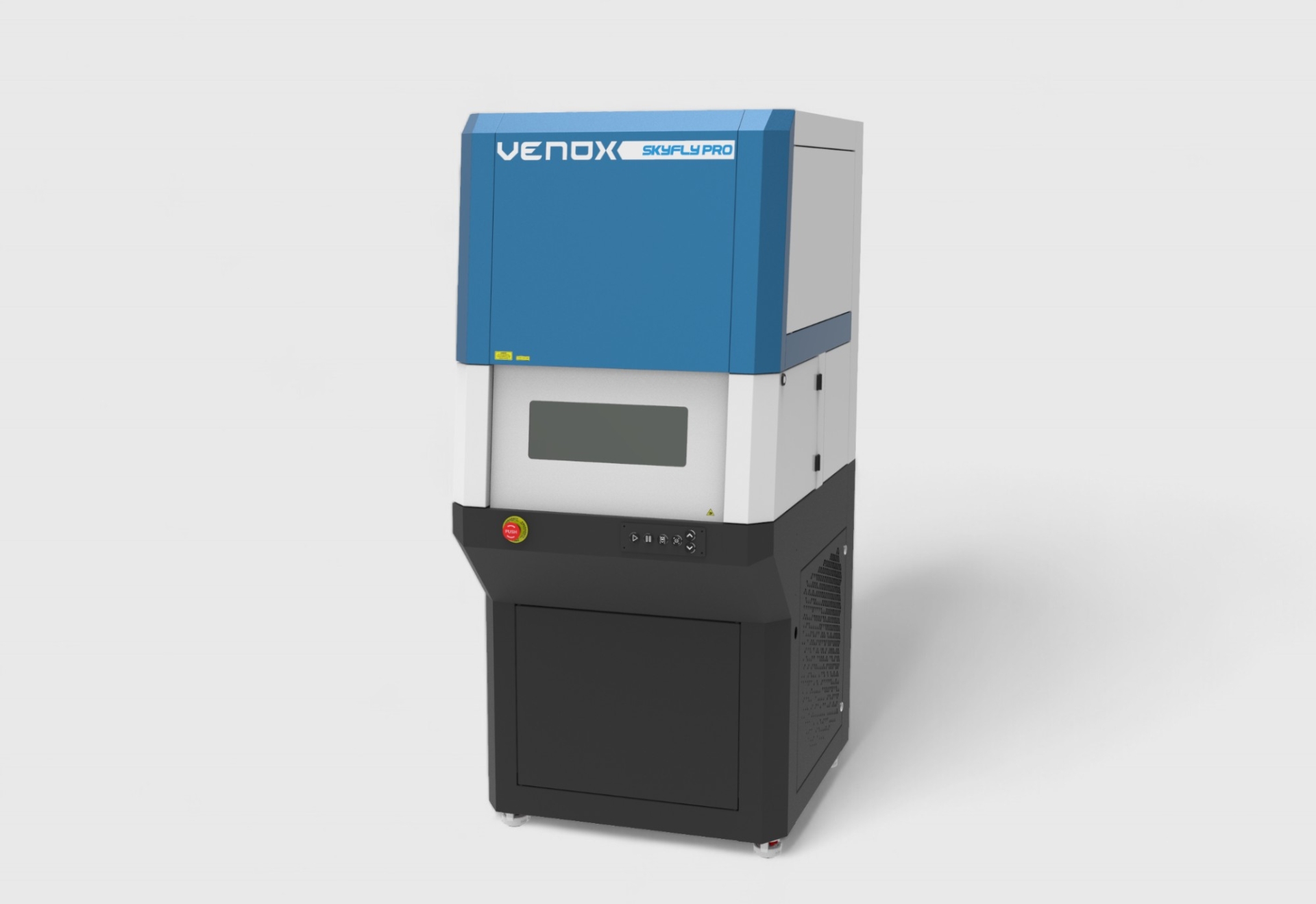
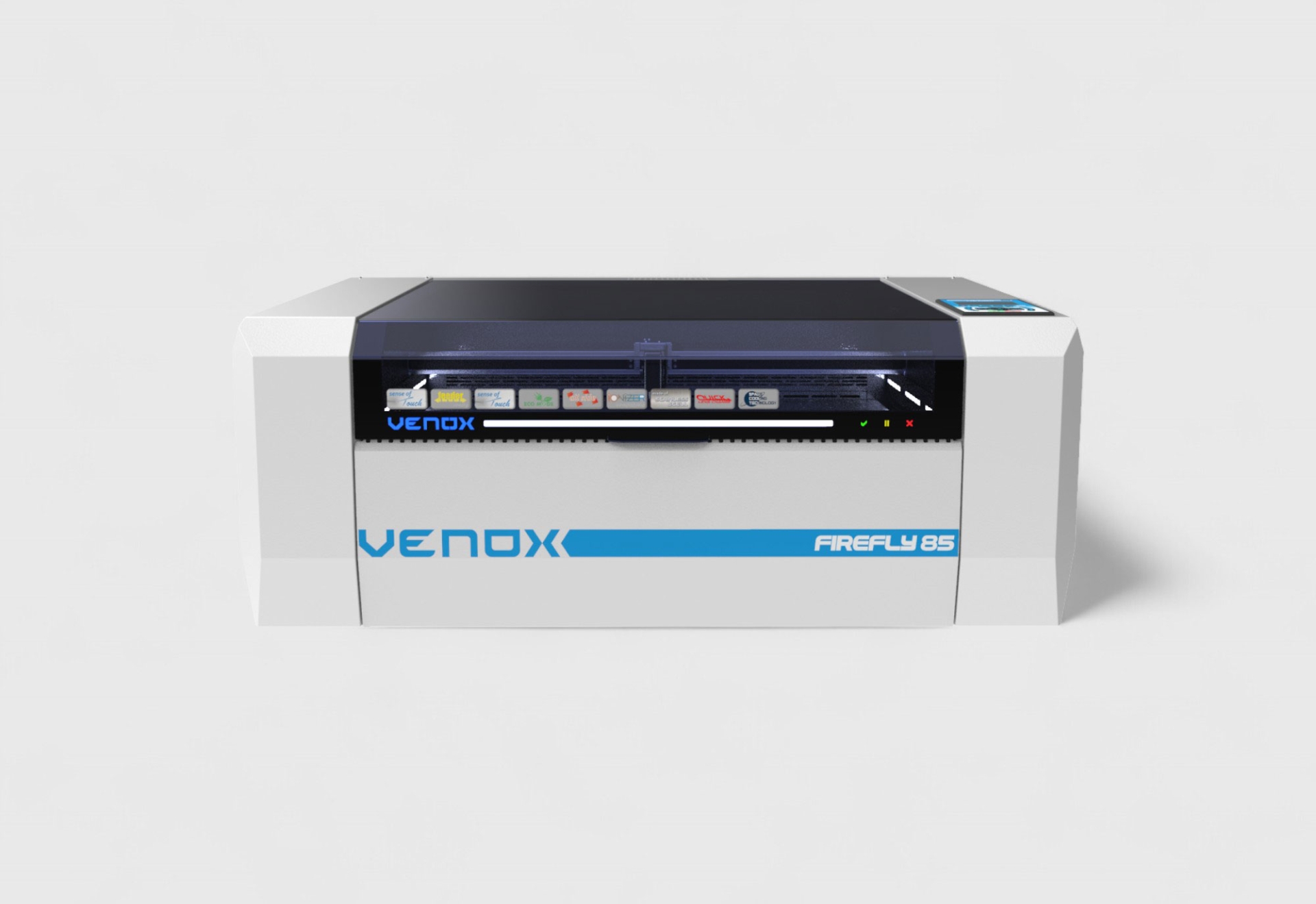
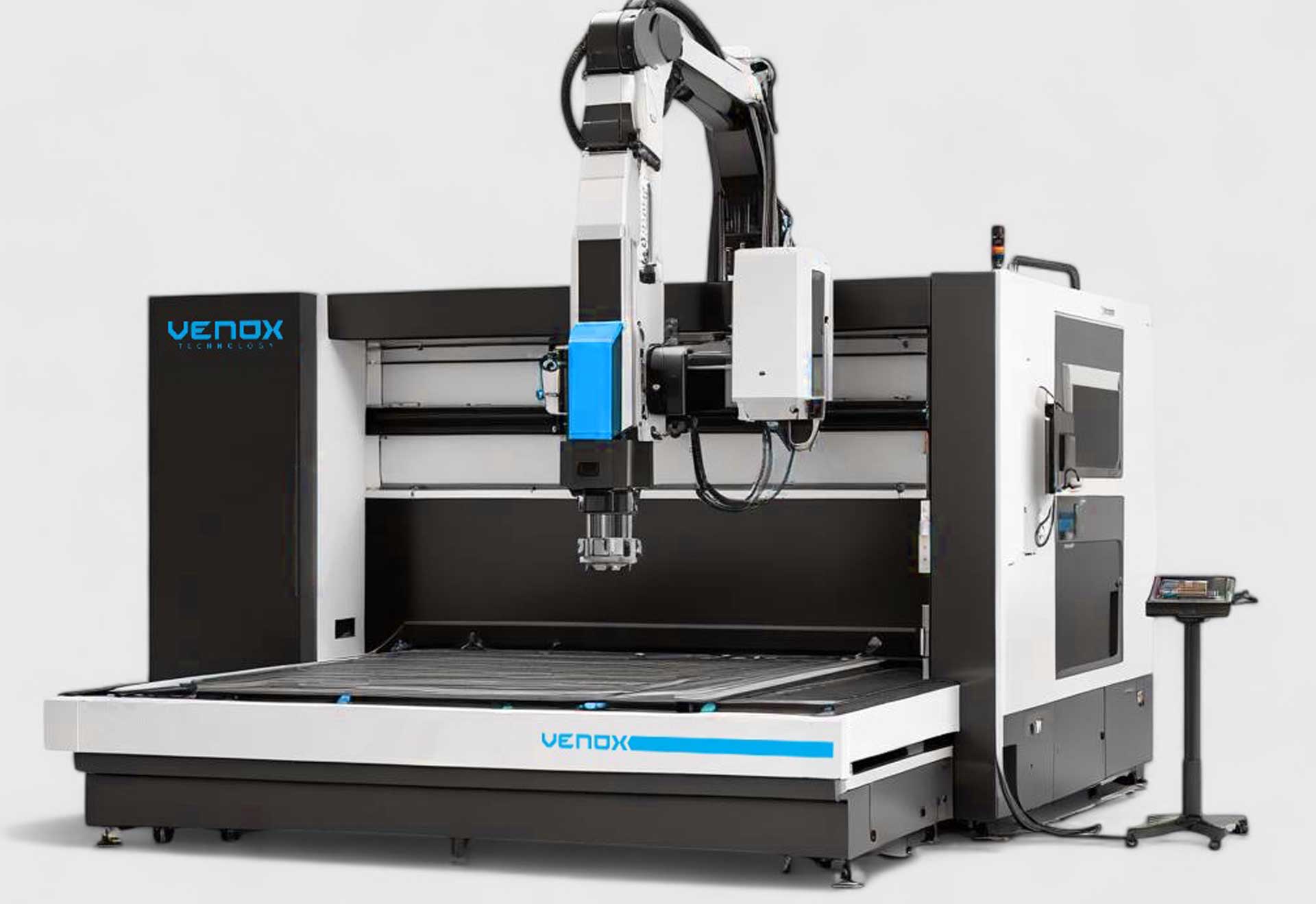
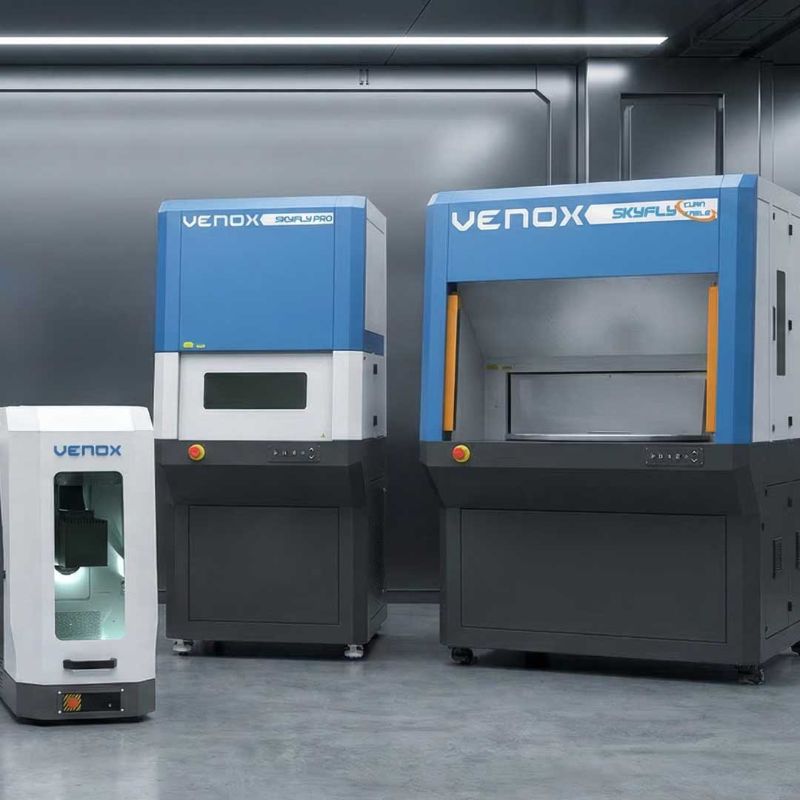
Venox offers Laser Marking Machines for permanent marking requirements on aluminum and various metal surfaces. An appropriate system can be configured by evaluating the product's surface structure, metal type, marking area, production capacity, and automation requirements together.
You can benefit from Venox laser technologies to mark logos, serial numbers, barcodes, QR codes, DataMatrix codes, or technical information on your aluminum or other metal components. To evaluate your application, conduct sample testing, or request a quotation, you can contact the Venox team through the Contact Us page.
With the correct laser source, optical system, and application parameters, a laser marking machine provides a high-precision solution for aluminum and metal surfaces that is compatible with production processes. This makes product identification, quality control, and traceability processes more reliable.
Frequently Asked Questions
Can aluminum be laser marked?
Yes. Raw, anodized, or coated aluminum surfaces can be marked using an appropriate laser system and parameters. Since results may vary depending on the surface structure, test marking is recommended.
Which laser marking machine is used for aluminum?
Fiber laser systems are generally preferred for aluminum and many other metal surfaces. The appropriate system should be selected according to the material structure, marking area, and production requirements.
Can QR codes and DataMatrix codes be marked on metal surfaces?
Yes. QR codes, DataMatrix codes, and barcodes can be laser marked on metal surfaces. In industrial tracking applications, it is important to test the codes with the readers that will be used.
Does laser marking apply physical pressure to metal surfaces?
No. Laser marking is a contactless process. The laser beam is optically focused onto the metal surface, and the marking head does not make physical contact with the product.
Does Venox offer aluminum and metal marking solutions?
To explore Venox's laser marking solutions for metal surfaces, you can visit the Laser Marking Machines page or contact the Venox team through the contact page.
