
Aluminum Laser Marking: Surface Contrast, Anodic Coating, and Industrial Applications
Aluminum laser marking is a preferred industrial method for creating permanent and high-contrast marks on this lightweight and widely used metal. With fiber laser technology, serial numbers, logos, QR codes, and DataMatrix codes can be marked on raw aluminum, anodized aluminum, and coated surfaces. Marking quality is directly related to the correct combination of surface type, coating structure, and laser parameters. This guide explains laser marking techniques on aluminum and the details of their applications.
Aluminum Laser Marking Technology
Why is aluminum marked with laser?
Aluminum is widely used in the automotive, aerospace, and electronics industries due to its light weight, durability, and machinability. Laser marking creates permanent and clear marks on these surfaces.
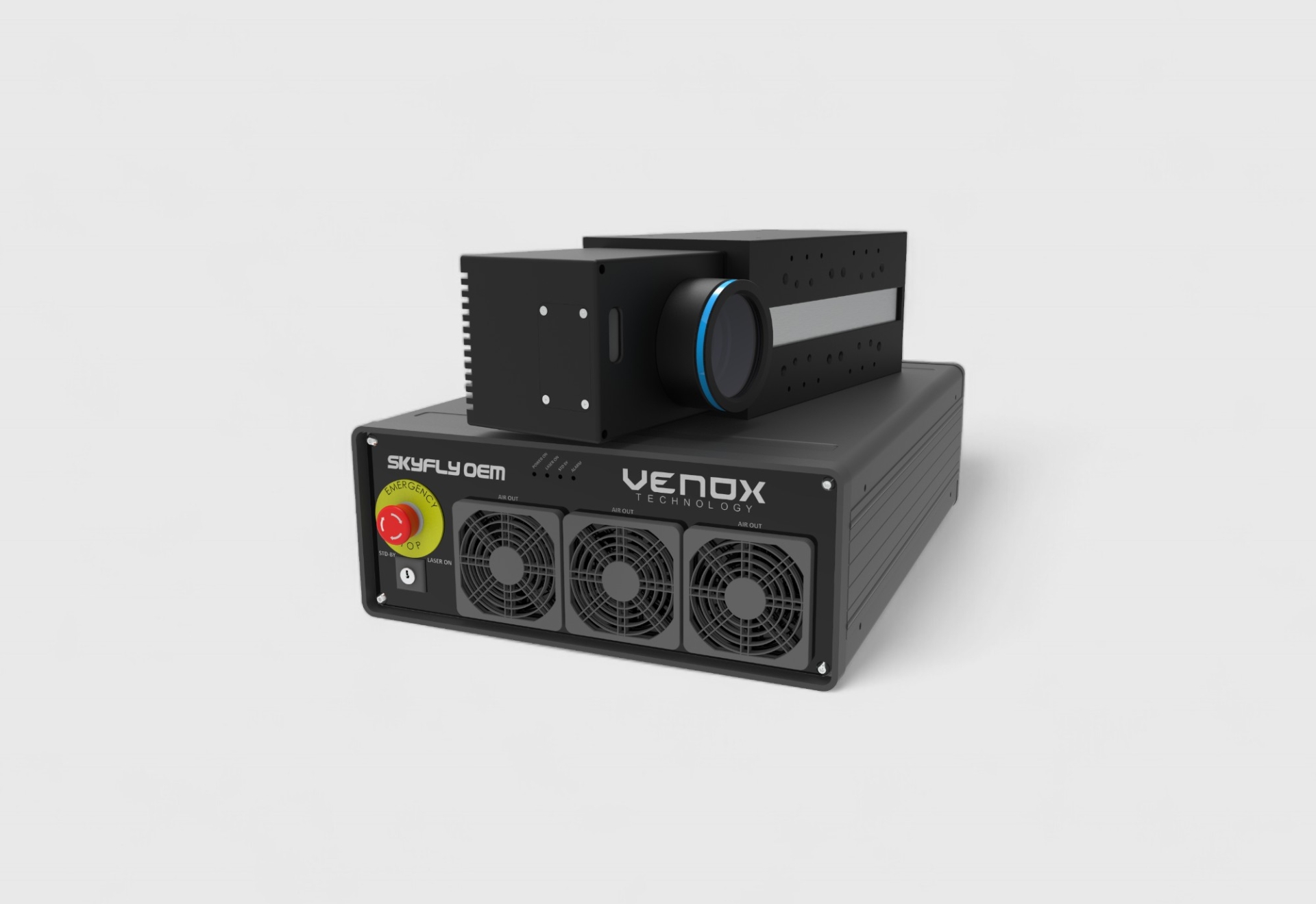
Fiber laser technology
The most commonly used technology for aluminum marking is fiber laser systems. Thanks to their high energy density, contrast can be created on the surface.
Raw aluminum marking
Laser marking on raw aluminum surfaces generally creates contrast in shades of gray.
Anodized aluminum
On anodized aluminum surfaces, the laser can remove the coating layer and create high-contrast marking in white or light tones.
Surface contrast
Marking contrast depends on the surface coating and laser parameters.
Marking precision
Fiber laser systems can create small characters and high-resolution codes on aluminum.
QR code and DataMatrix
2D code marking can be applied on aluminum parts.
Coating removal method
On anodized coated surfaces, the laser performs marking by removing the coating layer.
Deep engraving
Limited deep engraving can be performed on aluminum.
Industrial application areas
- Automotive parts
- Electronic components
- Aerospace equipment
- Metal tags
Aluminum Marking Applications
Automotive industry
Serial numbers and traceability codes are processed on aluminum parts.
Electronics manufacturing
Laser marking is applied on aluminum housings and components.
Industrial equipment labels
Aluminum labels can be permanently marked with laser.
Anodized surface marking
High-contrast marking is achieved by removing the anodic coating.
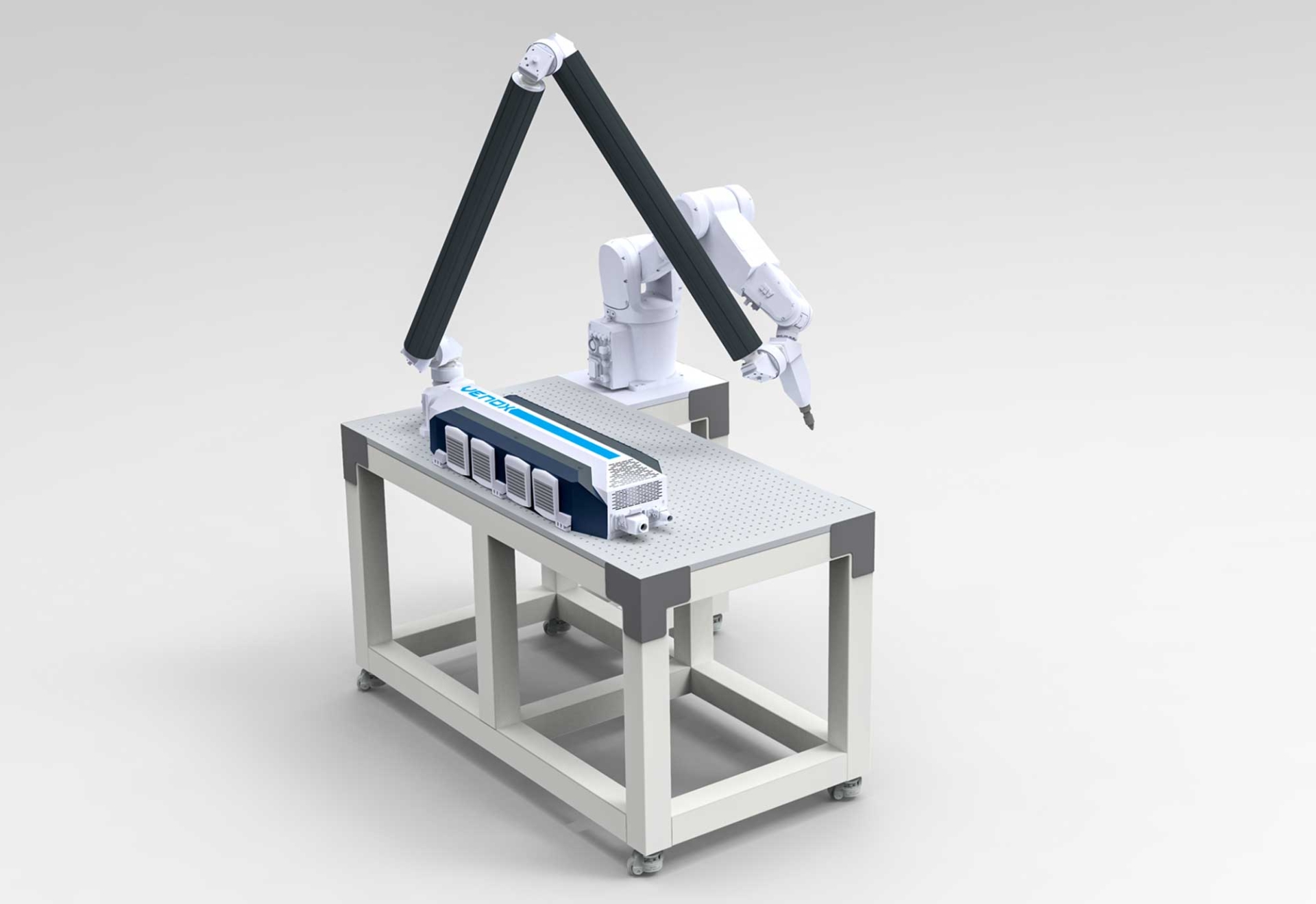
Inline production
Fiber laser systems can operate integrated into production lines.
Camera verification
The readability of codes is checked with camera systems.
Automation integration
Integration with PLC and MES systems is possible.
Marking parameters
Laser power, speed, and frequency settings affect marking quality.
Sample testing process
The most suitable parameters for each surface are determined through testing.
Industrial advantages
Laser marking is a fast, permanent, and low-maintenance solution.
Can aluminum be marked with laser?
Yes, it can be marked with fiber laser systems.
How is anodized aluminum marked?
The laser performs marking by removing the coating layer.
Can a QR code be processed on aluminum?
Yes, a QR code can be processed with laser.
Is the marking permanent?
Yes, it is generally permanent.
Which type of laser is used?
Fiber laser systems are preferred.
Can deep engraving be done?
It can be done with limited depth.
Can it be used in inline production?
Yes, it can operate integrated with automation.
Can it be inspected with a camera?
Yes, verification systems can be used.
Is there a maintenance requirement?
Fiber laser systems require low maintenance.
Are sample tests necessary?
Yes, they are recommended for the correct parameters.
