
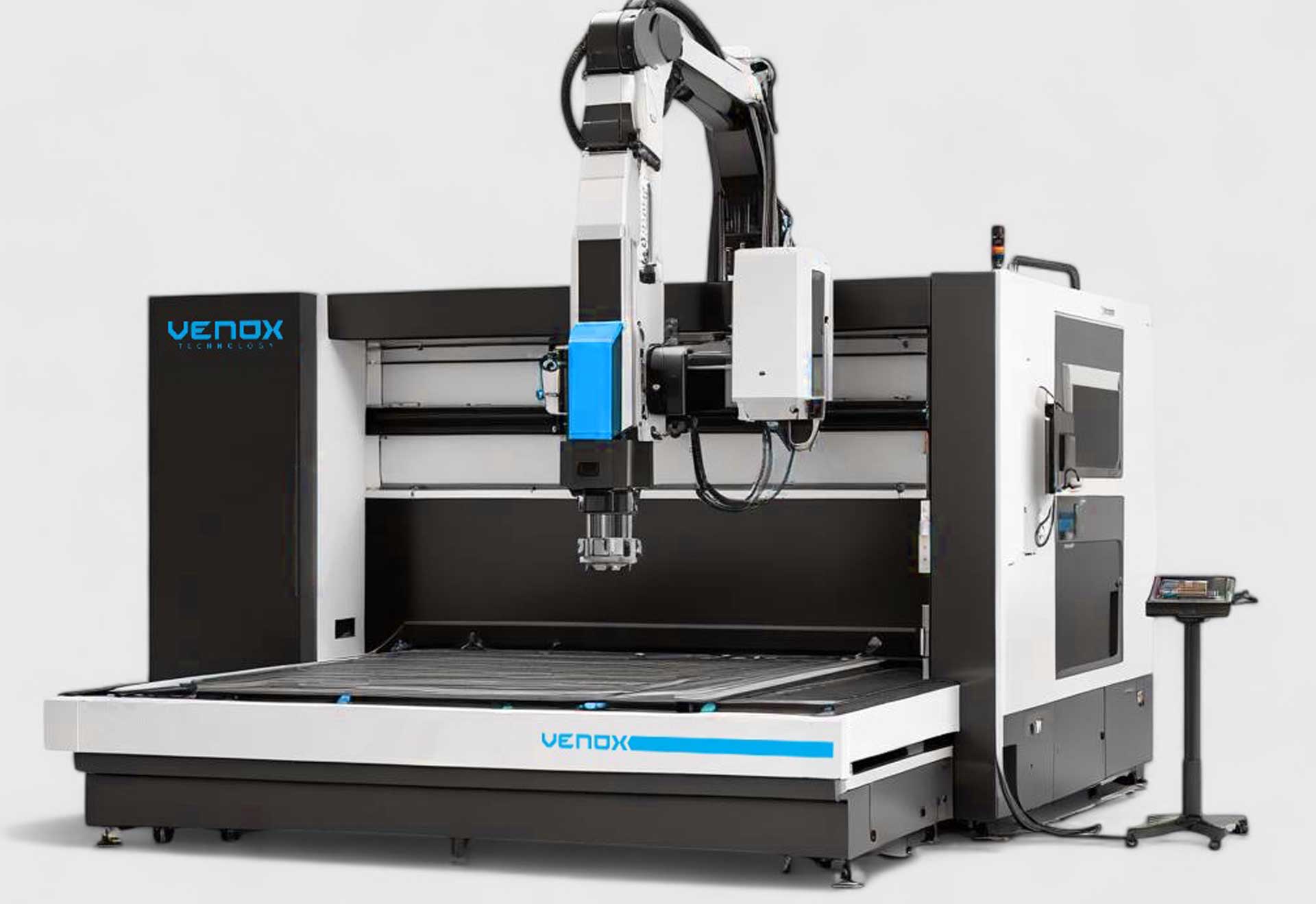

Laser Marking Machines Suitable for Automation
Laser marking machines are advanced systems that enable products to be marked permanently, quickly and without contact in industrial production processes. Thanks to their automation-compatible structure, these machines can be integrated into production lines to provide high efficiency, standardised quality and traceability in mass production.
Today, simply producing products is no longer sufficient in manufacturing facilities. Products must be coded correctly, remain traceable, comply with quality control processes and move through the production line with minimal errors. Therefore, automation-compatible laser marking machines play a strategic role in modern production infrastructures.
What Are Laser Marking Machines Suitable for Automation?
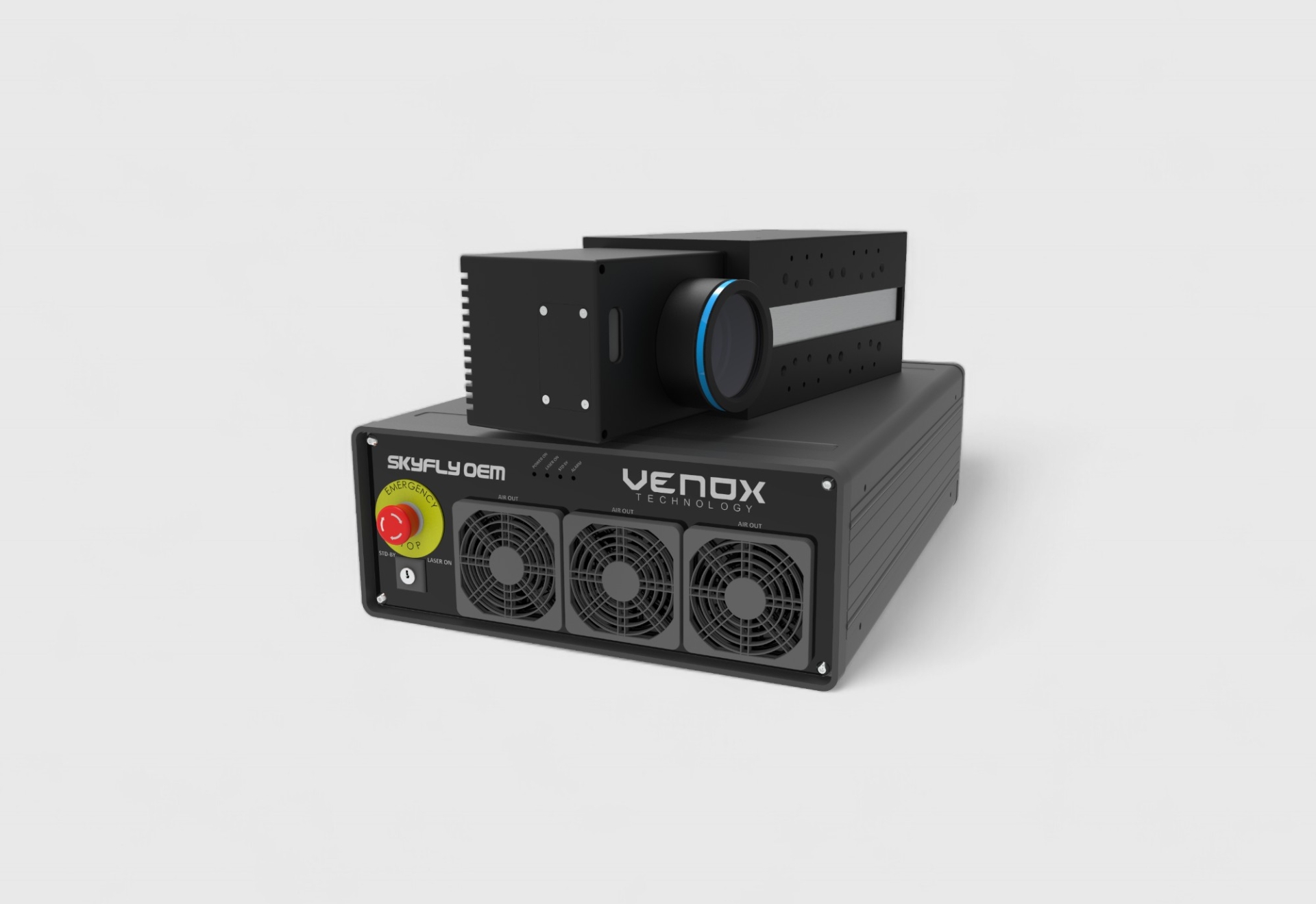
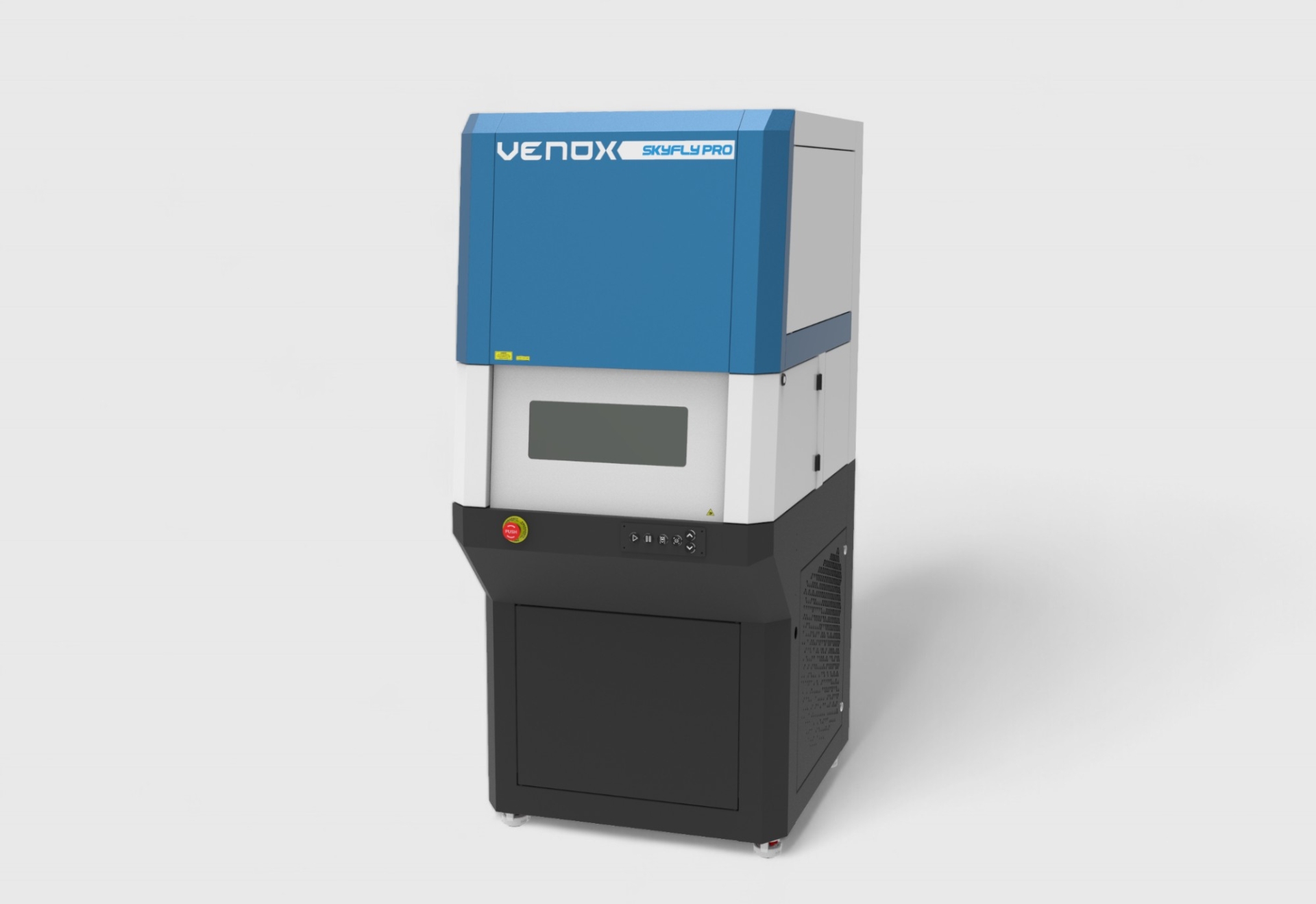
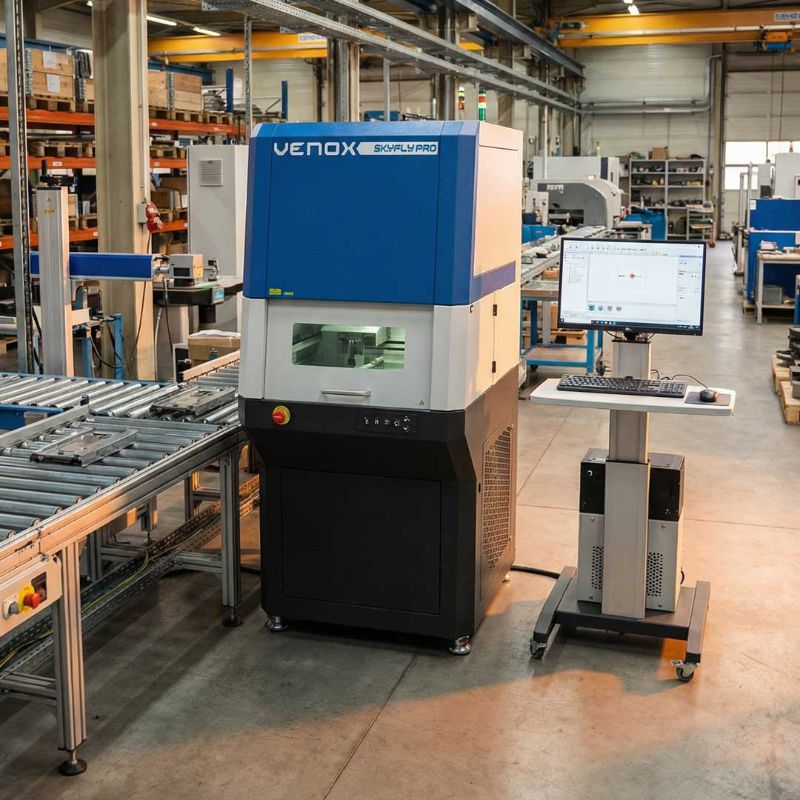
Automation-compatible laser marking machines are systems designed to operate in integration with production lines as well as for manual use. These systems can work together with conveyor lines, robotic arms, sensors, camera systems, barcode readers, PLC infrastructures and production tracking software.
As the product moves along the line, the system can detect the product, select the correct marking data and automatically perform the marking process. This structure reduces time loss and standardises marking quality, particularly in businesses with high-volume production.
Why Is Automatic Laser Marking Important on Production Lines?
Speed, accuracy and repeatability are highly important for businesses engaged in mass production. Every product must be marked at the same position, with the same quality and with the correct information. Manual processes may involve problems such as operator errors, incorrect product coding, incomplete marking or unreadable codes.
Automatic laser marking systems help reduce these risks. Thanks to predefined templates, variable data processing and production line integration, every product can be marked correctly and permanently.
How Does Automation Integration Work?
Automation-compatible laser marking machines operate by communicating with other equipment on the production line. When the product reaches a specific point, a sensor or camera system detects the product. The laser marking system then applies the code or data defined for the relevant product to the surface.
During this process, the product position, marking area, code information and processing time can be managed automatically. When the system is configured according to the production line speed, the marking process can be performed without slowing down the production flow.
Which Automation Systems Can They Be Integrated With?
Laser marking machines can be configured to adapt to different production infrastructures. Integration requirements vary according to the structure of the production line and the characteristics of the products to be marked.
- Conveyor systems
- Robotic arms
- PLC-controlled production lines
- Camera-assisted image processing systems
- Barcode and QR code readers
- Production tracking software
- Database-connected systems
- Automatic loading and unloading units
Laser Marking on Conveyor Lines
Conveyor lines are among the most common application areas for automatic laser marking. As products move along the line, the laser marking machine can apply serial numbers, barcodes, QR codes, production dates or logos to the product surface at a defined point.
For accurate marking on conveyor systems, product speed, position, marking area and laser parameters must be carefully adjusted. A correctly configured system provides fast and repeatable results in high-volume production.
Laser Marking with Robotic Systems
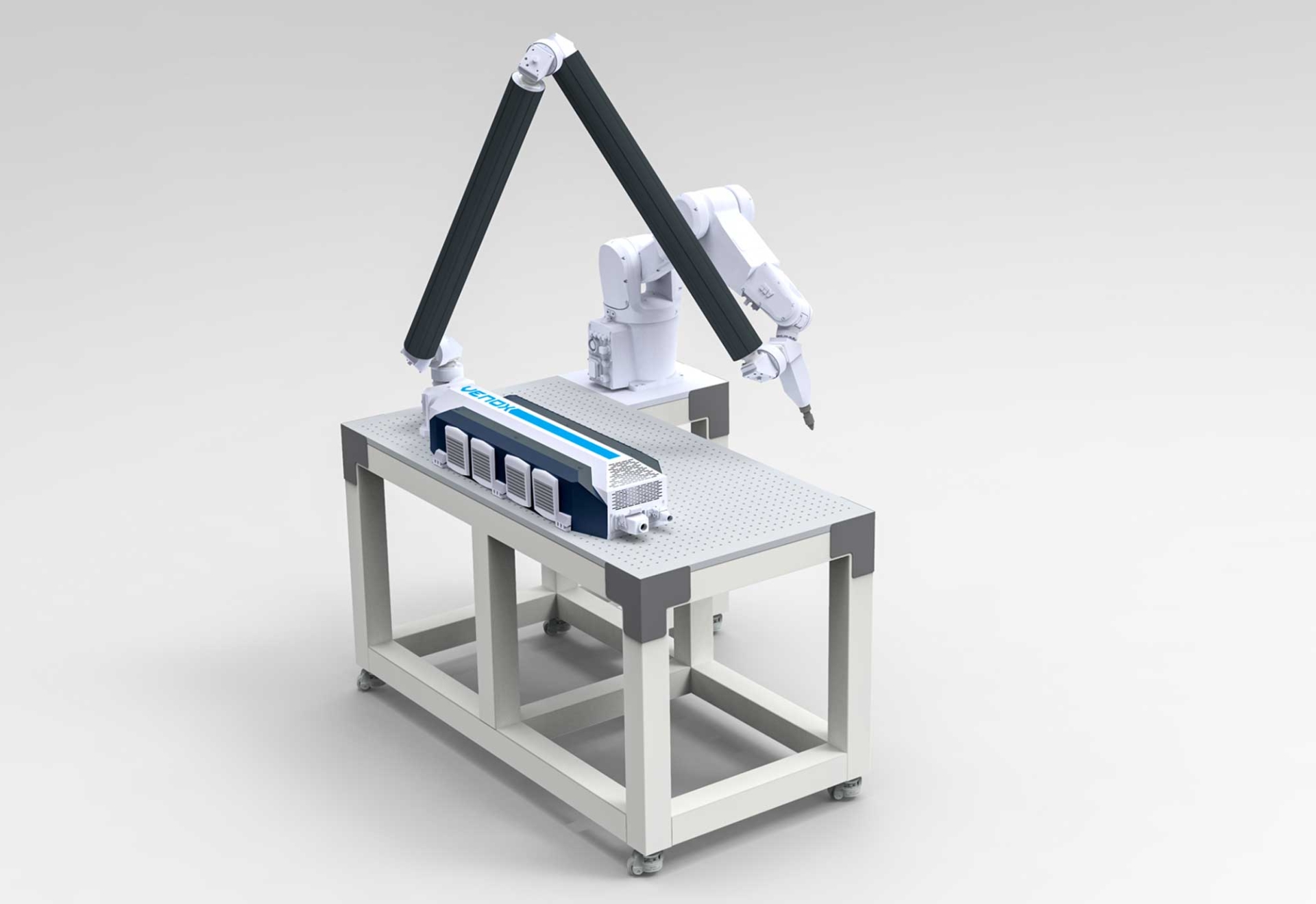
Laser marking systems integrated with robotic arms provide advantages particularly when marking parts with complex geometries. The robot can position the product at a specific angle or direct the laser head towards different surfaces.
This structure is frequently preferred in industries such as automotive, machinery manufacturing, defence and metalworking. The ability to mark parts with different surfaces within a single production flow improves operational efficiency.
Integration with PLC and Production Tracking Systems
PLC systems play an important role in automation infrastructures. Laser marking machines can communicate with PLC-controlled lines, receive an automatic trigger when the product arrives and start the marking process.
In addition, different data can be used for each product in systems integrated with production tracking software. Serial numbers, batch codes, shift information, production dates or quality control codes can be transferred automatically to the laser marking system.
Variable Data Marking
One of the most important advantages of automation-compatible laser marking machines is their ability to perform variable data marking. Not every product has to be marked with the same information. Serial numbers, batch codes, production dates, QR codes or DataMatrix codes may vary from one product to another.
This data can be entered manually or retrieved automatically from production software or a database. This enables every product to be uniquely identified and strengthens the traceability process.
What Information Can Automatic Laser Marking Apply?
Automation-compatible laser marking systems can permanently apply a wide range of information required on the production line to product surfaces.
- Serial number
- Batch and lot number
- Production date
- Expiry date
- Barcode
- QR code
- DataMatrix code
- Model and part code
- Logo
- Technical symbols
- Quality control codes
Advantages of Laser Marking Machines Suitable for Automation
Laser marking systems integrated with automation provide businesses not only with permanent marking but also with important advantages in terms of production efficiency and process control.
Supports Production Speed
Automatic systems can operate in accordance with the product flow. This prevents the marking process from creating a bottleneck on the production line and helps maintain speed in high-volume production.
Reduces Operator Errors
When the need for manual data entry or manual positioning is reduced, the risk of errors also decreases. Thanks to automation integration, the correct product can be marked with the correct data and in the correct position.
Provides Standardised Marking Quality
Marking every product with the same clarity, at the same position and with the same readability strengthens quality control processes. This is particularly important for businesses engaged in mass production.
Strengthens Traceability
Serial numbers, QR codes or DataMatrix codes applied to the product enable all processes from production to shipment to be tracked. This structure provides advantages for quality management, warranty tracking and after-sales services.
Reduces the Need for Consumables
Laser marking does not require consumables such as ink, labels, solvents or ribbons in most applications. This provides a long-term cost advantage.
In Which Industries Are They Used?
Automation-compatible laser marking machines can be used in many industries with production lines. They provide significant advantages particularly in areas requiring high-volume production, traceability and standardised quality.
- Automotive and spare parts production
- Machinery manufacturing
- Metalworking industry
- Electronic component production
- Medical device production
- Plastic injection moulding production
- Packaging applications
- Defence industry
- White goods and household appliance production
Automatic Laser Marking in Metal Production
Laser marking is widely used on production lines where metal parts are manufactured. Serial numbers, part codes, logos or QR codes can be applied to stainless steel, aluminium, brass, copper, titanium and coated metals.
Automatic laser marking in metal production prevents parts from being mixed up and facilitates quality control processes. Permanent coding is particularly important in industries such as automotive, defence and machinery manufacturing.
Automatic Laser Marking in Plastic Production
Plastic injection moulded parts, electronic enclosures, cable labels, medical plastic components and packaging parts can be marked with automatic laser marking systems. To achieve successful results on plastic surfaces, laser technology suitable for the material structure must be selected.
Thanks to automation integration, plastic parts can be coded quickly and permanently as they leave the production line. This supports inventory tracking, quality control and product identification processes.
Camera-Assisted Laser Marking
Camera-assisted systems can improve marking accuracy by detecting the position of the product. Camera systems provide a significant advantage, particularly in applications where products do not always arrive at the same position on the line.
With image processing support, the product position can be determined, the marking area can be detected automatically and the readability of the code can be checked after the process. This structure makes quality control processes more reliable.
What Should Be Considered When Selecting a Laser Marking Machine Suitable for Automation?
When selecting a laser marking machine to be integrated into an automatic production line, not only the technical specifications of the device but the entire line should be evaluated. Product flow, production speed, the surface to be marked, code type and data integration should be analysed together.
- The production line speed should be determined.
- The material type of the product to be marked should be analysed.
- The marking area and product position should be evaluated.
- The type of data to be applied should be clarified.
- The need for PLC or production software integration should be determined.
- QR code and barcode readability should be tested.
- The need for a safety enclosure, fume extraction and filtration should be evaluated.
Venox Laser Marking Machines Suitable for Automation
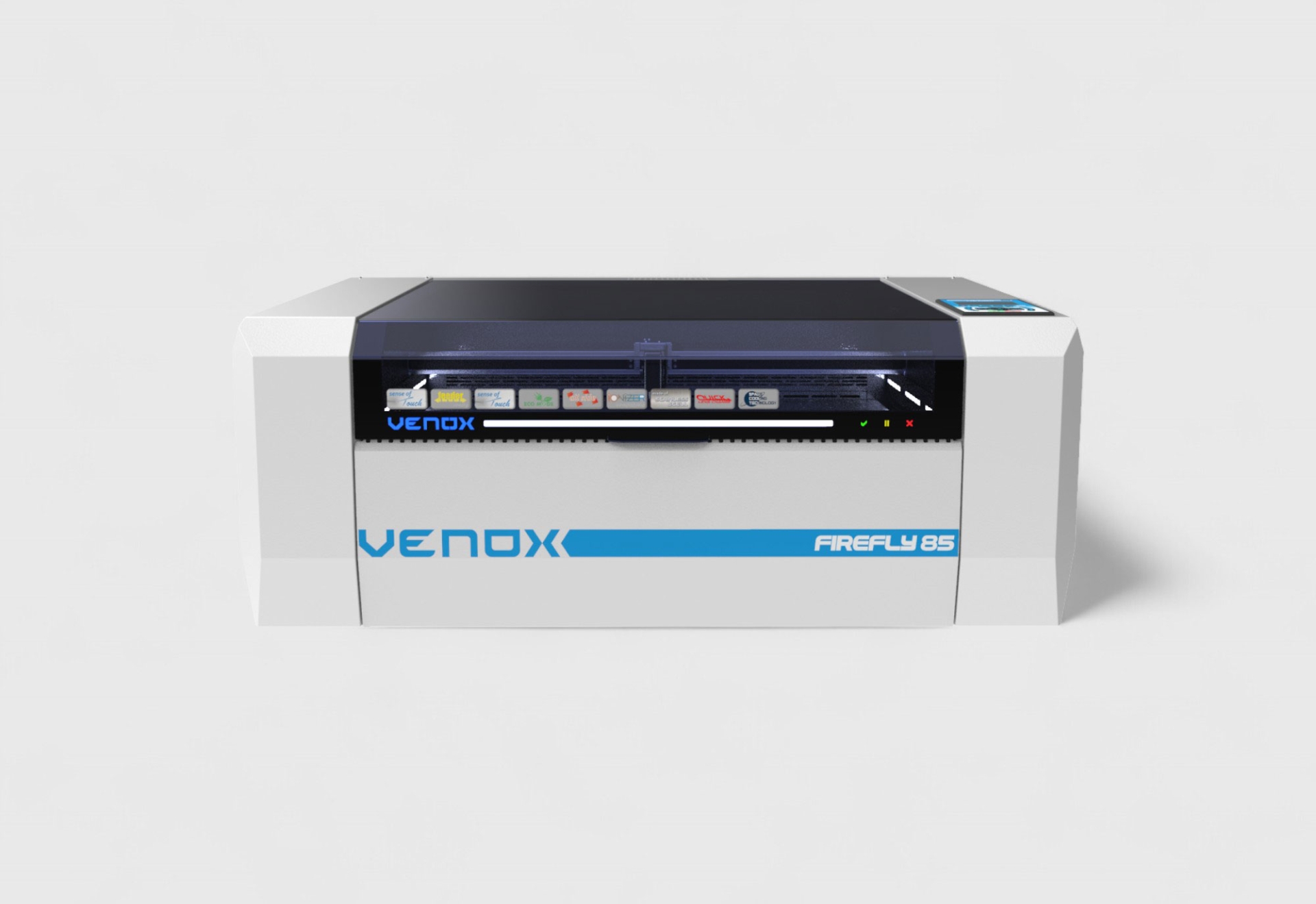
Venox offers permanent, fast and reliable marking solutions for industrial businesses with Laser Marking Machines that can be integrated into production lines. The appropriate system can be determined by evaluating the structure of your production line, the material of the product to be marked, your coding requirements and capacity expectations together.
With a laser marking solution suitable for your automation infrastructure, you can make your production processes more traceable, efficient and controlled. For detailed information, product analysis or quotation requests, you can contact the Venox team through the Contact Us page.
Conclusion: A Powerful Laser Marking Solution for Automated Production
Laser marking machines provide speed, quality, traceability and efficiency on production lines when integrated with automation systems. Automatic product detection, marking with the correct data and integration into quality control processes strengthen production management.
A correctly configured automation-compatible laser marking system helps businesses reduce error rates, maintain production speed and make product identification processes more reliable.
Frequently Asked Questions
Can laser marking machines be integrated into automation lines?
Yes. Laser marking machines can operate in integration with conveyor lines, robotic systems, PLC infrastructures, camera systems and production tracking software.
In which industries is automatic laser marking used?
Automatic laser marking is used in industries such as automotive, metalworking, machinery manufacturing, electronics, medical, plastic injection moulding, packaging and defence.
What information can automation-compatible laser marking machines apply?
Serial numbers, barcodes, QR codes, DataMatrix codes, production dates, batch numbers, logos, model codes and quality control information can be applied by laser.
What is camera-assisted laser marking used for?
Camera-assisted laser marking improves marking accuracy by detecting the position of the product. In some applications, it can also support code readability and quality control processes.
Does Venox offer automation-compatible laser marking solutions?
For information about Venox’s automation-compatible laser marking solutions, you can visit the Laser Marking Machines page or contact the Venox team through the contact page.
