

Automation, Integration, and In-Line Efficiency in Industrial Laser Marking Systems
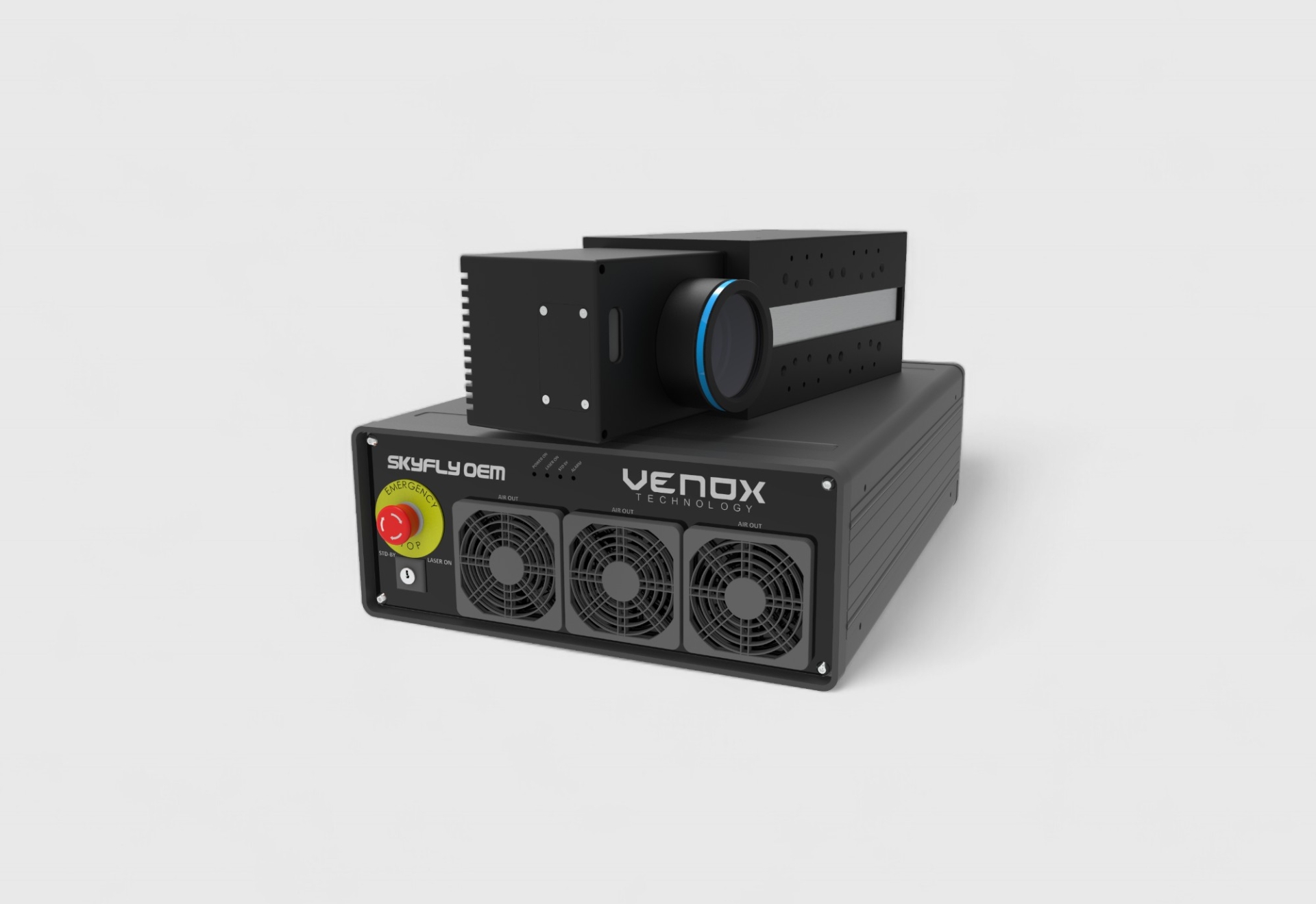
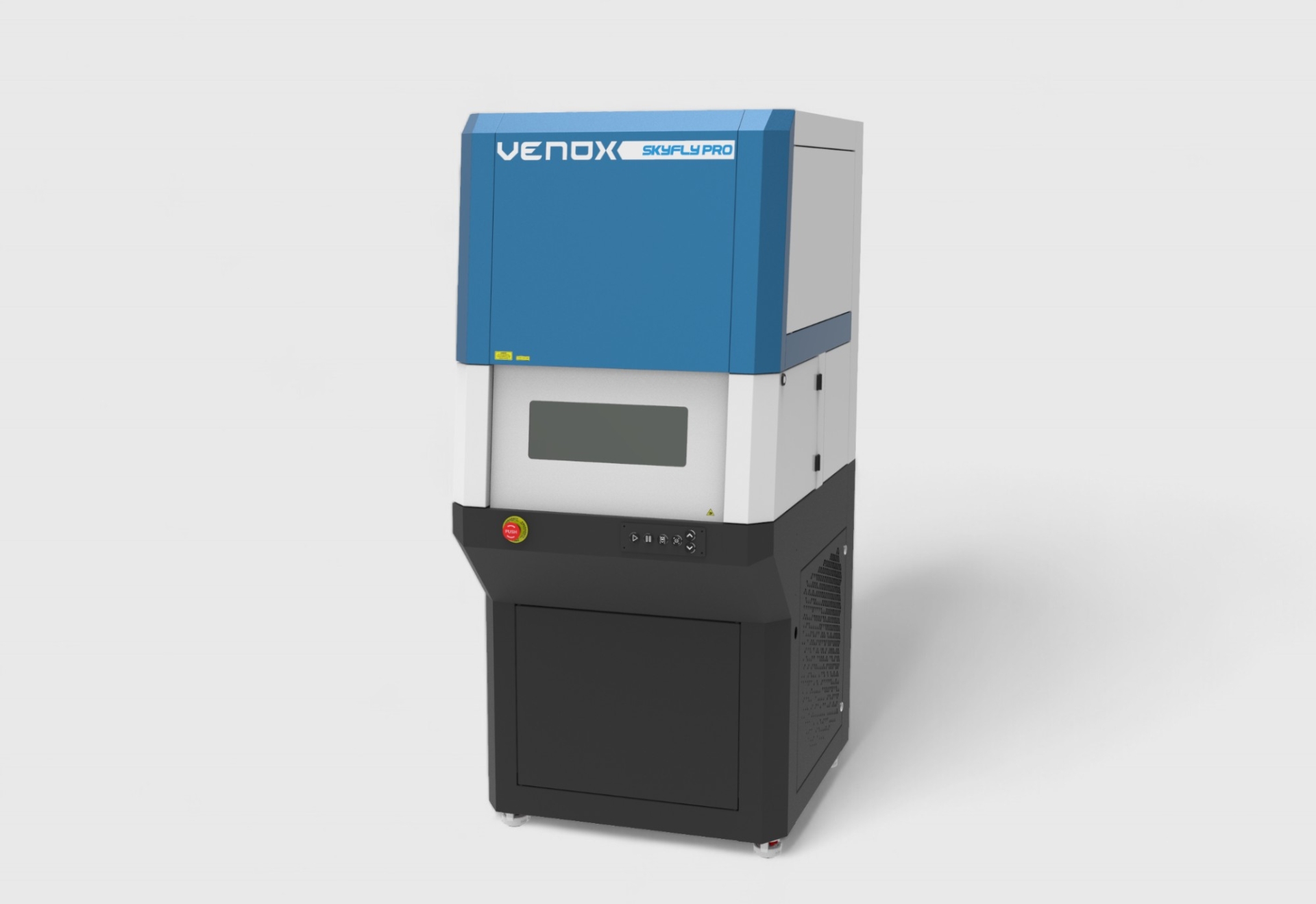
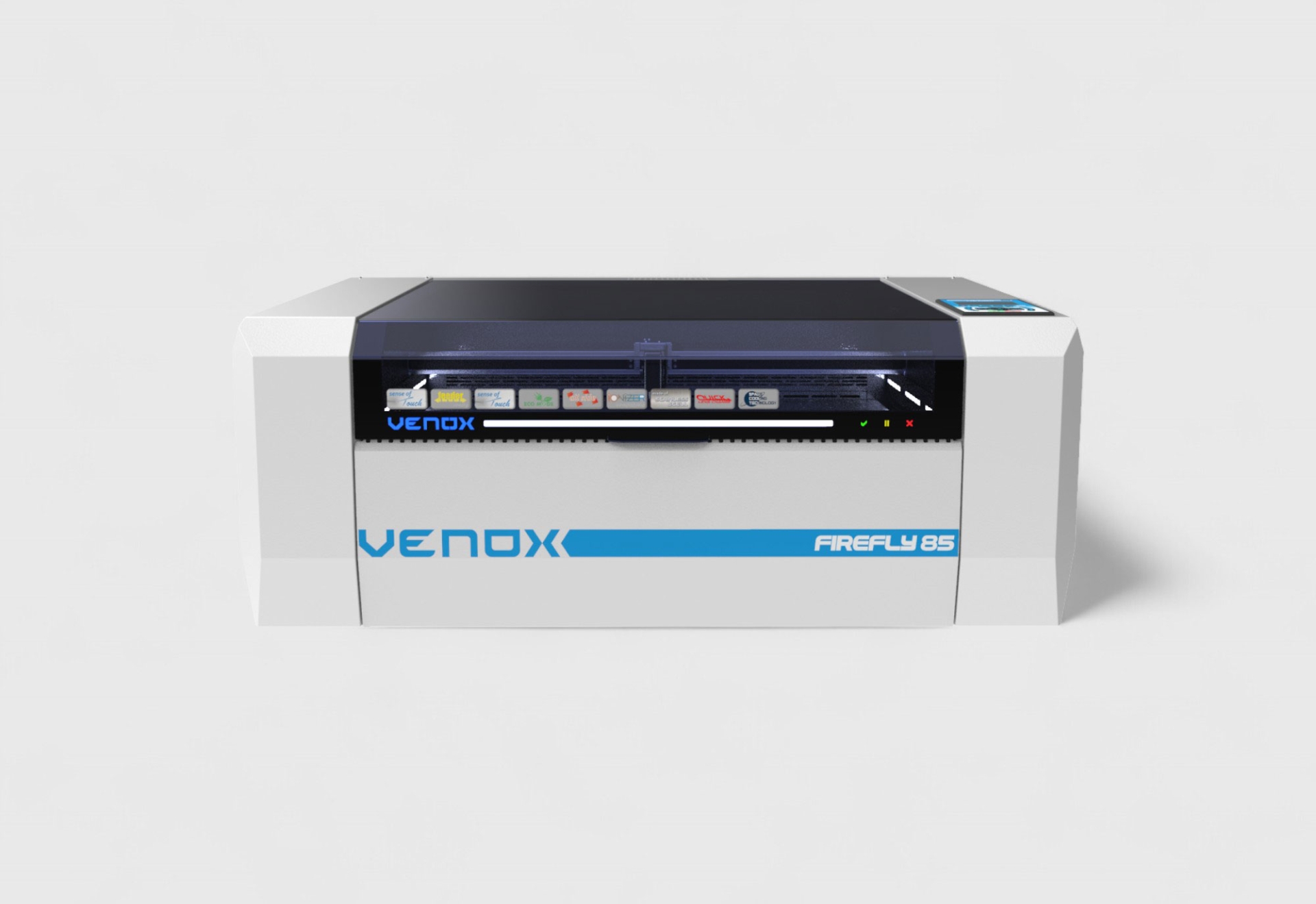
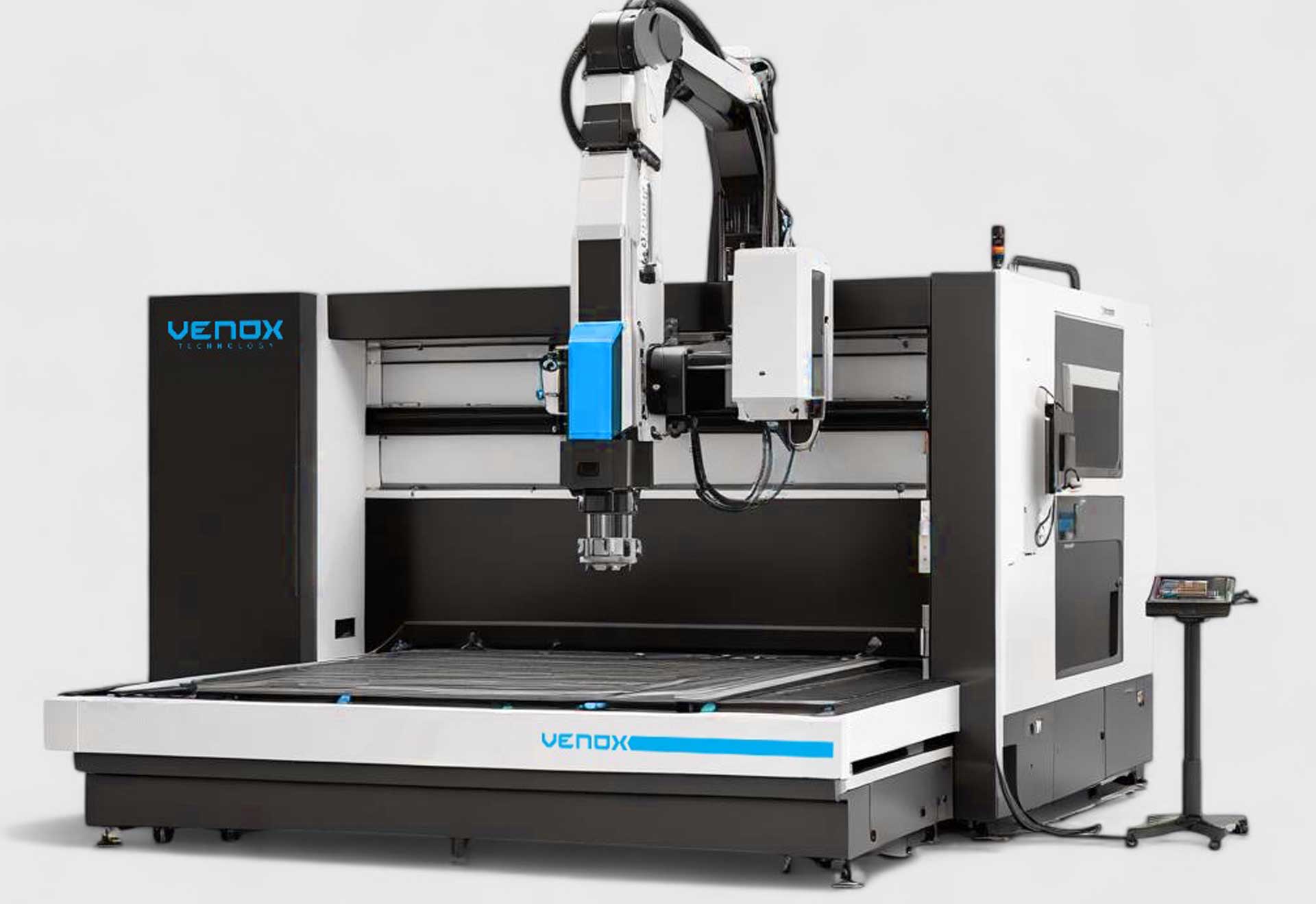
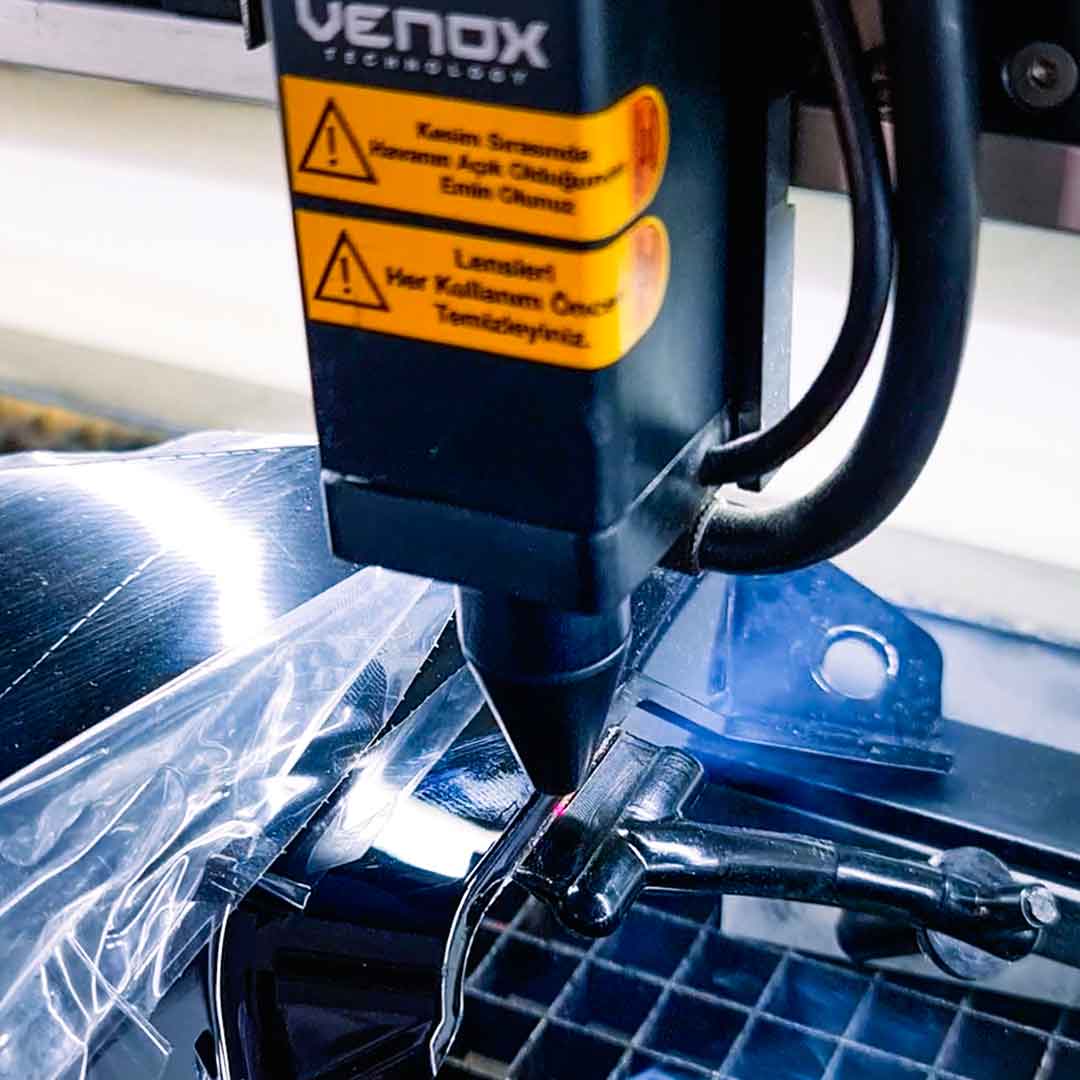
Laser marking systems have evolved from standalone machines into production components evaluated together with automation, data integration, and in-line control. In today’s factories, efficiency is directly related to how accurately laser marking is integrated into the production line. To explore Venox’s in-line solutions: Laser Marking Machines.
The Role of Automation in Laser Marking Systems
Automation integration reduces human error in the laser marking process, shortens cycle times, and strengthens quality standardization. Especially in mass-production facilities, synchronized operation of the laser station with the production line is a critical requirement.
In-line laser marking integration
The laser marking station can be integrated onto a conveyor, rotary table, or robotic cell, enabling marking without stopping product flow. This structure preserves production speed while increasing traceability.
PLC and sensor triggering systems
Trigger signals received via the PLC ensure that the right product is marked at the right time. Sensor verification systems, on the other hand, check product positioning to prevent incorrect marking.
Robotic laser marking cells
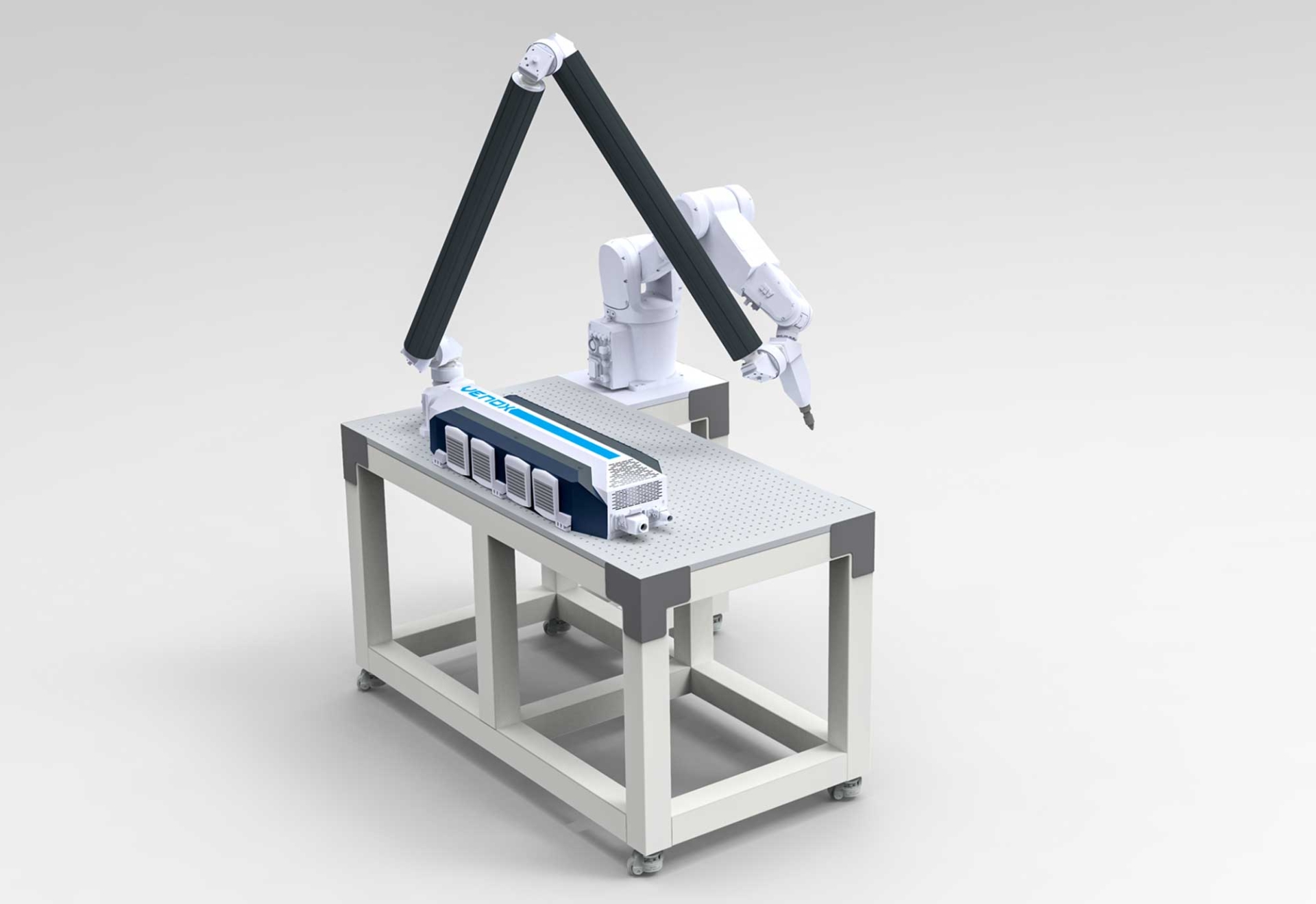
Robot-assisted laser marking provides flexibility for parts with complex geometries. Coordinated operation of the robot arm and laser head is possible on multi-surface or hard-to-reach areas.
Fixture design and positioning accuracy
Fixtures secure the part during marking and maintain the focal point. Properly designed fixtures are essential for repeatable quality and high readability.
Cycle time and production pace
The laser marking time must be compatible with the production pace. Otherwise, the laser station may become a bottleneck in the line. Parameter optimization and parallel station configurations can eliminate this issue.
Reducing operator intervention
Thanks to automation, the operator focuses only on system monitoring and quality control. This approach reduces human-induced errors while improving workplace safety.
Safety enclosure and access control
In in-line laser marking systems, safety enclosures should be designed to prevent beam leakage and unauthorized access. Safety interlocks and light barriers support occupational safety standards.
Data Integration, Traceability, and Digital Manufacturing
Laser marking is not only a physical process but also a tool for transferring production data to the digital domain. Data generated during marking is used in quality management, reporting, and trace-back processes.
Linking serial numbers with production data
The serial number applied to the product can be linked with production time, line information, and operator data. This structure enables rapid identification of the root cause of quality issues.
Integration with MES and ERP systems
Laser marking systems integrated with MES and ERP software create a product-based data flow. This integration enables end-to-end traceability.
Camera verification and quality control
Post-marking verification performed with camera systems automatically checks code readability and accuracy. Defective products are removed from the line, maintaining quality standards.
Real-time production reports
Marking data can be monitored through real-time reports and dashboards. Metrics such as production speed, error rate, and downtime provide decision support for managers.
Recall and quality analysis processes
In the event of a potential quality issue, only the relevant product group can be recalled thanks to laser-marked serial numbers. This significantly reduces cost and reputational loss.
Digital twin and process optimization
Analysis of marking data contributes to creating a digital twin of the process. This enables data-driven parameter improvements.
Integrated laser marking solutions with Venox
Venox approaches laser marking systems not merely as machines, but together with automation, data integration, and quality management. For integrated solutions tailored to your production line, you can review the Venox laser marking machines page.
When in-line laser marking integration is planned with the approach of the right automation + the right data flow + the right safety, production efficiency and quality management are strengthened together.
If you are planning to integrate your laser marking system into your production line, you can start the process with Venox solutions to design automation and data infrastructure together.
