
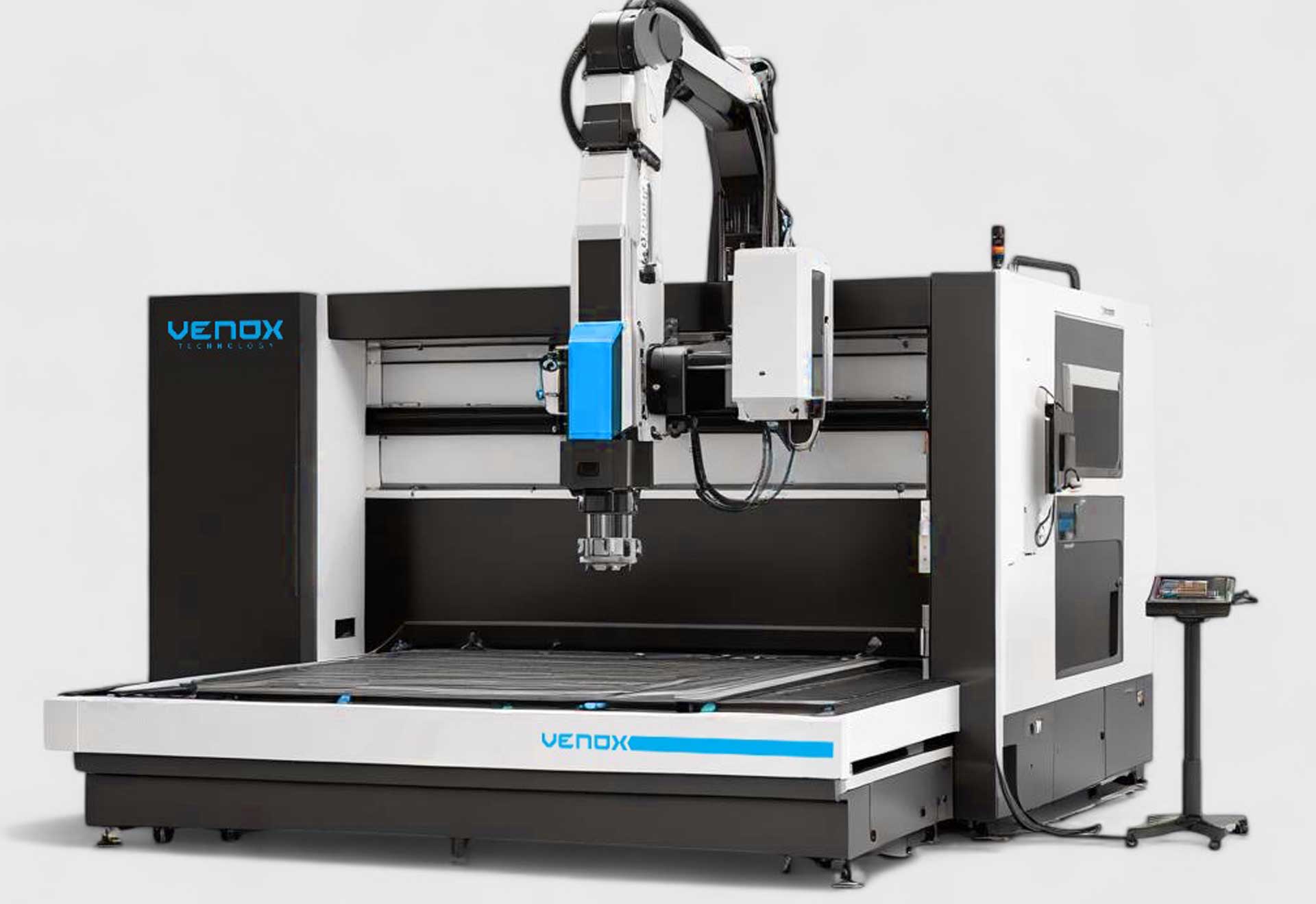


Can Laser Cutting and Marking Be Performed on the Same Machine? Advantages of Combined Systems
Yes. In galvo scanner-based fiber laser systems, the same laser source can perform both cutting and marking. In cutting mode, the material is separated using high energy density and multiple passes; in marking mode, a permanent mark is created on the surface using low power and high speed. The two processes are defined with separate parameter sets and performed sequentially within the same program.
This approach allows small and medium-sized metal parts to be cut and then immediately marked with a serial number, DataMatrix code, or logo on a single machine. It eliminates part transfer, repositioning, and the need to invest in a second machine.
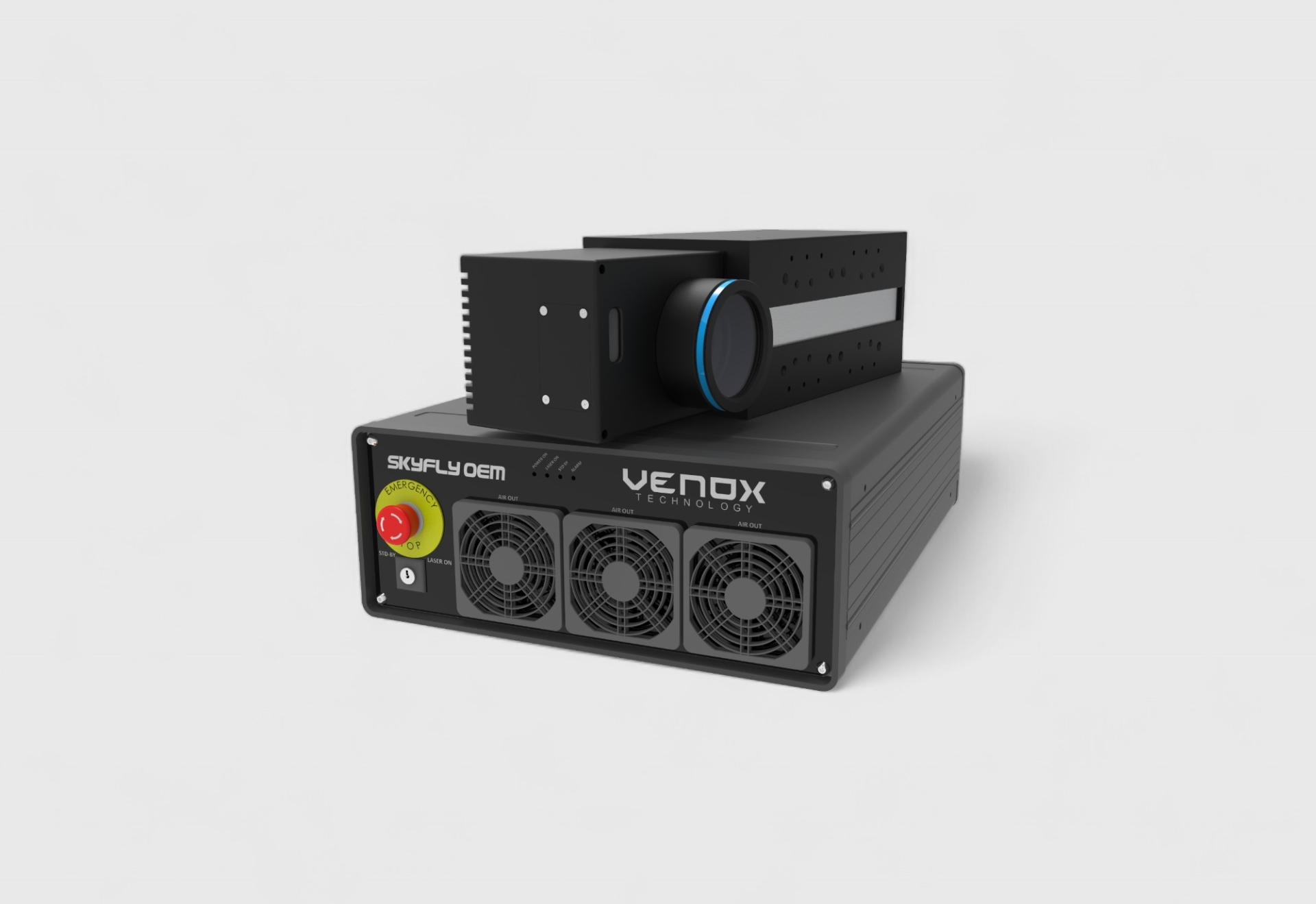
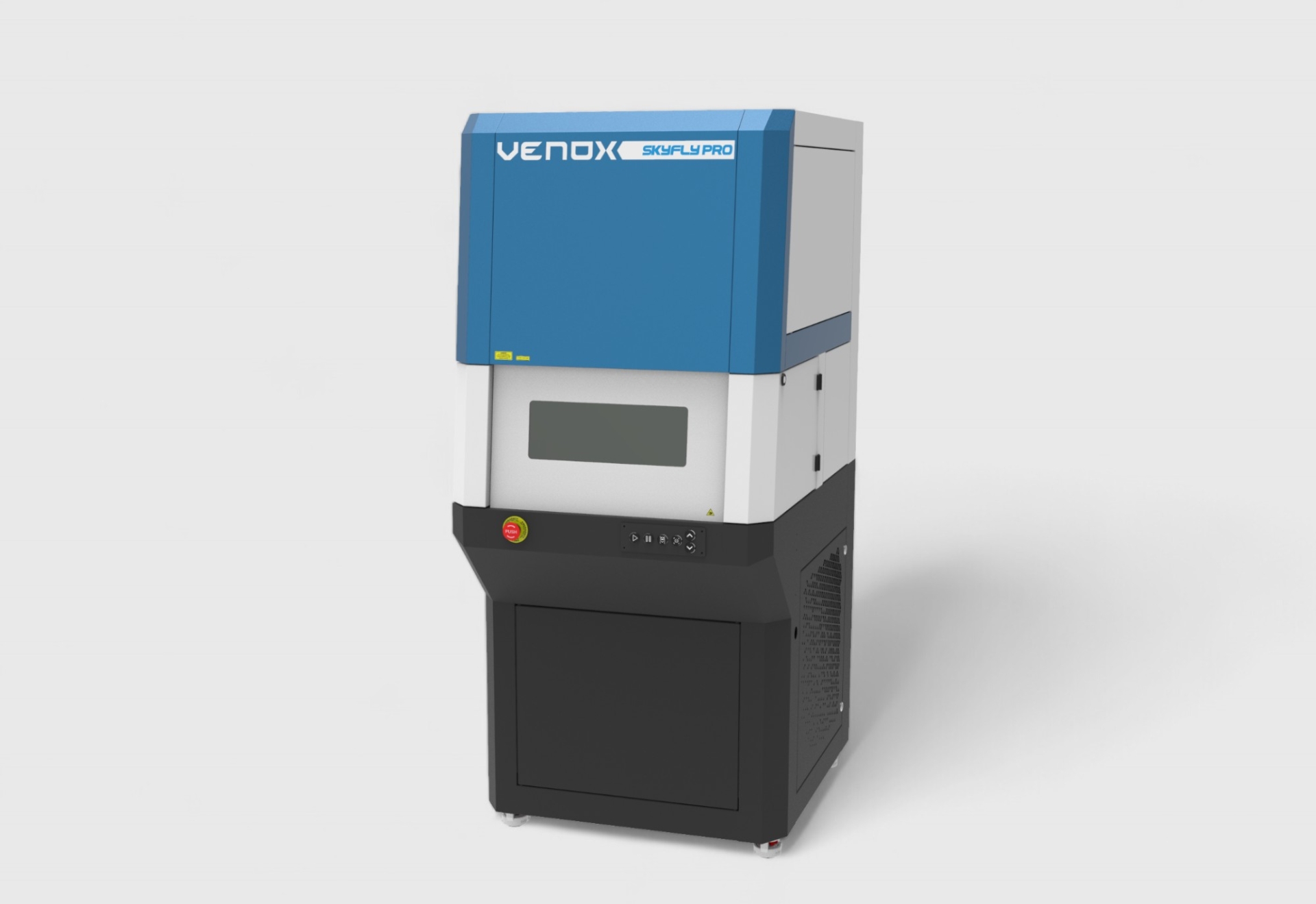
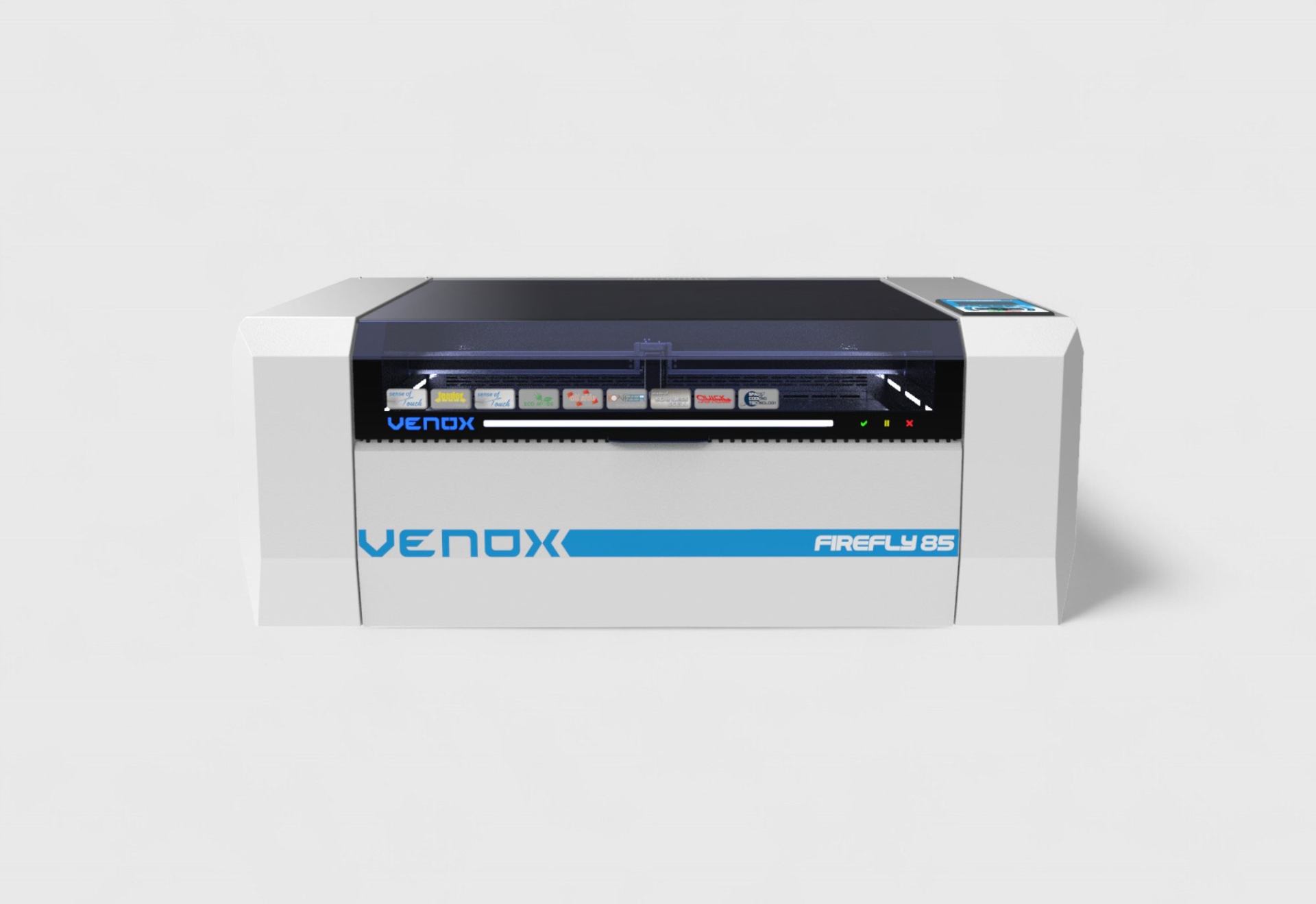
Venox's Butterfly and Firefly series are designed for this combined configuration. This article explains how combined systems work, their advantages, and their limitations.
How Does a Combined Laser Cutting and Marking System Work?
Same Laser Source, Different Parameter Sets
The difference between cutting and marking lies in the parameters rather than the hardware. During cutting, power is high, speed is low, frequency is adjusted according to the material, and multiple passes are performed if necessary. During marking, power is kept low and speed high, affecting only the surface. Separate parameters are assigned to each geometry layer in the software, allowing the cutting contour and marking area to be managed within a single file. The operator prepares the part program once; in subsequent production runs, only variable data (serial number, date, batch) is updated. This configuration reduces setup time to just a few minutes for businesses handling small production batches and frequent product changes.
Galvo Scanner and Working Area
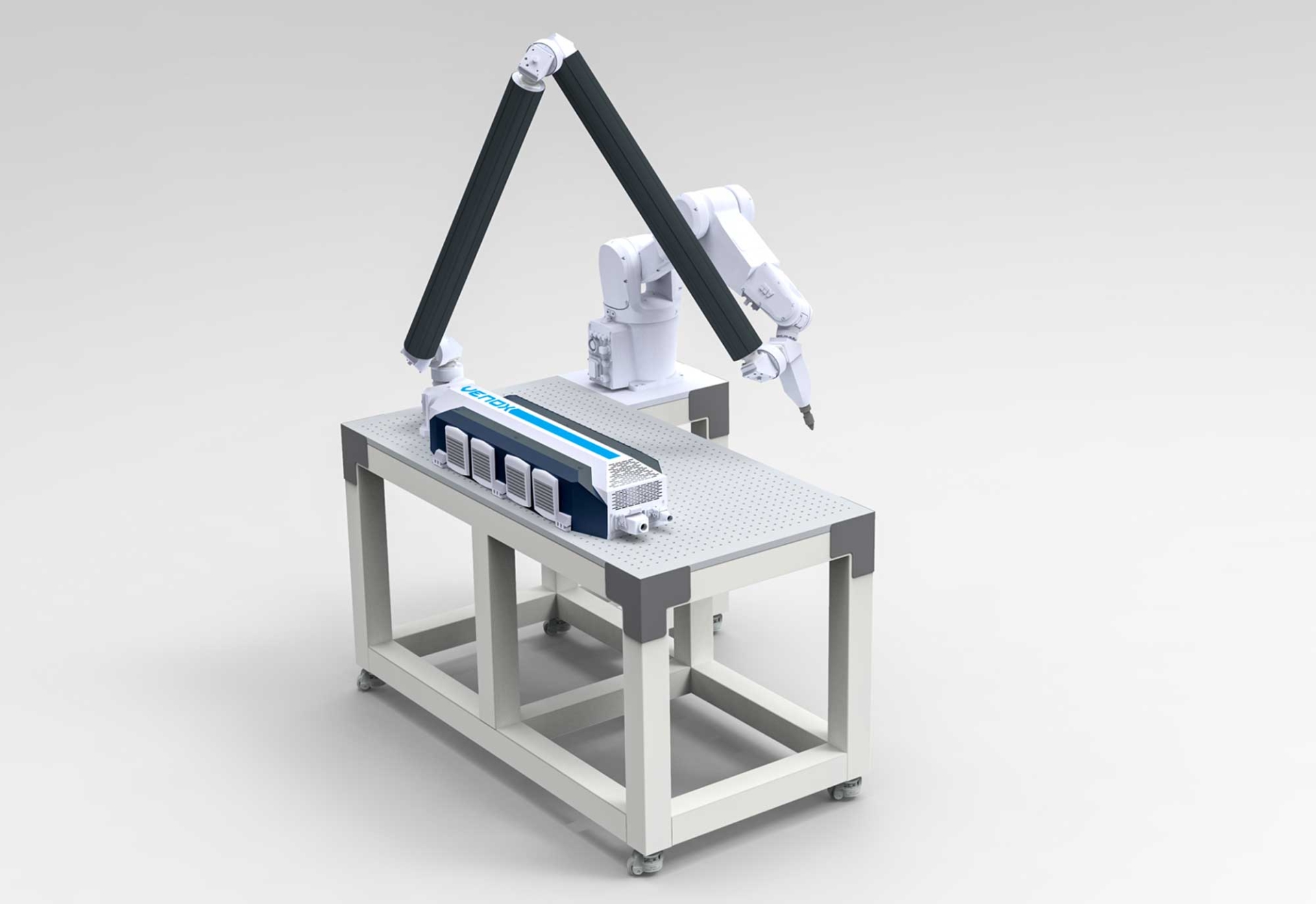
Galvo mirrors direct the laser beam without mechanical axis movement. This enables high marking speeds and good cutting repeatability for small geometries. The working area is limited by the F-theta lens; for larger parts, galvo scanners and linear axes are used together. In inline applications, Firefly Integrated operates in integration with conveyors and automation systems.
Focus and Assist Gas Management
During cutting, the focal point is adjusted to the material surface or slightly below it, and assist gas is used to remove molten material. During marking, the focus is positioned on the surface, and gas is generally not required; fume extraction alone is sufficient. In combined systems, focus adjustments and gas switching are performed automatically within the program, without operator intervention.
Workflow: Cutting First or Marking First?
As a general rule, marking is performed before cutting. While the part is still attached to the sheet, its position remains fixed, ensuring higher marking accuracy. After cutting, the part may shift slightly. In designs where the code is close to the cutting edge, a safe distance is maintained to prevent cutting heat from affecting the code. An exception applies to parts that will be assembled after cutting and require the code to be located on an assembly surface; in this case, the part is secured with a fixture, and marking is performed after cutting. In either sequence, code readability should be verified through sample testing.
| Feature | Cutting Mode | Marking Mode |
|---|---|---|
| Power | High | Low–medium |
| Speed | Low, multiple passes | High, single pass |
| Focus | Surface or below | Surface |
| Assist gas | Nitrogen / air | Generally not required |
| Result | Material is separated | Permanent mark on the surface |
Advantages, Limitations, and Ideal Applications of Combined Systems
Advantages
Two processes with a single investment, reduced space requirements, one operator, elimination of part transfer and repositioning errors, precise positional alignment between cutting and marking, and traceability beginning at the first stage of production. In industries requiring traceability, this combination provides direct cost advantages.
Limitations
Combined systems are suitable for thin and medium-thickness materials and small to medium-sized parts. Separate cutting machines are more efficient for thick sheet metal cutting, very large sheets, and high-volume production requiring extremely high cutting speeds. Furthermore, since cutting and marking share the same laser source, the total cycle time is the sum of both processes. In very high-volume production, separating cutting and marking into different stations can increase production line speed; this decision depends on the target cycle time and investment budget.
Which Parts Are Suitable?
Electrical and electronic components, thin sheet metal brackets and covers, medical parts, gaskets and shims, nameplates and labels, prototypes, and small-batch production. For application examples, visit the laser cutting and laser marking application pages.
Combined System Evaluation Checklist
- Does the part size fit within the galvo working area, or is an additional axis required?
- Is the material thickness within the precision cutting range?
- Have the marking content (serial number, code, logo) and its position been defined?
- Is the total cutting and marking cycle time compatible with the target?
- Is the code positioned far enough from the cutting area to avoid being affected by heat?
- Have both processes been tested within the same program during sample testing?
Frequently Asked Questions
Does cutting and marking quality decrease when performed on the same machine? No. Since the parameters are defined separately, both processes operate at their respective optimal settings.
Can combined operations also be performed with CO₂ lasers? Yes. CO₂ systems can both cut and mark plastic, acrylic, and wood. Fiber lasers are preferred for metals.
Which process should be performed first? In most applications, marking is performed first, followed by cutting, because positional accuracy is higher while the part remains attached to the sheet.
Test the Suitability of a Combined System with Venox
By sharing your part specifications and marking requirements, you can request a free sample test and evaluate cutting and marking within a single program.
For system selection and a quotation, you can contact Venox.
