
Comparison of Laser Marking and Alternative Methods: Laser, Inkjet, or Labels?
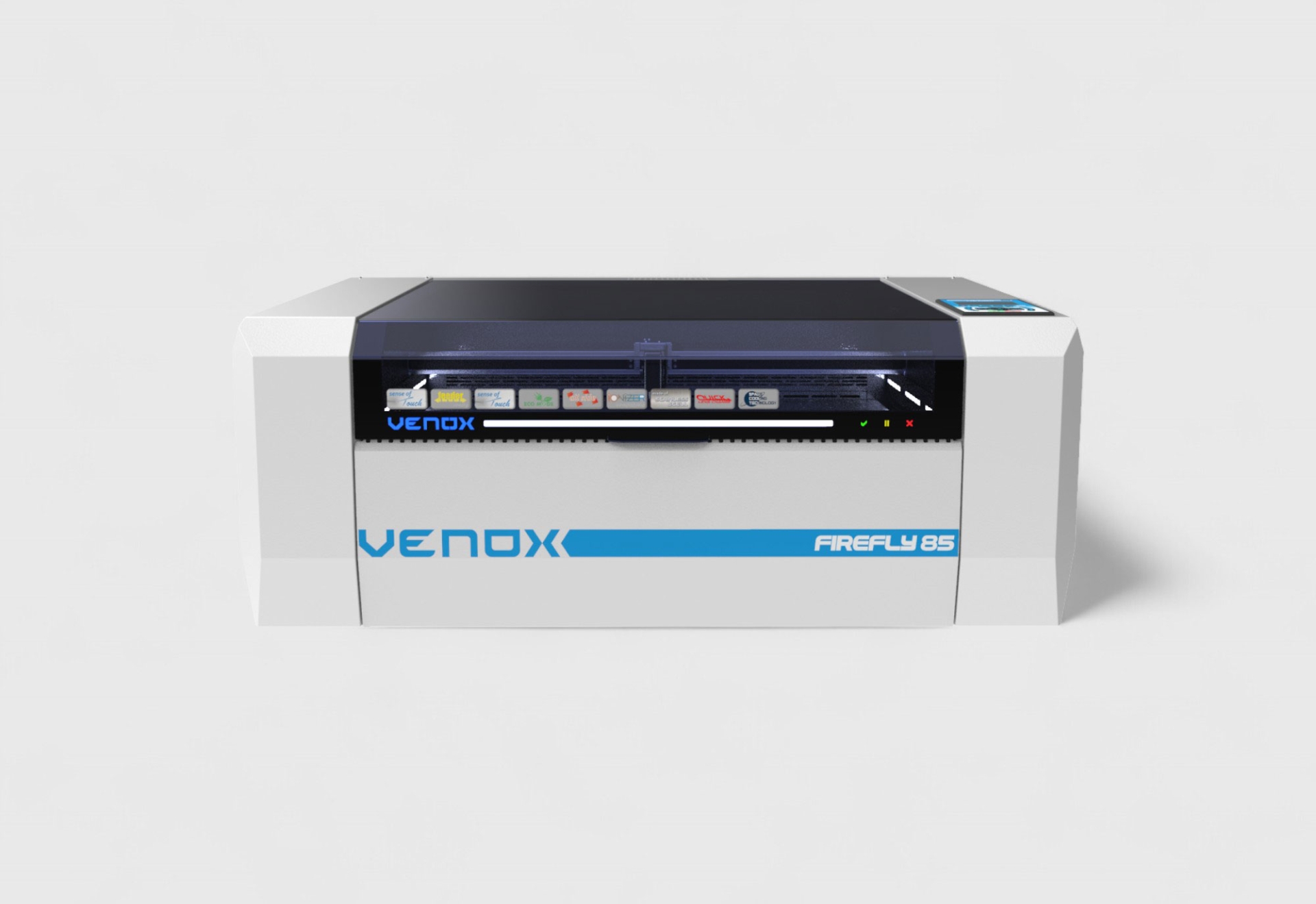
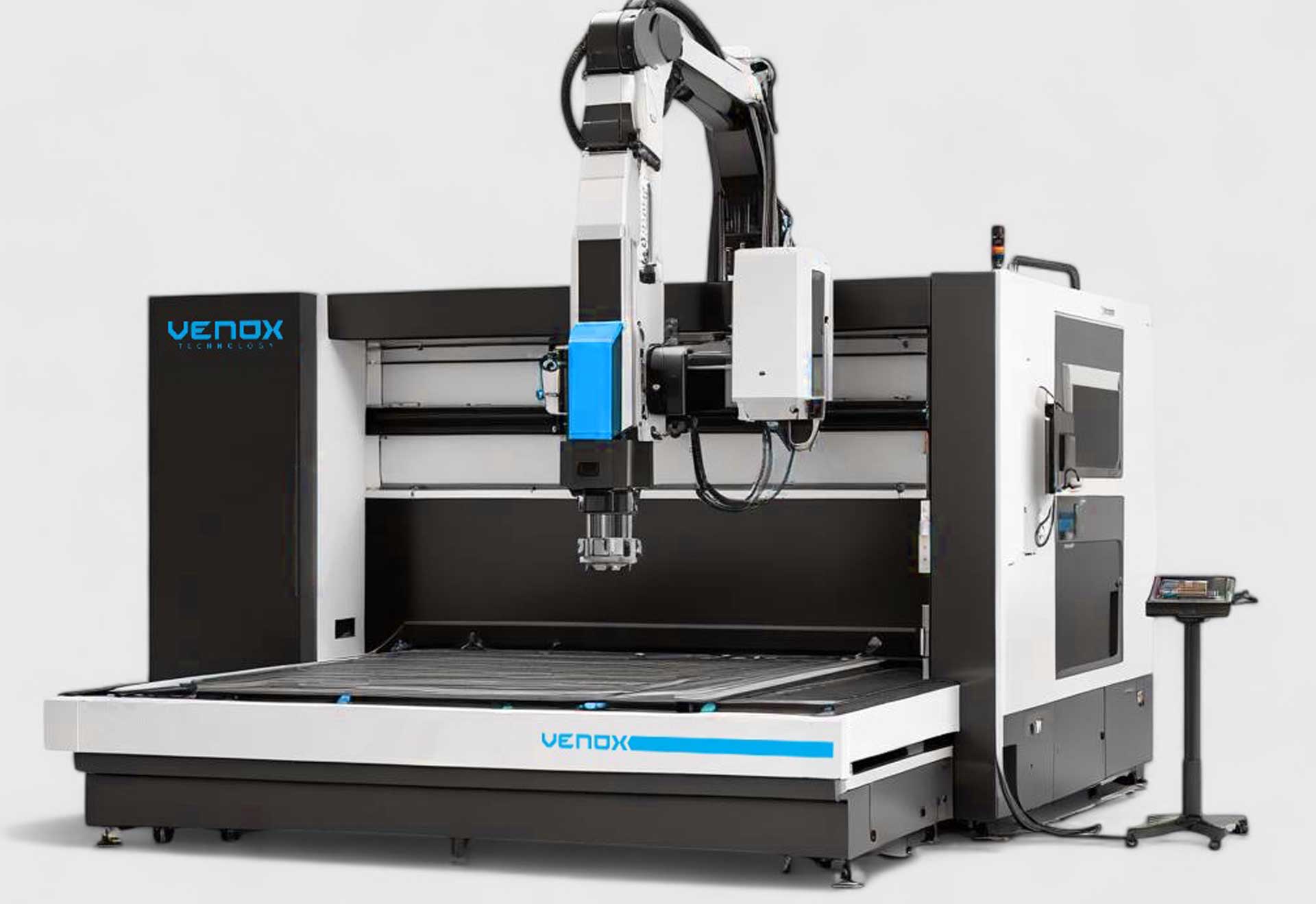
Different marking methods can be used on production lines to create product identification. However, each of these methods delivers different results in terms of permanence, cost, speed, and traceability. Laser marking offers a more sustainable and reliable solution compared to alternatives in many industries. To explore Venox’s laser marking solutions: Laser Marking Machines.
Common Marking Methods Used in Industry
The marking methods used to transfer information onto products vary depending on production volume, material type, and quality expectations. The most common methods are laser marking, inkjet printing, and labeling systems.
Laser marking method
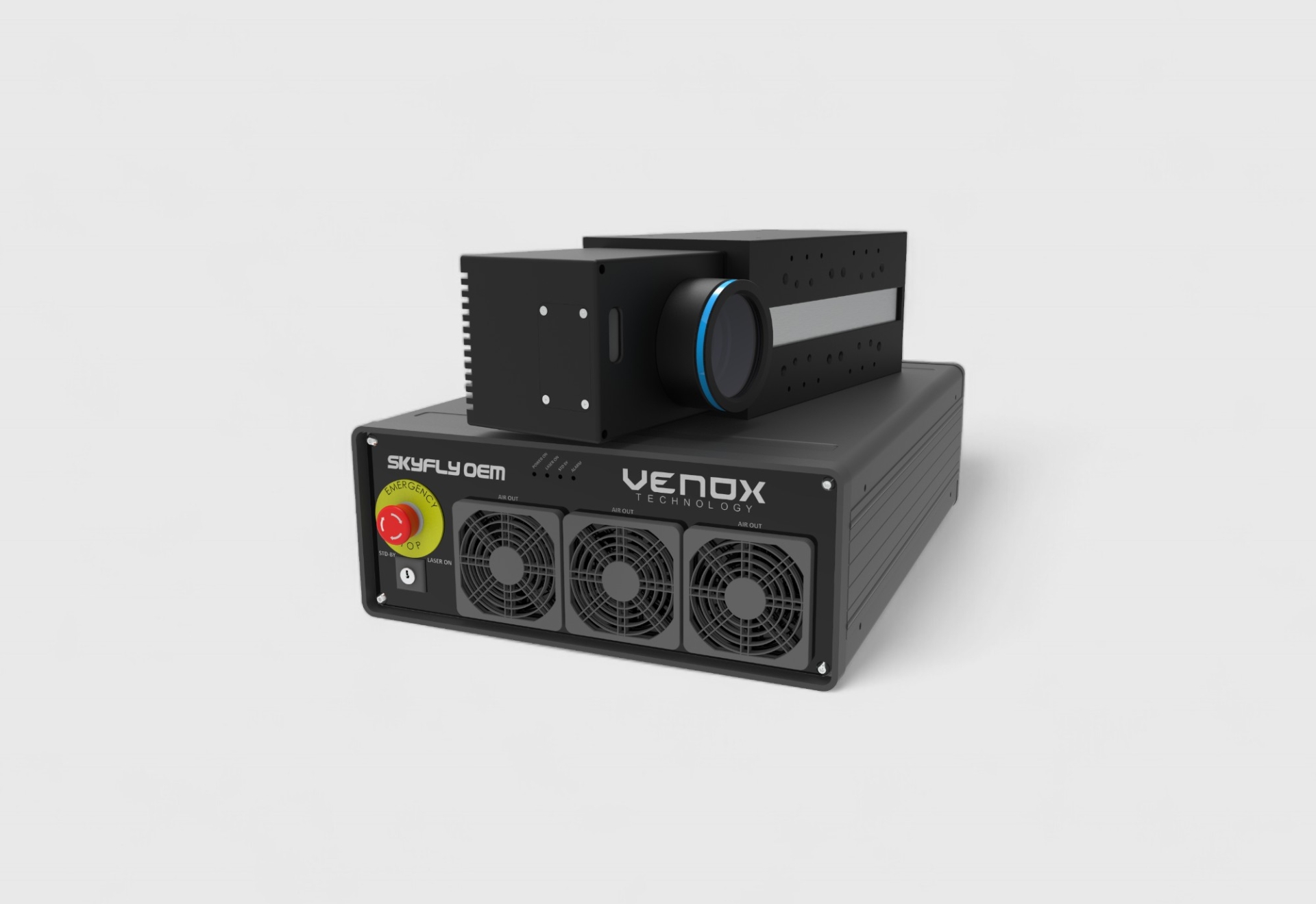
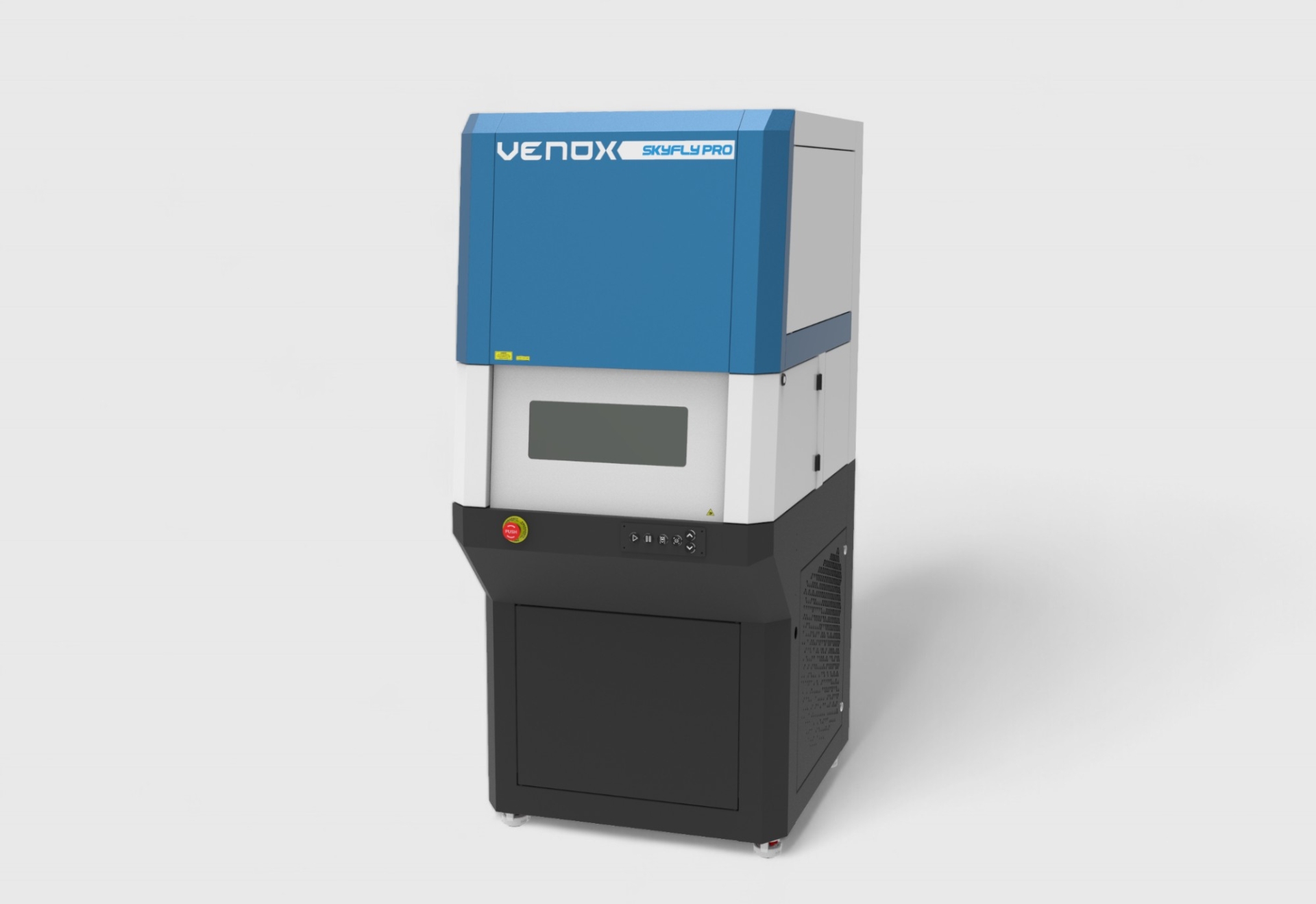
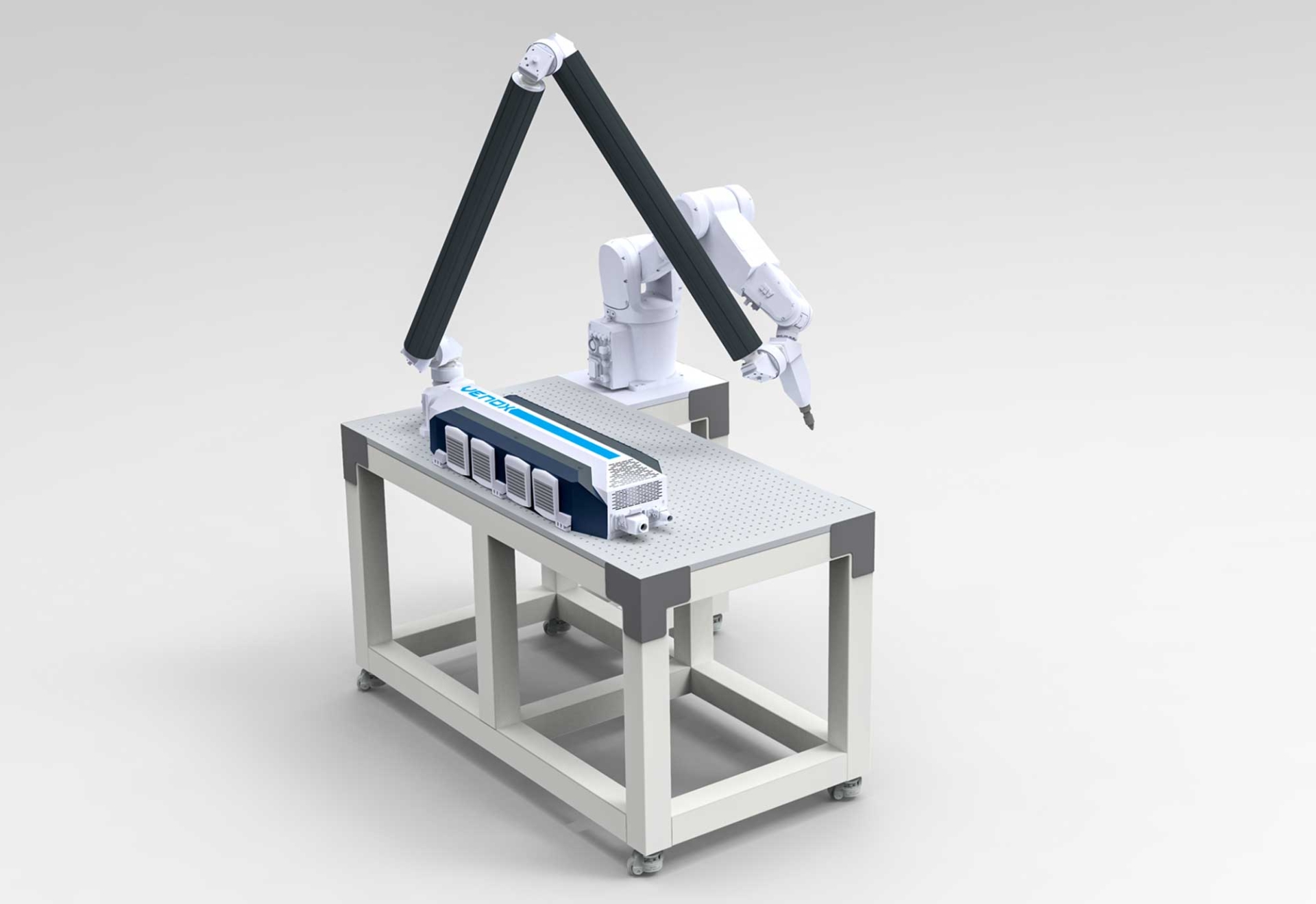
Laser marking creates a permanent change on the surface, ensuring that data such as serial numbers, logos, QR codes, and date information are applied without fading or removal. The absence of chemical or mechanical contact is a key advantage.
Inkjet (ink-based) marking
Inkjet systems stand out with high speed and low initial investment costs. However, ink consumption, maintenance requirements, and the risk of fading over time are significant disadvantages.
Labeling systems
Labeling is a method in which information is applied by attaching a label to the product. The risks of label detachment, wear, or incorrect labeling can create traceability issues.
Mechanical engraving (dot peen) systems
Dot peen marking creates marks on the surface through mechanical impacts. Although it is a permanent method, it has disadvantages such as noise, surface deformation, and limited aesthetic quality.
Technical and Operational Comparison of Marking Methods
Choosing the right marking method is critical not only for today but also for long-term production goals. The following headings clearly highlight the differences between the methods.
Permanence and readability
Laser marking provides high resistance to heat, chemicals, and mechanical stress. Inkjet and labeling systems, on the other hand, carry the risk of fading or detachment over time.
Maintenance and consumable costs
Inkjet and labeling systems require continuous consumables. Laser marking operates without consumables, offering long-term cost advantages.
Compatibility with production speed
High-speed laser systems can operate on mass production lines without causing interruptions. Inkjet systems are competitive in speed, but their quality stability is limited.
Impact on the product surface
Laser marking is a non-contact method and, with correct parameters, can preserve surface integrity. Mechanical methods carry a higher risk of surface deformation.
Traceability and data integration
Laser-marked codes can be directly linked to MES/ERP systems. This provides major advantages in quality management and recall processes.
Total cost of ownership (TCO)
Although the initial investment cost may be higher, laser marking systems are more advantageous in the long term due to their low operating costs.
Environmental impact and sustainability
Laser marking offers an environmentally friendly production approach since it does not use ink or solvents. This is an important factor for sustainability goals.
The advantage of Venox laser marking solutions
Venox compares laser marking systems with alternative methods to determine the most suitable solution for businesses. For long-term quality, traceability, and cost advantages, you can review the Venox laser marking machines page.
Choosing the right marking method requires establishing the correct balance between permanence + cost + traceability.
To determine the most suitable marking method for your production line and clearly see the advantages of laser marking, you can perform a comparative analysis with Venox solutions.
