

Serial Production Efficiency with Industrial Laser Marking
Industrial laser marking is one of the key technologies that provide speed, quality, traceability, and operational efficiency in mass production facilities. The ability to mark serial numbers, barcodes, QR codes, DataMatrix codes, dates, batch information, and technical data on products in a short time contributes to a more organized and controlled production line.
One of the most important considerations in mass production is ensuring that the marking process does not slow down production speed. At the same time, every product must be marked with accurate information and consistent quality. Industrial laser marking, when used in combination with automation systems, can meet both requirements simultaneously.
How Does Industrial Laser Marking Improve Serial Production Efficiency?
High-Speed Marking Can Reduce Cycle Time
Every second matters on mass production lines. A lengthy marking process can reduce the overall capacity of the line and create production bottlenecks. With an application-appropriate laser system and the correct parameters, information such as serial numbers, dates, or codes can be marked in a short time.
When determining marking time, not only the scanning speed of the laser but also the size of the content to be marked, the product surface, code density, and quality expectations should be considered. Proper optimization can establish a balanced relationship between production speed and marking quality.
Automation Integration Reduces Manual Operations
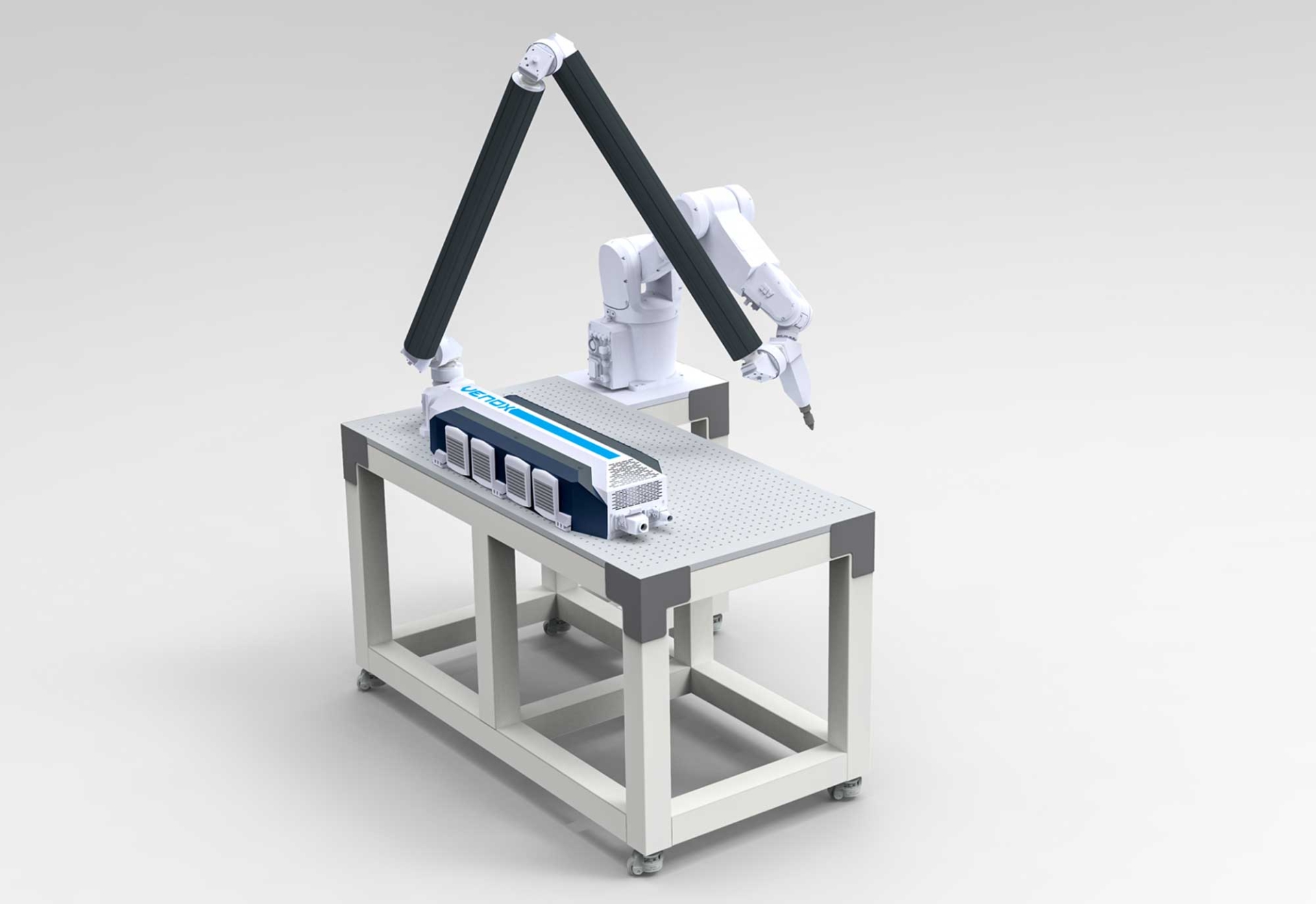
In mass production, manually positioning each product and initiating the marking process can cause time loss. Laser marking systems can operate automatically through integration with conveyors, PLCs, sensors, robotic arms, and camera systems.
When a product reaches the marking area on the production line, it can be detected by a sensor. The system can select the correct marking recipe, initiate the process, and allow the product to proceed to the next stage once marking is completed.
This approach helps maintain a more continuous mass production process by reducing operator intervention.
Variable Data Marking Accelerates Production
In mass production, marking the same information on every product is not always sufficient. Serial numbers, lot information, production dates, or QR code content may differ for each product. With variable data functionality, this information can be updated automatically.
For example, when serial number 000001 is marked on the first product, the number can be automatically incremented for subsequent products. Similarly, the production date or a product code retrieved from a database can be automatically transferred to the marking area.
This helps reduce time loss caused by manual data entry and minimizes the risk of incorrect coding.
Ensures Consistent Marking Quality
In mass production, high-speed marking alone is not sufficient. The first product and the thousandth product must be marked according to the same quality standard. Industrial laser marking systems can provide high repeatability because they operate with digitally defined parameters.
The marking area, font size, laser power, scanning speed, and other parameters can be saved as a product recipe. When the same product is manufactured again, using the stored parameters makes it easier to achieve consistent results.
Automatic Product Tracking with QR Codes and DataMatrix
Serial production efficiency is not measured solely by how quickly a product is manufactured. The ability to accurately track a product throughout the production process is also an important part of efficiency. QR codes and DataMatrix offer effective solutions in this area.
A laser-marked code on a product can be linked to a production tracking system. By scanning the code, a camera or reader system can record which stations the product has passed through, which quality control procedures it has undergone, or which batch it belongs to.
This reduces the need for manually recording production information and creates a more organized data flow.
The Quality Control Process Can Be Automated
After marking, the serial number, barcode, or DataMatrix code on the product can be automatically checked for accuracy. Camera-based machine vision systems or code readers can inspect the marked area and transmit the results to the production system.
If a code is unreadable, incorrect data has been marked, or the marking is incomplete, the product can be automatically rejected. This prevents defective products from proceeding to subsequent stages of production.
Integrating quality control into the marking line both reduces inspection time and helps minimize human oversight.
Consumables Management Becomes Simpler
Marking methods that use ink, labels, ribbons, or solvents require regular replacement and inventory management of consumables. Running out of consumables can cause unexpected downtime on a mass production line.
Laser marking does not require these types of regularly replaced consumables in most applications. This not only provides cost advantages but also contributes to reducing downtime caused by consumable replacement.
Rapid Changeover Between Different Products Is Possible
In facilities where different product models are manufactured on the same production line, product changeover time is an important efficiency criterion. Laser marking systems allow separate recipes to be created and saved for different products.
When a new product enters the line, selecting the appropriate marking file allows the logo, serial number field, code size, and marking parameters to be changed. With automatic product recognition systems, this selection can also be performed without operator intervention.
This feature increases production flexibility, particularly for businesses operating with small batches and a wide variety of products.
What Should Be Considered When Selecting a System for Mass Production?
The capacity of a laser marking system intended for mass production should be evaluated using actual production data. Making a decision based solely on laser power or maximum speed specifications is not appropriate.
- Daily and hourly production quantities should be calculated.
- The target marking time per part should be determined.
- The material and surface characteristics to be marked should be analyzed.
- Serial number and variable data requirements should be evaluated.
- QR code and DataMatrix readability should be tested.
- Conveyor, PLC, and robot integration should be planned.
- The need for camera-based or automatic quality control should be determined.
- Product changeover times should be taken into account.
- Maintenance and technical service support should be evaluated.
Conducting sample tests on actual products before starting production allows both marking quality and cycle time to be evaluated together.
Laser Marking Solutions for Mass Production with Venox
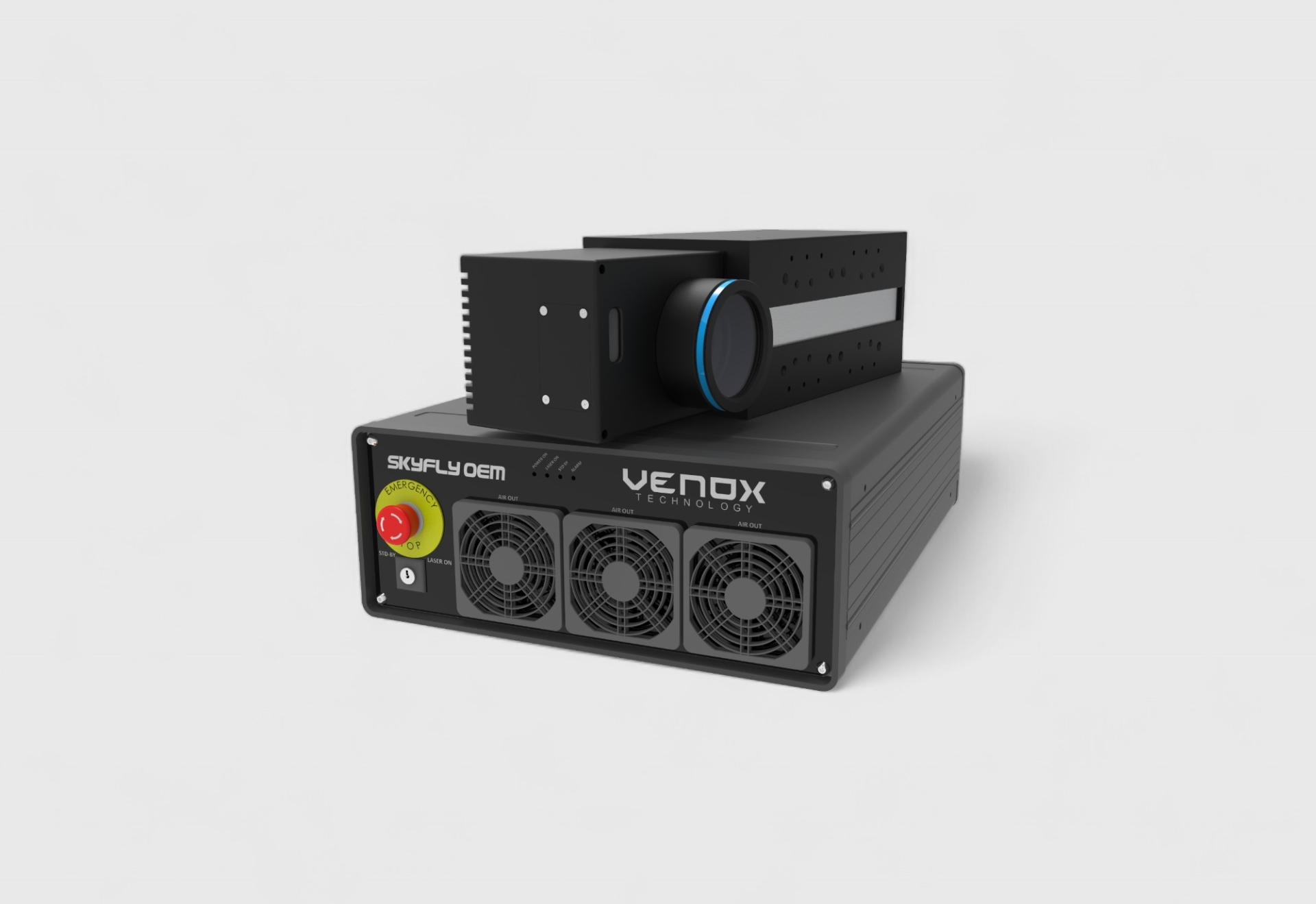
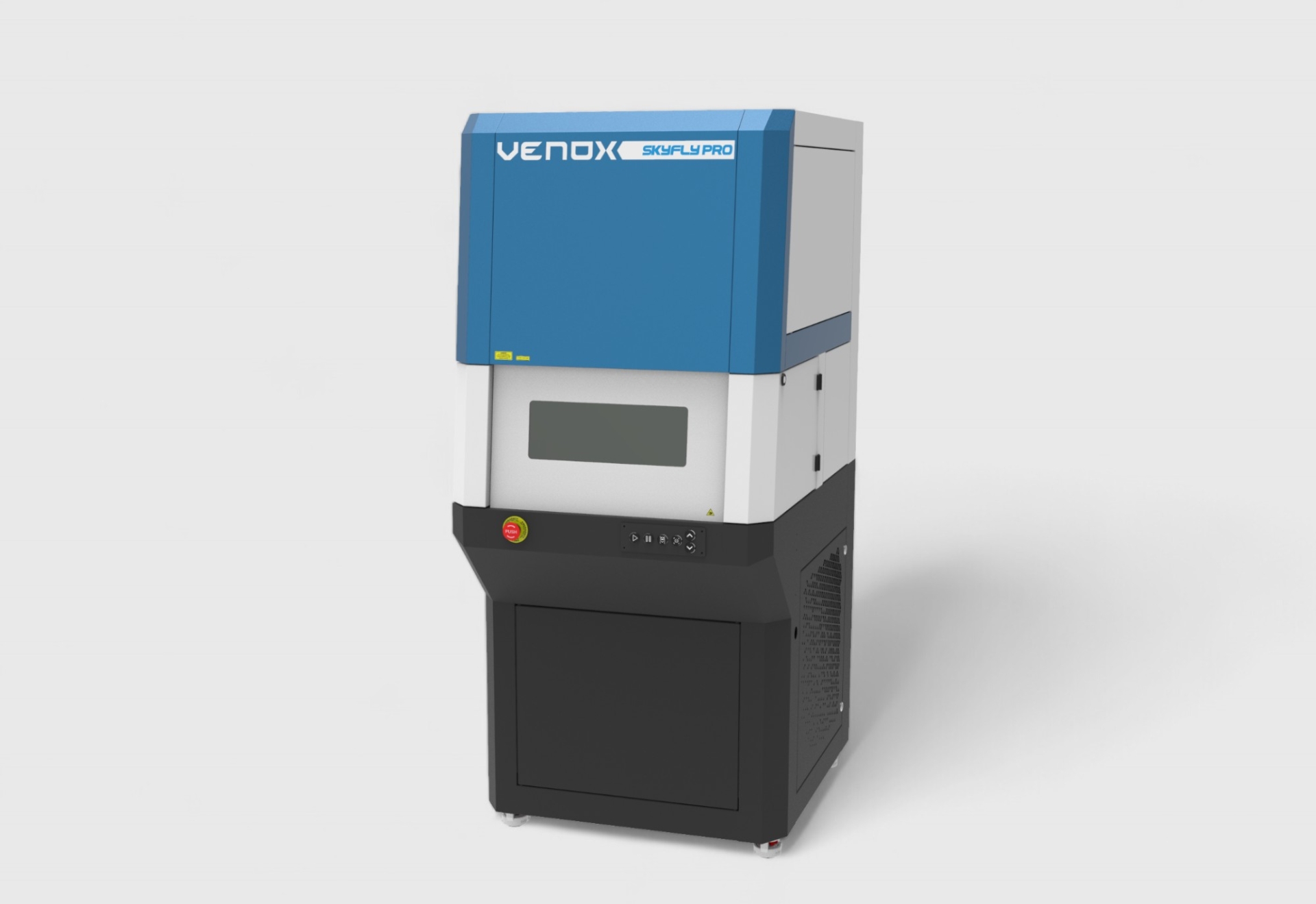
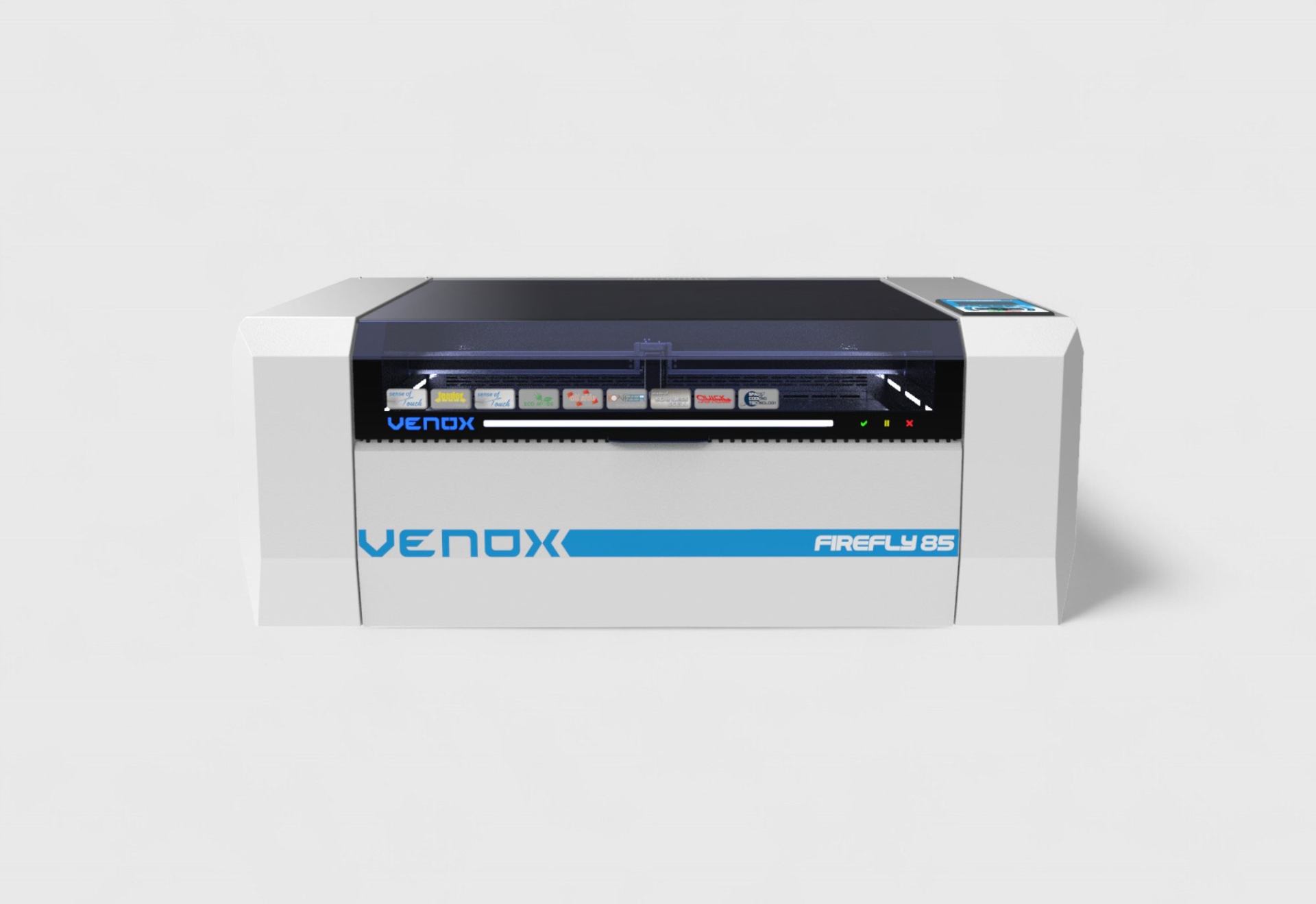
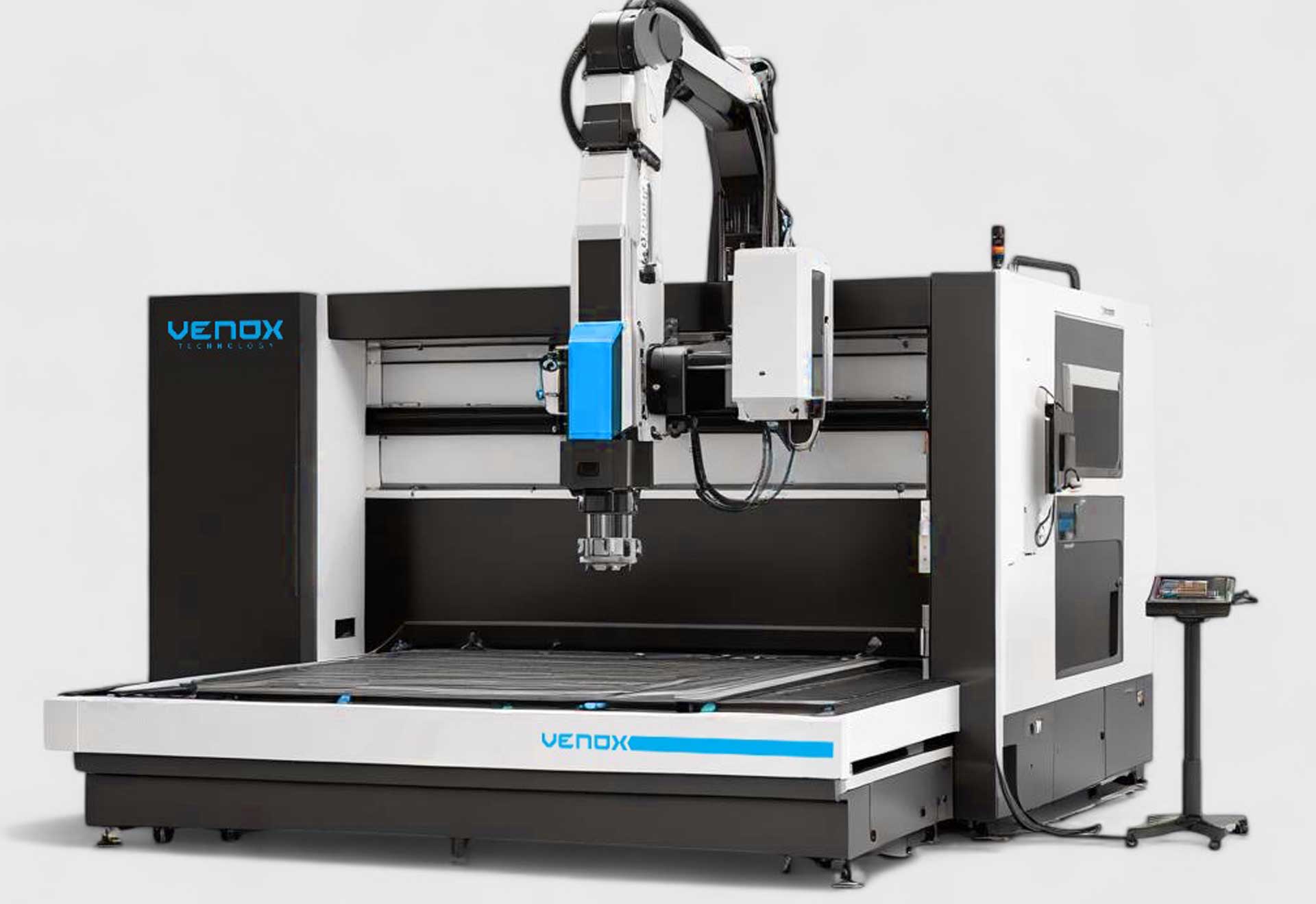
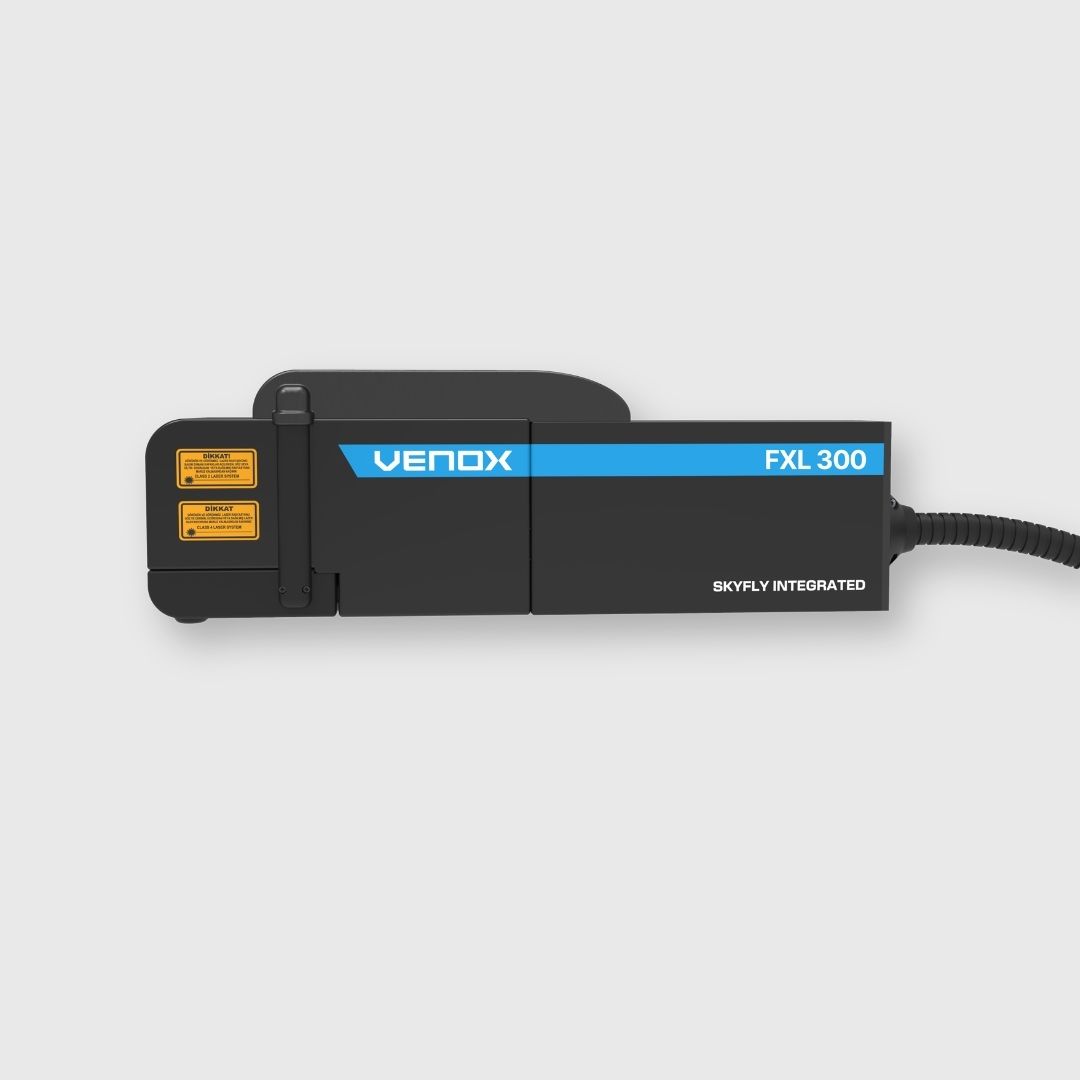
Venox offers Laser Marking Machines designed to meet the speed, quality, and traceability requirements of mass production facilities. The appropriate system can be configured by evaluating the product material, production volume, marking time, and automation requirements together.
To automatically mark serial numbers, barcodes, QR codes, DataMatrix codes, dates, or various types of variable data on your production line, you can discuss your application with the Venox team. For sample testing, system selection, or quotation requests, you can contact us through the Contact Us page.
A properly configured industrial laser marking system can combine high production speed, consistent marking quality, and product traceability within the same process. This approach helps strengthen both operational efficiency and quality standards in mass production.
Frequently Asked Questions
Is industrial laser marking suitable for mass production?
Yes. Properly configured laser marking systems can be used in high-volume mass production and integrated into automated production lines.
Does laser marking slow down the production line?
When the system capacity is selected according to production speed, the marking process can be synchronized with the production line. Conducting cycle time tests on actual products is important.
Can different serial numbers be automatically marked on each product?
Yes. With variable data functionality, different serial numbers, dates, lot codes, or QR code content can be automatically marked on each product.
Can codes be automatically inspected after marking?
Yes. QR code, barcode, or DataMatrix readability can be automatically verified using cameras and code reader systems.
Does Venox offer laser marking solutions for mass production?
To explore Venox solutions for mass production, visit the Laser Marking Machinescontact page to discuss a suitable system for your production line.
