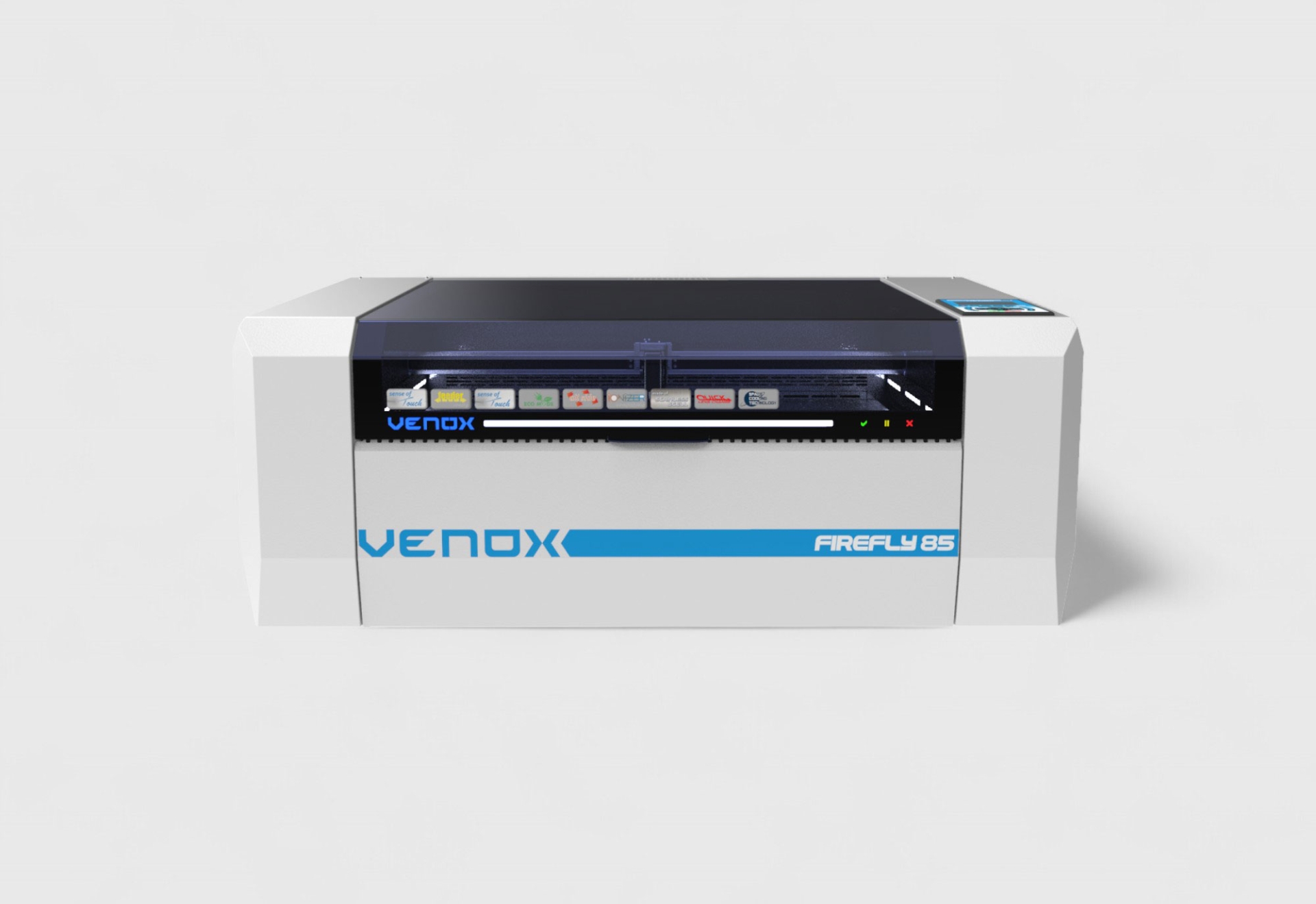
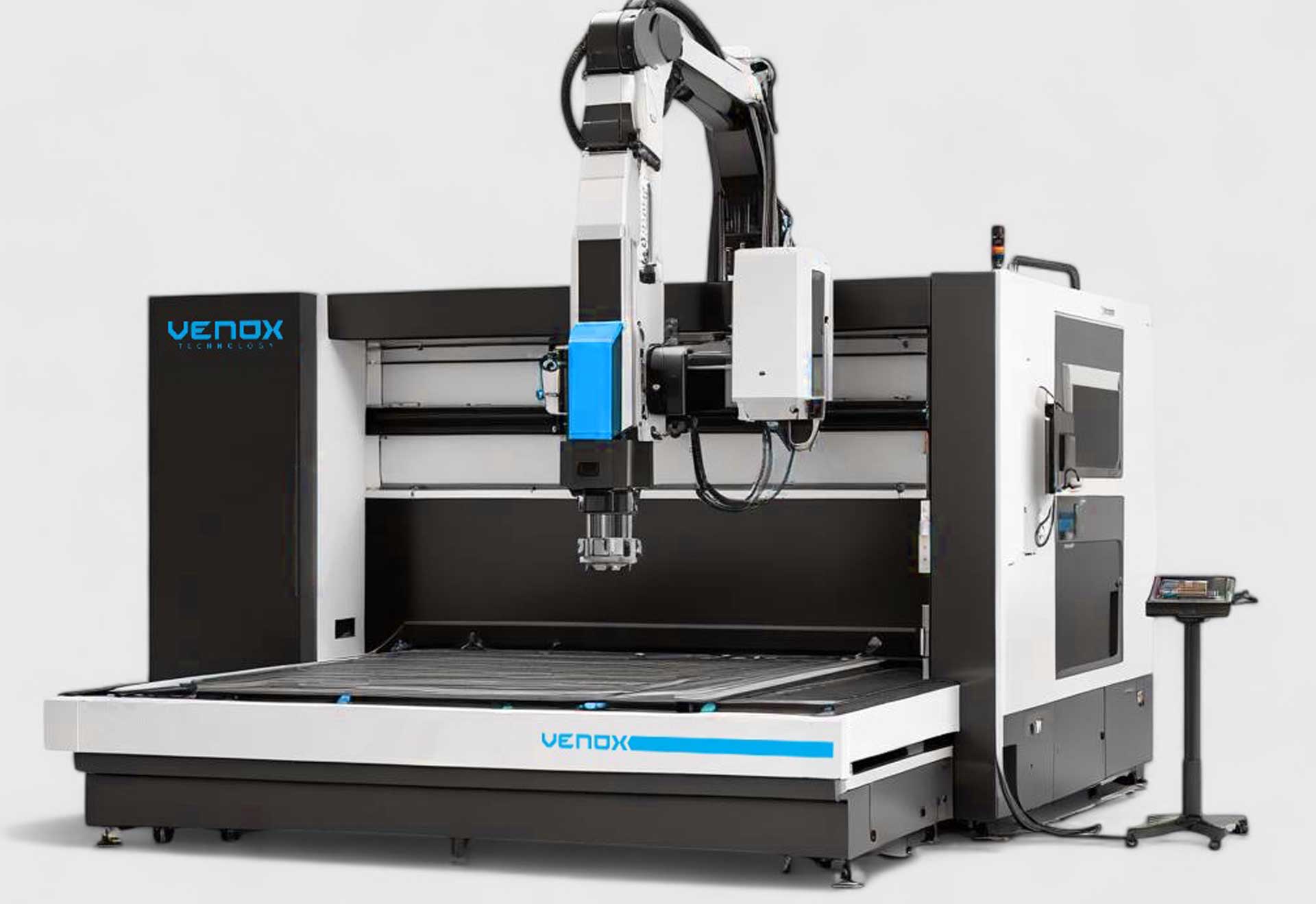


Laser marking machines are one of the key technologies that provide speed, quality, and repeatability in industrial production. The ability to process serial numbers, barcodes, QR codes, DataMatrix codes, production dates, logos, and technical information onto product surfaces quickly and with high precision helps make production processes more efficient.
In today’s production environments, producing quickly alone is not enough. Products must also be marked accurately, legibly, and with consistent quality. For this reason, the laser marking machine stands out as a strategic solution that supports quality control and traceability processes while maintaining production speed.
How Can Speed and Quality in Production Be Increased with a Laser Marking Machine?
Fast Marking Supports Production Flow
In mass-production environments, the marking process must not create a bottleneck in the production line. Laser marking technology can operate at high speeds with the appropriate system and correct parameters. In particular, the ability to process information such as serial numbers, dates, logos, or codes within seconds shortens the production cycle time.
Traditional marking methods may require additional operations such as preparing labels, replenishing ink, or changing printing plates. In laser marking systems, however, the information is prepared digitally and processed directly onto the product surface. This structure makes production changeovers faster.
Provides Repeatable Marking Quality
Quality in production is not measured only by whether the first product is marked correctly. The same marking quality must be maintained across hundreds or thousands of products. A laser marking machine offers high repeatability thanks to its computer-controlled operating structure.
Logo position, serial number area, font size, QR code dimensions, and other marking parameters can be saved. This allows similar results to be achieved when the same product recipe is used again. This helps reduce operator-related variability and maintain consistent quality standards.
High Precision Provides an Advantage for Small Details
One of the key advantages of laser technology is its ability to process very small and detailed information. Micro text, fine lines, small DataMatrix codes, or detailed logos can be marked with high precision.
Especially in electronics, medical, automotive, and technical component manufacturing, the available area on the product surface may be limited. In such cases, readable data must be processed within a small area. A laser marking machine meets this requirement and provides greater flexibility in product design.
Variable Data Speeds Up Mass Production
In mass production, the same information may not be marked on every product. Serial numbers, production dates, batch codes, or QR code content may vary from one product to another. Laser marking software can automatically update this information through its variable data processing feature.
For example, an incrementing serial number can be assigned to each product, or different lot information can be marked according to the production date. This eliminates the need for the operator to manually enter data for each product. This structure both speeds up production and helps reduce data entry errors.
Automation Integration Enables an Uninterrupted Process
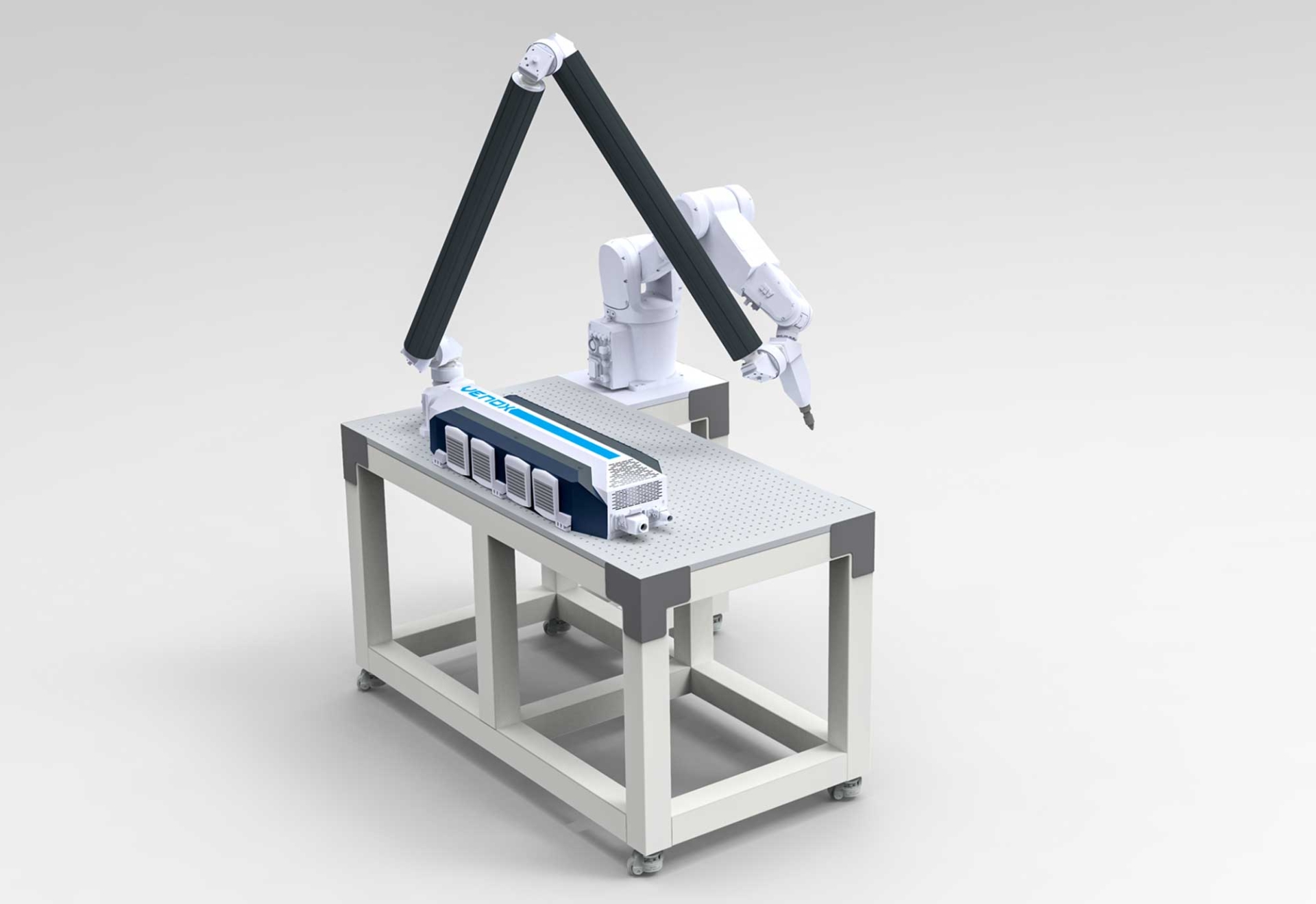
A laser marking machine can be used independently on a production line or can operate as an integrated part of automation systems. Integration with equipment such as conveyors, robotic arms, PLCs, camera systems, sensors, and barcode readers allows the marking process to be automated.
When the product reaches the correct position on the production line, it can be detected by a sensor, the system can select the relevant data, and the marking process can be carried out automatically. Afterwards, a camera or reader system can inspect the marked code and allow the product to proceed to the next stage.
This structure reduces cycle times, especially in high-volume production, and decreases errors caused by human intervention.
Reduced Consumable Requirements Increase Production Continuity
In systems that use labels, ink, solvents, or ribbons, production may stop when consumables run out. Stocking, replacing, and regularly monitoring these consumables also requires additional operations.
In most applications, the laser marking process does not require these types of consumables. This not only provides a cost advantage but also supports production continuity. Fewer consumable replacements mean less downtime and more consistent production.
Strengthens Quality Control Processes
Quality control must not be neglected while maintaining high production speeds. Serial numbers, QR codes, or DataMatrix codes created with a laser marking machine can be read by quality control systems. This makes it possible to automatically verify whether the marking has been applied correctly.
If a code is incomplete, incorrect, or unreadable, the system can separate the product or issue a warning to the operator. This helps prevent incorrectly marked products from proceeding to subsequent production stages or shipment.
The ability to manage production speed and quality control together provides an important efficiency advantage in modern manufacturing facilities.
Provides Production Flexibility Across Different Materials
Laser marking technology can be used on different materials with the correct laser source and parameters. The ability to mark metals, plastics, glass, ceramics, coated surfaces, and certain organic materials helps businesses manage different product groups using the same technological approach.
- Serial number marking on stainless steel
- QR code and logo processing on aluminum
- Model code and date marking on plastic parts
- Small character processing on electronic components
- Creating traceability codes on medical products
- High-contrast marking on coated surfaces
The ability to store different product recipes in the system reduces setup time during product changeovers. This enables more flexible operation, from small-batch production to high-volume manufacturing.
The Right System Selection Determines Production Performance
Simply having laser marking technology is not enough to achieve fast and high-quality production. A system suitable for the application must be selected. The material to be marked, laser source, power level, marking area, product geometry, and production speed should all be evaluated together.
- The type of material to be marked should be analyzed.
- The target marking time per part should be determined.
- The marking area and product position should be calculated.
- QR code and DataMatrix readability should be tested.
- The need for automation integration should be determined.
- Product changeover times should be taken into consideration.
- Technical service and after-sales support should be evaluated.
Test marking performed on the actual product allows marking quality and processing time to be evaluated together. This helps increase production speed without compromising quality criteria.
Fast and High-Quality Laser Marking Solutions with Venox
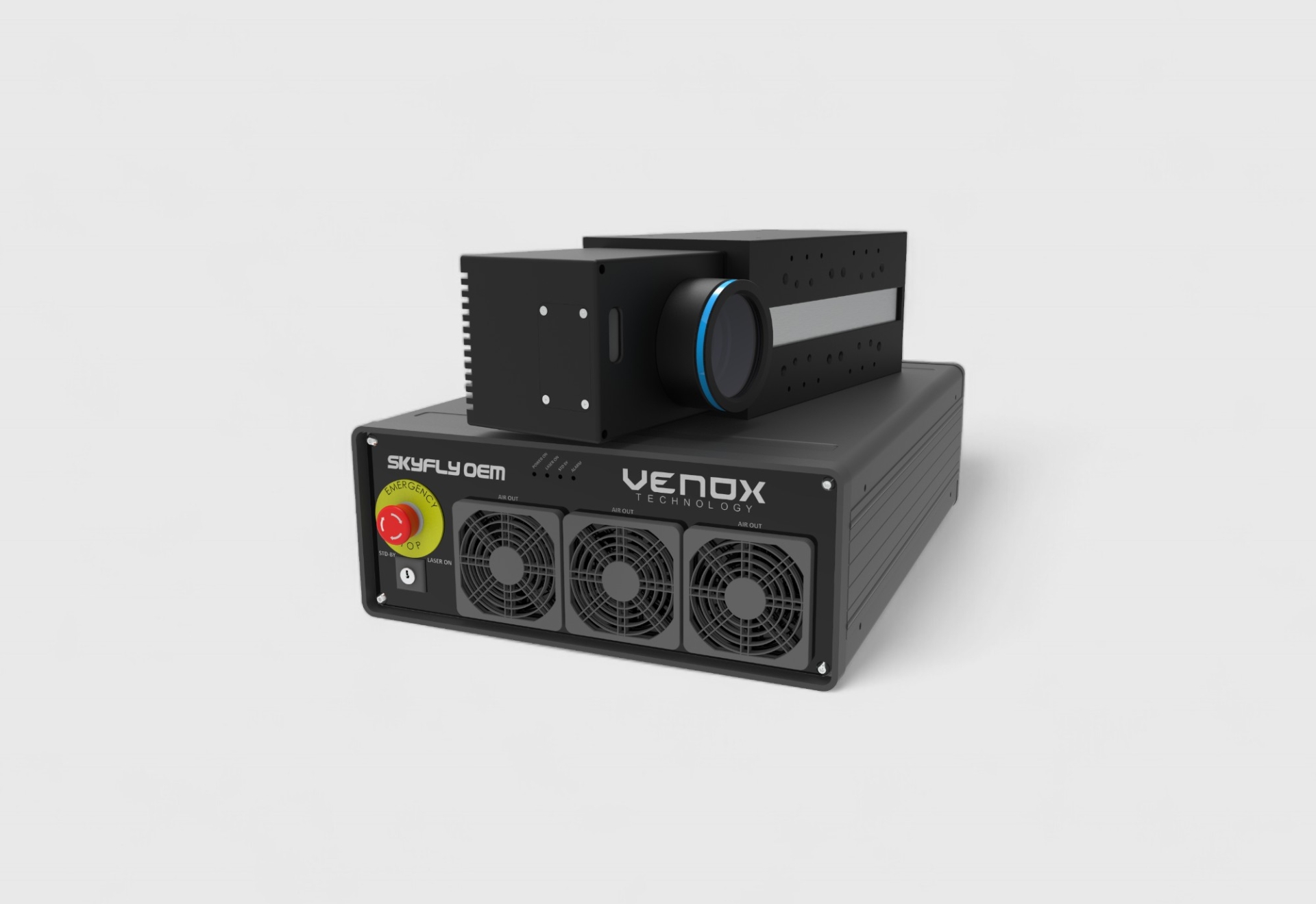
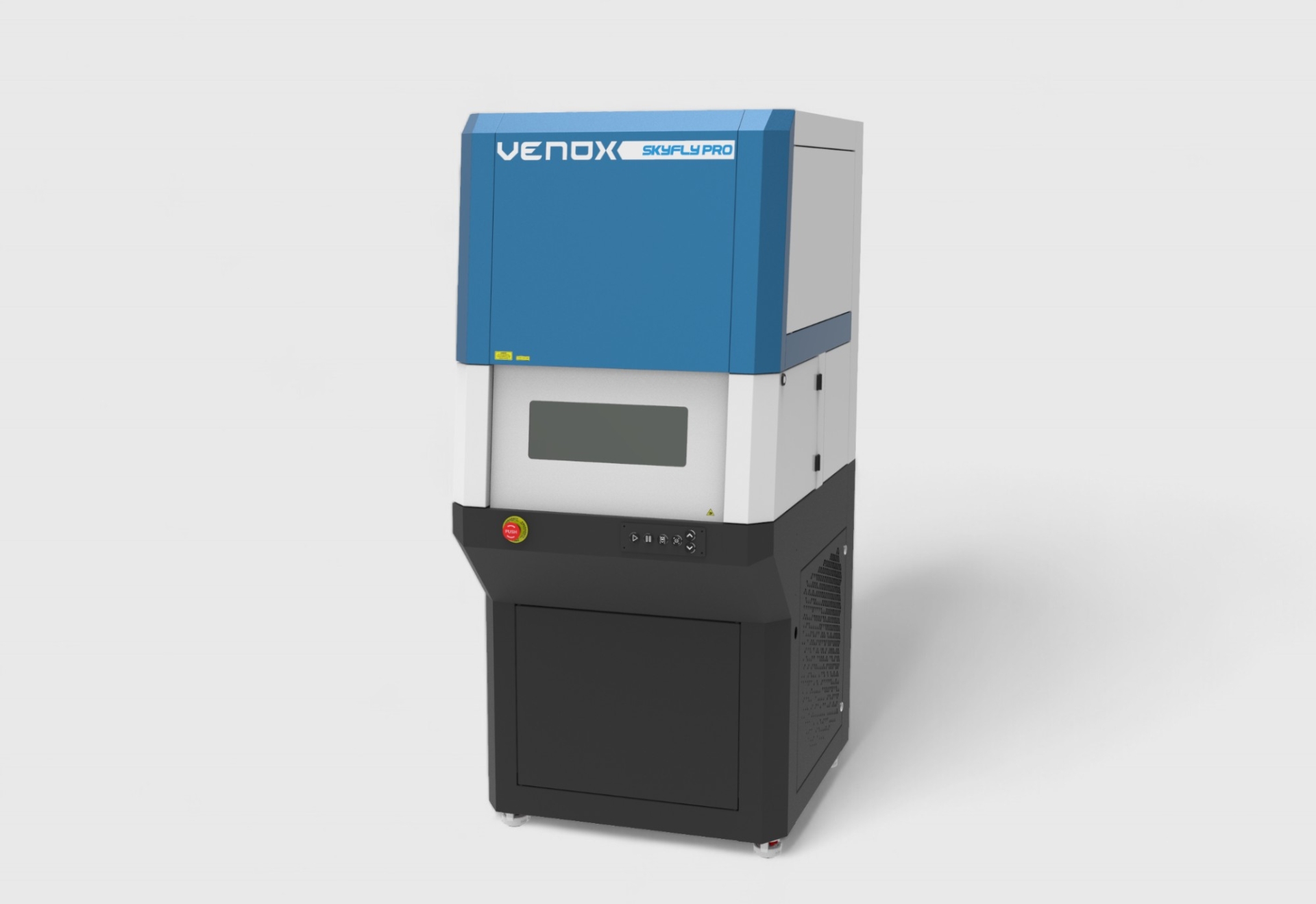
Venox offers Laser Marking Machines solutions for different production requirements. The product material, production capacity, marking content, cycle time, and automation expectations can be evaluated together to create the appropriate system.
You can benefit from Venox laser technologies to accelerate your serial number, QR code, DataMatrix code, logo, or date marking processes and achieve consistent quality in production. To evaluate your application, perform testing on a sample, or request a quotation, you can contact the Venox team via the Contact Us page.
A properly configured laser marking machine helps increase production speed while maintaining marking quality. Thanks to repeatability, automation compatibility, variable data capability, and low consumable requirements, laser marking is a powerful solution for businesses aiming for fast and high-quality production.
Frequently Asked Questions
Does a laser marking machine increase production speed?
Yes. With the appropriate system and correct parameters, the laser marking process can be completed within a short period of time. With automation integration, products can also be marked continuously without interruption.
Is laser marking suitable for mass production?
Yes. Laser marking machines can be used in high-volume mass production and can be integrated with conveyors, PLCs, robotic systems, or camera solutions.
Does fast marking reduce quality?
When the correct laser source, parameters, and optical configuration are used, an appropriate balance between speed and quality can be achieved. Test marking on the actual product helps determine this balance.
Can a different serial number be automatically marked on each product?
Yes. Thanks to the variable data feature, serial numbers, dates, batch codes, or different QR code contents can be automatically generated and marked on products.
Does Venox offer laser marking solutions for high-speed production?
To explore Venox’s laser marking solutions for industrial production, you can visit the Laser Marking Machines page or contact the Venox team regarding your application through the contact page.
