
Fiber, CO₂, and UV Laser Marking Machines: Technical Comparison and Application Guide
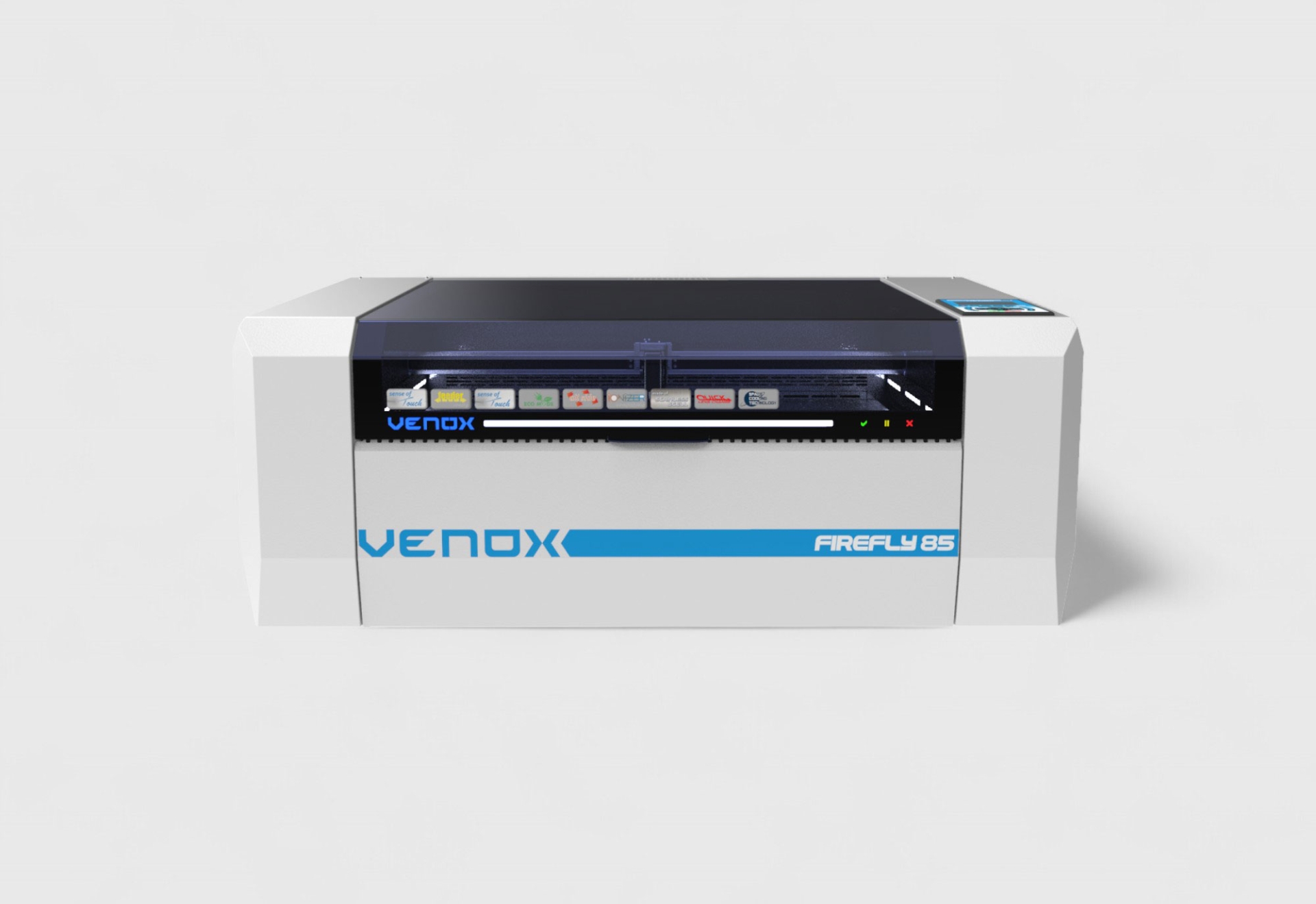
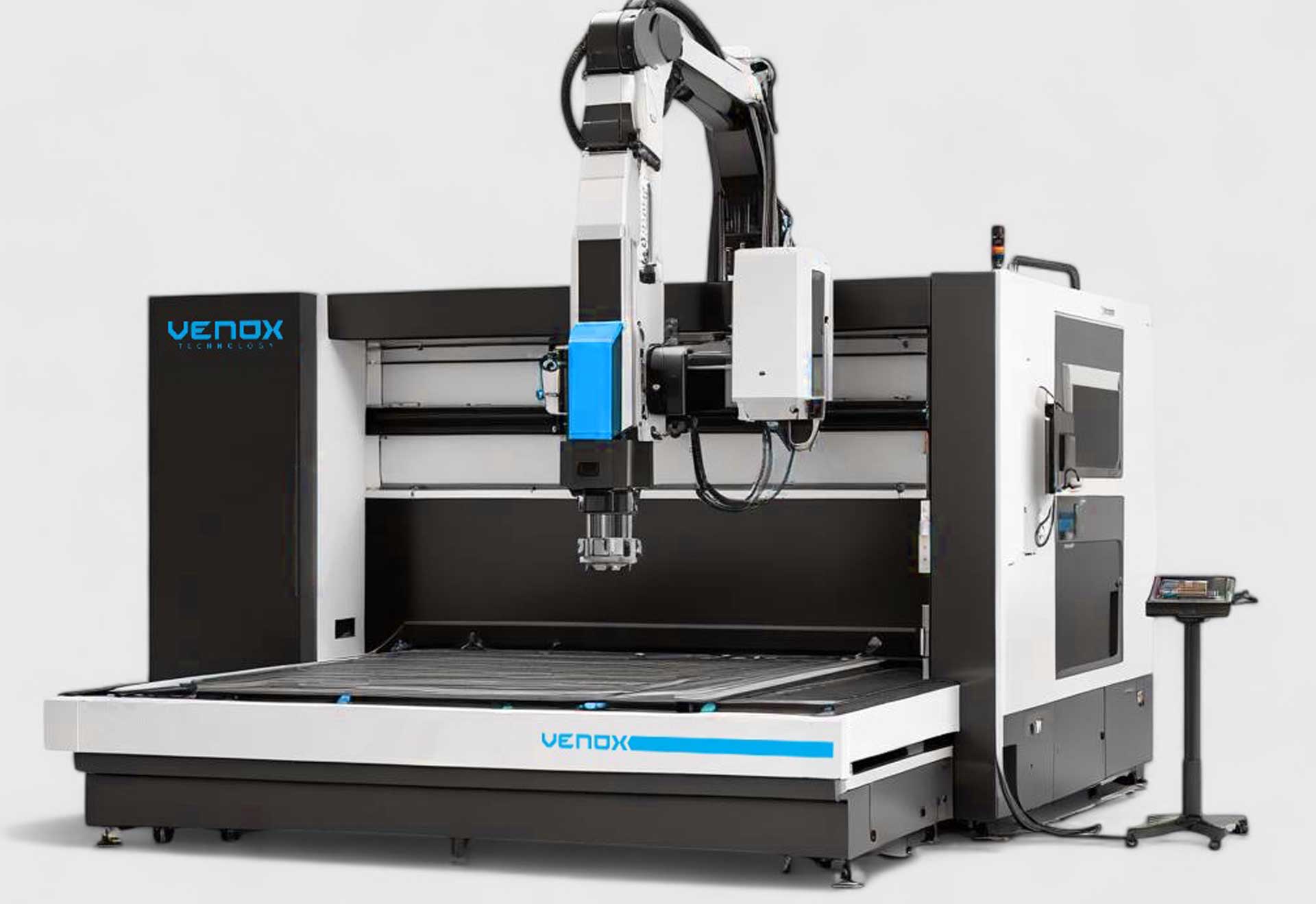
When planning a laser marking investment, one of the most critical steps is accurately comparing fiber, CO₂, and UV laser technologies from a technical perspective. Each technology offers distinct advantages in terms of wavelength, material interaction, speed, and thermal impact. This content has been prepared as a technical comparison guide to help you choose the right technology. For Venox solutions: Laser Marking Machines.
Technical Fundamentals of Laser Marking Technologies
The primary difference between laser marking systems lies in the wavelength used and how the laser beam is absorbed by the material. This difference directly affects marking quality and application success.
Fiber laser marking machines
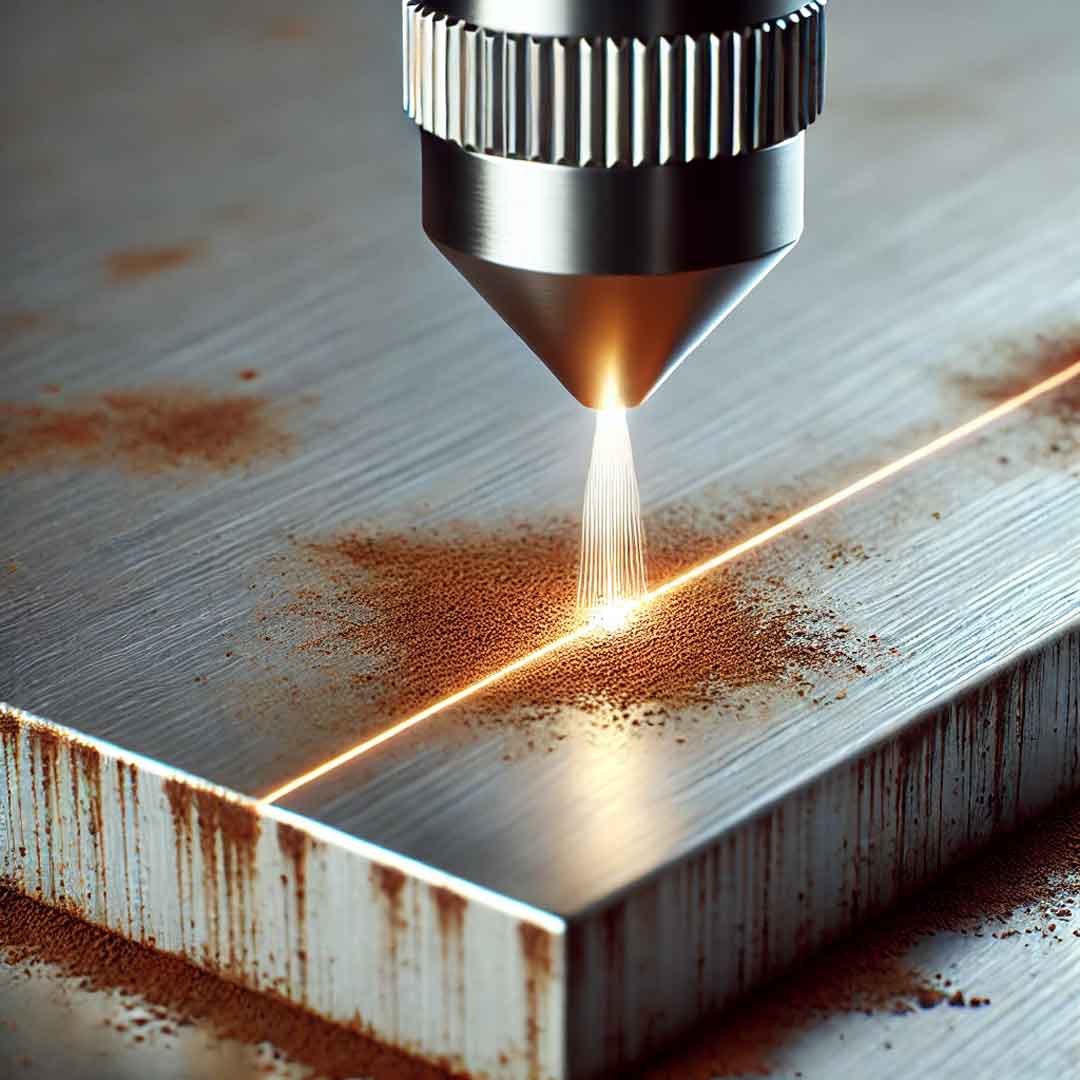
Fiber lasers typically operate at a wavelength of 1064 nm. Because this wavelength is highly absorbed by metals, fiber lasers provide high-contrast and high-speed marking on stainless steel, aluminum, and alloys.
CO₂ laser marking machines
CO₂ lasers have a wavelength of 10.6 µm. They are effective on organic and non-metal materials, delivering clear but surface-level marking on wood, glass, leather, cardboard, and certain types of plastics.
UV laser marking machines
Thanks to their short wavelength (355 nm), UV lasers create a “cold marking” effect. Thermal impact is minimized, making them the preferred choice for sensitive plastics and electronic components.
Thermal impact and surface integrity
Thermal effects are more pronounced in fiber and CO₂ lasers. UV laser systems, on the other hand, minimize surface deformation and offer advantages in micro and aesthetic applications.
Speed and suitability for mass production
Due to their high speed, fiber laser systems are the most commonly preferred technology in mass production lines. CO₂ and UV lasers are more often used for specialized applications.
Fiber – CO₂ – UV Laser Comparison Table
Technical and operational comparison
| Feature | Fiber Laser | CO₂ Laser | UV Laser |
|---|---|---|---|
| Wavelength | 1064 nm | 10.6 µm | 355 nm |
| Suitable Materials | Metals, alloys | Wood, glass, plastics | Sensitive plastics, electronics |
| Thermal Impact | Medium | High | Very low |
| Marking Speed | Very high | Medium | Low – Medium |
| Durability | Very high | Medium | High |
| Suitability for Mass Production | Very suitable | Suitable | Limited |
| Typical Applications | Automotive, machinery | Packaging, promotional products | Medical, electronics |
Which technology is right for you?
For metal-focused and high-volume production, fiber laser is the most appropriate choice. For organic and non-metal surfaces, CO₂ laser offers advantages. For sensitive and micro-scale applications, UV laser should be preferred.
Choosing the right technology with Venox
Venox offers fiber, CO₂, and UV laser marking machines based on application-specific analysis. Investment risks are minimized through sample testing and technical consultancy. For a detailed review, visit the Venox laser marking machines page.
The selection of laser marking technology should be made by balancing material + speed + quality expectations.
To make a clear decision between fiber, CO₂, or UV laser marking machines and determine the most suitable system for your operation, you can receive technical support from Venox experts.
