

Which Industries Are Industrial Laser Marking Systems Suitable For?
Industrial laser marking systems can be used in many industries where permanent identification of products and components is required. Serial numbers, barcodes, QR codes, DataMatrix codes, lot information, production dates, logos, and technical data can be marked onto different surfaces using laser technology.
The main reasons laser marking is preferred across different industries include contactless operation, high precision, variable data processing, automation integration, and support for product traceability. However, since each industry has different material requirements, cycle times, and marking expectations, system selection should be tailored to the specific application.
Main Industries Using Industrial Laser Marking Systems
Automotive Industry and Suppliers
The automotive industry is one of the sectors where product traceability is most important. Engine parts, chassis components, fasteners, plastic parts, and various technical components can be identified using laser marking.
Serial numbers, DataMatrix codes, lot information, or production codes can be marked directly onto products. By linking this information to the production system, it is possible to track which production line manufactured the component, when it was produced, and under which production conditions.
Due to high production volumes, integrating laser marking systems with PLCs, conveyors, and camera systems is also important in automotive applications.
Machinery and Equipment Manufacturing
In machinery manufacturing, components need to be technically identified and traceable over many years. Model numbers, serial numbers, technical specifications, production dates, and company logos can be laser-marked onto machine or equipment surfaces.
Permanent marking helps provide faster access to product-related technical information during maintenance and service processes. Preserving product identification is particularly important for industrial machinery with a long service life.
Laser marking can be widely used on metal housings, plates, connecting components, and various technical parts.
Metalworking Industry
Stainless steel, aluminum, carbon steel, brass, and various metal alloys are among the most common materials used in laser marking applications.
Serial numbers, logos, product codes, QR codes, or DataMatrix codes can be marked onto metal components. This method can reduce the use of labels and allows products to be identified directly on their surfaces.
Fiber laser systems are frequently preferred in the metalworking industry due to requirements for high contrast, precision, and durability.
Electrical and Electronics Industry
Marking areas on electronic components are often very small. Small text, symbols, serial numbers, and DataMatrix codes must be marked with high precision.
Electrical panels, circuit components, electronic enclosures, connectors, and various technical parts can be laser-marked.
It is important to select the appropriate laser technology for heat-sensitive plastics and electronic surfaces. In some applications, solutions with lower thermal impact, such as UV lasers, may be considered.
Medical Device and Equipment Manufacturing
Product identification and traceability are critically important in the medical industry. Surgical instruments, implant components, medical device parts, and various technical products can be identified using laser marking.
Serial numbers, DataMatrix codes, and technical information can be marked onto products, allowing their production and quality histories to be tracked.
In medical applications, process parameters must be carefully determined to ensure that marking does not negatively affect the surface structure, cleanability, or functionality of the product.
Defense and Aerospace Industries
In the defense and aerospace industries, component identification, quality control, and production history are of great importance. Permanent serial numbers, DataMatrix codes, lot information, and technical codes can be marked on metal and other technical components.
The production batch from which a product originated and the quality inspections it underwent can be linked to digital records.
Requirements for high precision, long-term readability, and traceability make laser marking systems an important solution in these industries.
Plastic Injection Molding and Plastic Component Manufacturing
Plastic components are used in many industries, from automotive to electronics. Product codes, logos, serial numbers, or technical symbols can be laser-marked onto these components.
The response of plastics to the laser beam may vary depending on the polymer type, color, and additives. Even within the same type of plastic, different manufacturing formulations can produce different marking results.
Therefore, it is important to perform sample testing on actual plastic components before selecting a system.
Home Appliances and Durable Consumer Goods
In the home appliance industry, identifying metal and plastic components is important for production tracking and service processes.
Product codes, serial numbers, dates, and various technical information can be laser-marked directly onto components. This establishes a connection between the component on the production line and its digital record.
In high-volume manufacturing, integrating the laser system into an automated production line helps maintain the required cycle time.
Packaging, Packing, and Product Coding
Laser technology can be used to mark dates, lot numbers, product codes, or other information on suitable packaging materials.
Particularly on high-speed production lines, automatically generating variable data and synchronizing it with the production system provides significant advantages.
Depending on the material properties of the application, CO2, fiber, or other laser technologies may be considered. Testing on actual packaging samples is important for selecting the appropriate system.
Industry-Specific Laser Marking Systems with Venox
Using the same laser marking system for every industry may not be appropriate. The material to be marked, product geometry, production speed, code type, marking area, and automation requirements should be evaluated together.
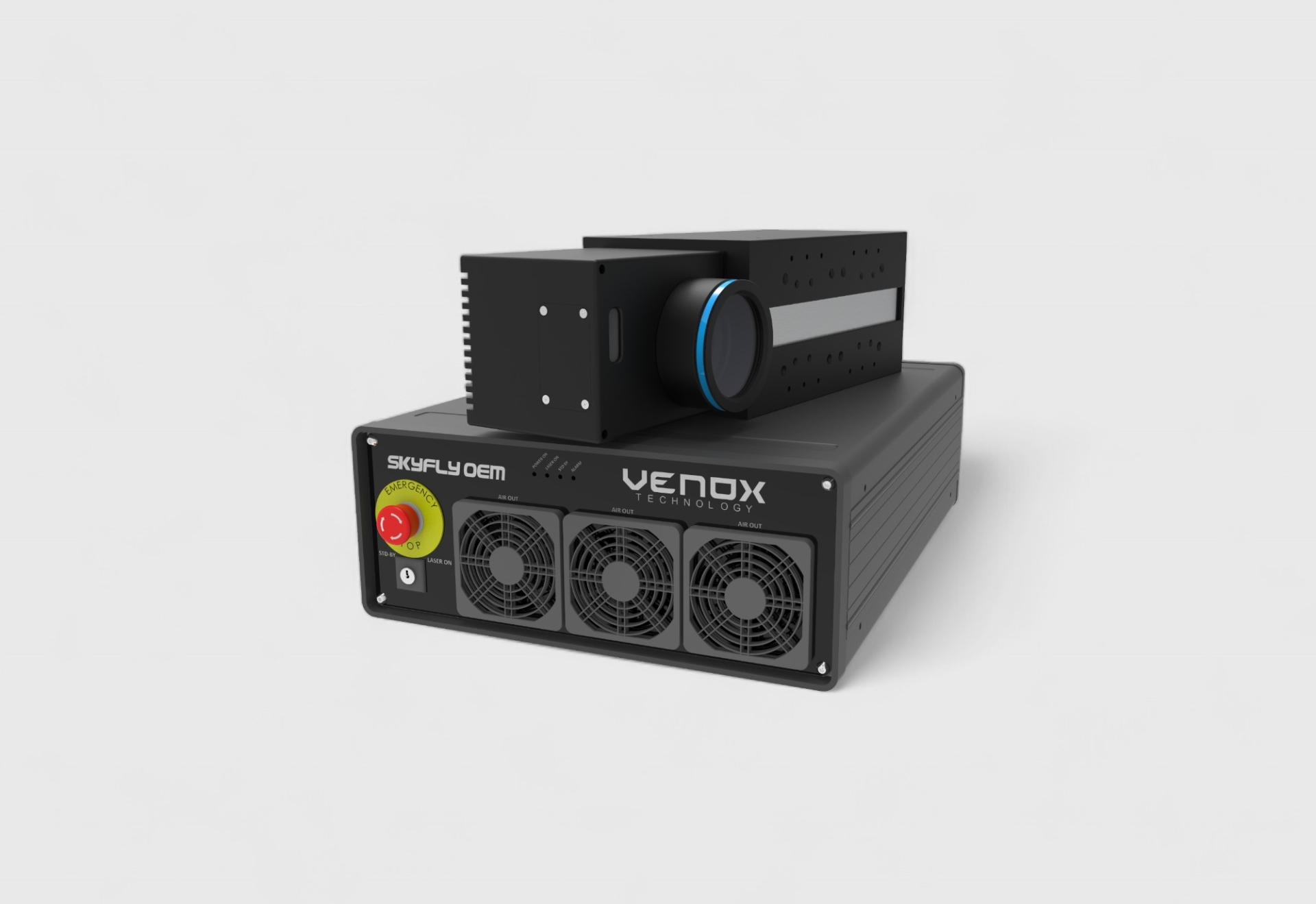
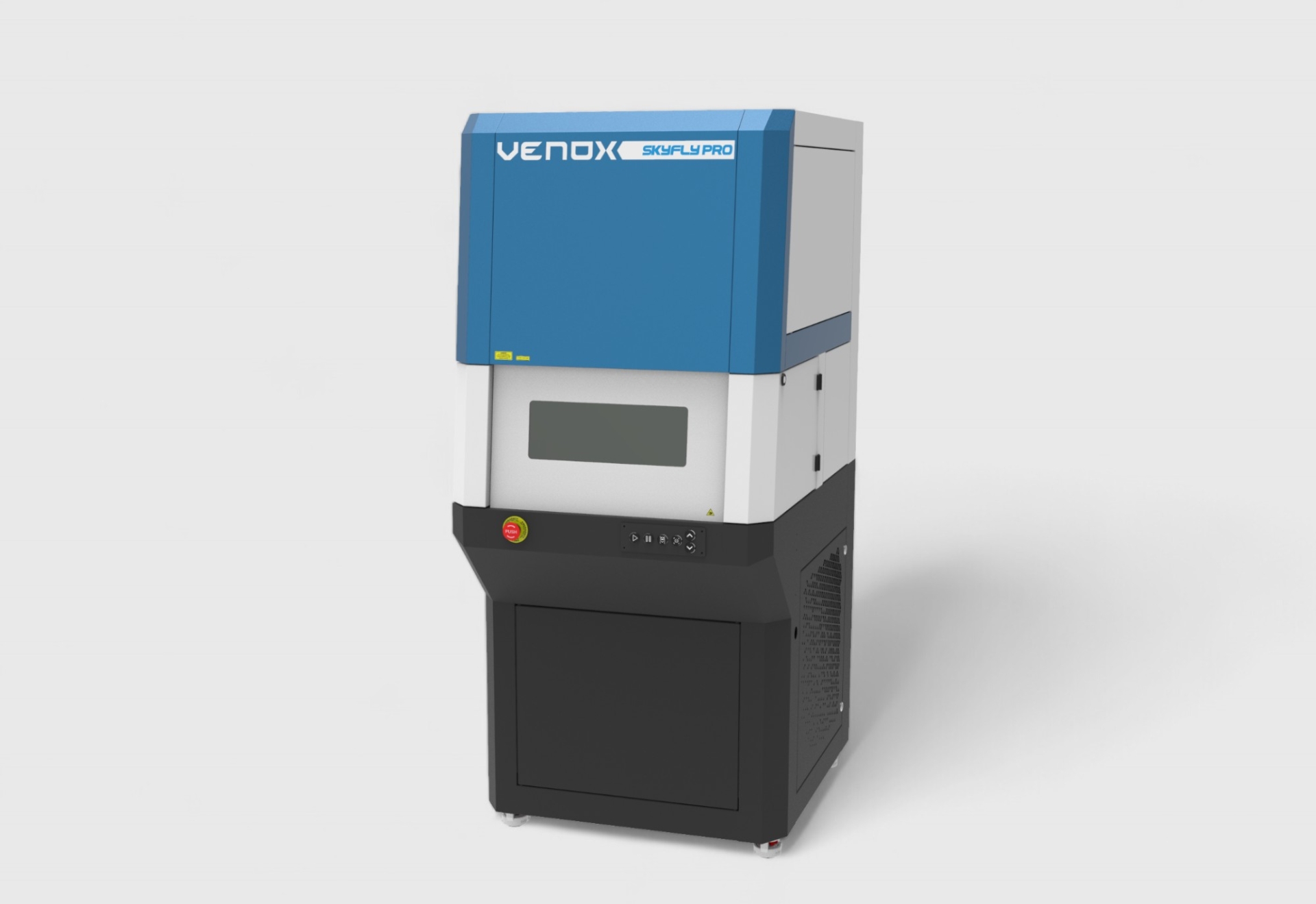
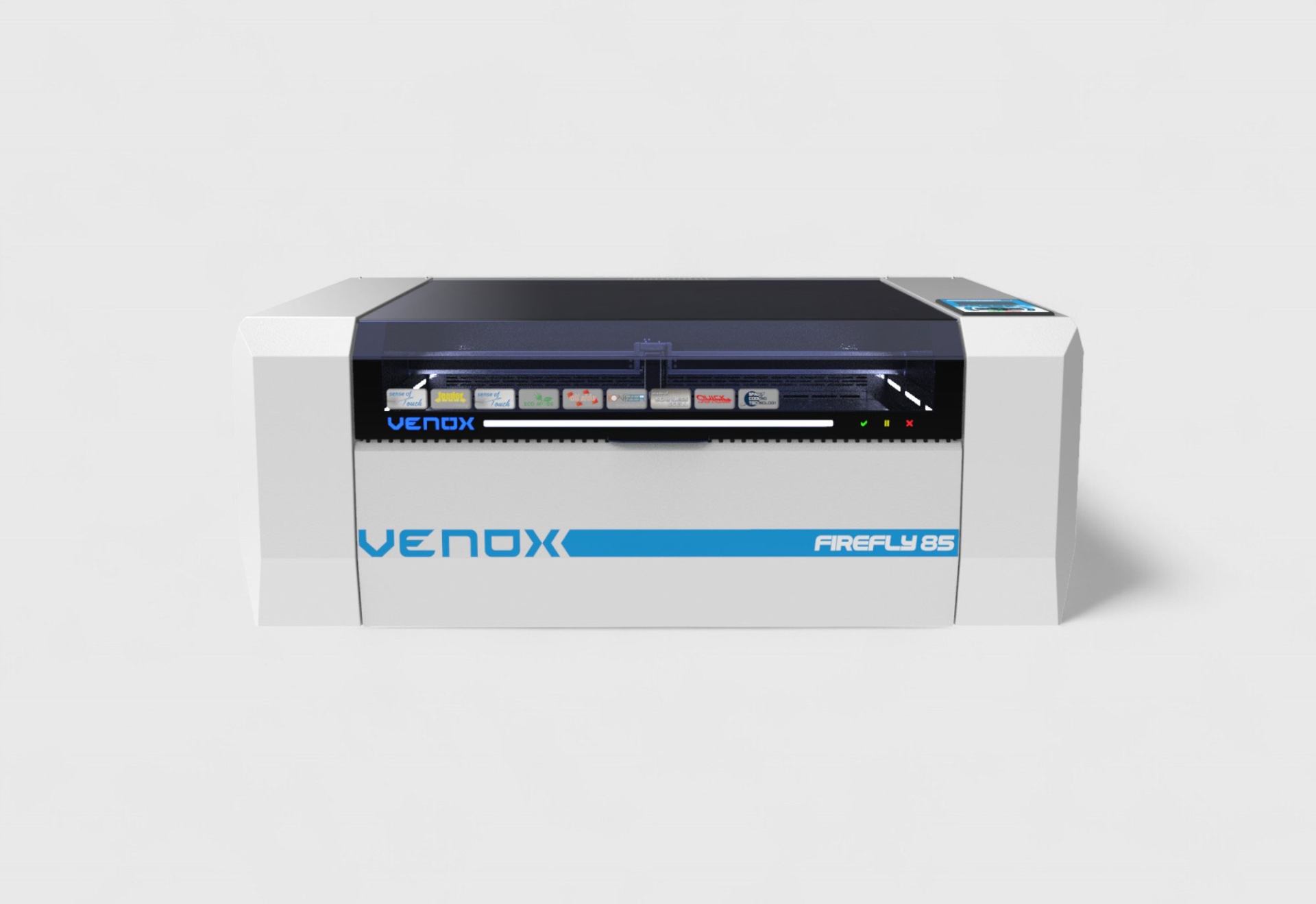
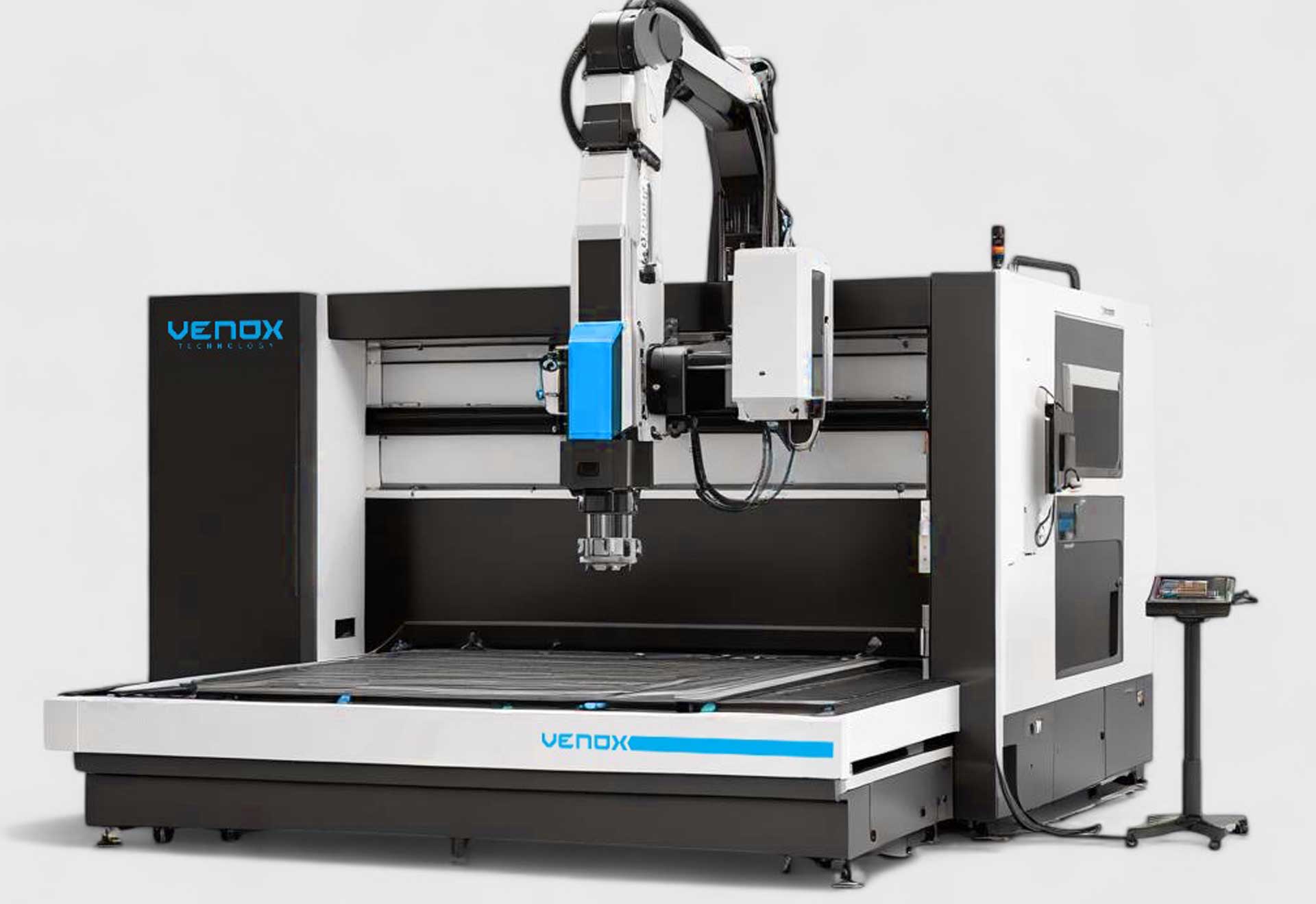
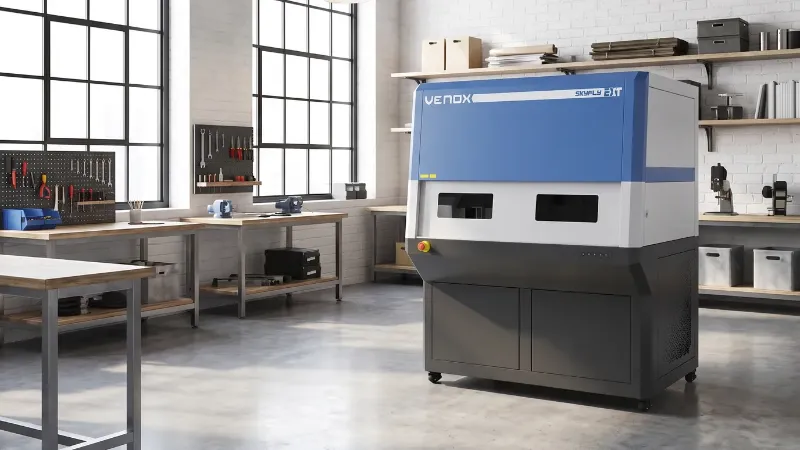
Venox offers Laser Marking Systems designed to meet the production requirements of different industries. By analyzing your product and production line, the appropriate laser technology can be evaluated for your application.
If you require permanent product identification in the automotive, machinery, metalworking, plastics, electronics, or any other industry, you can contact the Venox team through the Contact Us page for sample testing and technical evaluation.
Properly configured industrial laser marking systems enable product identification to be maintained, linked to production data, and integrated into automated production lines across different industries. As a result, marking becomes more than a simple identification process and serves as an important component of production traceability.
Frequently Asked Questions
In which industries is industrial laser marking most commonly used?
Automotive, machinery manufacturing, metalworking, electronics, medical devices, defense, plastics manufacturing, and home appliances are among the main application areas.
Can industrial laser marking be used on plastic products?
Yes. Many types of plastics can be marked using suitable laser technology. However, since polymer composition and additives affect the results, sample testing is recommended.
Can laser marking be performed on medical products?
Under suitable product and process conditions, permanent product identification can be applied to medical devices and technical components.
Is laser marking suitable for mass production lines?
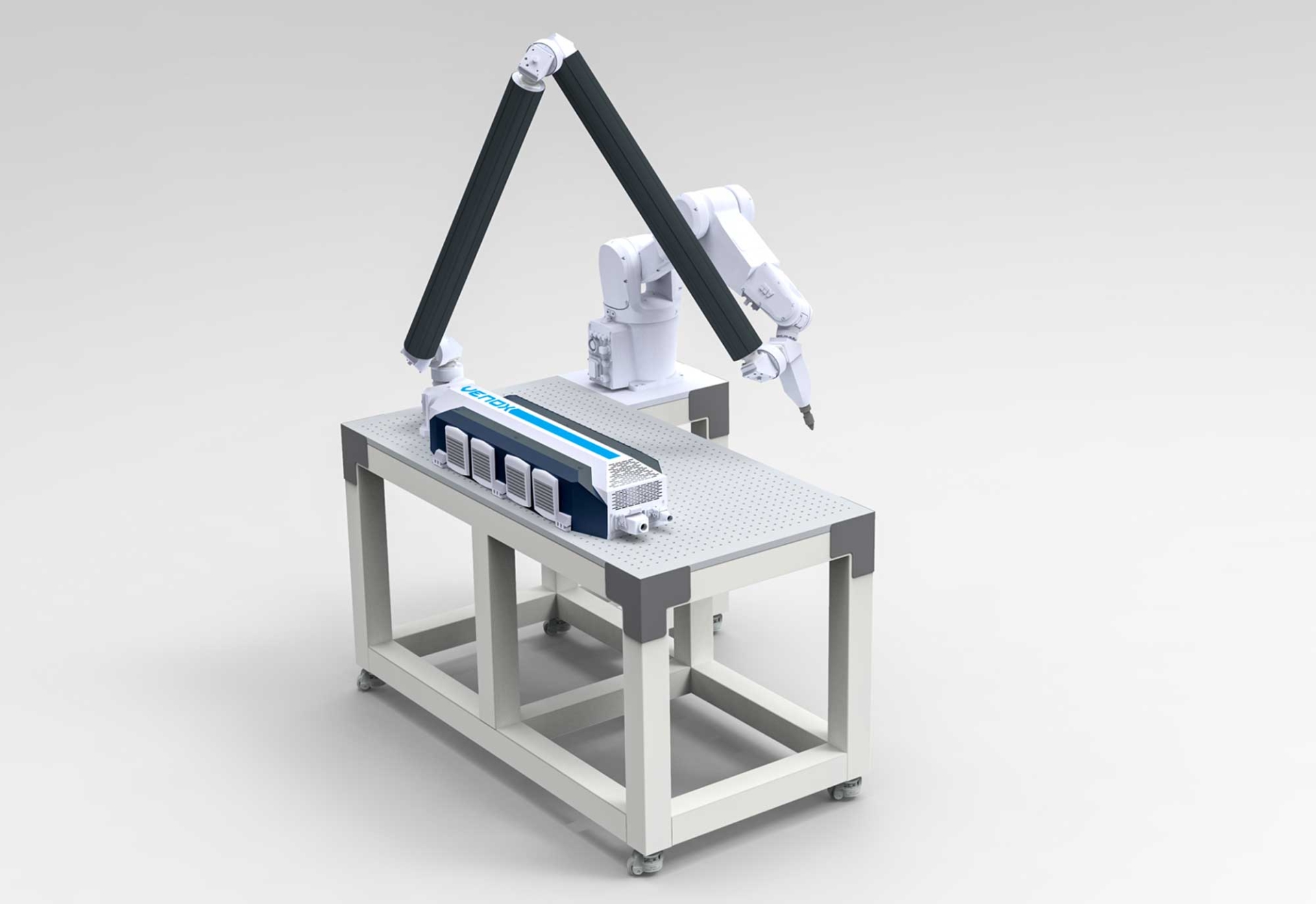
Yes. Through integration with PLCs, conveyors, sensors, robots, cameras, ERP, and MES systems, laser marking can be used in high-volume automated production lines.
Does Venox offer industry-specific laser marking solutions?
To explore Venox's solutions, you can visit the Laser Marking Systems page or contact the Venox team through the contact page for a technical evaluation of your application.
