

Laser Marking with Automation and PLC Integration: A Guide to Smart Production Systems
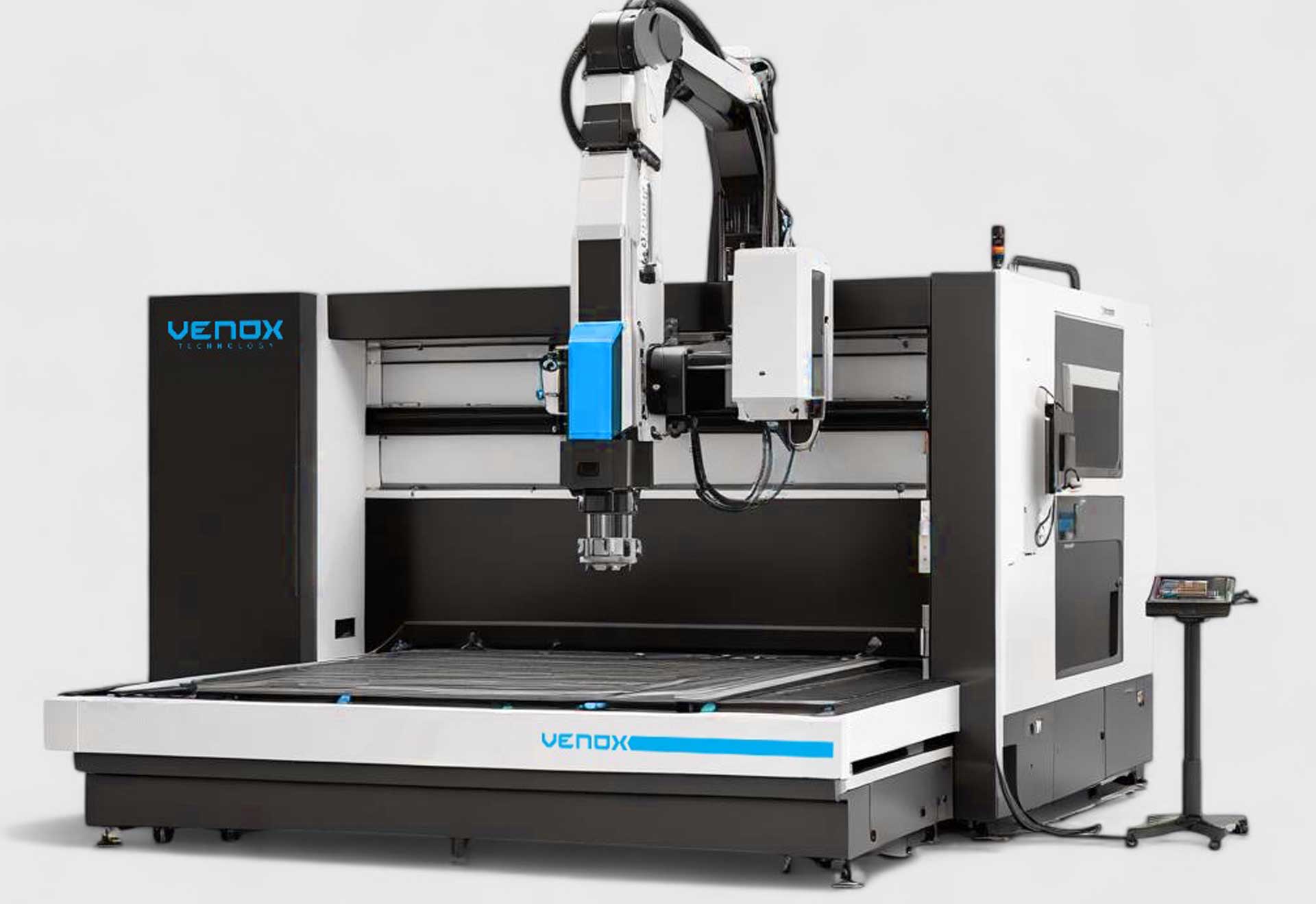
Integrating laser marking systems with PLC, MES, and ERP infrastructures provides full automation and data-driven management in production processes. In modern production lines, laser machines are not only devices that perform marking, but also intelligent systems that generate and process data. Thanks to TCP/IP, Profinet, and other industrial communication protocols, laser systems work in synchronization with production lines. This guide explains the automation integration of laser marking systems, PLC connections, and industrial data flow in detail.
Laser Marking and Automation Systems
What is automation?
Automation is the management of production processes by systems without human intervention.
What is PLC?
PLC (Programmable Logic Controller) is an industrial computer system that controls production processes.
The role of laser systems
Laser marking systems provide data-driven production by working integrated with automation systems.
TCP/IP integration
Laser systems can exchange data through the TCP/IP protocol.
Profinet and industrial protocols
Profinet and similar protocols are used for industrial communication.
Real-time data flow
Production data is shared instantly between systems.
Serial number automation
Serial numbers can be generated automatically and processed by laser.
Database connection
Laser systems can work integrated with databases.
Error control mechanisms
Automation systems provide control to prevent incorrect marking.
Industrial application areas
- Automotive manufacturing
- Electronics manufacturing
- Medical device manufacturing
- Food and packaging
Automation Integration Applications
Inline production integration
Laser systems work synchronized with production lines.
PLC control
PLC systems control laser marking processes.
MES integration
MES systems manage and analyze production data.
ERP integration
ERP systems integrate production and business processes.
Camera verification systems
Post-marking verification is carried out with camera systems.
Automatic data entry
Data transfer is provided without operator intervention.
Parameter management
Laser parameters can be controlled from central systems.
Remote access
Systems can be monitored and managed remotely.
Sample testing process
Test studies should be carried out before integration.
Industrial advantages
Automation integration provides efficiency and error control.
What is PLC integration?
It is the operation of laser systems together with PLC.
Is connection via TCP/IP possible?
Yes, data communication can be provided.
Can serial numbers be generated automatically?
Yes, it is possible with automation.
Is an MES system necessary?
It is recommended for large-scale production.
Can ERP integration be implemented?
Yes, it is used for data management.
Can camera verification be performed?
Yes, it provides quality control.
Is remote control possible?
Yes, systems can be managed remotely.
Can it be used in inline production?
Yes, it works integrated with automation.
Is there a maintenance requirement?
It requires low maintenance.
Are sample tests necessary?
Yes, they are recommended for integration.
