
How Are Digital Production Processes Supported with Laser Marking?
Supporting digital production processes with laser marking means, for manufacturing businesses, not only marking data onto the product but also establishing an uninterrupted, reliable, and sustainable connection between the physical product and digital systems. Because digital production is not limited only to machines operating automatically. The real value lies in the product being able to communicate with data at every stage, production records being matched with the product, and processes becoming measurable. For this reason, laser marking systems stand out as one of the most important complements of digital production infrastructure in the field.
A product’s serial number, lot information, product code, barcode, QR code, DataMatrix, or technical reference is not only information within a digital production structure. It is also a data key for ERP, MES, WMS, quality management systems, maintenance software, and service records. If this information is not carried reliably on the product, even if the digital infrastructure appears strong on paper, a disconnection occurs in the field. Laser marking machines can establish a stronger bridge between the physical product and digital record systems by marking the information permanently directly onto the product surface. This also makes it easier for digital production to function in the true sense.
The question of “how digital production processes are supported with laser marking” is especially important in sectors with data-intensive production, such as automotive, electronics, medical, white goods, defense industry, machine manufacturing, metal processing, and supplier industries. Because in these sectors, which station the product passed through, which test it completed, which customer order it is associated with, and which quality record it matches are managed through digital systems. In this article, we will discuss in detail how laser marking contributes to digital production processes, in which areas it makes a difference, and why it carries strategic value for businesses.
At Which Points Does Laser Marking Support Digital Production Processes?
For digital production processes to be strong, it is not enough for data to exist only in the system. This data must be correctly matched with the physical product. Laser marking offers important advantages as the field carrier of this matching.
1. It creates a connection between the physical product and the digital record
At the foundation of digital production is the digital equivalent of the product. When the serial number or code structure on the product matches the record in the system, the production journey of the product becomes visible. A laser marking machine can strengthen the connection between the physical and digital worlds by marking this information permanently onto the product.
2. It makes data flow visible on the production line
Production data created in MES or similar systems does not find its counterpart in the field when it is not correctly marked onto the product. Laser marking systems make this digital data on the production line tangible on the product surface. Thus, the product can move forward with the same identity at every station.
3. It supports automatic reading with barcode, QR code, and DataMatrix
In digital production infrastructures, it is very important for products to be read quickly by machines. Barcode, QR code, and DataMatrix are widely used for this purpose. Laser marking machines can help systems retrieve data more securely by applying these data structures in a permanent and readable way.
4. It reduces the need for manual data entry
One of the biggest goals of digitalization is to reduce manual data entry. When the codes on the product are reliable, operators do not need to rewrite or correct information. The strong product identity created with laser marking can support this automatic data flow.
5. It facilitates station-based production tracking
In digital production, it is very important to know which station the product passed through, which process it completed, and at which stage it is located. Reliable identity information on the product ensures that these transitions are recorded more accurately in the system. A laser marking system can make it easier for the product to be recognized at every station.
6. It strengthens the matching of quality data with the product
In digital production, quality measurements, test results, and process data are associated with product identity. If the data on the product is weak, this matching may be disrupted. Permanent information carried with laser marking can contribute to associating quality data with the correct product.
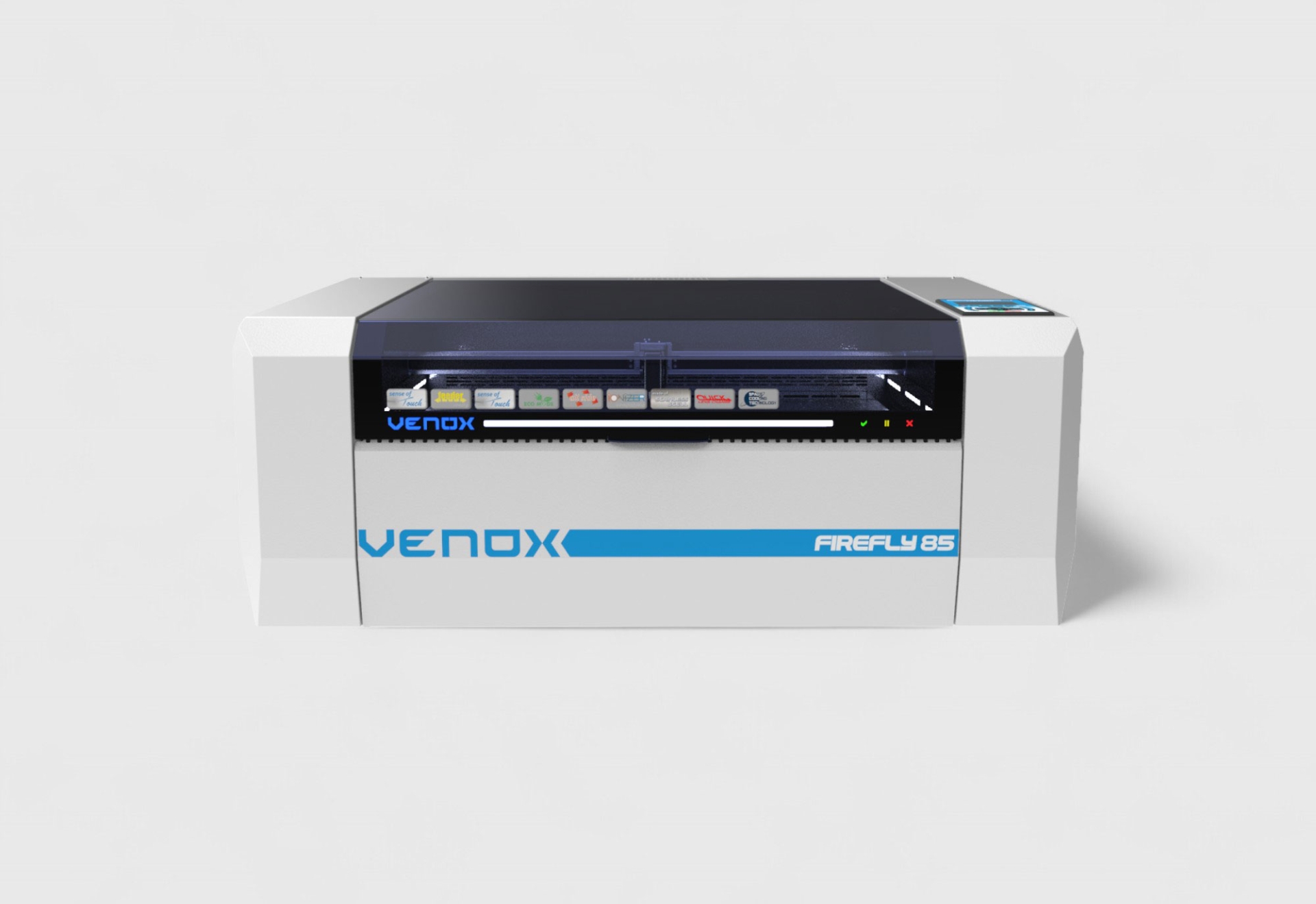
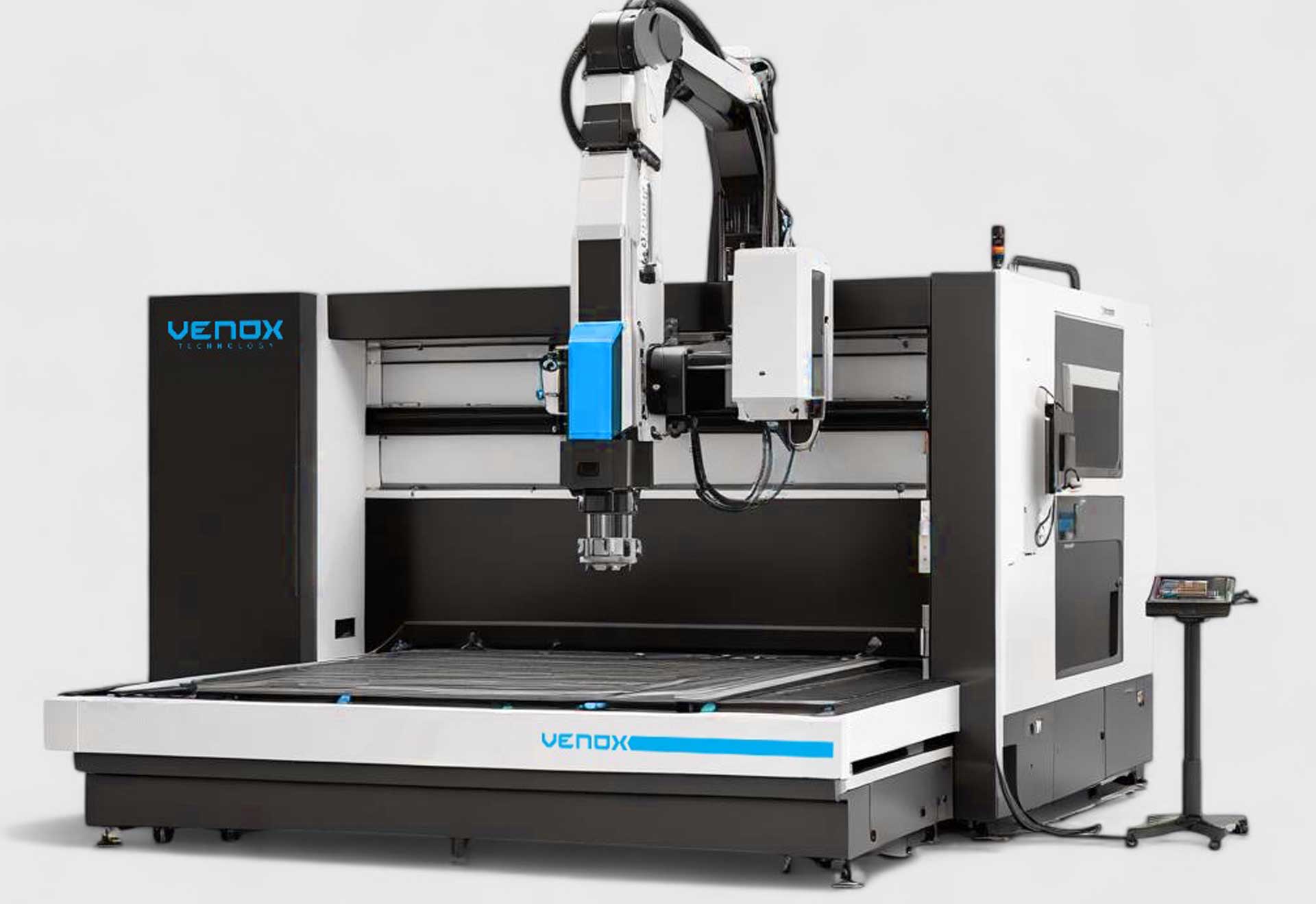
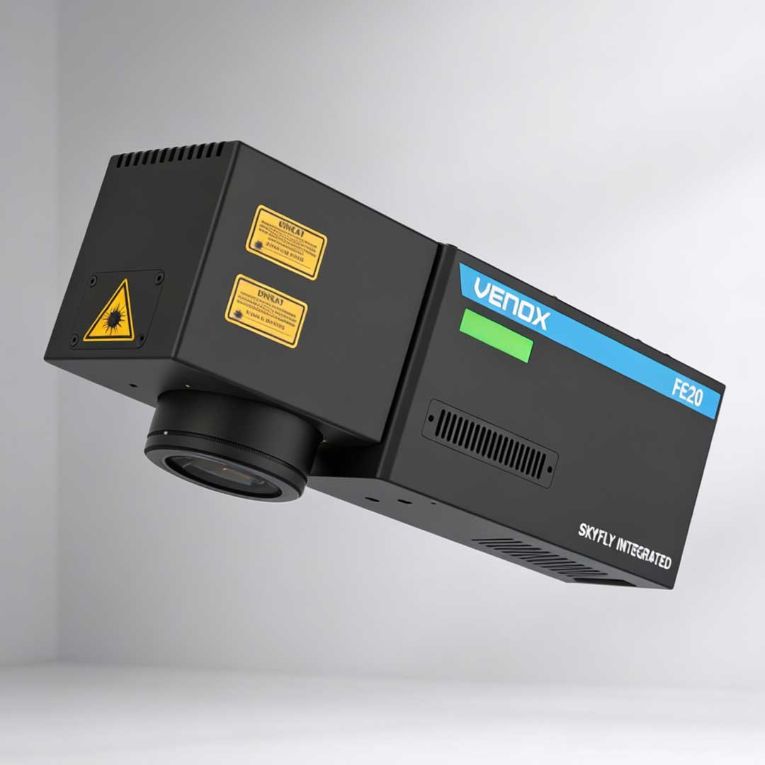
To review solution structures suitable for digital production processes, you can visit the laser marking systems page, and to see product alternatives, you can visit the laser marking machines page.
What Does Strengthening Digital Production Infrastructure Provide for a Business?
When digital production processes are strong, the business does not only collect more data; it also uses this data more accurately. Product identity supported by laser marking makes this data flow more meaningful.
7. It increases production transparency
It becomes easier to see at which stage the product is, which station it passed through, and which data it is associated with. This provides higher visibility for managers and operation teams.
8. It enables faster intervention in quality problems
When an error or nonconformity is detected, the problematic product group can be found more quickly through the product identity associated with digital records. This can shorten the intervention time.
9. It increases the speed of operational decision-making
When data is correctly matched with the product, information such as line performance, product movement, and quality status can be read more reliably. This can help operational decisions be made faster and more accurately.
10. It strengthens traceability infrastructure
One of the most important outputs of digital production is strong traceability. The permanent product identity carried with laser marking ensures that this traceability is also maintained in the field. Thus, systems do not only store data; they produce data that lives together with the product.
11. It facilitates warehouse and shipment integration
In the digital production process, the product must pass to the warehouse, shipment, and subsequent logistics flow with the same identity. Permanent data created with laser marking contributes to connecting these stages without interruption.
12. It carries data to service and after-sales processes
Digital production does not remain only inside the factory. When the product reaches the field, the same identity information can also be used in service and warranty processes. Thus, the data created in production remains meaningful after sales as well.
13. It supports process improvement activities
When product-based data is collected more reliably, it becomes clearer at which station what type of loss occurs or in which product group more problems arise. This bases improvement projects on stronger data.
14. It increases audit and reporting strength
When digital records and physical product identity match, reporting becomes stronger. It becomes easier to show product history, present batch-based records, and prove quality data.
15. It makes the Industry 4.0 approach tangible in the field
Industry 4.0 is often discussed at a conceptual level; however, its field equivalent is the product living together with data. Laser marking systems can become one of the real field carriers of digital production by making this approach visible and usable on the physical product.
