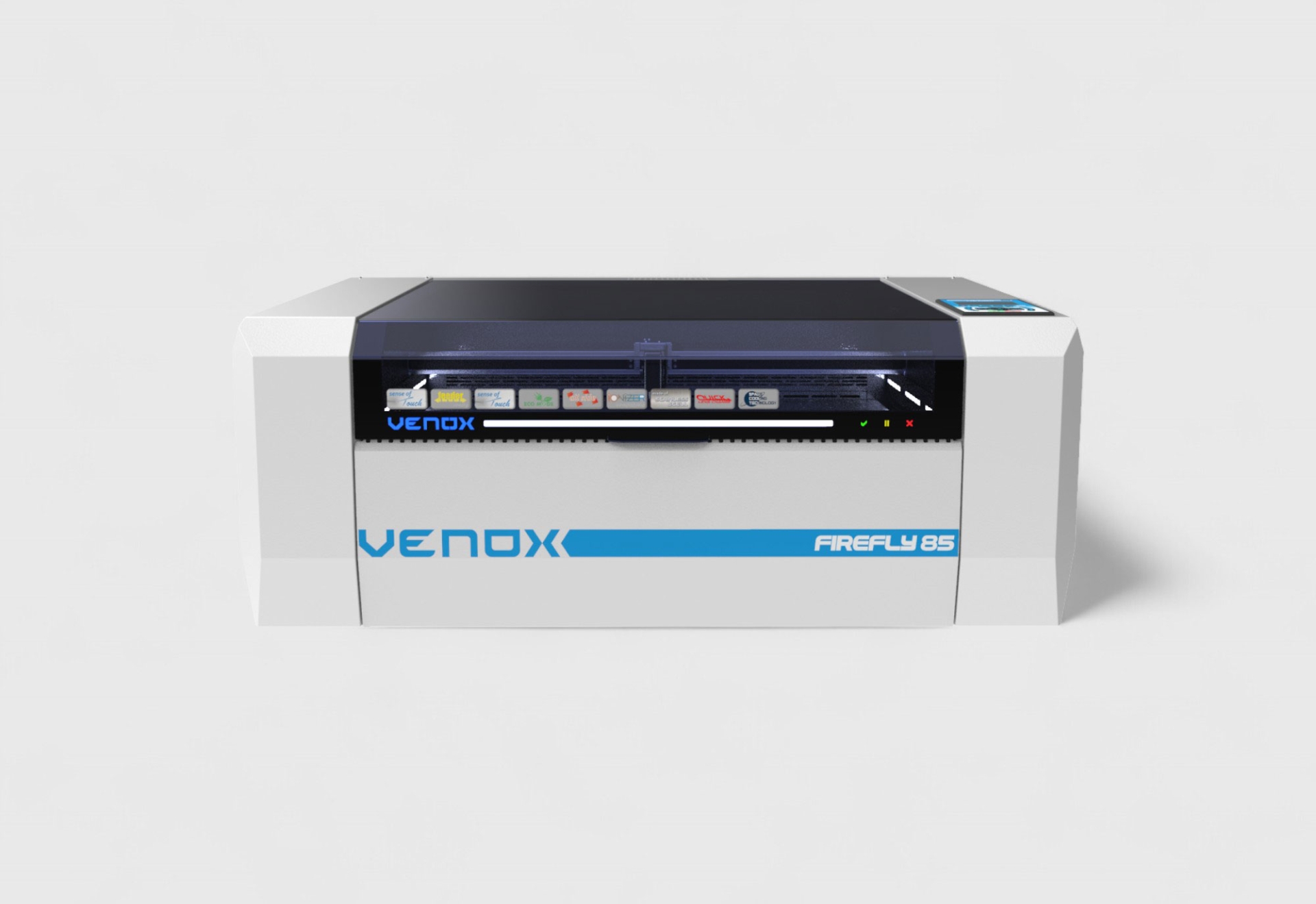
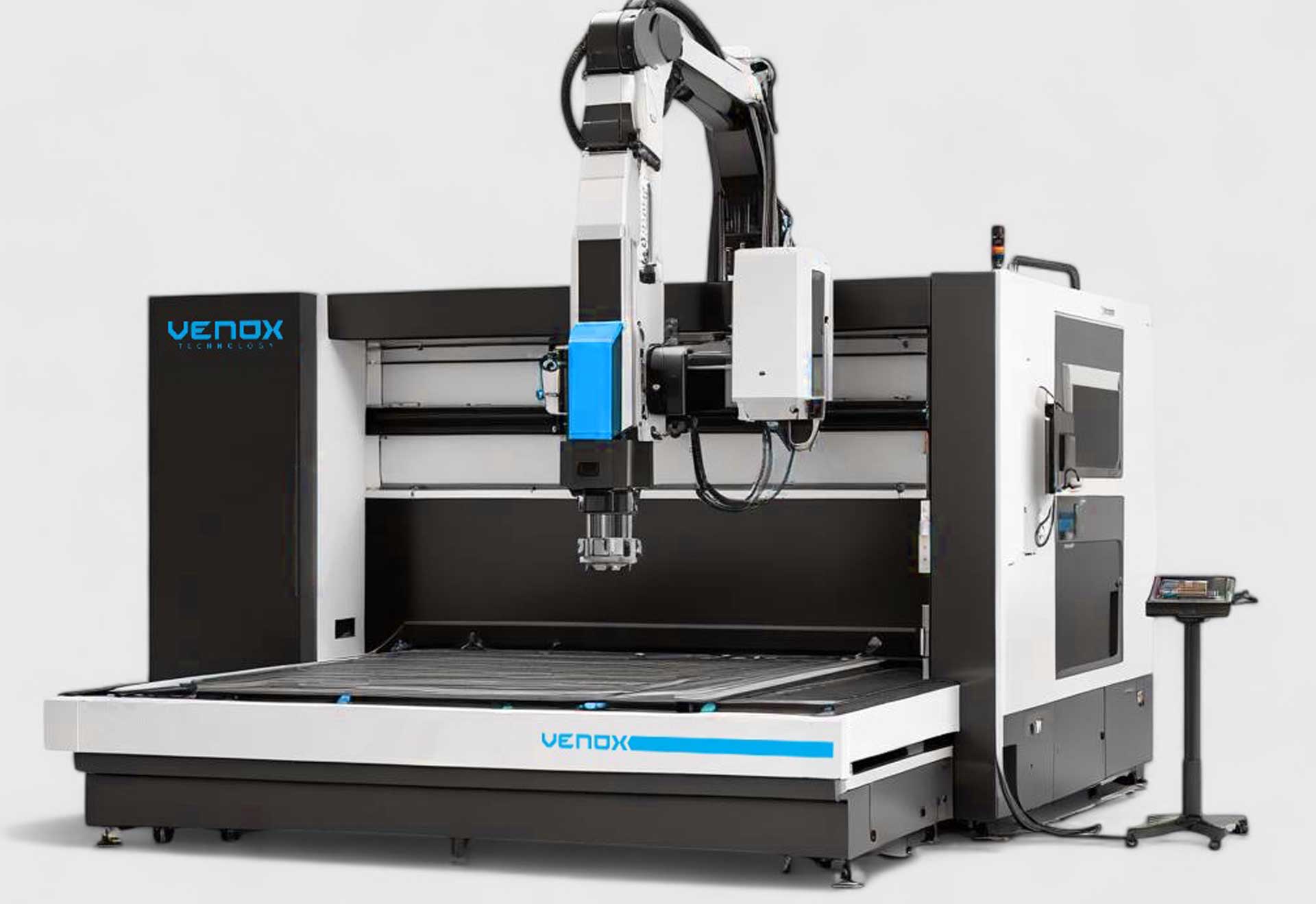


Strengthening quality control processes with laser marking means not only gaining a marking advantage for manufacturing businesses, but also establishing a more reliable, more traceable, and more measurable production structure. This is because quality control is no longer limited to examining only the physical dimensions or visual condition of the product. Today, matching each product with the correct identity, correct data, and correct record has also become an integral part of the quality process. Therefore, laser marking systems are considered not merely a supporting element of the quality control infrastructure, but often one of its directly determining components.
Information such as serial number, lot information, barcode, QR code, DataMatrix, production date, part reference, and technical data processed onto the product does not serve only the purpose of product identification. It also associates quality records with the product, makes it possible to retrospectively examine the sources of errors, and accelerates verification processes. If this data is processed incorrectly, remains incomplete, or becomes unreadable, the quality control chain weakens. Laser marking machines, on the other hand, can help quality teams make healthier decisions by providing clearer, more permanent, and more standardized marking.
The question of “how quality control processes are strengthened with laser marking” becomes much more important especially in sectors with high quality sensitivity, such as automotive, medical, electronics, defense industry, machine manufacturing, white goods, metal processing, and subcontracting industries. This is because even a small data error in these fields may create the risk of incorrect shipment, quality loss, customer complaint, or recall. In this article, we will discuss in detail how laser marking contributes to quality control processes, in which areas it makes a difference, and why it carries strategic value for businesses.
How Does Laser Marking Contribute to Quality Control Processes?
Quality control processes are built on strong data, accurate product identification, and a traceable structure. Since laser marking solutions can support these three areas at the same time, they make the work of quality teams more reliable. The following headings are the areas where this contribution is most clearly seen.
1. It makes product identity clear and permanent
The basic requirement of quality control is knowing exactly which product is being inspected. The serial number, product code, or batch information creates this identity. When this information processed with a laser marking machine becomes more permanent and more readable on the product surface, quality records are matched with the product more securely. This reduces the risk of confusion.
2. It strengthens lot- and batch-based tracking
When a quality problem is detected, one of the most important questions is which batch it belongs to. If lot information is reliably carried on the product, the problematic group can be identified much faster. Laser marking systems can accelerate quality analysis by helping lot and batch data remain permanently on the product.
3. It is compatible with camera verification infrastructures
In modern quality control processes, inspection by the human eye alone is not sufficient. Data structures such as barcodes, QR codes, and DataMatrix codes are often read and verified by camera systems. When used with the correct parameters, laser marking machines can create clearer and more standardized code structures. This helps verification systems operate more reliably.
4. It reduces quality problems caused by incorrect marking
Problems such as an incorrect serial number, missing product code, defective barcode, or unreadable DataMatrix directly create issues in the quality control process. This is because if the data cannot be read, the product cannot be verified correctly. When a laser marking system provides more consistent marking, it can reduce such quality problems.
5. It makes it easier to associate measurement and test data with the product
Quality control is not only a superficial inspection; it often also requires matching test results, measurement values, or process data with the product. Thanks to reliable identity information on the product, these records can be kept more securely. Thus, quality management turns into a strong system that can perform retrospective analysis, rather than being limited to instant inspection.
6. It enables earlier detection of product mix-ups
The mixing of similar-looking products or parts belonging to different customers is a serious risk in terms of quality. Permanent and clear identification helps quality control teams detect these mix-ups early. This contribution is especially valuable in subcontracting industries and multi-product production environments.
To review quality-focused marking solutions, you can visit the laser marking systems page, and to see product options, you can take a look at the laser marking machines page.
What Does a Strong Marking Infrastructure Provide for Quality Teams and the Business?
Quality control strengthened with laser marking creates benefits not only for technical teams, but for the entire business. This is because better quality control means a lower error rate, higher customer trust, and a stronger operation.
7. It accelerates error analysis
When a nonconformity is detected, quickly accessing the product’s history is a major advantage. Through the serial number or DataMatrix code, it becomes easier to see at which station it was produced, which batch it came from, or which tests it went through. This accelerates root cause analysis.
8. It helps defective products be separated early
Laser marking systems that work together with camera verification or automatic code reading infrastructures can support the separation of defective products at an earlier stage of production thanks to marking quality. This can reduce costs that may occur later.
9. It can reduce rework and scrap costs
The need for rework caused by incorrect marking or unreadable data creates time and cost losses for the business. When laser marking machines provide more consistent results, these losses can be reduced. This contribution becomes more visible especially in high-volume production.
10. It inspires confidence in customer audits
Corporate customers and main industry companies expect not only products from their suppliers, but also a reliable quality system. Clear and verifiable information on the product shows that the quality process is managed in a disciplined manner. This can create a positive impact during audits.
11. It makes recall processes more controlled
When a quality problem occurs, quickly identifying which product group is affected is critically important. Thanks to strong marking and accurate identification, the problematic product group can be identified within a narrower scope. This can reduce the risk of unnecessarily broad recalls.
12. It creates a common data language between production and quality teams
The codes on the product become a common reference point not only for the quality department, but also for production, warehouse, shipment, and service teams. Reliable data carried by the laser marking system ensures more consistent communication and less confusion between teams.
13. It supports continuous improvement activities
Reliably linking quality control data with product identity makes it easier to analyze recurring errors over time. When it becomes clearer which problems occur in which batches, process improvement activities also become more efficient.
14. It creates a long-term quality culture
The right marking infrastructure not only reduces today’s quality problems; it also contributes to the formation of a more disciplined, more measurable, and more traceable quality culture within the business. This supports long-term competitiveness.
When quality control processes are strengthened with laser marking, product identity becomes more reliable, lot tracking becomes clearer, camera verification operates more effectively, and quality analyses progress faster. This can reduce the error rate, the need for rework, and customer-related risks. If you want to evaluate the most suitable solution for your production, you can review fiber laser marking solutions or receive expert advice directly through the contact page.
