
How to Choose a Laser Marking Machine? Technical Guide
A laser marking machine is an important technology used in industrial production to mark products permanently, legibly, and without contact. These systems, which are used to apply serial numbers, barcodes, QR codes, DataMatrix codes, production dates, batch numbers, logos, and technical information onto products, play a critical role in production quality and traceability.
Choosing the right laser marking machine should not be based solely on the price of the device or its laser power. The material to be marked, production line structure, marking speed, code readability, automation requirements, software features, and technical service support should all be evaluated together. This technical guide explains the key criteria you should consider when selecting the right laser marking system for your business.
Technical Criteria for Choosing a Laser Marking Machine
Determine the Type of Material to Be Marked
The first step in choosing a laser marking machine is to correctly determine the type of material to be marked. Metal, plastic, glass, ceramic, leather, wood, and coated surfaces react differently to laser beams. Therefore, the same laser source or the same parameters may not be suitable for every material.
Fiber laser technology is generally preferred for stainless steel, aluminum, brass, copper, titanium, and coated metal surfaces. For plastic surfaces, fiber, UV, or other laser solutions may be considered depending on the chemical structure of the material. For glass, ceramics, and sensitive surfaces, the correct power, speed, and focus settings become even more important.
Choose the Appropriate Laser Source
The laser source is one of the most important components that directly affects system performance. Fiber laser, CO2 laser, and UV laser systems have different application areas. Choosing the wrong laser source may cause problems such as low contrast, insufficient readability, or unwanted surface deformation.
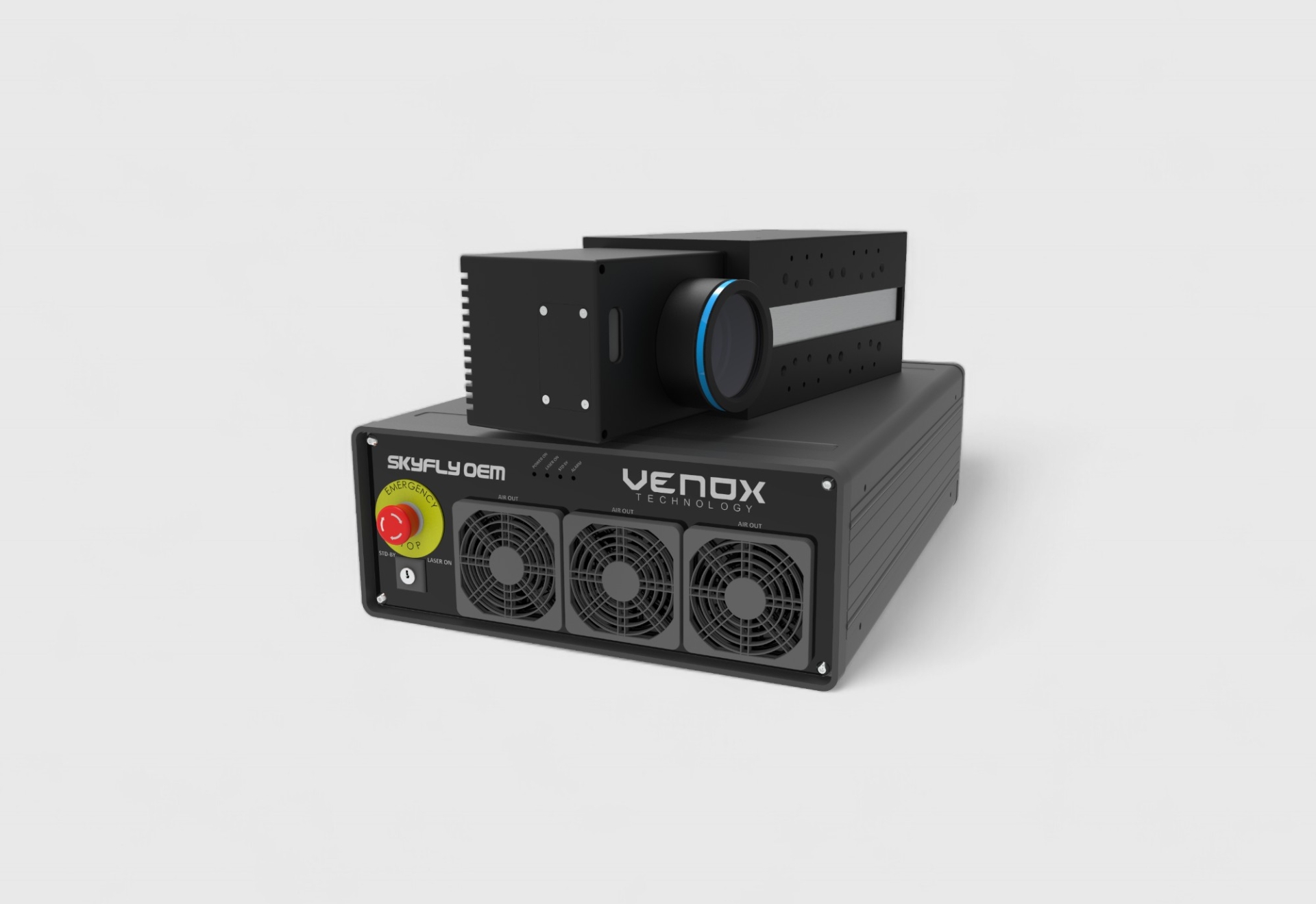
- Fiber laser marking provides strong results, especially on metal surfaces.
- CO2 laser systems can be used on wood, leather, paper, cardboard, glass, and certain organic surfaces.
- UV laser systems can be preferred for sensitive plastics, electronic components, and applications requiring low heat impact.
Evaluate Laser Power According to the Application
Laser power is an important criterion that determines marking speed, depth, and the effect on the surface. However, the highest-power system is not necessary for every application. Excessive power may increase investment costs, while insufficient power may fail to provide the desired marking quality.
When determining the correct power level, the product material, marking depth, processing time, code readability, and production speed should be evaluated together. Therefore, performing test markings on product samples is the most reliable approach for selecting the correct power level.
Analyze the Marking Area and Product Dimensions
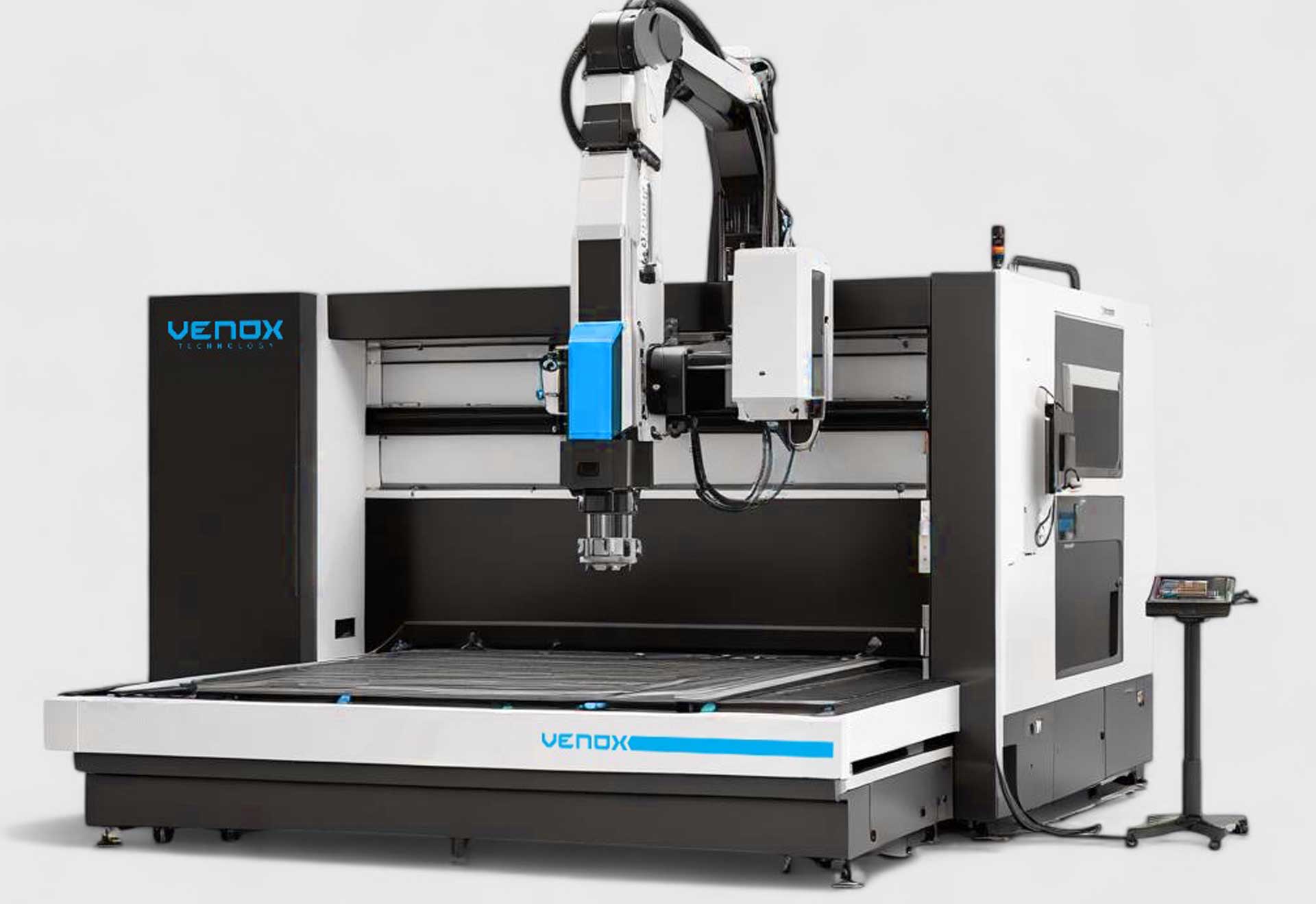
The marking area is one of the key technical factors to consider when choosing a laser marking machine. While a standard marking area may be sufficient for small parts, larger surfaces may require optical solutions that provide a wider working area.
Not only the width of the product, but also its height, shape, and the position of the surface to be marked should be evaluated. Cylindrical parts, inclined surfaces, or products with different heights may require special fixtures, rotary axes, or different positioning systems.
Calculate Production Speed and Capacity Requirements
In companies with mass production, the laser marking process should not slow down the production line. Marking time per part, daily production quantity, shift organization, and line speed may all be decisive factors when selecting a machine.
Manual or semi-automatic systems may be sufficient for low-volume production. However, in high-volume production, laser marking machines that can be integrated into automation lines provide more efficient results. Correct speed and capacity analysis helps prevent bottlenecks in the production line.
Test Barcode, QR Code, and DataMatrix Readability
If a barcode, QR code, or DataMatrix code will be applied to the product, readability must be tested. It is not enough for the code to appear clear to the eye; it must also be read reliably by the readers used on the production line, in warehouse processes, or at quality control points.
During testing, code contrast, line definition, surface effect, code size, and reader performance should be evaluated. This step is especially important in industries where traceability is critical, such as automotive, medical, electronics, defense, and machinery manufacturing.
Check the Software Features
Laser marking software directly affects the ease of use and production flexibility of the machine. Information such as logos, text, barcodes, QR codes, DataMatrix codes, production dates, and serial numbers should be easy to prepare within the software.
Features such as variable data marking, automatic serial number generation, date coding, database connectivity, saving production recipes, and support for different file formats provide significant advantages in industrial use. User-friendly and flexible software helps reduce operator errors.
Determine the Need for Automation Integration
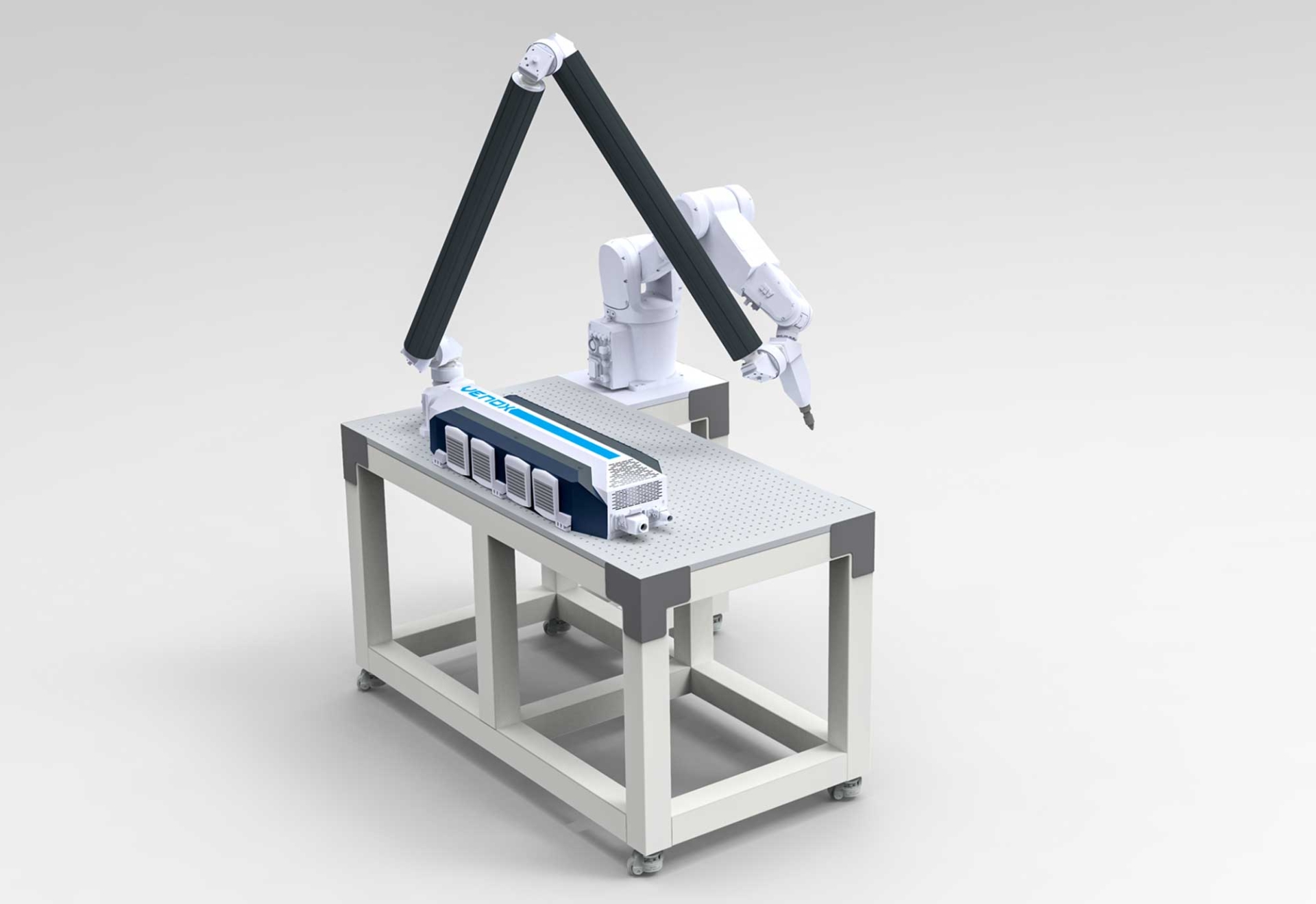
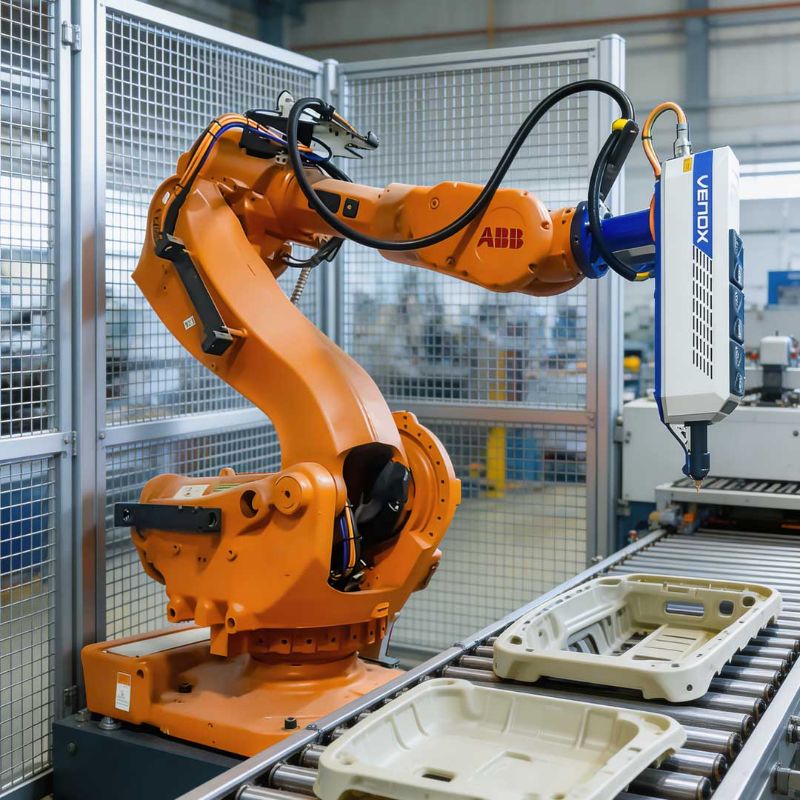
A laser marking machine can be selected for manual use or planned for integration into a production line. The need for integration with conveyor systems, robotic arms, PLC infrastructures, camera systems, barcode readers, and production tracking software should be evaluated during the selection process.
Automation integration ensures that products are marked with the correct data, in the correct position, and at a consistent quality level. Especially in high-volume production, automatic detection, automatic data selection, and automatic marking processes increase efficiency.
Review Technical Service and After-Sales Support
A laser marking machine is an industrial equipment designed for long-term use. Therefore, during the purchasing process, not only the technical specifications of the device but also the quality of after-sales support should be evaluated.
Installation, operator training, maintenance, spare parts, software support, and technical service processes are important for the sustainability of the investment. Strong technical support reduces production downtime and helps the system operate more efficiently.
Calculate the Total Cost of Ownership
When choosing a laser marking machine, it is not correct to consider only the initial purchase cost. Energy consumption, maintenance requirements, spare part costs, service support, service life, production speed, and consumable requirements all affect the total cost of ownership.
Laser marking does not require consumables such as ink, labels, solvents, or ribbons in most applications. This can provide a long-term cost advantage. However, if the wrong system is selected, indirect costs such as poor marking quality, slow production, or frequent technical intervention may arise.
Choosing the Right Laser Marking Machine with Venox
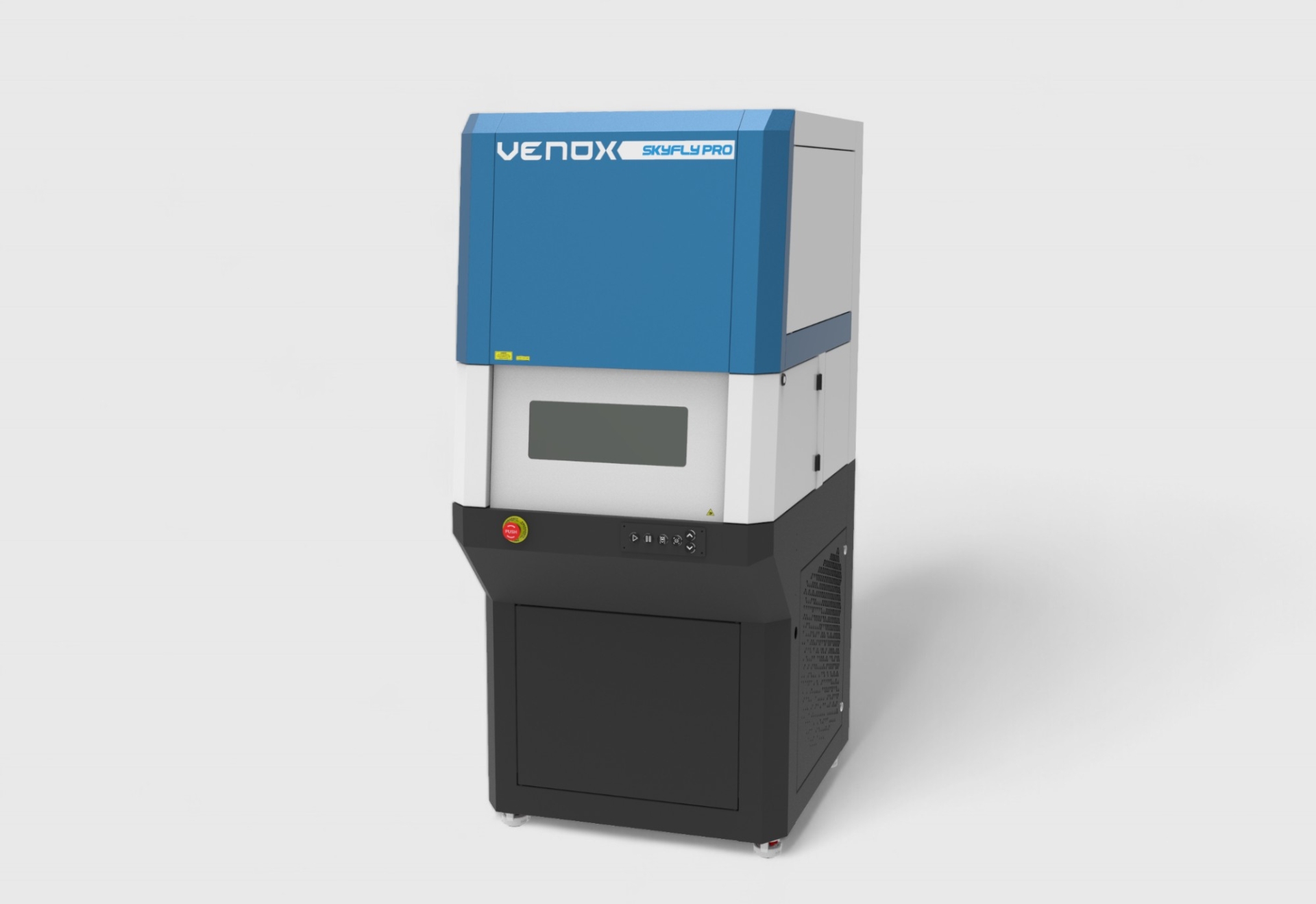
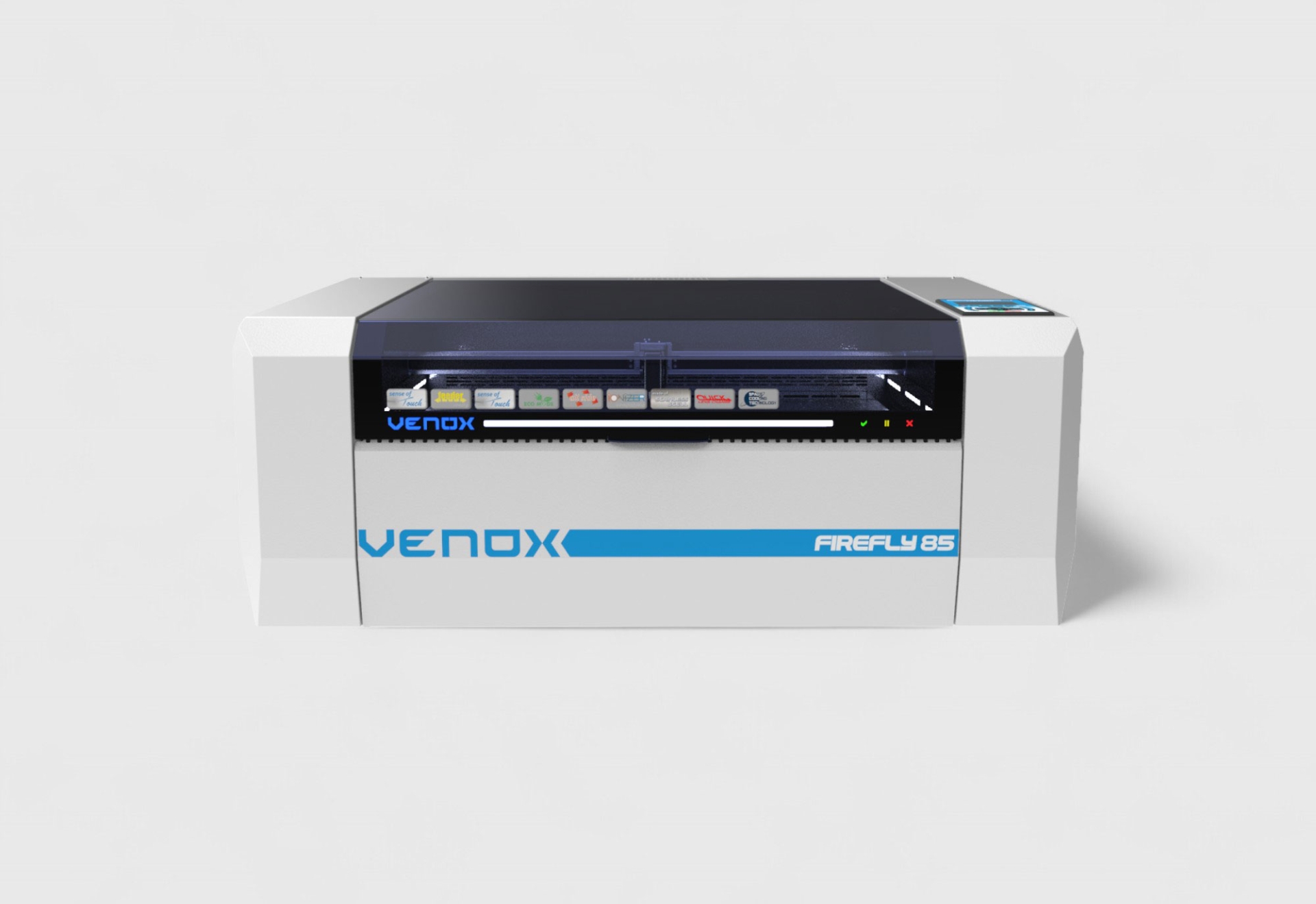
Venox supports businesses in choosing the right system with Laser Marking Machine solutions designed to meet the production needs of different industries. The appropriate solution can be determined by evaluating the material of the product to be marked, production capacity, coding requirements, automation expectations, and quality targets together.
To choose the right laser marking machine for your business, have your products analyzed, or request a quotation, you can contact the Venox team through the Contact Us page.
In general, the selection of a laser marking machine should be based on criteria such as material type, laser source, power level, marking area, production speed, software features, automation requirements, and technical support. When the correct system is selected, production processes become more traceable, faster, and more controlled.
Frequently Asked Questions
What should be considered first when choosing a laser marking machine?
The first step is to determine the type of material to be marked. Different laser technologies may be required for metal, plastic, glass, ceramic, or coated surfaces.
Which materials are suitable for a fiber laser marking machine?
A fiber laser marking machine delivers successful results especially on stainless steel, aluminum, brass, copper, titanium, and coated metal surfaces.
How should laser power be selected?
Laser power should be selected by considering the material type, desired marking depth, processing time, production speed, and code readability. Test marking should be performed to make the most accurate decision.
Can a laser marking machine be integrated into an automation line?
Yes. With the appropriate configuration, a laser marking machine can be integrated with conveyor systems, robotic arms, PLC infrastructures, camera systems, and production tracking software.
Does Venox provide support for selecting a laser marking machine?
To learn more about Venox laser marking solutions and evaluate the most suitable system for your business, you can visit the Laser Marking Machine page or contact the Venox team through the contact page.
