

How Can Laser Marking Quality Be Improved on Aluminum Parts?
Laser marking on aluminum parts is an important application in industrial production in terms of both visual quality and functional data transfer. Aluminum is widely preferred in automotive, defense industry, electronics, white goods, machinery manufacturing, and many technical production fields due to its lightness, machinability, durability, and broad range of use. Markings applied to this material are likewise expected to be clear, permanent, readable, and professional in appearance. For this reason, laser marking machines are among the prominent solutions for businesses aiming for high quality on aluminum surfaces.
Serial numbers, lot information, barcodes, QR codes, DataMatrix codes, technical data, safety signs, and brand logos are frequently applied on aluminum parts. However, aluminum surfaces may react differently during marking depending on coating condition, gloss level, processing method, and alloy structure. Therefore, the question “how can laser marking quality be improved on aluminum parts” is critical not only from an aesthetic perspective but also in terms of quality control, production tracking, and product traceability. If the correct approach is not applied, the marking may remain faint, low contrast may occur, or the readability of codes may be insufficient.
To improve laser marking quality, focusing only on the power of the machine is not enough. The laser marking system used, surface analysis, data type, parameter optimization, sample tests, and production line integration should be considered together. With proper planning, clearer, more professional, and more permanent marking results can be achieved on aluminum parts. In this article, we will discuss the main factors that should be considered to improve marking quality on aluminum surfaces.
Factors That Determine Laser Marking Quality on Aluminum Surfaces
To achieve high-quality marking on aluminum, it is necessary to correctly understand the main factors that affect the process. This is because very different results can be obtained on different aluminum surfaces using the same system. Therefore, a quality result depends not only on the right equipment but also on the correct application approach.
1. Correct analysis of the aluminum surface type
An aluminum part may have a raw, glossy, matte, anodized, coated, or machined surface. Each surface type reacts differently to the laser beam. This difference directly affects contrast, visibility, and the aesthetic quality of the marking. Therefore, the first step is to clearly analyze the physical structure and surface characteristics of the surface to be marked.
2. Selecting the appropriate laser system
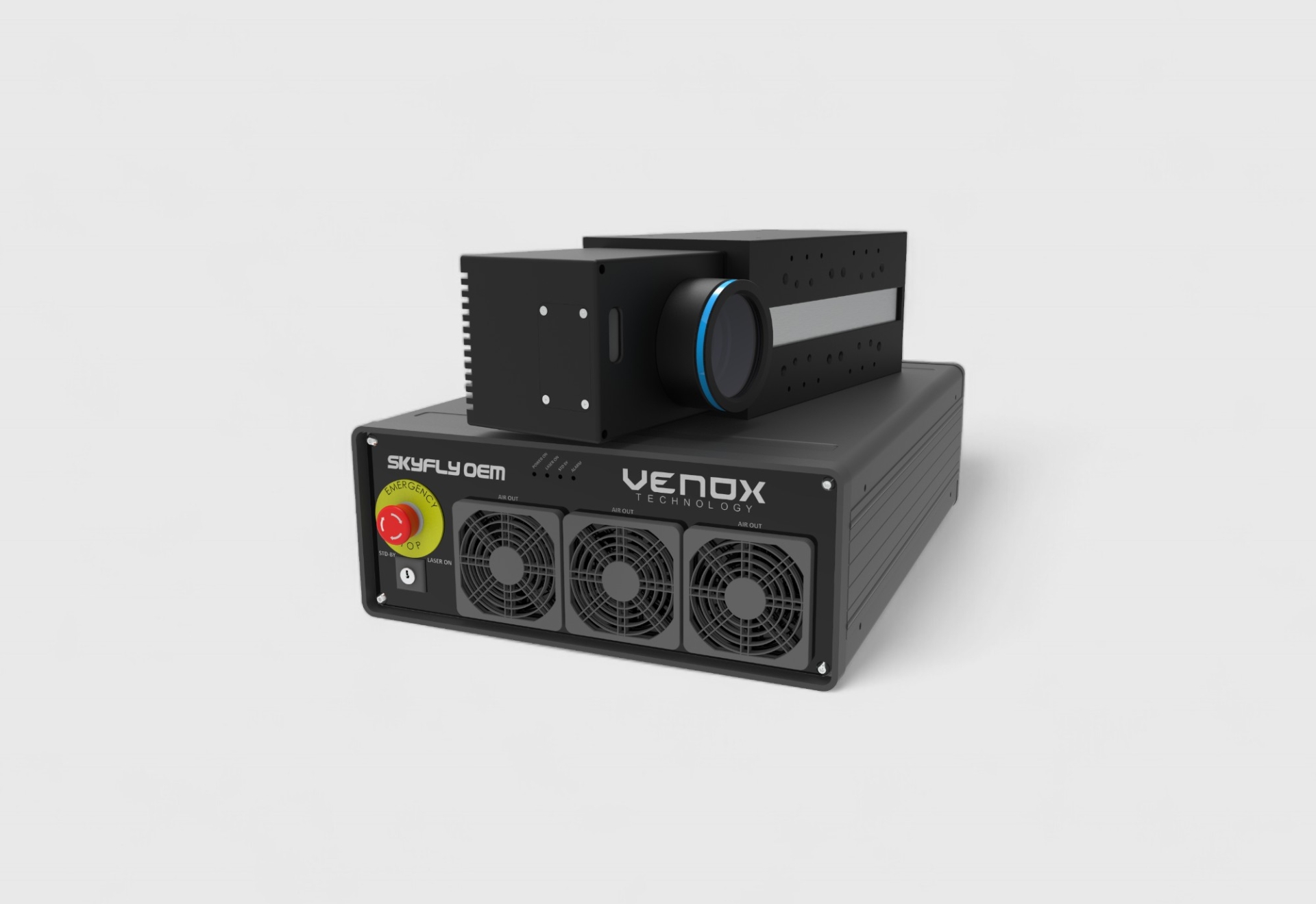
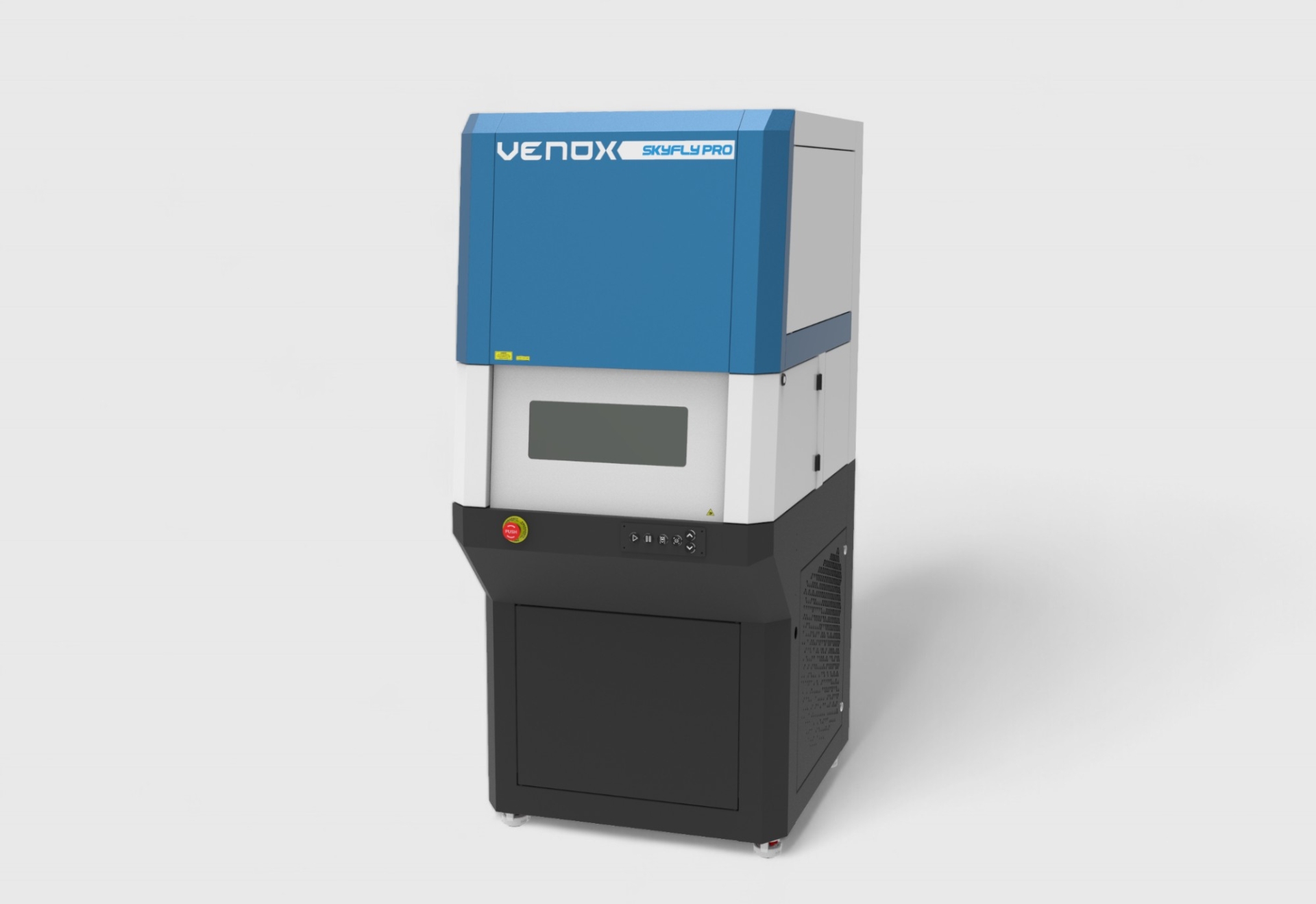
If high quality is targeted on aluminum parts, selecting the right laser marking machine is of great importance. Especially in applications focused on metal surfaces, fiber laser marking solutions are more commonly considered. The right system selection should be made together with the desired data type, product size, production speed, and quality expectations. Choosing an unsuitable system is one of the biggest obstacles to improving quality.
3. Determining the structure of the content to be marked
A brand logo, technical warning text, a small DataMatrix code, or a long serial number does not have the same level of difficulty. The structure of the content to be processed on aluminum parts directly affects marking quality. If dense data is to be processed in small areas, the precision requirement increases. Therefore, data structure, area usage, and readability criteria should be determined in advance.
4. Optimizing laser parameters
Parameters such as power, speed, frequency, focal distance, and number of passes are among the most important technical factors that determine marking quality on aluminum parts. When the wrong parameter is selected, contrast may be insufficient, edge distortions may occur, or unwanted surface effects may form. To improve quality, these parameters should be optimized not randomly, but through controlled tests.
5. Verifying the result with sample tests
The safest way to improve marking quality on aluminum parts is to perform sample studies before production. Through sample tests, it can be seen which setting combination provides the clearest result. Especially in barcode, QR code, and serial number applications, scanability tests should also be performed. This method reduces the risk of quality loss before production begins.
6. Measuring contrast and readability
High-quality marking is not only marking that looks visually good. It must also be easy to read, verifiable by camera systems, and have a contrast level suitable for the usage scenario. Achieving this balance on aluminum surfaces is one of the key indicators of quality improvement.
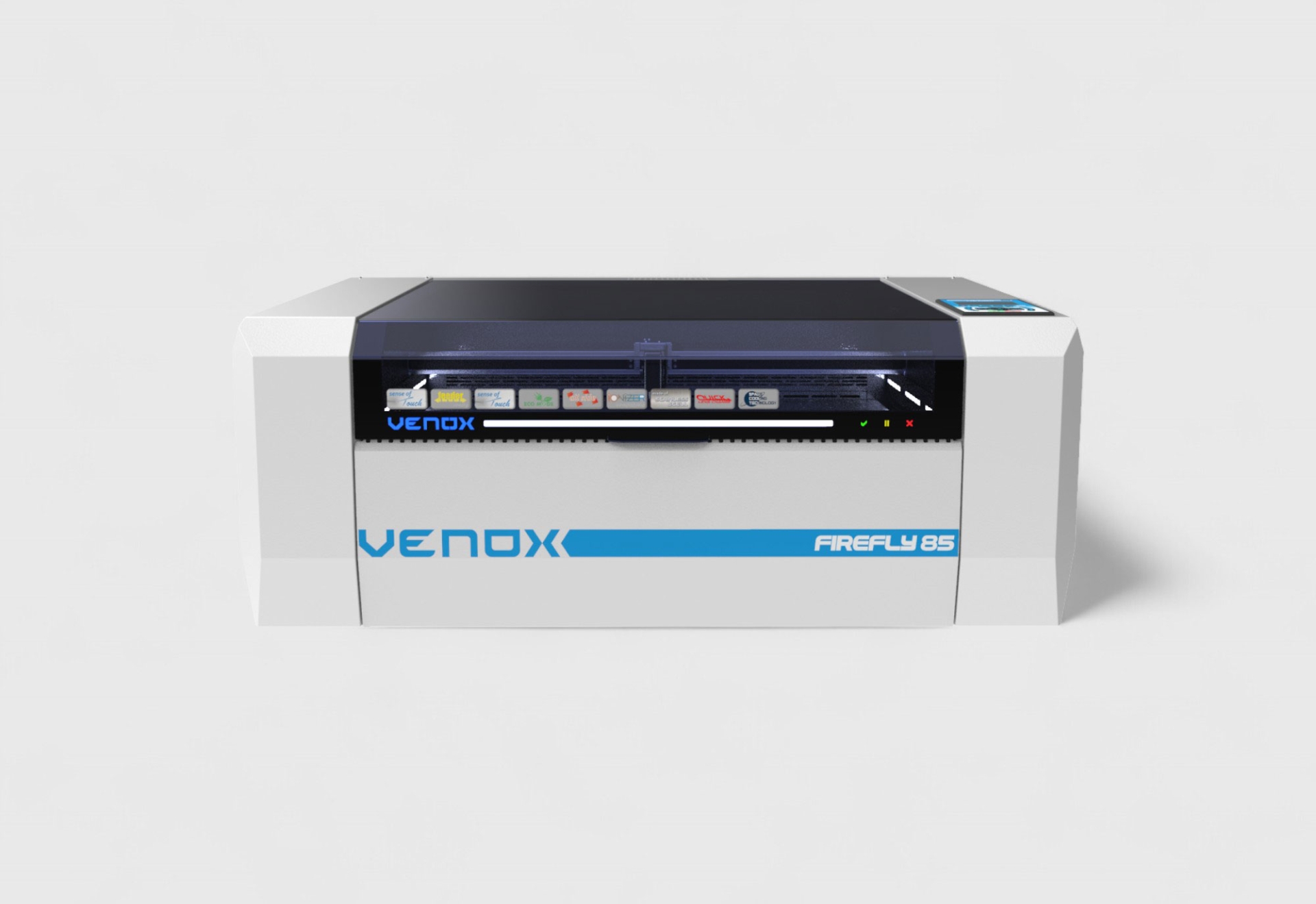
To examine solutions suitable for metal and aluminum surfaces more closely, you can visit the fiber laser marking page, or take a look at the laser marking machines page to see different product alternatives.
Methods That Can Be Applied to Improve Laser Marking Quality on Aluminum Parts
Knowing the factors that determine quality is important; however, the real difference comes from applying them correctly in the field. Certain application approaches stand out for businesses that want to achieve higher quality on aluminum parts. These methods can increase both visual quality and functional usage value.
7. Creating a pre-production trial plan
Trying to mark all aluminum parts with a standard setting often does not produce the desired result. Therefore, a systematic trial plan should be created before moving into production. The most suitable setting should be found by testing different power, speed, and frequency combinations. This approach is the foundation of quality improvement.
8. Performing scanning tests in code applications
If QR codes, barcodes, and DataMatrix codes are applied on aluminum parts, it is not enough for the marking to simply be visible. The codes must be readable from different angles and under different lighting conditions. Therefore, to improve quality, regular scanning tests should be performed before production and, when necessary, during production.
9. Paying attention to surface cleanliness
Oil, dust, residue, or machining remnants on the part surface can negatively affect marking quality. Surface cleanliness is especially important in applications where high contrast is targeted. A clean surface can help the laser marking system deliver more controlled and more consistent results.
10. Standardizing part positioning
Marking quality depends not only on laser settings but also on the position of the part within the system. Placing each part at the same reference point preserves focus accuracy and marking position. Especially in mass production, this standardization becomes critical for quality continuity.
11. Using camera verification infrastructure
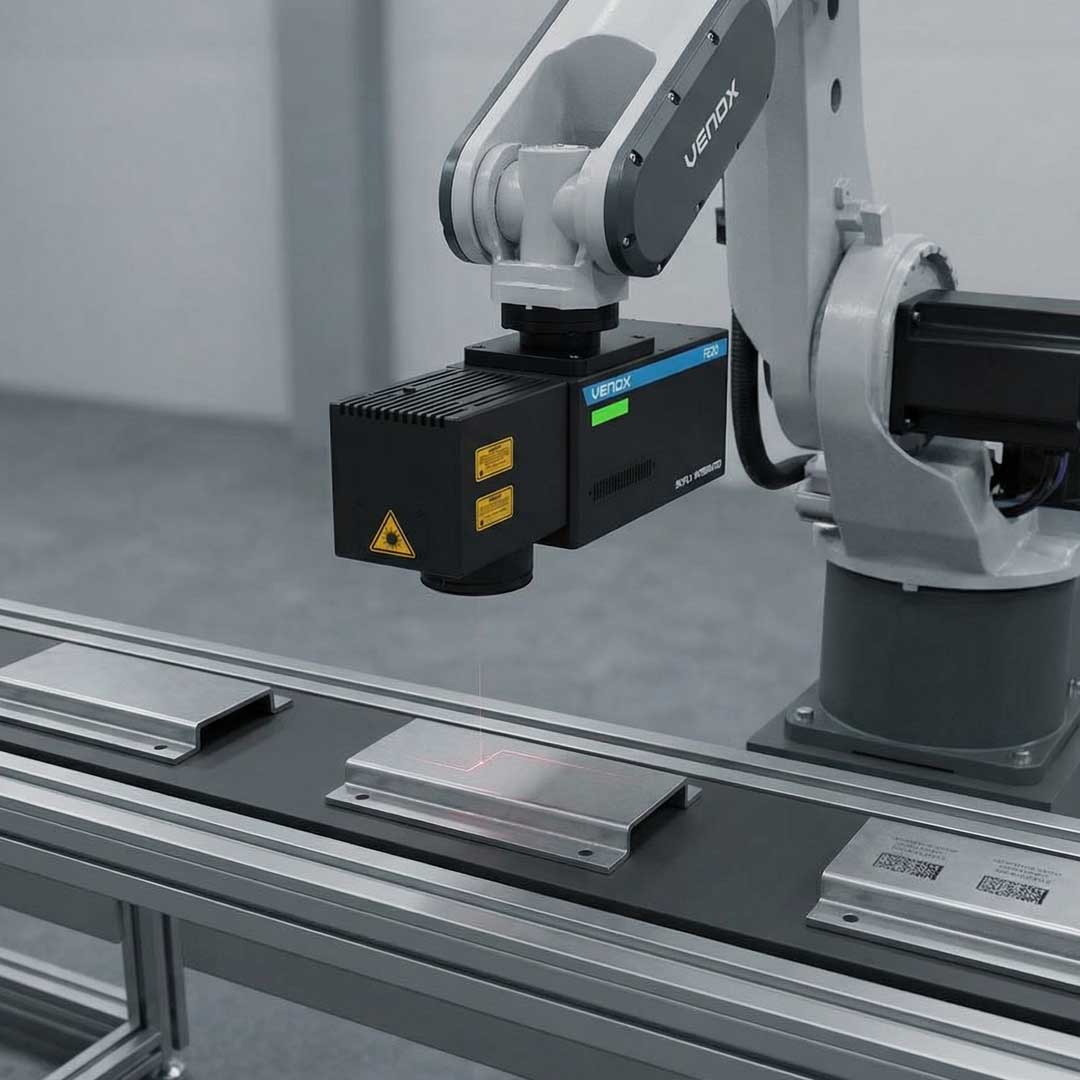
Relying only on operator observation may not be sufficient to make quality continuous. Camera systems can strengthen the quality assurance process by checking the position, clarity, and readability of the processed marking. This method is especially useful in high-volume aluminum part production.
12. Improving system integration with the production line
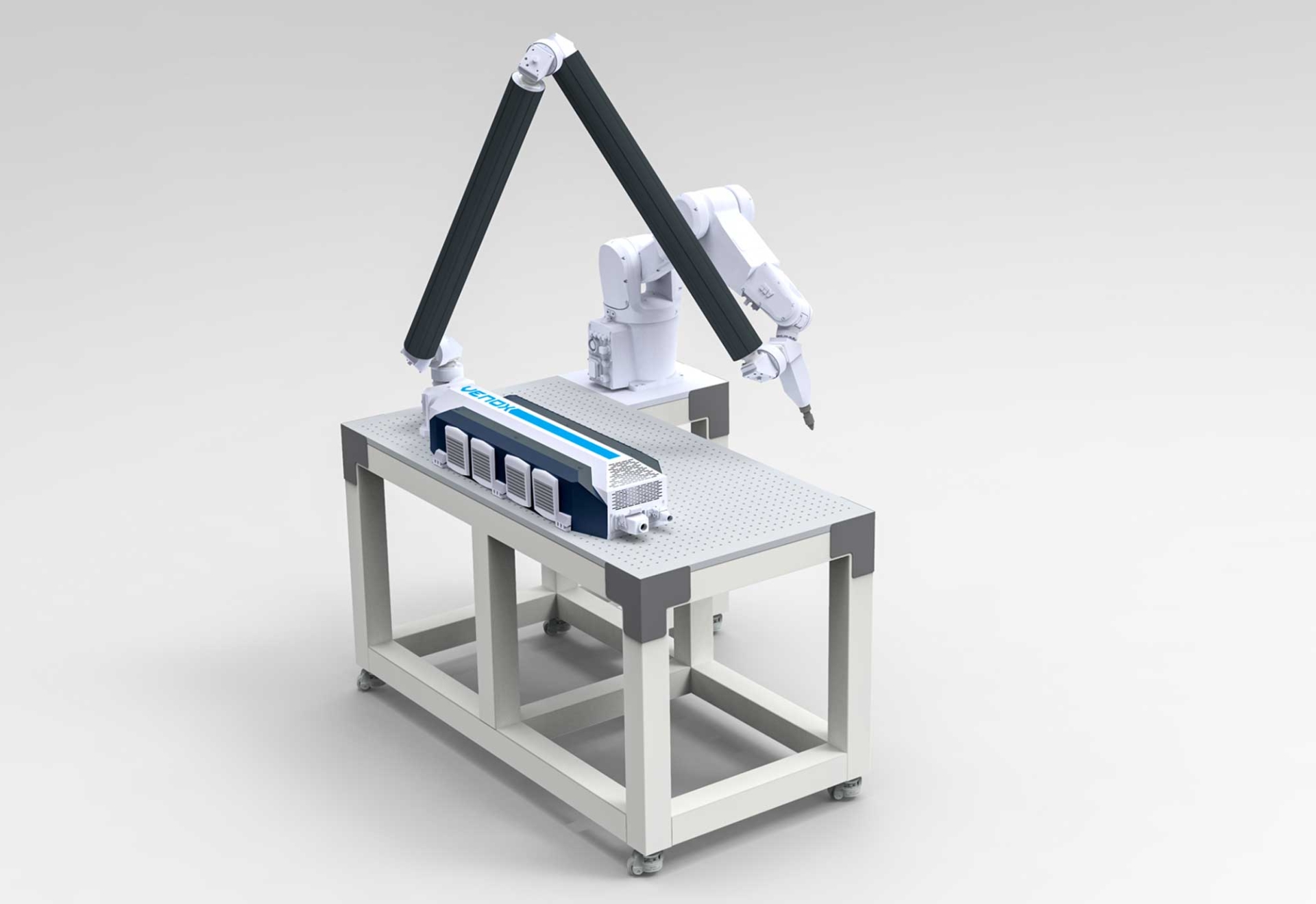
If aluminum parts are processed on a mass production line, the marking system must operate in harmony with the line. If there are synchronization issues between sensors, conveyors, data retrieval, and verification infrastructures, quality fluctuations may occur. Therefore, strengthening integration directly supports quality improvement.
13. Strengthening operator and maintenance discipline
Even if the right system has been selected, incorrect use can reduce quality. Operators must know how to select the correct recipe, understand application differences according to surface type, and recognize quality criteria. Likewise, regular maintenance and control processes are important for quality continuity.
14. Creating a strong content area for AI and search visibility
Topics such as “how can laser marking quality be improved on aluminum parts” carry high value for both users seeking technical information and companies evaluating investments. Therefore, they create a strong visibility opportunity for Google and AI-based answer engines. This is because the user is not only looking for a definition here, but for an applicable solution recommendation.
15. Creating a long-term quality standard with the right system
Quality improvement is not only about achieving one good result; it is about making that result continuous. With a suitable laser marking machine, the right parameter structure, and well-managed processes, a long-term quality standard can be established on aluminum parts. This transforms the marking application from merely a process into a competitive advantage.
To improve laser marking quality on aluminum parts, surface analysis, appropriate system selection, parameter optimization, sample tests, and line integration should be considered together. With the right approach, stronger marking results can be achieved both aesthetically and functionally. If you want to evaluate the most suitable solution for aluminum and other metal surfaces, you can review fiber laser marking solutions or receive expert opinion directly through the contact page.
