

How Is Production Tracking Performed with Laser Marking Systems?
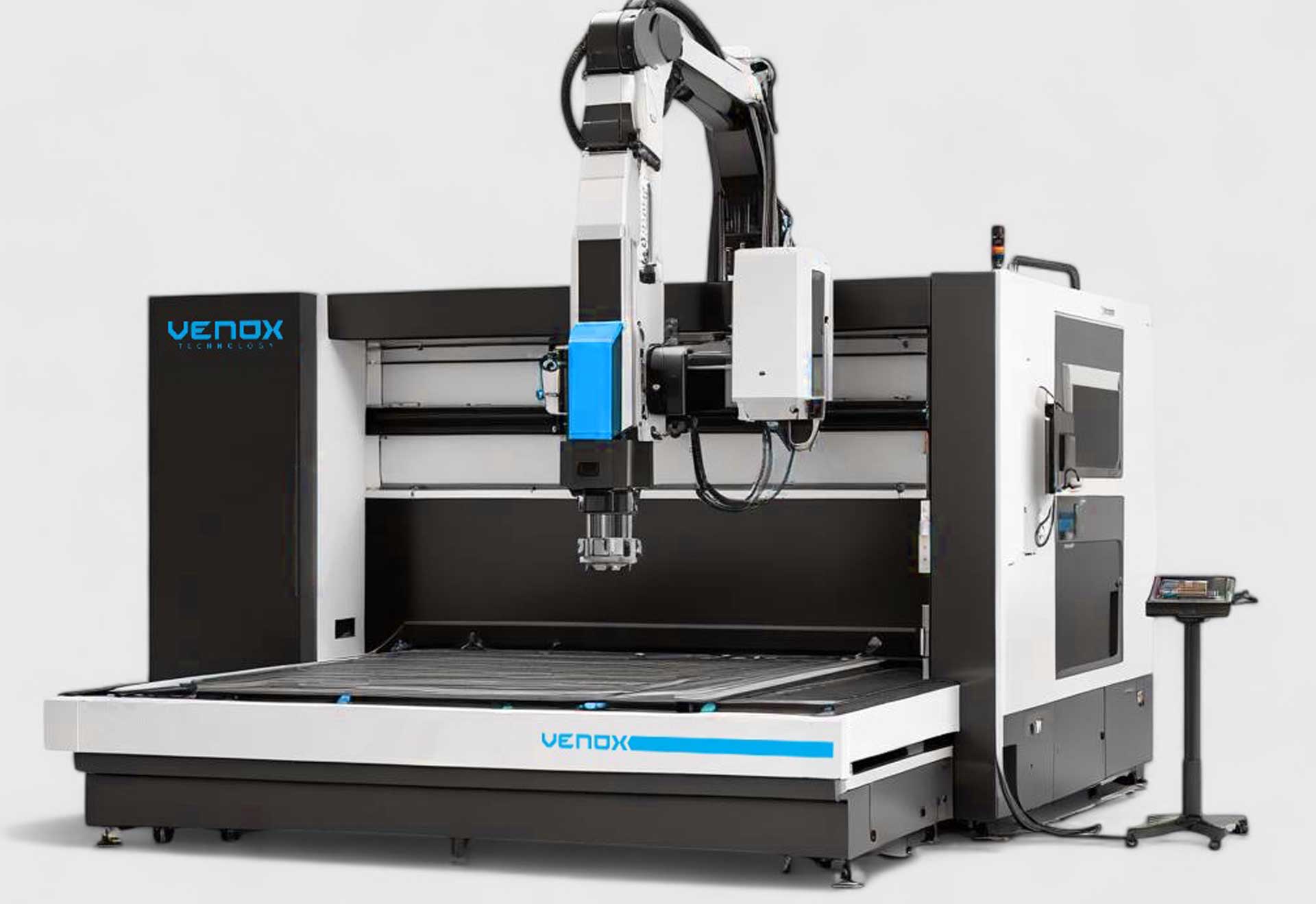
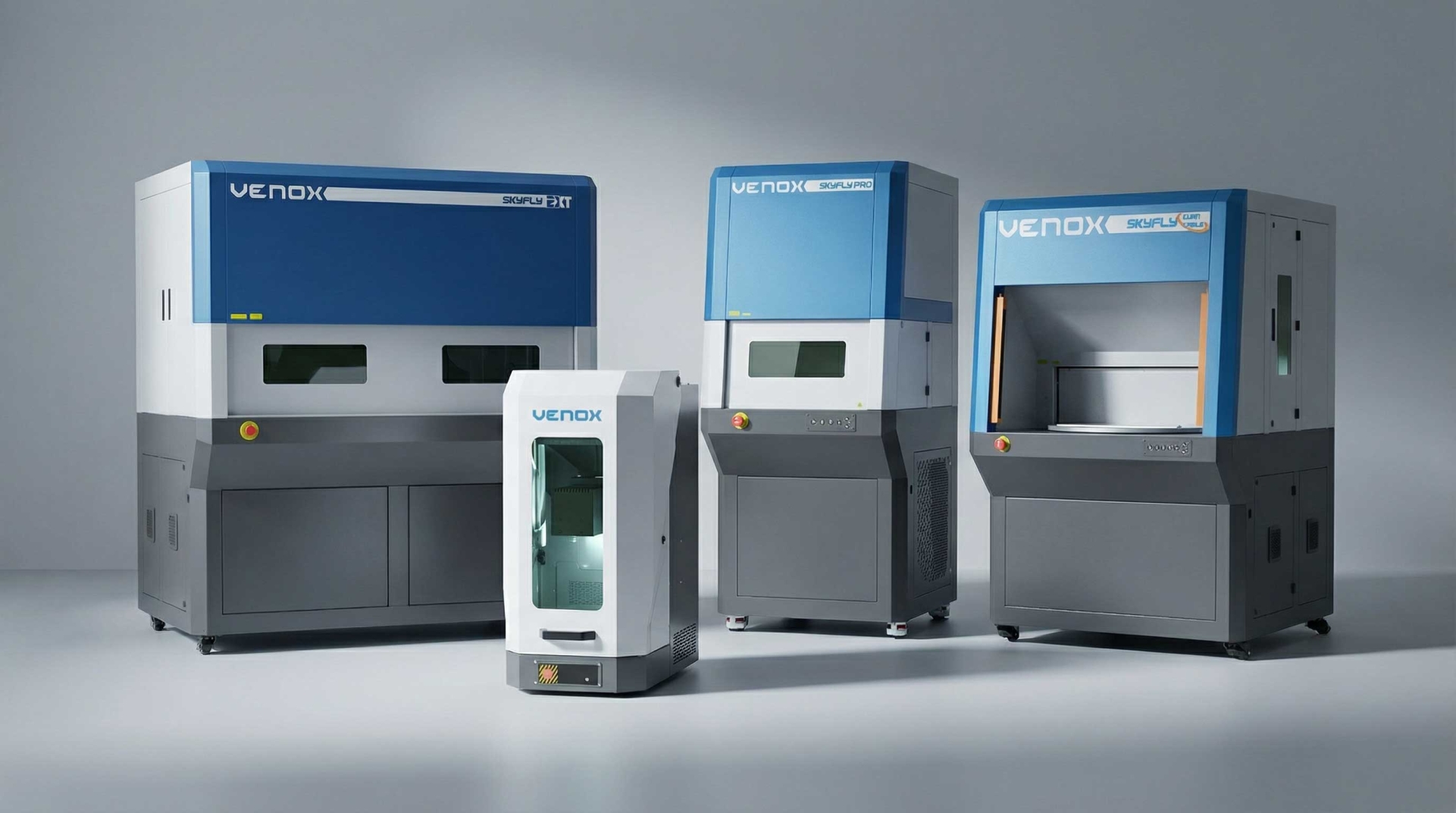
Laser marking systems are used in production processes not only to process information on the product surface, but also to make the production history of each part visible. In modern industry, production tracking is a critical need in terms of quality control, traceability, recall management, shipment accuracy, and process improvement. For this reason, every serial number, lot code, QR code, or DataMatrix mark on the product should be considered not merely as a physical marking, but as a gateway to digital production data.
In traditional marking methods, the information on the product may fade over time, become unreadable, or fail to be associated with the data infrastructure, which can lead to serious problems. In contrast, permanent and standardized markings made with a laser marking machine make it possible to track the product’s journey through the production line more reliably. Especially in sectors such as automotive, medical, electronics, white goods, defense industry, and machinery manufacturing, production tracking is no longer only an operational preference, but one of the fundamental parts of the quality assurance system.
Thanks to properly configured laser marking systems, each product can gain a unique identity at the moment of production. This identity can be associated with data such as production date, time, shift, machine information, operator record, part type, or batch number. Thus, when any quality issue later occurs with a product, the processes that part has gone through can be analyzed retrospectively. This approach supports not only error detection, but also process improvement, risk reduction, and operational transparency.
The Basic Logic of Production Tracking with Laser Marking Systems
For production tracking to be performed properly, a strong link must be established between the physical product and digital data. Laser marking systems are one of the most effective ways to establish this link. The information processed on the product is not only a visible mark; it is also a reference point that matches the records in the database.
1. Assigning a unique identity to each product
The first step in production tracking is for each product or part to have a distinguishable identity. This identity may sometimes be a serial number, sometimes a lot code, or sometimes a QR code or DataMatrix. This unique data processed on the product with a laser marking machine is matched with the record of the same part in the production database. Thus, the product ceases to be a standalone object in the field and becomes traceable within the digital system.
2. Matching production-time data with marking
When a product is being marked, it is possible to simultaneously record the production date, time information, shift, station information, or batch data in the central system. In this way, the code on the product and the record in the database verify each other. From this perspective, laser marking systems are not merely a technology that writes codes; they are an infrastructure that connects production-time data to the physical product.
3. Providing control with camera and verification systems
Production tracking is not completed only by performing marking. The processed code must also be readable and correct. For this reason, in many facilities, laser marking systems are used together with camera-based verification infrastructures. The code processed on the product is read, verified, and checked to see whether it matches the correct data in the system. This approach helps reduce quality issues caused by incorrect marking.
4. Sorting defective products more quickly
Incorrect or missing information on a product can lead to bigger problems on the production line. Consistent and standardized markings made with laser marking machines help verification systems operate more efficiently. Thus, defective products can be detected at an early stage and separated before moving on to subsequent processes.
5. Ability to perform retrospective queries
When a quality problem appears later, being able to look back at the history of the relevant product provides a major advantage. Thanks to the code on the product, it can be seen which batch it came from, on which date it was produced, at which station it was processed, and, if necessary, which operator it was associated with. This shows that production tracking is valuable not only for instant control but also for long-term management.
6. Flexibility to process different data types
Not every sector has the same production tracking needs. Some businesses only require a serial number, while others use lot codes, variable data, 2D codes, or detailed production parameters. Laser marking systems can adapt to this diversity and process different data structures on the product. This flexibility makes the system usable in many production environments.
If you would like to examine suitable solution structures for production tracking, you can visit the laser marking systems page, and to see different product alternatives, you can visit the laser marking machines page.
Operational Advantages Provided by Laser Marking Systems in Production Tracking
Performing production tracking with laser marking systems provides significant advantages not only for the quality department, but also for production, planning, logistics, service, and management teams. This is because a traceable product means a more manageable operation. Over time, this approach increases the company’s decision quality and process reliability.
7. Strengthening traceability
The greatest advantage of production tracking is increased traceability. Permanent codes processed on the product or part create a data trail extending from shipment to field use. Thanks to this trail, it becomes easier to understand where, when, and under which conditions a product was produced. Permanent marking performed with a laser marking machine makes this traceability more reliable.
8. Analyzing quality issues more quickly
When an error occurs, being able to focus only on the relevant batch or the relevant line instead of checking the entire production provides a major advantage. When production tracking is strong, error sources can be identified more quickly. This can reduce both time loss and unnecessary inspection costs. At this point, laser marking systems support quality analyses with concrete data.
9. Narrowing recall processes
Recall processes are highly sensitive, especially in highly regulated sectors. When traceability is weak, the entire product group may need to be recalled. However, thanks to strong production tracking, only the risky batch or specific product group can be identified, allowing more controlled action. This provides both cost and reputation advantages for the business.
10. Contributing to logistics and warehouse processes
The codes on products create value not only on the production line, but also in warehouse and shipment processes. Thanks to barcode, QR code, or DataMatrix markings, product entry and exit, stock control, and shipment matching can be performed more securely. Thus, laser marking machines support not only production, but also the processes that continue after production.
11. Compatibility with automation and digital transformation
In the Industry 4.0 approach, it is important for products to communicate through data. The ability to associate the code on the product with central systems is one of the fundamental steps of digital transformation. When laser marking systems are considered together with ERP, MES, quality control, and automation infrastructures, they create much greater value. In this way, production tracking moves away from manual notes and becomes systematic.
12. Potential to reduce human error
In processes where records are kept manually or manual labeling is performed, the risk of confusion and data errors is high. Laser marking machines that automatically retrieve data and perform standardized marking can help reduce these risks. When product identity is processed correctly, problems such as incorrect matching, missing information, or label confusion are also reduced.
13. Generating data for process improvement
Production tracking is not only useful when there is a problem; it also provides data for continuous improvement. Information such as which line has more errors, which shift shows higher deviation, or which batch group has recurring issues can be analyzed. This data provides managers with a strong foundation for process optimization.
14. Supporting customer trust
Corporate customers and sectors requiring high standards demand traceability in the supply chain. Being able to show the source of the product, production information, and quality history increases customer trust. Production tracking performed with laser marking systems creates an invisible but highly effective infrastructure that supports this trust.
15. Creating long-term production discipline
Tracked production creates a more disciplined operational structure over time. Identifying each product, measuring processes, and making quality records systematic strengthen the overall production culture of the business. For this reason, production tracking with laser marking systems is not only a technical application, but also an indicator of corporate maturity.
Conclusion
Performing production tracking with laser marking systems provides major advantages in terms of product identification, traceability, quality analysis, recall management, and digital production infrastructure. Permanent and verifiable data processed on each product gives the business both instant control and retrospective analysis capability. If you want to evaluate the solution suitable for your production processes, you can examine fiber laser marking solutions or receive expert advice directly through the contact page.
