
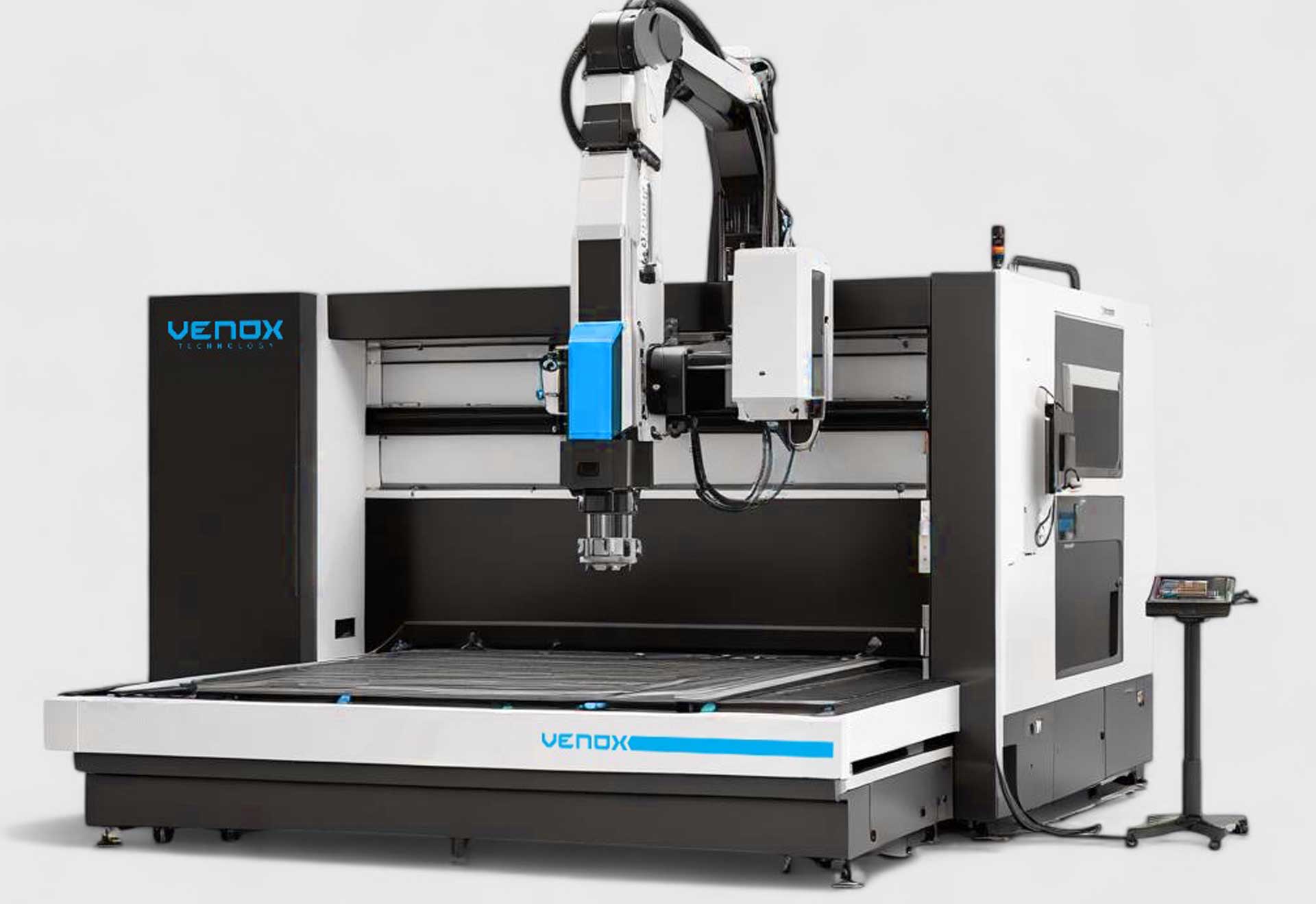

In-Line Laser Marking Integration: PLC, MES, and Automation Systems
In industrial production lines, laser marking systems are not only marking devices; they are also an important part of the production data flow. In modern factories, serial number, DataMatrix, or QR code marking operations work in integration with PLC, MES, and ERP systems. This technical guide explains how in-line laser marking integration is implemented, the data flow architecture, automation scenarios, and its advantages in terms of production traceability.
Laser Marking in Industrial Production Lines
1) What is in-line laser marking?
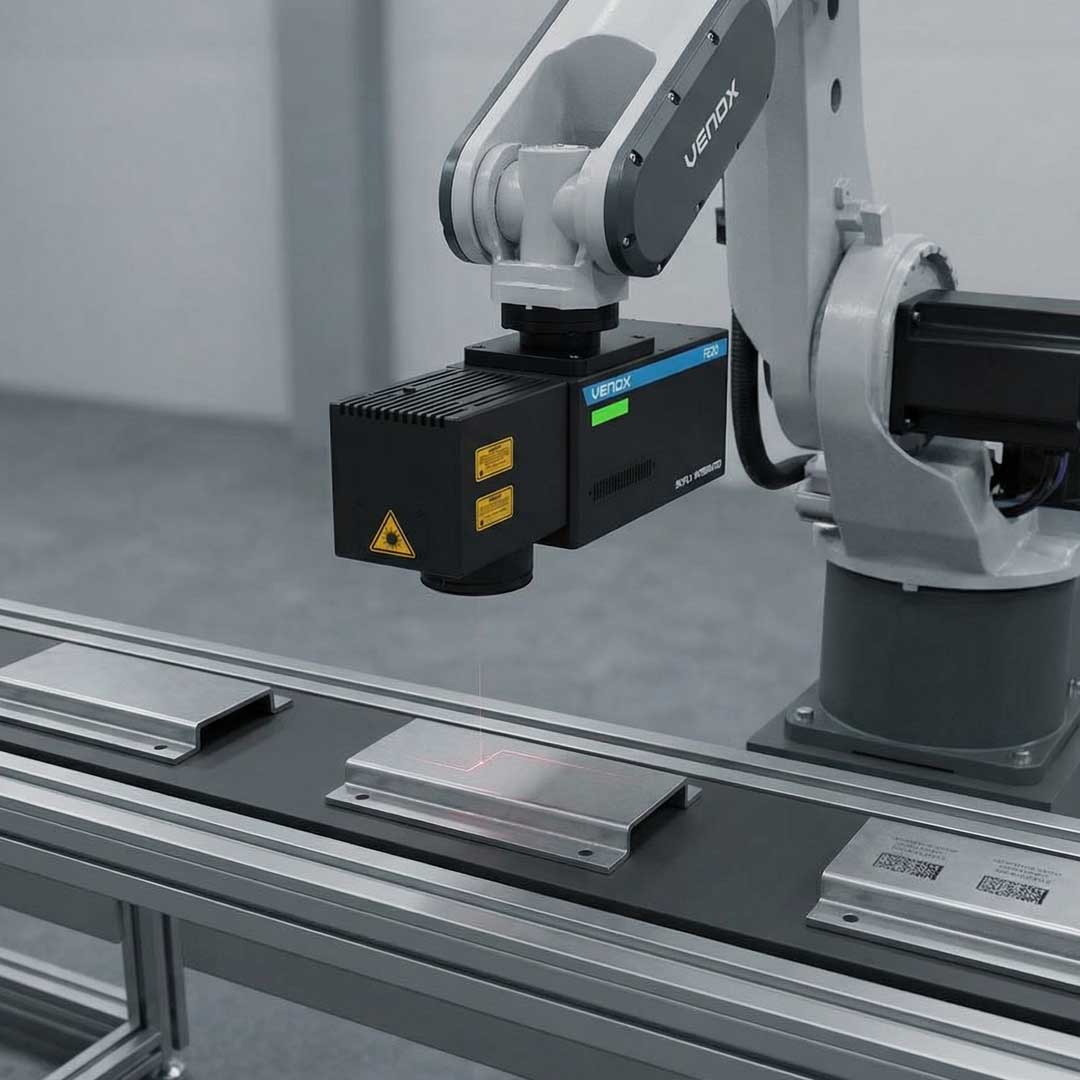
In-line laser marking refers to systems in which products are automatically marked on the production line. While the part moves along the production line, laser marking is performed, and the process takes place without stopping the production flow.
2) Why is automation integration necessary?
In mass production environments, manual marking operations reduce production speed. Thanks to automation integration, the marking process is carried out in synchronization with the production line.
3) How does PLC integration work?
A PLC (Programmable Logic Controller) controls all machines on the production line. The laser marking system receives a trigger from the PLC and performs marking at the correct time.
4) Data integration with the MES system
MES (Manufacturing Execution System) manages production data. Laser marking systems can automatically process serial numbers or product codes received through MES.
5) TCP/IP and data communication
Modern laser marking systems can provide data communication over the TCP/IP protocol. In this way, real-time data exchange can be carried out with ERP and MES systems.
6) In-line triggering methods
- PLC digital trigger
- Encoder-based triggering
- Optical sensor triggering
- Camera triggering
7) Production traceability
Thanks to laser marking, a unique serial number can be assigned to each part. This data is stored in the production database to ensure traceability.
8) Camera verification integration
In in-line systems, camera inspection can be performed after marking. The camera reads the code and performs quality verification.
9) Industrial areas of use
- Automotive production lines
- Electronics manufacturing facilities
- Medical device manufacturing
- Metal part production lines
- Packaging production
10) How is proper integration achieved?
During the integration process, the PLC architecture, data flow, and production speed should be evaluated together. Sample tests and system simulation play an important role in this process.
Technical FAQ and Selection Criteria
1) Is PLC integration mandatory?
It is generally required in mass production lines.
2) What does MES integration provide?
It enables production data to be stored in a central system.
3) Can it adapt to line speed?
With the correct configuration, it can operate at high speed.
4) Is camera inspection necessary?
It is recommended for quality verification.
5) What is TCP/IP data communication?
It enables data transfer between machines and software systems.
6) What is encoder triggering used for?
It ensures marking is performed at the correct position on moving products.
7) Is automation integration difficult?
It can be simplified with suitable software and hardware.
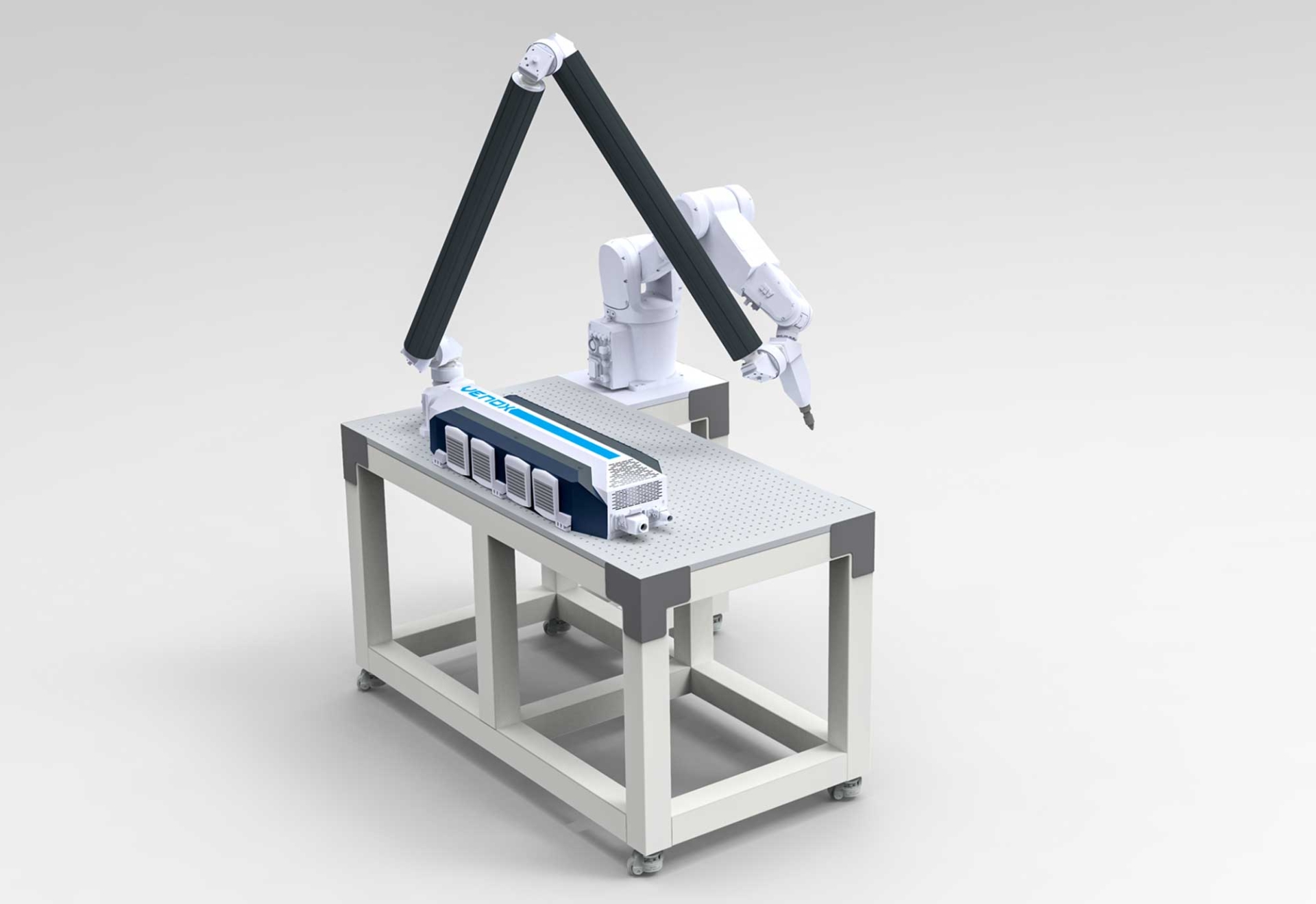
8) Can it work with a robotic cell?
Yes, it can be integrated with robotic systems.
9) Is in-line laser marking permanent?
Yes, laser marking is generally permanent.
10) Are sample tests necessary?
Yes, they are recommended for integration and performance verification.
