
In Which Areas Are Industrial Laser Marking Machines Used?
Industrial laser marking machines are powerful systems that enable products, parts, and surfaces to be marked permanently, quickly, and without contact in industrial production processes. These machines are used to apply serial numbers, barcodes, QR codes, DataMatrix codes, production dates, batch numbers, logos, and technical information directly onto product surfaces.
Today, product identification, traceability, quality control, and compliance with standards are highly important for manufacturing companies. For this reason, laser marking machines are regarded not only as marking equipment but also as a strategic technology that strengthens production management.
What Are Industrial Laser Marking Machines?
Industrial laser marking machines are marking systems designed to operate for long periods with high performance in intensive production environments. These systems use a laser beam in a controlled manner to create permanent marks on different material surfaces.
The laser beam is focused on the surface to be marked and, depending on the structure of the material, creates a color change, engraving, annealing, foaming, or surface effect. Since no physical contact is applied to the surface during the process, sensitive parts can be marked safely.
Why Is Industrial Laser Marking Preferred?
In industrial environments, the marking process must be fast, accurate, durable, and repeatable. Although labeling or ink-based printing methods may be sufficient for certain applications, problems such as fading, detachment, or illegibility may occur under demanding production conditions.
Laser marking offers a more permanent solution because it applies information directly onto the product surface. This feature provides a significant advantage, particularly for companies with high-volume production that prioritize product tracking.
Applications in the Automotive Industry
The automotive industry is one of the areas where industrial laser marking machines are most widely used. Thousands of parts used in vehicle production must be traceable. Serial numbers, part codes, production dates, or DataMatrix codes applied to these parts support production and quality control processes.
Engine parts, braking systems, chassis components, bearings, fasteners, aluminum parts, and plastic automotive components can be marked with a laser. This makes it easier to track parts from production to assembly and from assembly to after-sales service.
Advantages of Laser Marking in the Automotive Industry
- Strengthens part traceability.
- Serial numbers and part codes can be applied permanently.
- Can be integrated into high-volume production lines.
- Provides readable coding on metal and plastic parts.
- Simplifies quality control and recall processes.
Applications in Metalworking and Machinery Manufacturing
A large proportion of the parts produced in the metalworking and machinery manufacturing industries require permanent marking. Gears, bearings, molds, cutting tools, fasteners, sheet metal parts, and custom-manufactured mechanical components can be marked with a laser.
Fiber laser marking technology is widely used on stainless steel, aluminum, brass, copper, titanium, and coated metal surfaces. Laser marking on metal parts prevents product mix-ups and makes quality processes more controlled.
Laser Marking in the Medical Industry
Products in the medical industry must be reliable, hygienic, and traceable. Laser marking can be used on surgical instruments, implants, medical device components, stainless steel equipment, and titanium components.
It is important for markings on medical products to withstand sterilization processes. Since laser marking is applied directly onto the product surface, it can provide permanent identification without requiring labels or ink.
Information That Can Be Applied to Medical Products
- Serial number
- Manufacturer information
- Model and size code
- QR code or DataMatrix code
- Technical symbols
- Traceability information
Applications in the Electronics and Electrical Industries
In the electronics and electrical industries, small parts, sensitive surfaces, and technical components must be marked clearly. Industrial laser marking machines stand out in this field due to their ability to create readable and precise markings even on small surfaces.
Electronic components, metal enclosures, sockets, switch parts, cable ends, circuit components, and certain plastic surfaces can be marked with a laser. Model codes, serial numbers, production dates, or safety markings can be applied to products.
Laser Marking in the Defense Industry
Parts used in the defense industry require high levels of security, durability, and traceability. For this reason, it is important that markings on products remain intact and legible for long periods.
Metal body parts, aluminum components, special fasteners, equipment parts, and technical components can be marked with a laser. Serial numbers, production codes, technical markings, and security codes can be applied permanently to product surfaces.
Applications in Plastic Injection Molding
Logos, part codes, serial numbers, production dates, or technical symbols can be applied to products manufactured through plastic injection molding. When laser marking plastic surfaces, the chemical structure of the material must be evaluated carefully.
While the laser beam causes a color change in certain plastics, foaming or a surface texture may occur on others. Therefore, test marking before application is important for achieving the correct result on plastic products.
Applications in the Packaging Industry
In the packaging industry, products must be marked with production dates, expiry dates, batch codes, and tracking information. Industrial laser marking machines enable permanent coding on suitable surfaces without the use of consumables.
Metal caps, plastic packaging components, cardboard surfaces, glass packaging, and special packaging parts can be marked with a laser. By reducing the need for ink and labels, laser marking can provide a cleaner process in the production area.
Applications in White Goods and Household Appliance Manufacturing
In the manufacture of white goods and small household appliances, product information, model codes, serial numbers, and logos can be marked on metal, plastic, and coated parts. Since these products are used for many years, it is important for the markings to be durable.
Laser marking can create a product identity that is more resistant to external factors such as temperature, humidity, cleaning chemicals, and mechanical contact. For this reason, it may be preferred for permanent marking in the white goods industry.
Applications on Jewelry, Accessories, and Promotional Products
Industrial laser marking machines are used not only in heavy industrial production but also in areas that require aesthetics and personalization. Logos, names, patterns, or special messages can be applied to jewelry, accessories, metal pens, plaques, keychains, and promotional products.
Thanks to its ability to process fine details, laser marking provides professional and aesthetically pleasing results on personalized products.
On Which Materials Are Industrial Laser Marking Machines Used?
Industrial laser marking machines can be applied to different material groups when the correct laser source and suitable parameters are used. Since each material reacts differently to the laser beam, material analysis should be performed before application.
- Stainless steel
- Aluminum
- Brass and copper
- Titanium
- Galvanized surfaces
- Coated metals
- Plastic products
- Glass surfaces
- Ceramic parts
- Leather, wood, and certain organic materials
Industrial Laser Marking on Production Lines
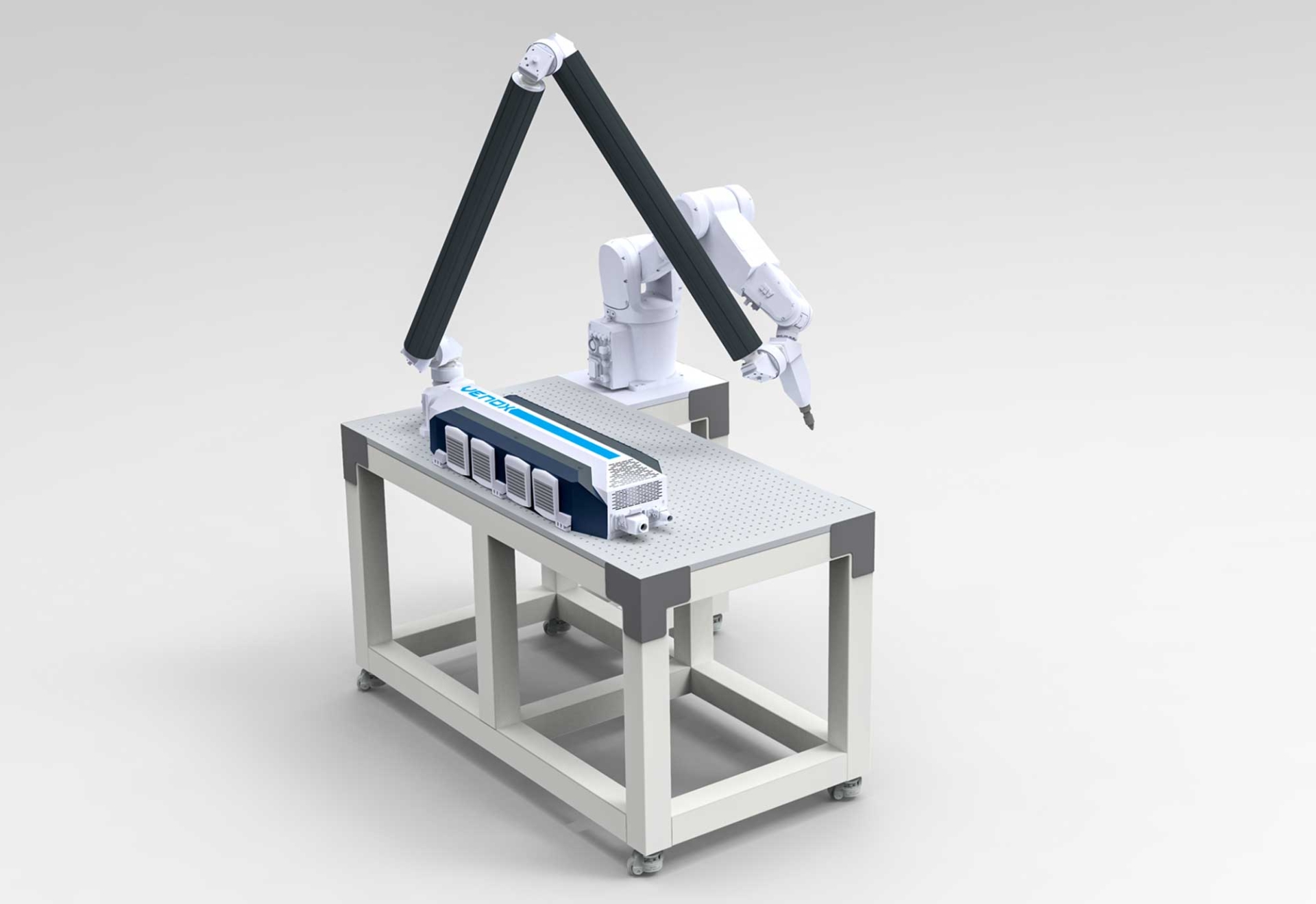
Industrial laser marking systems can be configured for integration into production lines. They can operate together with conveyor systems, robotic arms, PLC infrastructures, camera systems, barcode readers, and production tracking software.
As the product moves along the line, the system can detect it, select the correct marking data, and perform the process automatically. This structure provides speed and consistent quality in high-volume production.
What Information Can Be Applied with Industrial Laser Marking?
Laser marking machines can permanently apply a wide range of information required in industrial production onto product surfaces. This information is important for both product identity and production tracking.
- Company logo
- Product name and model code
- Serial number
- Batch and lot number
- Production date
- Expiry date
- Barcode
- QR code
- DataMatrix code
- Technical symbols
- Quality control codes
Advantages of Industrial Laser Marking Machines
Industrial laser marking machines provide companies with significant advantages in terms of quality, speed, cost, and traceability. These advantages offer long-term efficiency, particularly for companies engaged in mass production.
They Provide Permanent Marking
Since laser marking applies information directly onto the product surface, it provides durable and long-lasting identification. Risks such as labels detaching or ink fading are reduced.
They Reduce the Need for Consumables
In most applications, the laser marking process does not require consumables such as ink, labels, solvents, or ribbons. This can provide a long-term cost advantage.
They Perform Contactless Processing
No physical contact is applied to the product surface during marking. This feature helps ensure that sensitive parts are marked without being damaged.
They Offer High Precision
Small text, detailed logos, microcodes, and DataMatrix applications can be processed with high precision. This feature is important in industries such as electronics, medical, and automotive.
They Are Compatible with Automation Systems
Industrial laser marking machines can perform automatic marking through integration into production lines. This reduces operator errors and makes the production flow more controlled.
What Should Be Considered When Selecting an Industrial Laser Marking Machine?
When selecting the correct laser marking machine, the price or power of the device should not be the only factors considered. The entire application must be analyzed, and a system suitable for the production requirements must be identified.
- The type of material to be marked must be determined.
- The type of information to be processed must be clarified.
- The marking area and product dimensions must be evaluated.
- The speed of the production line must be considered.
- The readability of QR codes, barcodes, and DataMatrix codes must be tested.
- The need for automation integration must be analyzed.
- The technical service and after-sales support process must be reviewed.
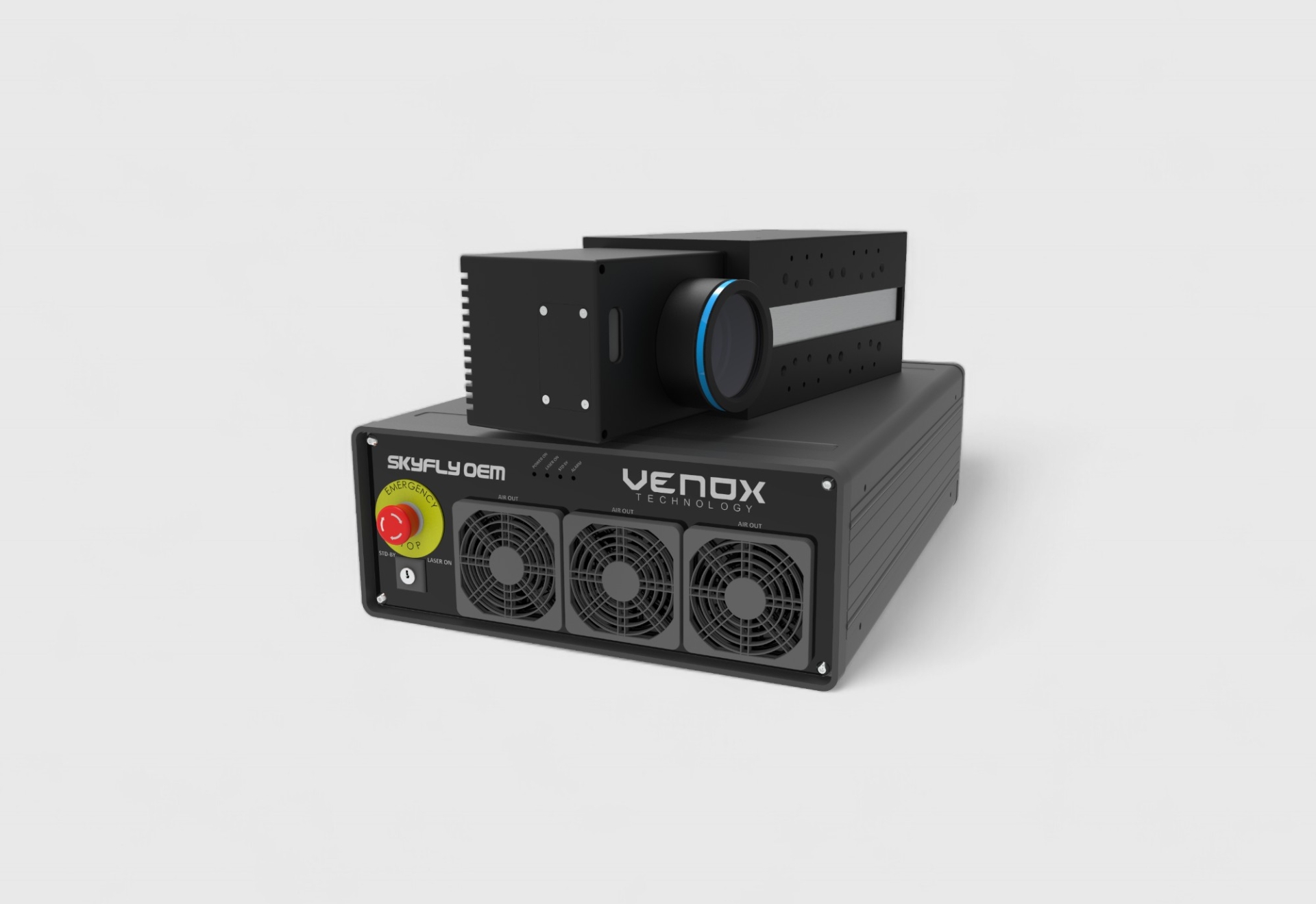
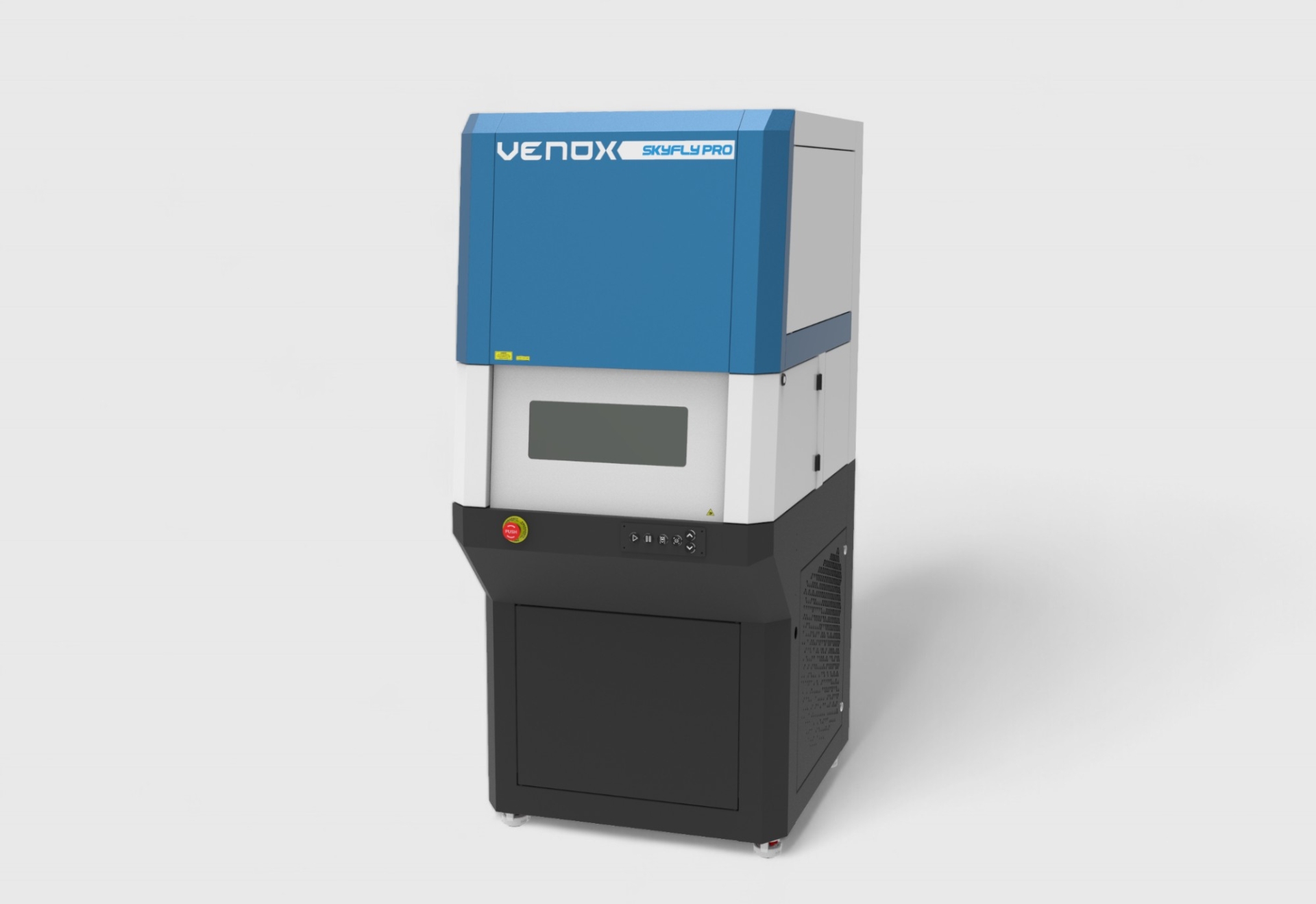
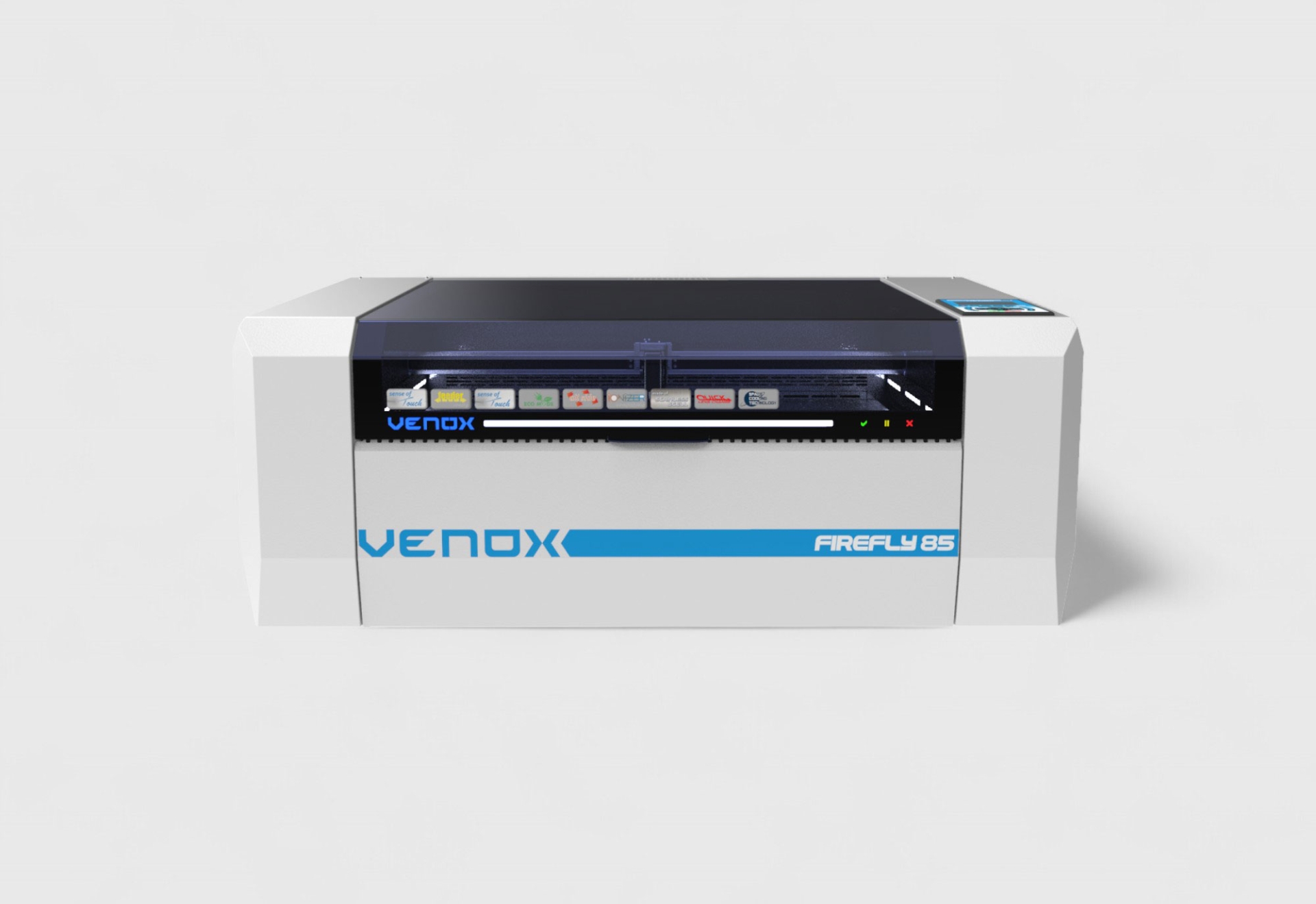
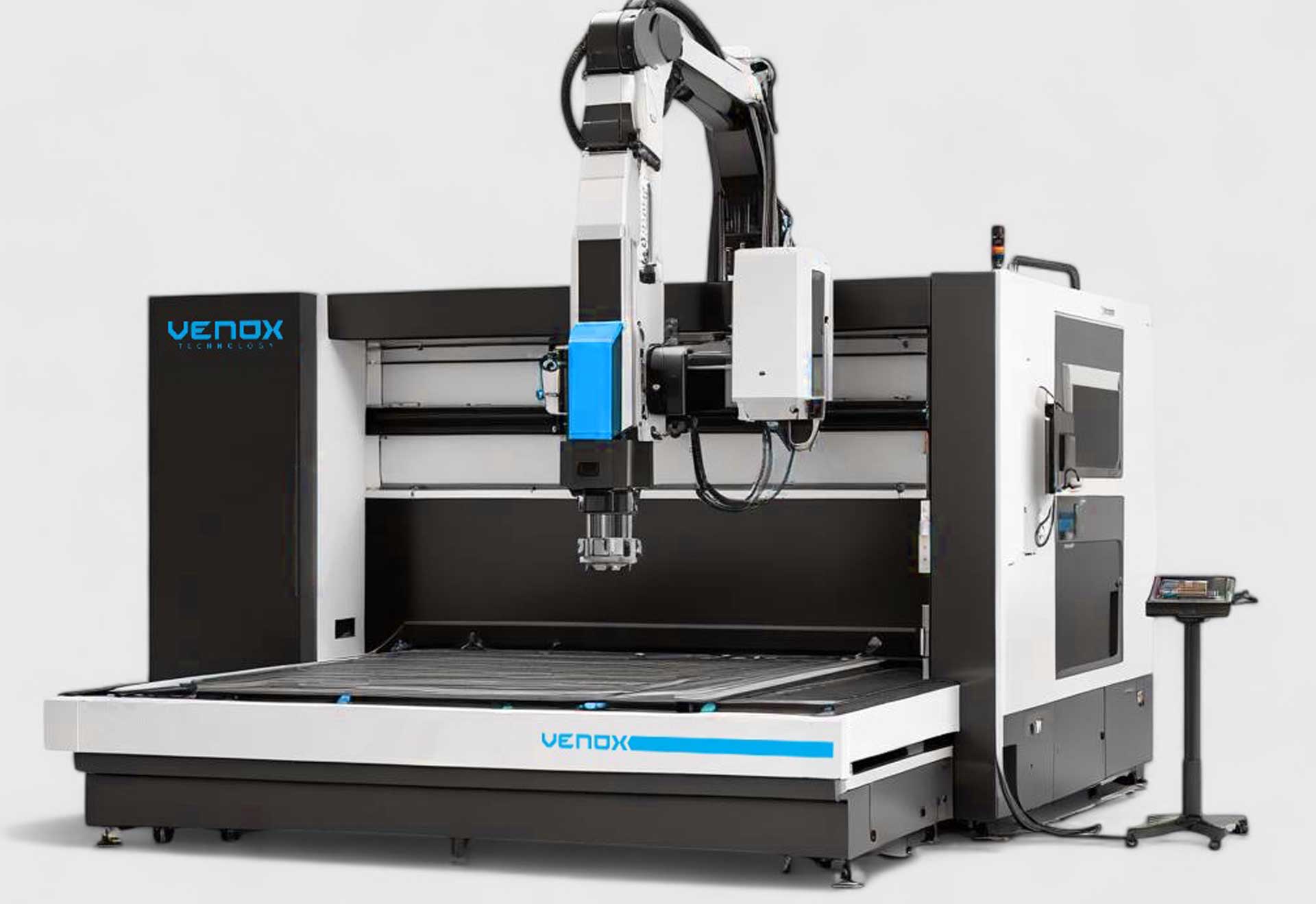
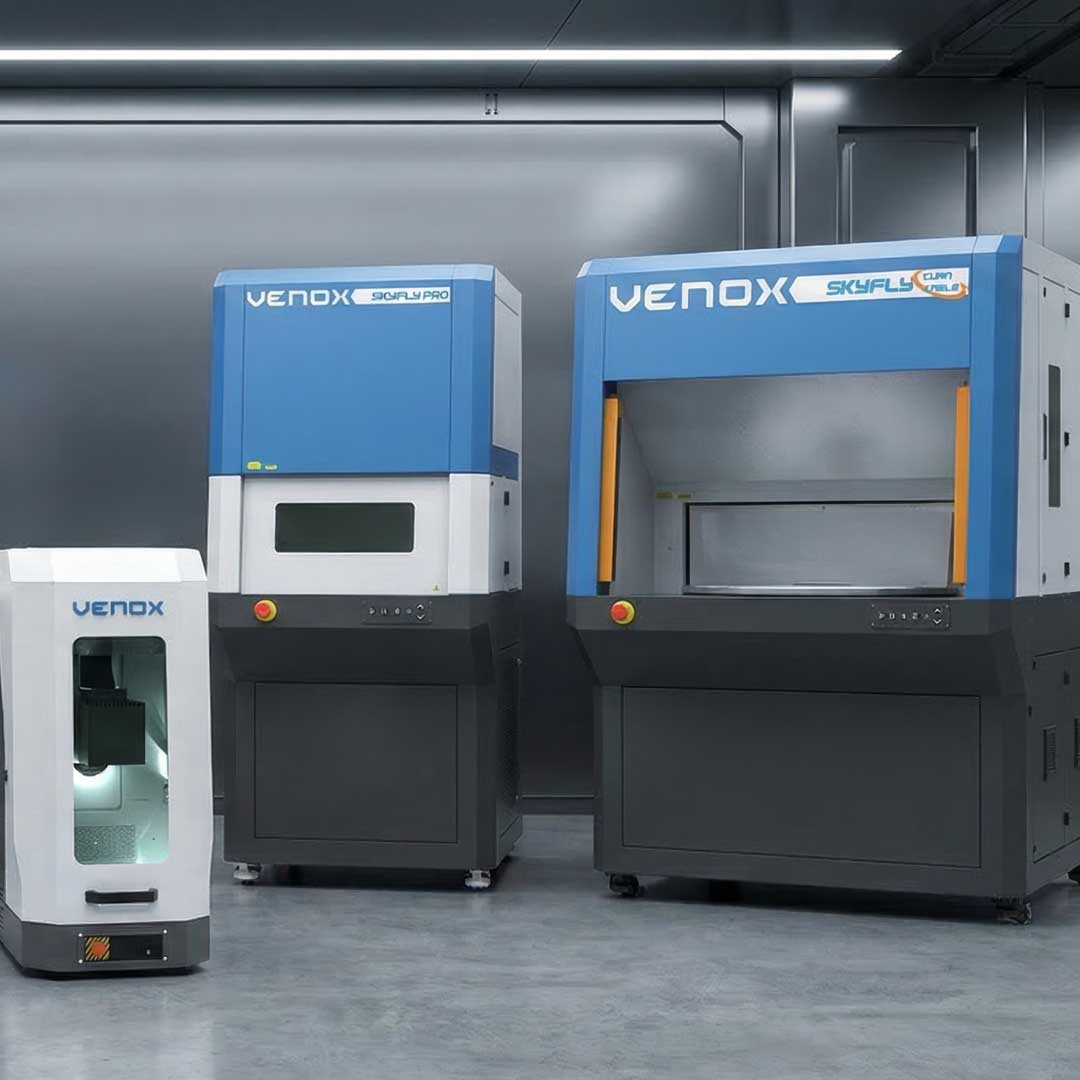
Venox Industrial Laser Marking Machines
Venox offers permanent, fast, and reliable marking solutions with its Laser Marking Machines, designed to meet the production requirements of different industries. Suitable system options can be evaluated for many fields, including automotive, metalworking, medical, electronics, defense, plastic production, and packaging.
You can benefit from Venox laser technologies to make your company’s marking process more traceable, professional, and efficient. To obtain detailed information, have your products analyzed, or request a quotation, you can contact the Venox team through the Contact Us page.
Conclusion: Industrial Laser Marking Has a Wide Range of Applications
Industrial laser marking machines are powerful industrial systems used in many fields, from automotive and medical to metalworking, electronics, defense, and plastic production. They provide significant advantages in product identification, permanent coding, quality control, and traceability processes.
When the correct laser marking system is selected, companies can improve production quality, strengthen product tracking, and achieve long-term cost advantages. For this reason, industrial laser marking technology is a strategic investment for modern production facilities.
Frequently Asked Questions
In which industries are industrial laser marking machines used?
Industrial laser marking machines are used in the automotive, metalworking, machinery manufacturing, medical, electronics, defense, plastic injection molding, packaging, and white goods industries.
On which materials can industrial laser marking be applied?
Laser marking can be applied to stainless steel, aluminum, brass, copper, titanium, coated metals, plastic, glass, ceramic, and certain organic materials.
Can laser marking machines be integrated into production lines?
Yes. Industrial laser marking machines can be integrated with conveyor systems, robotic arms, PLC infrastructures, camera systems, and production tracking software.
Is industrial laser marking permanent?
Yes. Since laser marking applies information directly onto the product surface, it provides a permanent and durable marking method.
How can I obtain information about Venox industrial laser marking solutions?
To obtain information about Venox’s laser marking solutions, you can visit the Laser Marking Machines page or contact the Venox team through the contact page.
