

Which Industries Use Laser Marking Systems? 15 Industrial Applications
Laser marking systems are used in many industries where products need to be permanently identified, traceability must be ensured and production data needs to be transferred directly onto parts. Different types of data such as serial numbers, logos, QR codes, DataMatrix codes, barcodes, technical information, production dates and batch numbers can be marked on metals, plastics and various industrial materials using laser technology.
One of the main reasons laser marking has become widespread in industry is its contactless operation. Since marking can be performed without using physical molds or cutting tools, data for different products can be changed quickly through software. This feature becomes particularly important in applications requiring mass production, variable data and automation.
However, laser marking requirements are not the same in every industry. While fast and readable DataMatrix codes may be a priority in the automotive industry, very small electronic components may need to be marked with high precision. In medical applications, controlled surface impact may be important, while in heavy industry the marking may be expected to withstand harsh environmental conditions.
For this reason, when selecting a laser marking system, the actual product, material structure, production speed and purpose of the marking should be evaluated rather than focusing solely on the industry name.
Main Industries Using Laser Marking Systems
1. Automotive and Automotive Supply Industry
The automotive industry is one of the sectors where laser marking and product traceability are widely used. Engine parts, chassis components, brake system parts, bearings, metal fasteners, plastic parts and various subcomponents can be laser marked.
In these applications, serial numbers, part codes, production dates or DataMatrix codes can be marked on the product. The marked code can be linked to other systems on the production line to help track the production history of the part.
Since cycle time is important in automotive production, the laser marking station must be able to keep pace with the production line. In addition to fast code marking, reliable readability by a camera system is also important.
2. Defense and Aerospace Industry
In defense and aerospace applications, product identity, serial numbers and part tracking can be critically important. Metal components, precision mechanical parts, electronic enclosures and various equipment can be marked using laser marking systems.
In these industries, the marking may need to remain readable throughout the product's service life and withstand wear or environmental effects. Therefore, deeper and more permanent marking may be preferred instead of surface marking in some applications.
When product traceability is required, the laser marking system can be integrated with central data structures so that each part can be assigned a unique identity.
3. Medical and Healthcare Products
Laser marking on medical products can be used for product identification, serial numbers, production information and traceability. Plastic medical components, surgical equipment parts, laboratory products and various device components can be laser marked.
Especially with sensitive plastics, it may be important to prevent the material from being affected by excessive heat. UV laser technologies can be considered for such applications, while fiber laser systems may be preferred for metal medical parts.
The laser technology used must be compatible with the material structure and production requirements of the product.
4. Electronics and Electrical-Electronics Industry
The marking area on electronic components is generally small and requires high precision. Connectors, sensor parts, plastic housings, metal enclosures, PCB components and electrical-electronic equipment can be laser marked.
Information such as product codes, manufacturer logos, serial numbers or DataMatrix codes can be applied to small surfaces. UV lasers can be considered for sensitive plastics, while fiber laser systems may be suitable for metal electronic enclosures.
Since very small characters and codes must remain readable in electronics manufacturing, the optical system, focusing and marking parameters should be carefully determined.
5. White Goods and Home Appliances
In the white goods industry, marking metal and plastic components can be important for production and quality tracking. Serial numbers, part codes, technical information, logos or traceability codes can be applied to product components.
Metal bodies, stainless steel parts, plastic components and electrical-electronic modules may require different laser technologies.
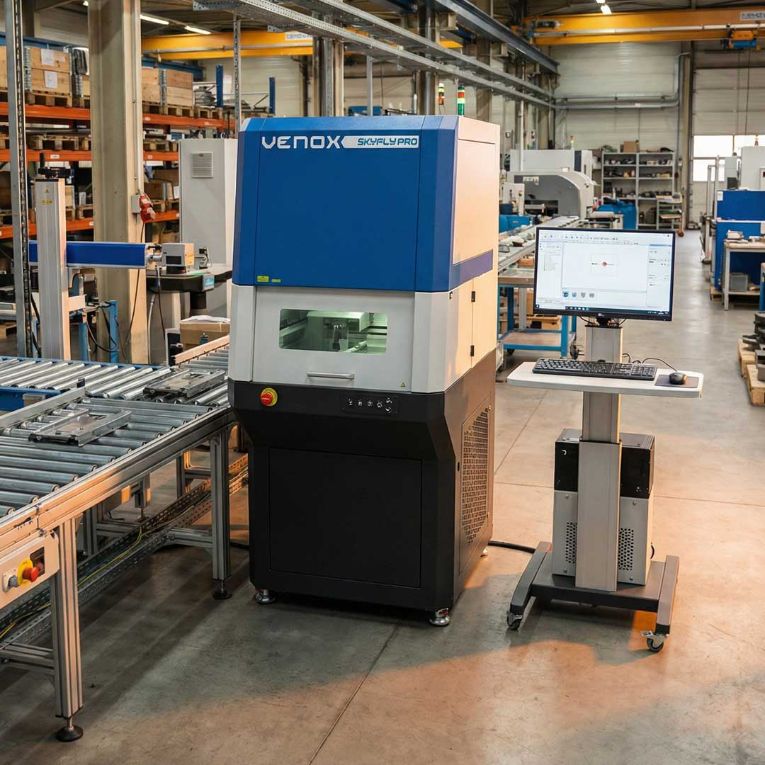
In high-volume production, the laser marking system can be integrated into an automated production line. When the product arrives at the marking station, code information can be automatically received from the central system and the process can be completed without operator intervention.
6. Machinery and Metalworking Industry
Machine manufacturers can use laser marking to apply model information, technical values, logos, serial numbers or part codes to products and components.
Fiber laser systems can be widely considered for stainless steel, aluminum, carbon steel, brass and various metal alloys.
If machine parts are exposed to conditions such as oil, friction, temperature or outdoor environments, the durability of the marking becomes important. Surface or deep marking can be preferred depending on the application.
7. Mold and Tool Industry
Product codes, dimensional information, serial numbers or manufacturer logos can be marked on molds, cutting tools, fixtures and production equipment.
Since these types of products can operate under long-term use and intense mechanical impact, it is important for the marking to be permanent. Deep engraving with a fiber laser can be preferred in certain metal mold and tool applications.
Correct laser power and marking parameters can help create the desired depth on the surface in a controlled manner.
8. Cables, Electrical Products and Connectors
There may be a need to mark product identity and technical information in the production of cables, terminals, connectors and fastening components. Since the marking area is limited on small parts, high precision is important.
Plastic connectors, metal terminals or cable surfaces can be processed using different laser technologies depending on the material used.
Generating product codes as variable data automatically on the production line can provide operational convenience in facilities manufacturing a large number of variants.
How Should Industry-Specific Laser Marking Applications Be Planned?
9. Plastics and Injection Molding Industry
In the plastic injection molding industry, logos, part numbers, dates, serial numbers or DataMatrix codes can be applied to products. Automotive plastics, electronic housings, technical plastic parts and consumer products are examples of such applications.
The result of laser marking on plastics varies significantly depending on the chemical structure of the material. Even two plastics identified by the same name may produce different results because of different pigments or additives.
For this reason, whether fiber, CO₂ or UV laser technology should be used must be determined through sample testing.
10. Packaging Industry
In the packaging industry, production dates, batch numbers, product codes and various variable information may need to be applied directly to the packaging surface.
Paper, cardboard, certain plastic packaging materials and various coated surfaces can be marked using CO₂ lasers or other laser technologies depending on the application.
On high-speed production lines, marking can be performed while the product is moving or during a brief stop. Compatibility between the system speed and the production line is critically important in these applications.
11. Jewelry and Precious Metal Processing
In the jewelry industry, laser marking can be used for logos, patterns, serial numbers, personalization and fine-detail applications. Precise marking can be performed on gold, silver and various metal alloys.
Visual quality and level of detail are particularly important in this field. The appropriate optical system and laser parameters should be selected for very small characters and fine graphics.
Since the surface quality of the product must be preserved, marking depth and energy level should be adjusted in a controlled manner.
12. Furniture, Wood and Decorative Products
CO₂ laser systems can be used on wood and decorative products for logos, patterns, text and personalization. Furniture parts, wooden accessories, promotional products and decorative surfaces can be laser processed.
The grain structure, resin content and surface coating of natural wood can affect the marking result. Therefore, the same parameters may not produce the same appearance on different types of wood.
The desired color tone and marking depth can be determined through sample testing.
13. Leather and Textile Accessories
Laser marking can be used for decorative or identification purposes on leather and certain textile accessories. Logos, patterns or personalized information can be applied to bags, wallets, belts, shoes, labels and accessory products.
CO₂ laser technology can be considered for natural leather and certain synthetic leather applications. However, the chemical content of synthetic materials should be known and their suitability for laser processing should be verified in advance.
Different color tones, surface textures or engraving effects can be created on the material as a result of marking.
14. Food and Beverage Packaging
In the food and beverage industry, laser marking can be used primarily on packaging rather than directly on the product itself to create production dates, batch numbers, codes or traceability information.
Cardboard packaging, certain plastic surfaces, labels and various packaging materials can be laser marked depending on the application.
On high-speed packaging lines, the marking system must operate without slowing down product flow. Therefore, the marking area, code content, laser technology and production speed should be evaluated together.
15. General Industrial Products and Custom Manufacturing Applications
The application areas of laser marking systems are not limited to specific industries. Laser marking can be considered in almost any manufacturing process where a product needs to be permanently identified.
Custom machine manufacturers, prototype production companies, industrial equipment manufacturers, measuring instrument manufacturers and various supplier companies can benefit from laser systems.
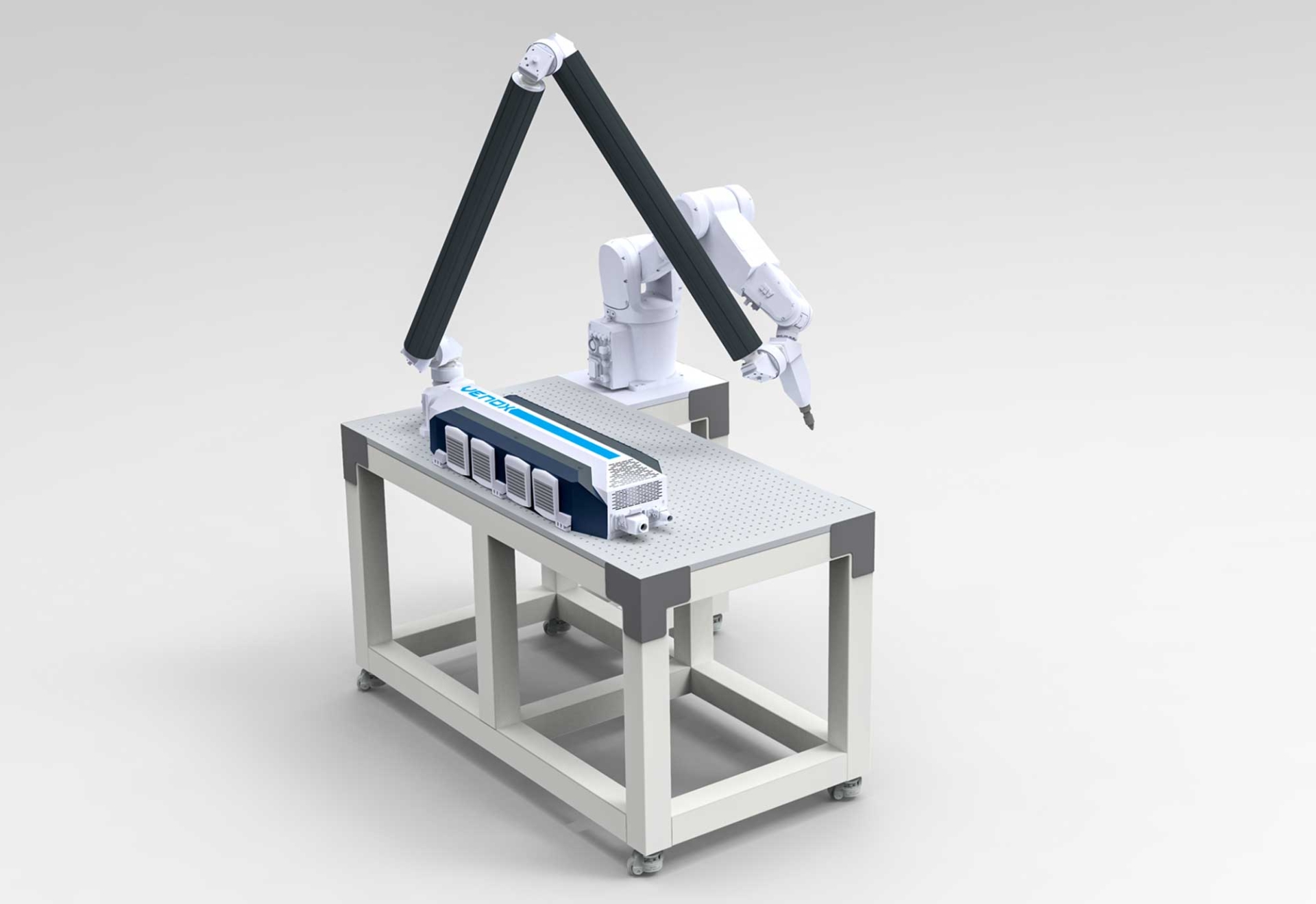
While a standard laser marking machine may be sufficient for some applications, other projects may require a custom fixture, camera, conveyor, robot, motorized axis or PLC integration.
For this reason, the production method is just as important as the industry in which the application is used. Two companies operating in the same industry may have completely different laser marking system requirements.
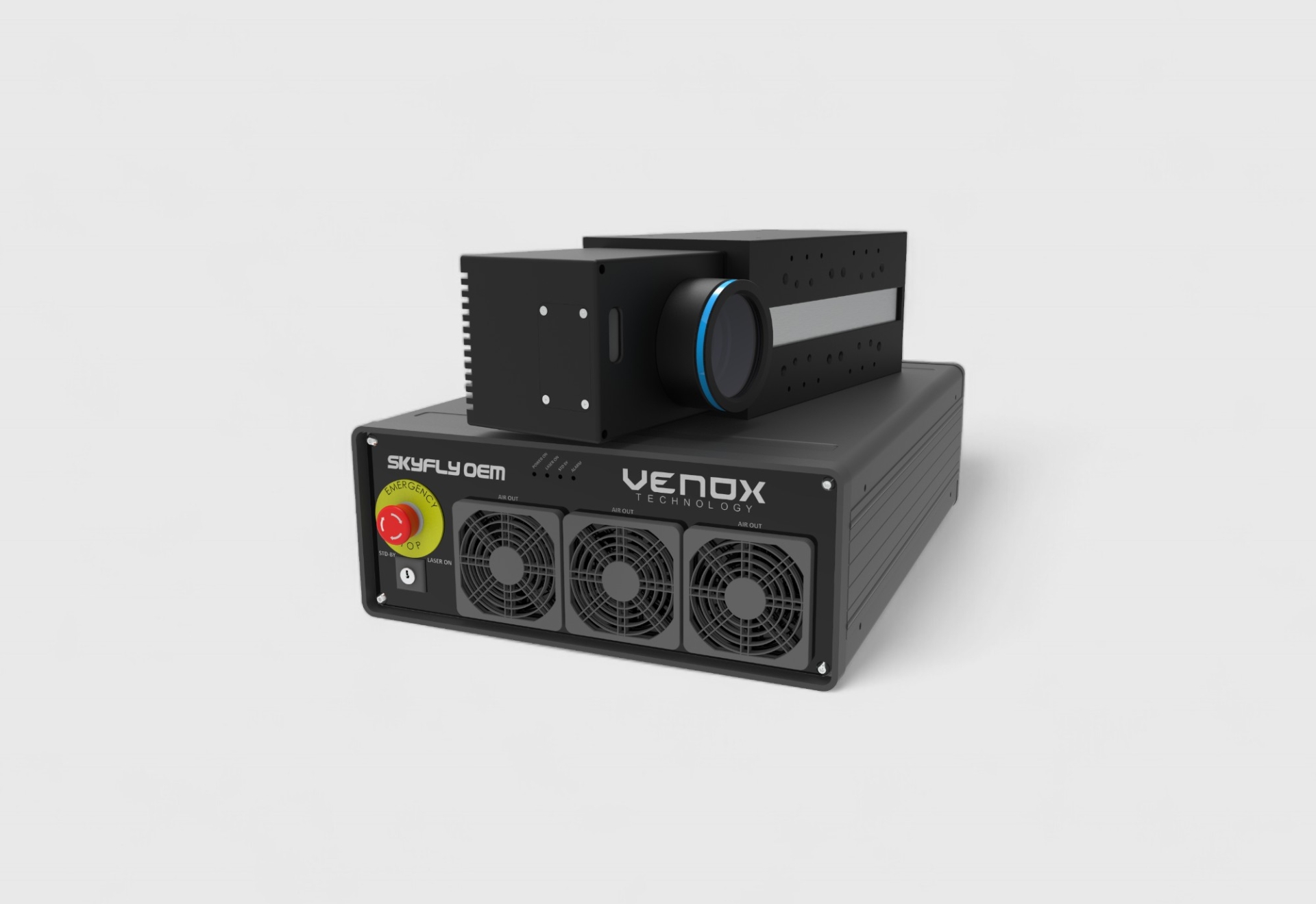
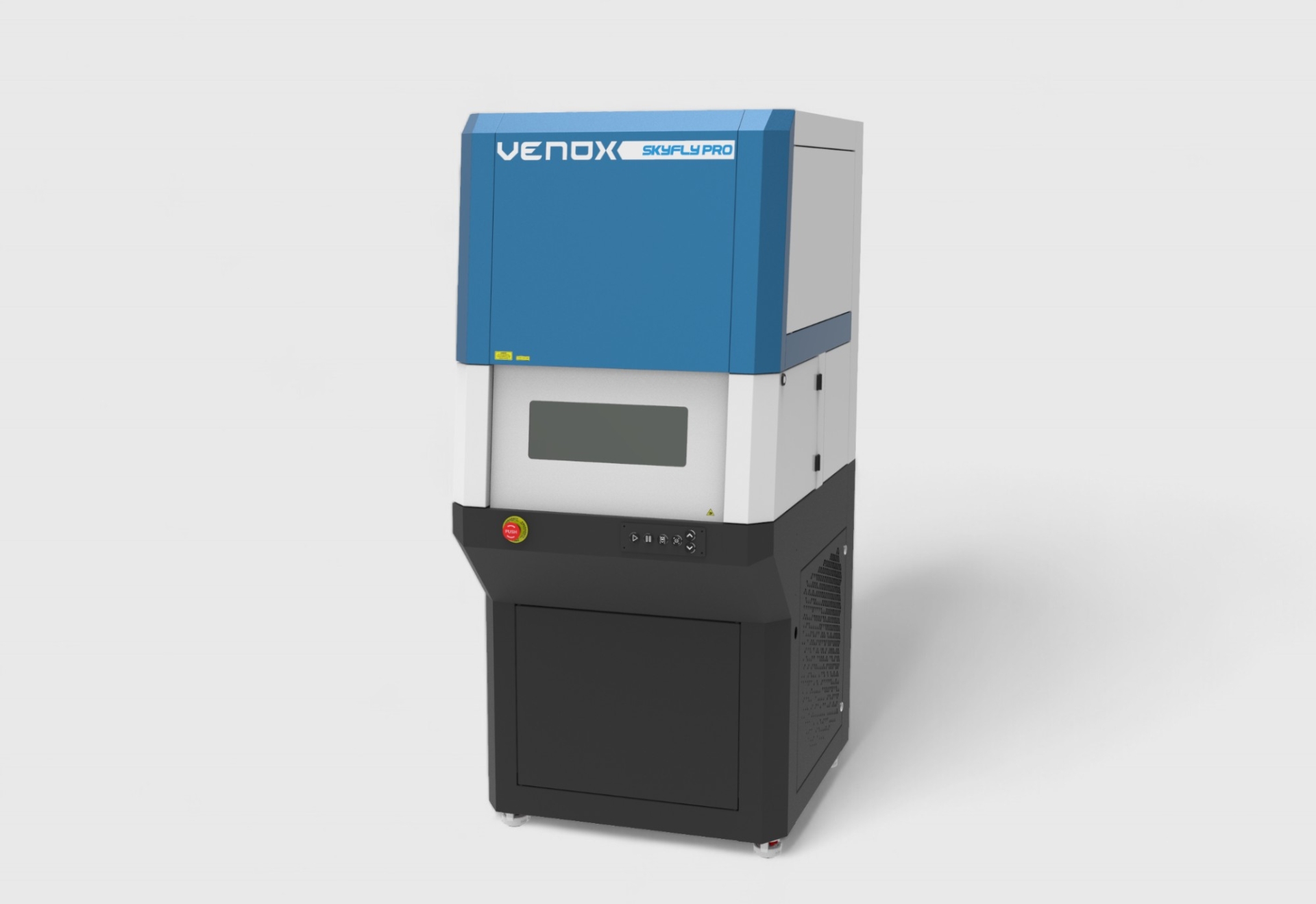
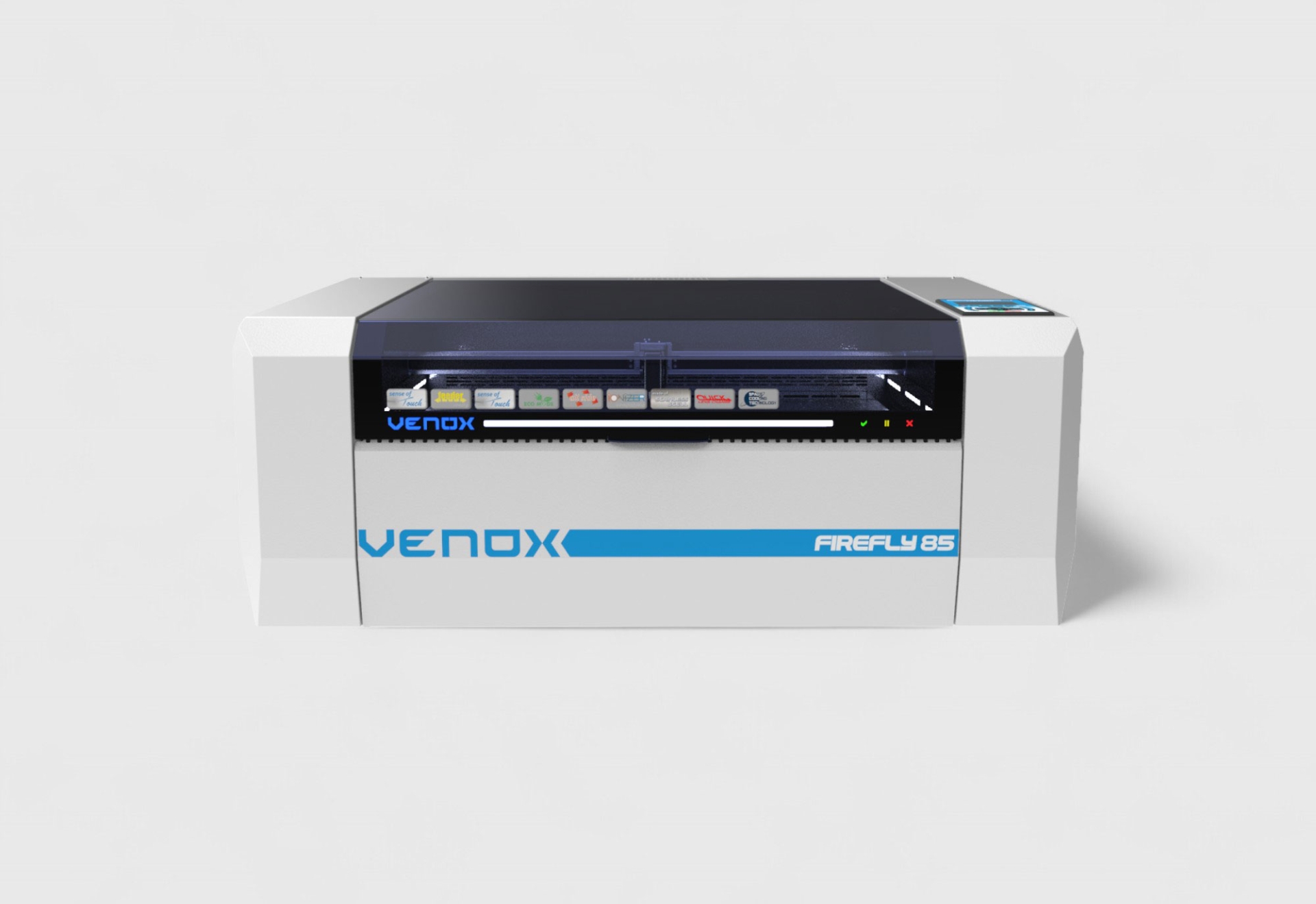
Venox's laser marking machines can be evaluated according to the materials, production speeds and marking requirements used in different industries.
Fiber laser solutions may be preferred for metal-focused applications, CO₂ lasers for certain organic and non-metallic materials, and UV laser solutions for sensitive plastics and surfaces where low heat impact is important. However, it is important to verify the technology selection through application tests on the actual product.
In high-volume production, the system can be designed not only as a standalone marking machine but also as an integrated station within the production line. Structures such as PLCs, sensors, cameras, ERP or MES can work together with the marking system.
For more detailed information about laser marking machines, you can review the laser marking machines and systems page.
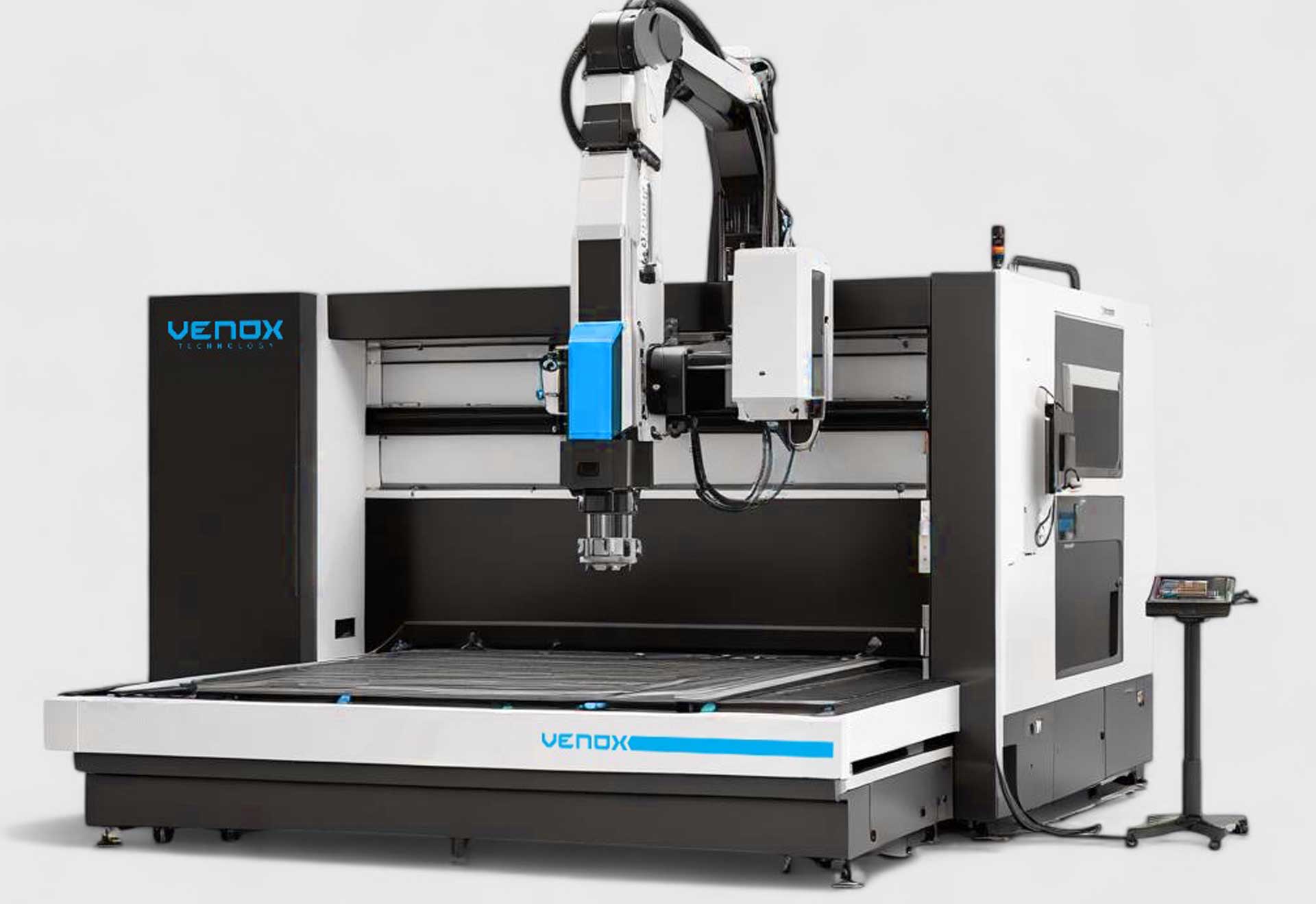
For applications requiring cutting or different laser processes in addition to marking, you can review the laser cutting systems page.
To obtain information about selecting the appropriate laser marking technology for your industry and product, sample testing or production-line-specific system design, you can contact Venox.
