
In Which Industries Is Industrial Laser Marking Used?
Industrial laser marking is one of the manufacturing technologies that enables products to be marked permanently, legibly, and without contact. Thanks to the ability to process serial numbers, barcodes, QR codes, DataMatrix codes, production dates, lot numbers, logos, and technical information directly onto product surfaces, it can be used across a wide range of industries.
The main reason laser marking has such a broad range of applications is that it can be applied to metal, plastic, glass, ceramic, and various coated surfaces, provides high precision, and can be integrated with automation systems. For this reason, industrial laser marking is preferred for product identification and traceability both in high-volume mass production and in custom part manufacturing.
Main Industries Where Industrial Laser Marking Is Used
Automotive and Spare Parts Industry
The automotive industry is one of the areas where laser marking technology is used most extensively. Engine parts, chassis components, brake system parts, bearings, fasteners, sensor housings, and various metal or plastic automotive parts can be marked by laser.
Serial numbers, part codes, production dates, DataMatrix codes, or QR codes can be applied to these parts, allowing products to be tracked throughout the production line. Especially in high-volume production, the ability to uniquely identify each part strengthens quality control processes.
Since traceability is highly important in the automotive industry, laser marking systems can operate in integration with PLCs, cameras, barcode readers, and production tracking software.
Machinery Manufacturing and Metalworking Industry
Correct identification of metal parts used in machinery manufacturing is important for both production and maintenance processes. Gears, shafts, molds, cutting tools, connection parts, body components, and custom-manufactured metal components can be marked using laser marking.
Thanks to industrial laser marking, part numbers, technical dimensions, serial numbers, and company logos can be permanently applied to metal surfaces. This information helps ensure that parts are used in the correct position during assembly and can be identified later during maintenance processes.
Precise marking can be performed on different metals such as stainless steel, aluminum, brass, copper, and titanium using the appropriate laser technology.
Medical and Healthcare Technologies
Correct identification and traceability of products used in the medical industry are critically important. Surgical instruments, medical device components, stainless steel equipment, and titanium parts can be marked using laser technology.
One of the major advantages of laser technology is the ability to process high-density codes such as serial numbers, product codes, or DataMatrix codes on small medical parts. This information can be used for quality control, inventory management, and tracking product history.
In medical applications, the correct laser parameters must be selected by considering the material structure and the operating conditions of the product.
Electronics and Electrical Industry
Products in the electronics industry generally consist of small and sensitive components. Electronic housings, connectors, sensors, switches, electrical components, and various plastic or metal parts can be marked by laser.
Model codes, serial numbers, production dates, logos, QR codes, and technical symbols can be applied to these products. The ability to perform high-precision marking in small areas makes laser systems suitable for electronics manufacturing.
In particular, thanks to variable data functionality, a different serial number can be assigned to each electronic component and the products can be matched with digital production records.
Defense and Aerospace Industry
The identity and production history of parts used in the defense and aerospace industries must remain traceable for long periods of time. High-strength metal parts, aluminum components, titanium parts, and technical equipment can be marked using laser technology.
Part numbers, serial numbers, DataMatrix codes, production information, and technical symbols can be applied directly to the product surface. Permanent marking helps reduce risks such as labels falling off or printed information being erased.
In these types of applications, marking contrast, code readability, surface structure, and the operating environment of the product should be evaluated together.
Plastic Injection and Polymer Manufacturing
Parts produced in the plastic injection industry are used in many fields, from automotive and electronics to white goods and medical applications. Logos, product codes, serial numbers, dates, or QR codes can be marked on plastic products using laser technology.
However, the reaction of plastic materials to laser energy varies depending on the structure of the polymer used. Some plastics may produce dark contrast, while others may exhibit foaming or surface changes.
For this reason, testing on an actual product sample is important in plastic laser marking applications. With the appropriate laser source and parameters, permanent and legible marking results can be achieved.
White Goods and Home Appliances Industry
Laser marking can be used both on technical parts and on surfaces visible to the end user in white goods and home appliances. Different information can be processed on metal plates, plastic buttons, control panels, connection parts, and product components.
Brand logos, model codes, serial numbers, technical symbols, or warning signs can be applied directly to the surface to achieve long-term readability. The use of serial numbers, in particular, helps manage warranty and service processes.
Packaging Industry
In the packaging industry, products may need to be marked with production dates, batch numbers, lot information, QR codes, or similar data. On suitable materials, this information can be applied directly to the packaging surface using laser marking.
Laser marking can provide an advantage in packaging applications because it can be integrated with automation on high-speed production lines. As the product moves along the line, variable date or lot information can be updated automatically.
The type of packaging material directly affects the selection of laser technology. Therefore, surface and material analysis should be performed before the application.
Jewelry, Accessories, and Promotional Products
Laser marking can be used not only for industrial traceability but also for aesthetic and personalization purposes. Logos, names, and graphics can be applied to jewelry, metal accessories, promotional products, keychains, pens, metal plates, or custom-manufactured parts.
The ability to process small details precisely makes laser marking advantageous for personalized product manufacturing. The same logo can be used in mass production, while a different name or number can also be applied to each product.
Industry-Specific Industrial Laser Marking with Venox
Each industry has different product structures, production capacities, and marking expectations. Therefore, when selecting a laser marking system, not only the industry name but also the actual application conditions should be evaluated.
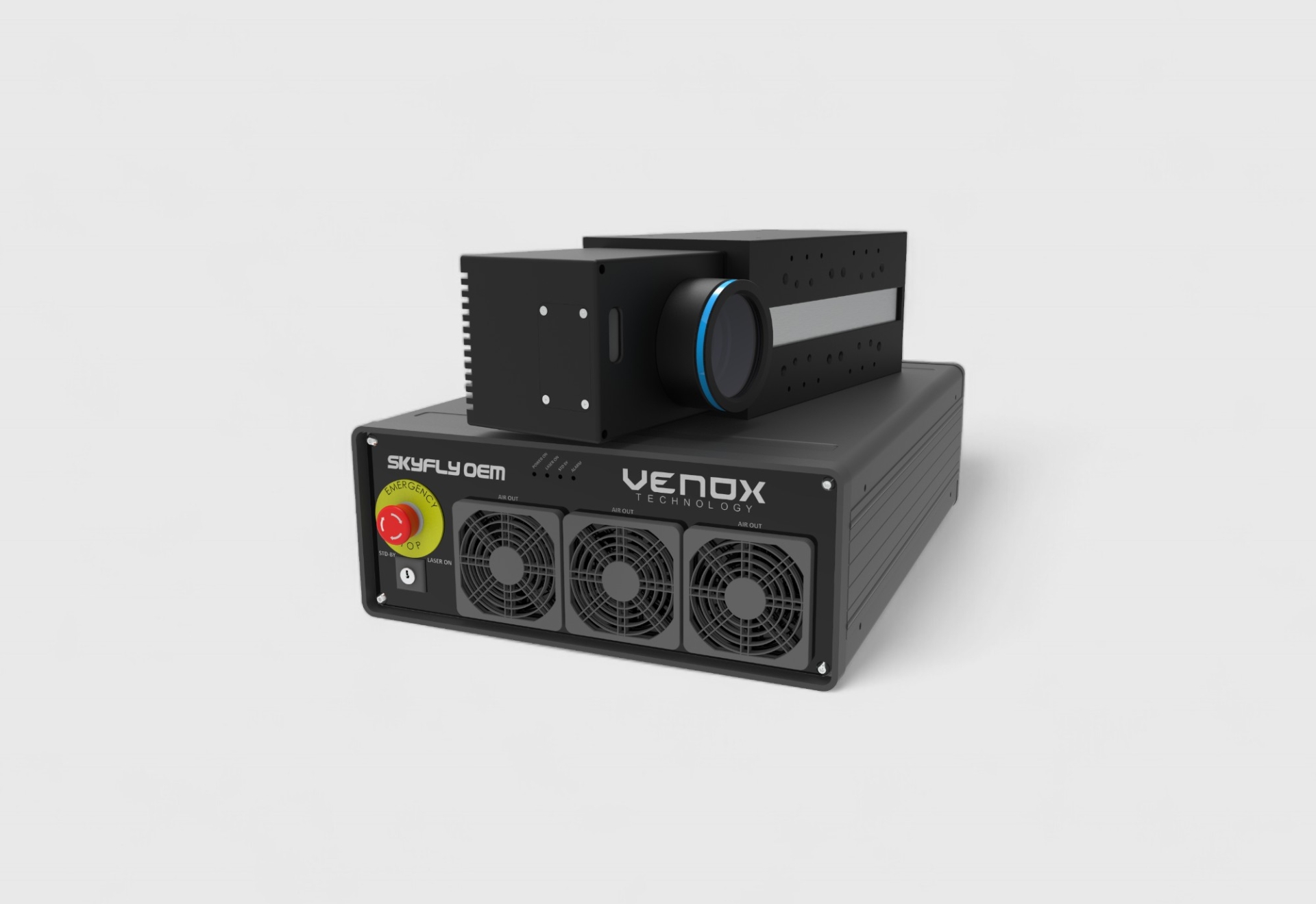
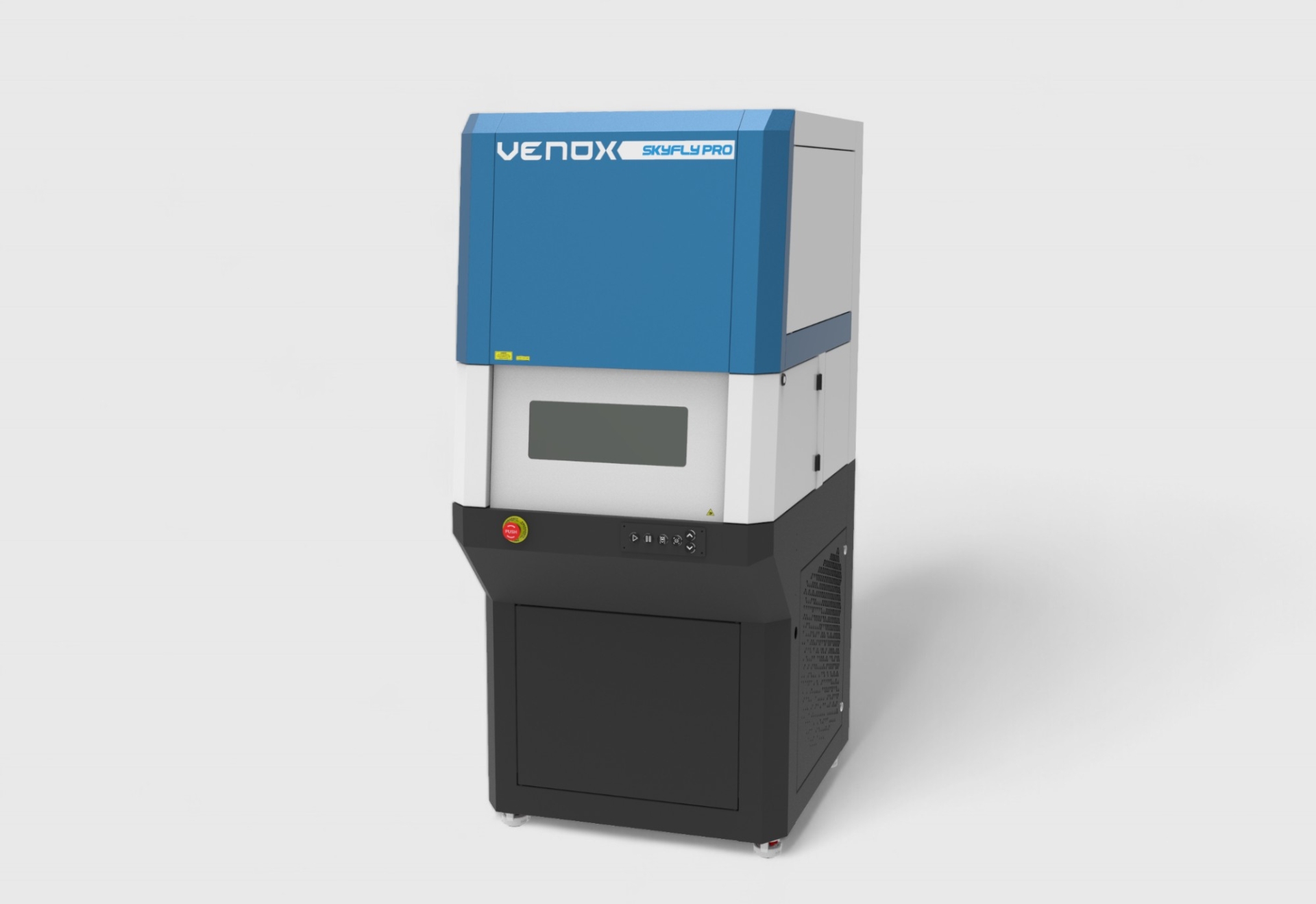
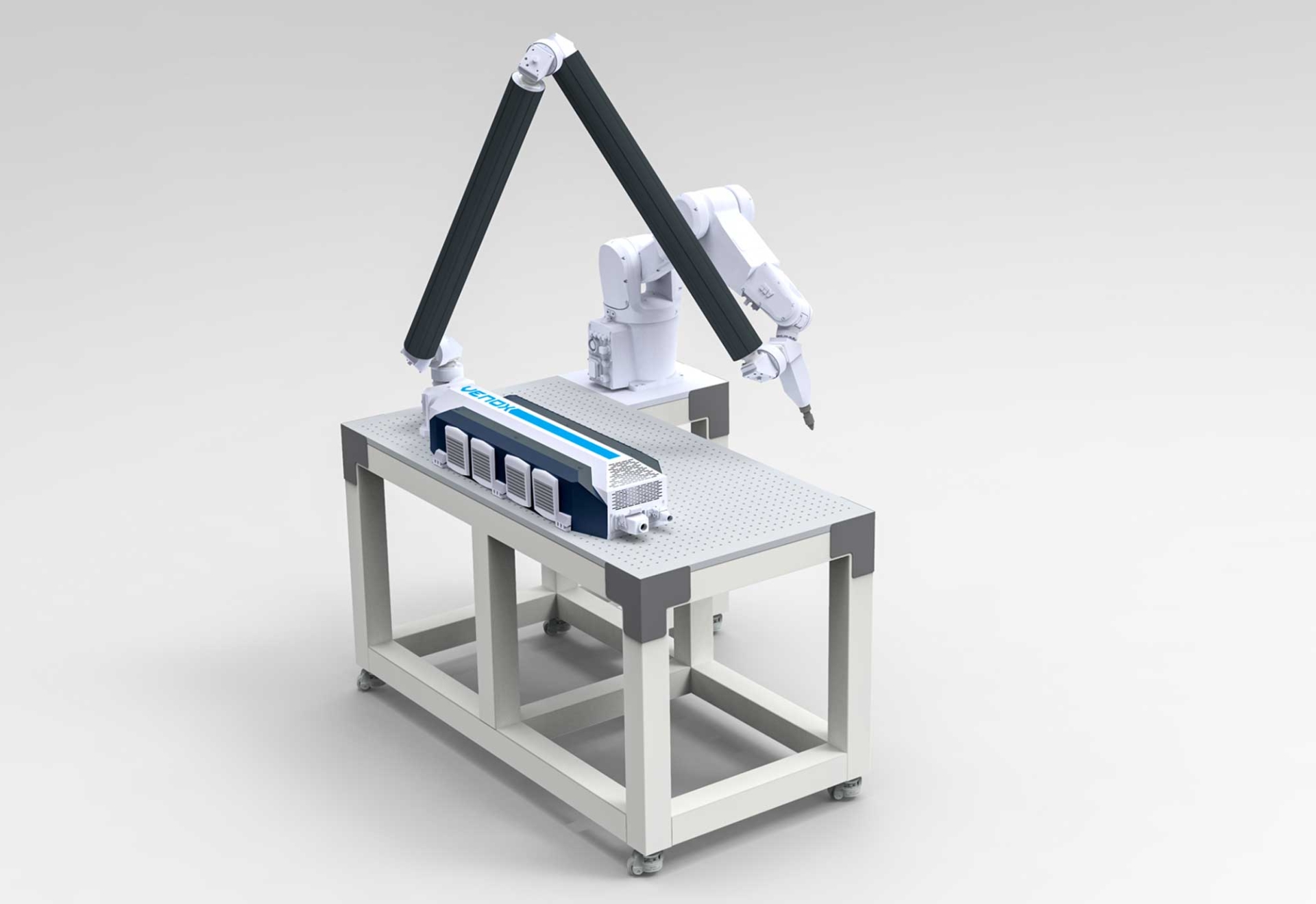
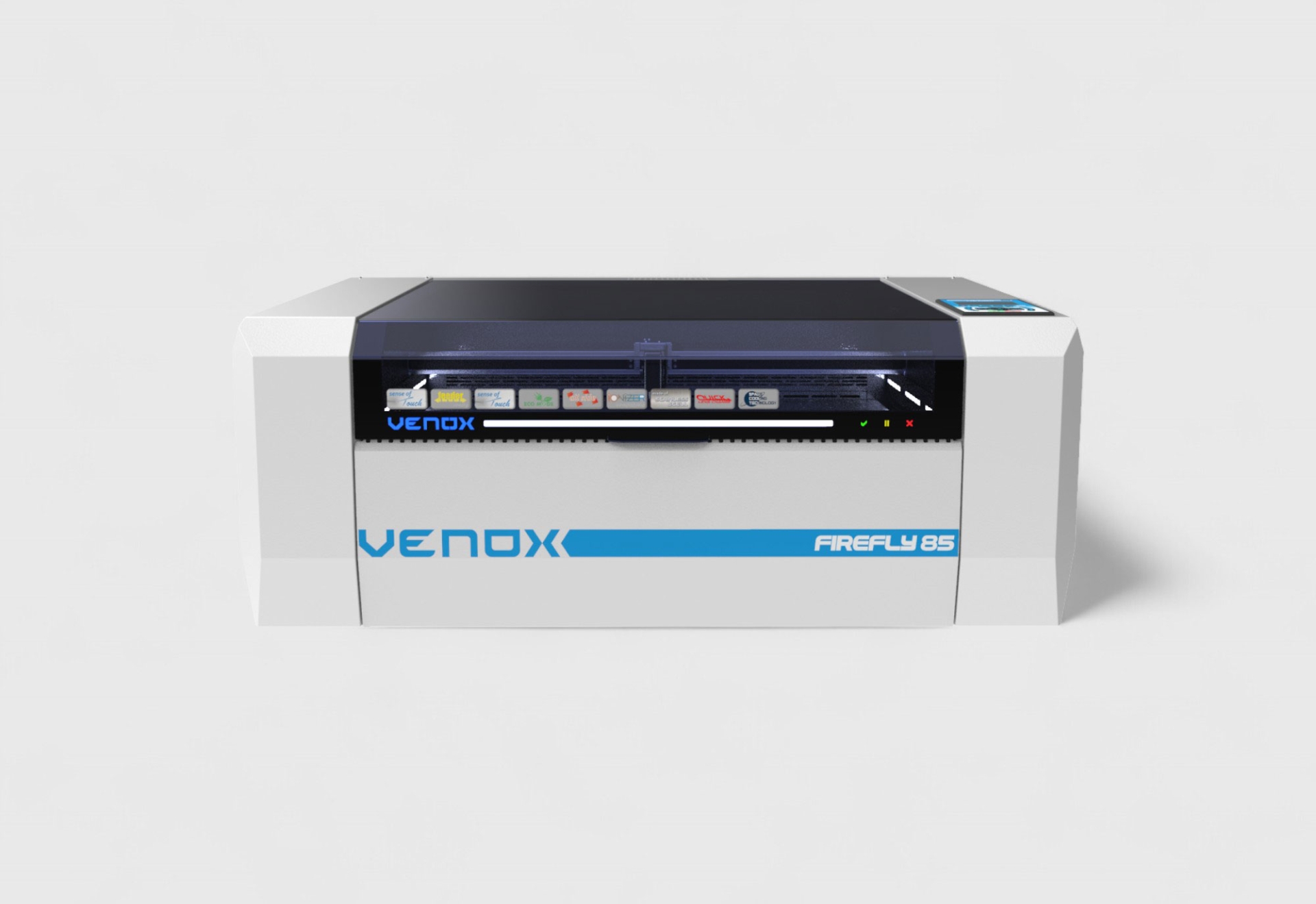
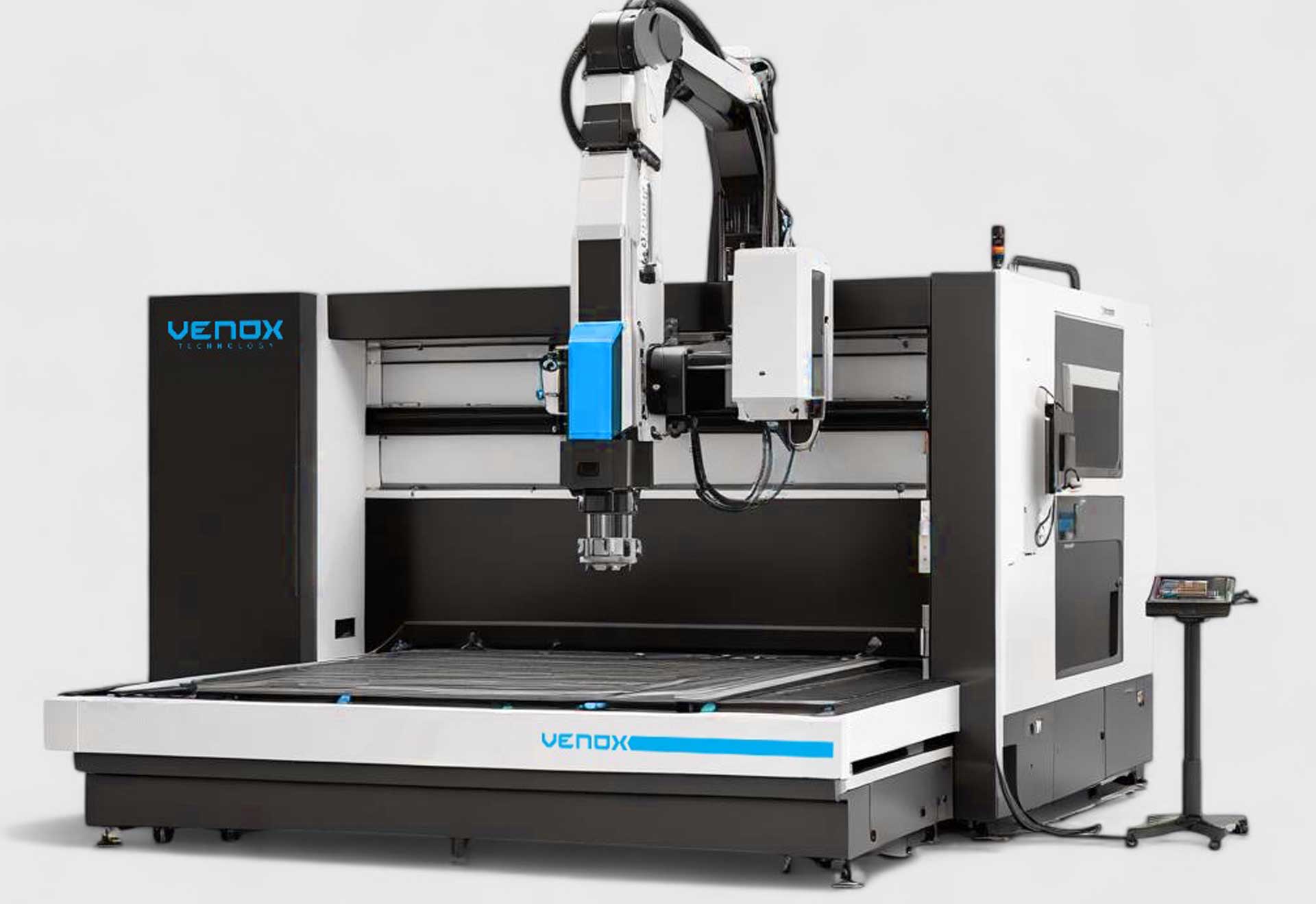
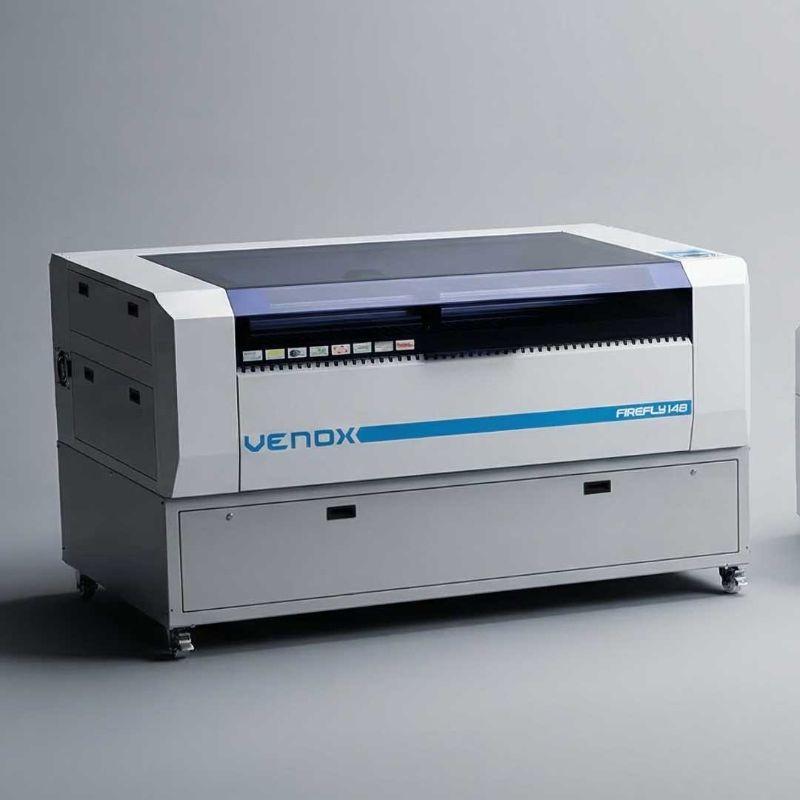
Venox offers Laser Marking Machines solutions for different production areas. The appropriate system can be determined by evaluating the material, dimensions, production quantity, data to be processed, and automation requirements of the product together.
If you require laser marking in the automotive, machinery manufacturing, medical, electronics, defense, plastic production, or another industry, an evaluation can be performed based on a product sample. To get information about your application or request a quotation, you can contact the Venox team through the Contact Us page.
In conclusion, industrial laser marking can be used in a wide range of industries where product identification and traceability are required. With the right laser technology and suitable system configuration, fast, precise, and permanent marking solutions can be created on different materials.
Frequently Asked Questions
In which industries is industrial laser marking most commonly used?
Automotive, machinery manufacturing, metalworking, medical, electronics, defense, plastic injection, white goods, and packaging are among the industries where laser marking is widely used.
Can laser marking be applied to automotive parts?
Yes. Information such as serial numbers, part codes, QR codes, and DataMatrix codes can be laser marked on metal and suitable plastic automotive parts.
Can laser marking be used on medical products?
Yes. Laser marking can be used on suitable medical products and materials. It is especially preferred for product identification and traceability on stainless steel and titanium parts.
Can plastic products be marked with industrial lasers?
Yes. However, since the reaction of the plastic type to laser energy may vary, it is important to perform test marking on the actual product.
Does Venox offer industry-specific laser marking solutions?
To review Venox’s laser marking solutions for different industries, you can visit the Laser Marking Machines page or contact the Venox team regarding your application through the contact page.
