

Increasing Production Speed with Industrial Laser Cutting
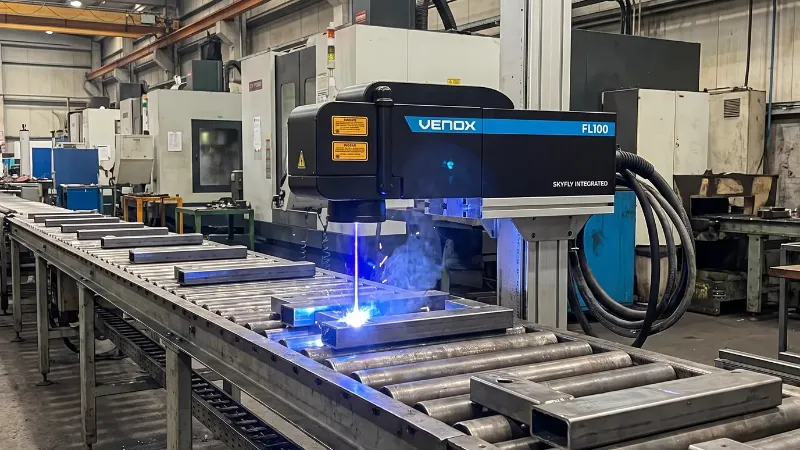
Industrial laser cutting is one of the key technologies used to increase production speed and operational efficiency in metalworking processes. Thanks to high cutting speeds, CNC-controlled operation, digital programming, and automation integration, sheet metal and metal components can be produced in less time.
Increasing production speed does not simply mean moving the laser head faster. All processes, including sheet loading, cutting program preparation, product changeovers, part unloading, and the start of the next production cycle, must be optimized together. Therefore, industrial laser cutting can provide higher production capacity when planned with the entire production line in mind.
How Does Industrial Laser Cutting Increase Production Speed?
High Cutting Speeds Reduce Cycle Times
High cutting speeds can be achieved when processing metal sheets with appropriate laser power and properly configured cutting parameters. Particularly for suitable thin and medium-thickness materials, laser cutting systems can offer significant speed advantages in mass production.
Cutting speed depends on material type, thickness, laser power, assist gas, focus settings, and part geometry. Therefore, the total cycle time for the actual product should be evaluated rather than focusing solely on the machine's maximum speed.
With the correct process settings, processing time per part can be reduced while maintaining cutting quality.
CNC Control Reduces Setup Time
Since industrial laser cutting systems operate under CNC control, part geometries can be prepared using digital files. The CAD data of the product to be manufactured is transferred to the cutting software, where the cutting path can be generated automatically.
While traditional methods may require tool or die changes for different products, most geometry modifications in laser cutting can be performed through software. This feature reduces changeover times between different products.
Particularly in facilities manufacturing a wide variety of products, digital production processes provide significant time savings.
Automatic Loading and Unloading Systems Increase Machine Utilization
Even if a laser cutting machine has high cutting capacity, overall production capacity may be limited when sheet loading and part unloading take too long. Automatic loading and unloading systems can reduce these waiting times.
Metal sheets can be automatically transferred to the cutting table, and once the process is completed, the cut parts and remaining material can be unloaded by the system. This reduces the need for operators to manually handle materials during every cycle.
Automation helps increase the machine's active operating time, particularly in multi-shift and high-volume production environments.
Nesting Can Optimize Cutting Time
Nesting can be used not only to reduce material waste but also to improve production times. Properly positioning parts on the sheet can reduce unnecessary movements of the cutting head.
Optimizing the cutting sequence, minimizing non-cutting movements between parts, and processing similar geometries in the appropriate order can reduce total cycle time.
Therefore, high-quality nesting and cutting software plays an important role in production efficiency, alongside the physical performance of the laser cutting system.
Rapid Changeovers Between Different Products
In facilities with a wide variety of products, machine setup time is an important performance indicator. In laser cutting systems, cutting programs prepared for different parts can be saved.
When a new product needs to be manufactured, the corresponding file can be retrieved and production can begin. Reducing the need to change physical cutting tools or dies enables faster product changeovers.
This feature allows low-volume customized production and high-volume mass production to be managed more flexibly on the same machine.
Reducing Post-Cutting Operations Accelerates Overall Production
Production speed should not be evaluated solely based on the time spent on the cutting machine. Post-cutting operations such as deburring, grinding, and corrective processing also affect total production time.
When more controlled and cleaner cutting edges are achieved with the correct laser parameters, the need for additional processing can be reduced for certain parts. As a result, components can be transferred more quickly to bending, welding, or assembly operations.
This can contribute to shorter lead times throughout the entire production process.
Repeatability Reduces the Need for Remanufacturing
Remanufacturing parts due to dimensional errors or poor cutting quality significantly reduces production capacity. CNC-controlled laser cutting systems can execute the same program with high repeatability.
With proper calibration and process settings, more consistent dimensions can be achieved within the same product group. This helps reduce defective parts and the need for remanufacturing.
Increasing the first-pass yield directly improves actual production capacity.
Digital Production Planning Reduces Waiting Times
When laser cutting systems are used together with production planning software, work orders can be organized more effectively. Jobs involving the same material and thickness can be grouped to minimize unnecessary material changeovers.
By preparing the production schedule in advance, the machine can switch to the next cutting program more quickly after completing the previous job.
Digital planning can accelerate production flow by reducing the need for operators to manually decide which sheet to use or which job should be processed next.
What Should Be Considered to Increase Production Speed?
Higher laser power alone does not maximize production speed. The system, software, automation, and production planning must be optimized together.
- Laser power should be selected according to material type and thickness.
- Cutting parameters should be properly optimized.
- Nesting layouts and cutting sequences should be improved.
- Manual loading times should be analyzed.
- Automatic loading and unloading systems should be used when necessary.
- Jobs involving the same material should be planned together.
- Additional processing times after cutting should be monitored.
- Defective part rates and remanufacturing rates should be measured.
- Machine performance should be maintained through periodic maintenance.
Evaluating these criteria together helps increase production capacity not only in theory but also under actual operating conditions.
Fast and Efficient Laser Cutting Solutions with Venox
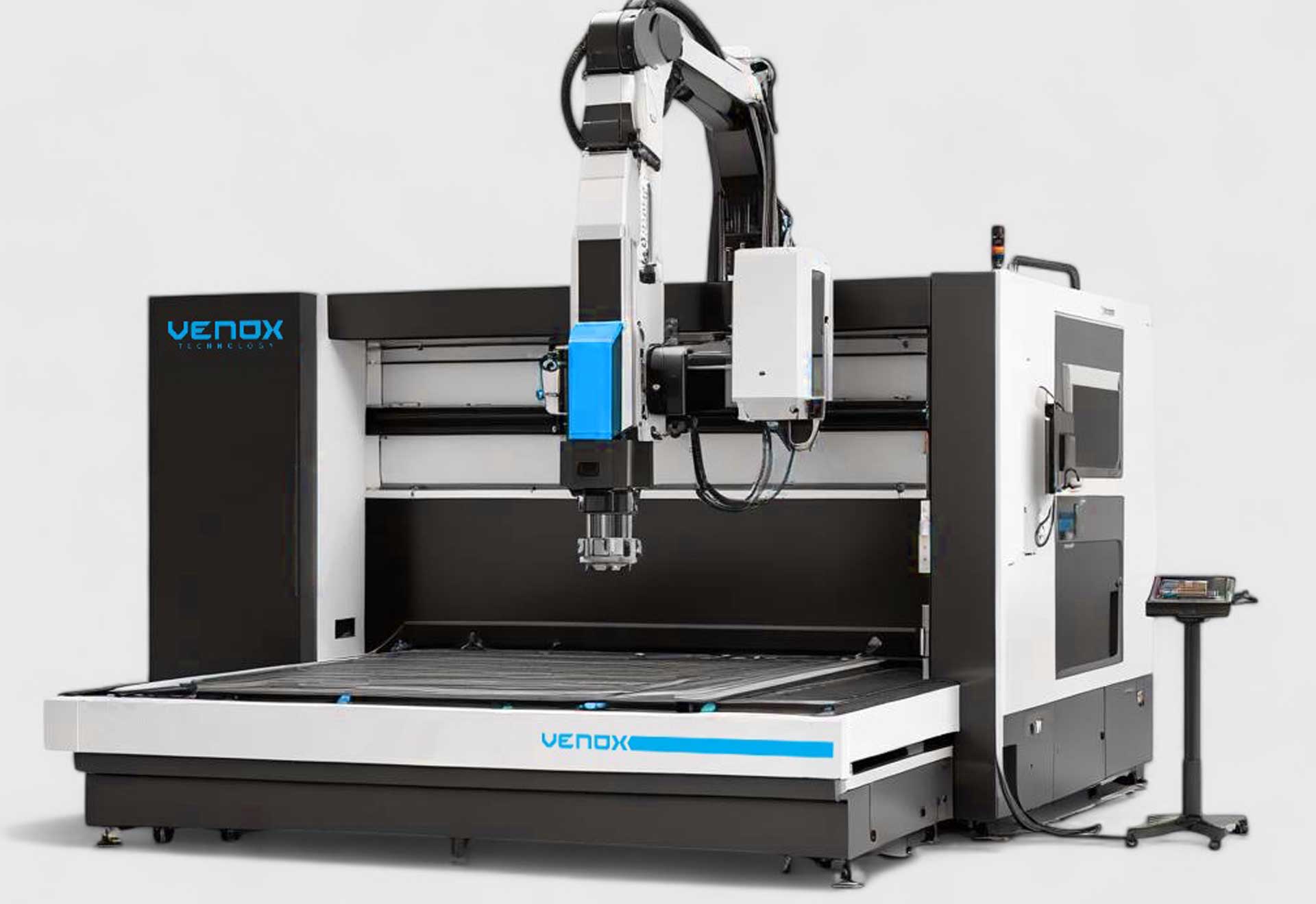
Venox offers Laser Cutting Systems designed for different production capacities and metalworking requirements. The appropriate system can be determined by evaluating material type, thickness, daily production volume, working area, and automation requirements together.
To increase your production capacity, reduce product changeover times, or improve your existing metalworking processes with laser cutting technology, you can discuss your production requirements with the Venox team. For system selection and quotations, you can contact us through the Contact Us page.
A properly configured industrial laser cutting system helps increase a company's actual production capacity through high cutting speeds, automation, digital production planning, and rapid product changeovers. Maximum efficiency, however, is achieved by optimizing the entire production process rather than focusing solely on the cutting machine.
Frequently Asked Questions
Does laser cutting increase production speed?
With an appropriate system and properly configured parameters, laser cutting can provide high production speeds. Overall capacity depends not only on cutting speed but also on loading, unloading, and product changeover times.
Does higher laser power mean faster production?
Not always. Power is an important factor, but material type, thickness, part geometry, assist gas, and system dynamics also affect production speed.
Does automatic loading increase production capacity?
In high-volume production, automatic loading and unloading systems can increase machine utilization by reducing waiting times.
Does nesting affect production speed?
Yes. Proper nesting and cutting sequences can help improve total cycle time by reducing unnecessary movements of the cutting head.
Does Venox offer laser cutting solutions designed to increase production speed?
To explore Venox's industrial laser cutting solutions, you can visit the Laser Cutting Systems page or contact the Venox team through the contact page to find a system suitable for your production capacity.
