

Industrial Laser Cutting vs. Traditional Cutting Methods
Industrial laser cutting is one of the modern manufacturing technologies used as an alternative to traditional cutting methods in the metalworking industry. A concentrated laser beam enables precise cutting without physical contact with the material surface. Traditional cutting methods, on the other hand, may involve mechanical cutting tools, dies, or various physical processes.
Both approaches have different advantages and application areas. Therefore, selecting the appropriate cutting method depends on criteria such as material type, component geometry, production volume, tolerance requirements, surface quality, and total manufacturing cost. Industrial laser cutting is particularly advantageous in applications requiring high precision, digital manufacturing, and rapid product changeovers.
Key Differences Between Industrial Laser Cutting and Traditional Cutting
Differences in Cutting Principles
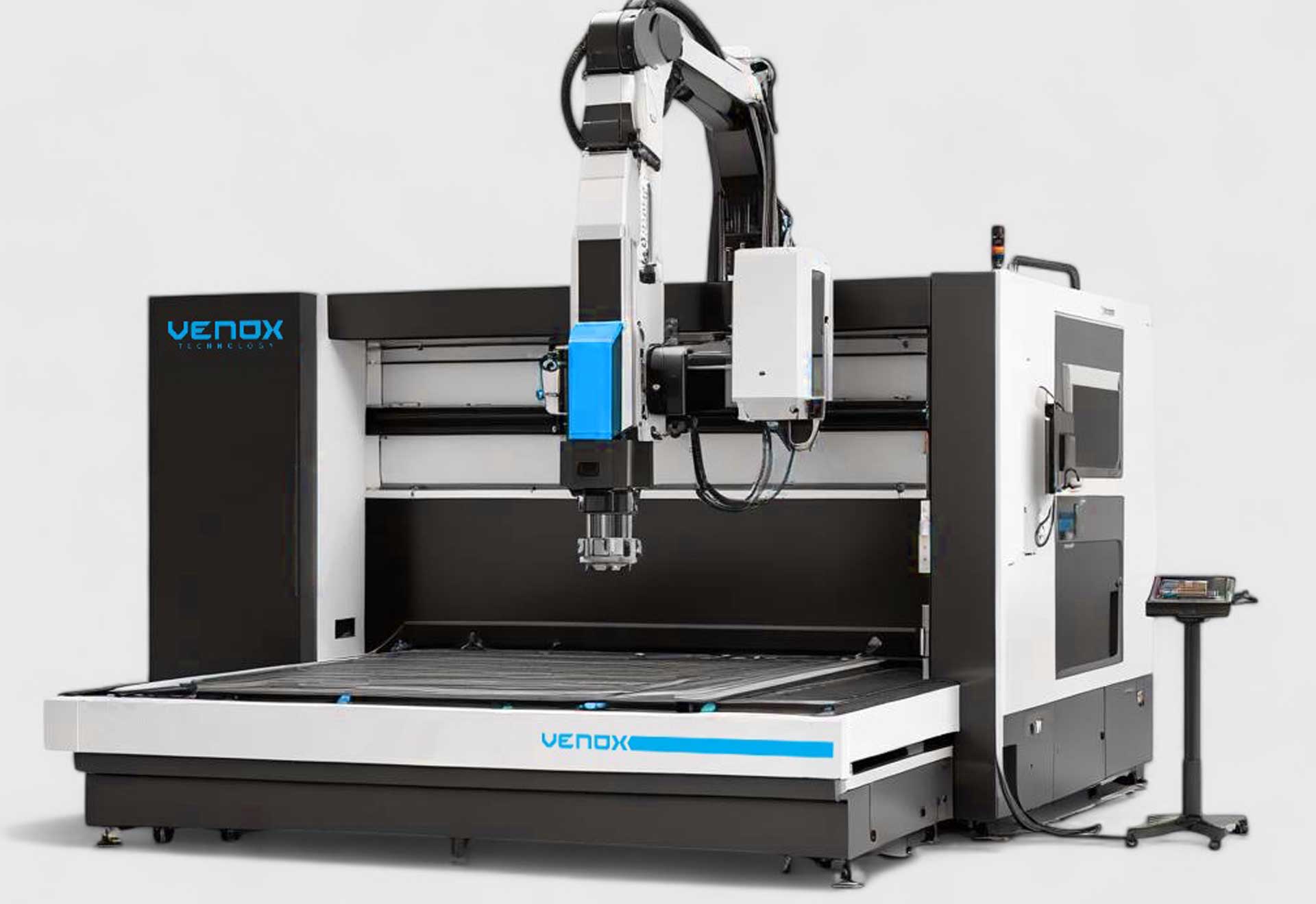
In laser cutting, the material is cut using the high energy generated by a focused laser beam. The cutting head moves under CNC control without contacting the material and follows the geometry specified in the technical drawing.
Traditional cutting methods may use saws, shears, milling machines, presses, plasma cutting equipment, or other mechanical and thermal systems. In some of these applications, the cutting tool comes into direct contact with the material.
This difference in cutting principles affects many factors, including tool wear, surface quality, manufacturing flexibility, and maintenance requirements.
Comparison of Precision and Tolerances
One of the key advantages of industrial laser cutting is its ability to produce precise geometries through CNC-controlled operation. Small holes, fine contours, and complex shapes can be cut with high accuracy using a suitable system.
The precision achievable with traditional methods varies depending on the equipment used. For example, high-quality CNC milling systems can also provide high precision, while shearing or manual cutting methods may involve wider tolerances.
Therefore, rather than making a general statement that "laser cutting is more precise," the actual application and equipment used should be evaluated together.
Tool Wear and Maintenance Requirements
In mechanical cutting methods, cutting tips, saws, blades, and dies may wear over time. These components may require sharpening, replacement, or maintenance.
In laser cutting, the laser beam does not physically contact the material. Therefore, there is no mechanical cutting tool wear. However, laser systems still require maintenance. Optical components, the cutting head, nozzles, the cooling system, and the gas supply infrastructure must be inspected regularly.
Consequently, maintenance requirements are not eliminated in laser systems; rather, the nature of maintenance differs from that of mechanical cutting systems.
Component Geometry and Manufacturing Flexibility
Traditional cutting methods may require specialized tools, dies, or mechanical adjustments for different component geometries. Particularly in die-based manufacturing, switching to a new design can result in additional costs and setup time.
In industrial laser cutting systems, component geometry is defined through a digital file. Changes made to the technical drawing can be transferred to the cutting program, allowing the new geometry to be introduced into production quickly.
This provides significant flexibility for prototype manufacturing, low-volume custom production, and companies with a wide variety of product models.
Comparison of Production Speed
It would be inaccurate to claim that one cutting method is always faster than another. The result depends on the material type, thickness, component geometry, and production volume.
Laser cutting can achieve high cutting speeds, particularly when processing suitable thin and medium-thickness metal sheets. The ability to process complex geometries within the same production program without requiring tool changes can reduce cycle times.
Conversely, traditional methods may be faster and more economical for very simple straight cuts or certain material types and thicknesses. Therefore, production speed should be evaluated using the actual component.
Material Waste and Utilization
In sheet metal and plate processing, material costs can represent a significant portion of total manufacturing costs. Therefore, the arrangement of components on the sheet is critically important.
Laser cutting systems can use nesting software to optimize the placement of different components on the material. A narrow cutting kerf allows the spacing between components to be reduced, improving material utilization.
Material optimization is also possible with traditional methods. However, die dimensions, cutting tool structures, or mechanical access requirements may limit layout flexibility in certain applications.
Cut Edge Quality and Subsequent Operations
Whether a component requires deburring, grinding, or additional surface treatment after cutting affects the total production time. With appropriate parameters, laser cutting can produce clean and controlled cut surfaces.
The edge quality achieved with traditional cutting methods can vary significantly depending on the process. Mechanical shearing, sawing, plasma cutting, and other cutting systems produce different surface characteristics.
Therefore, total manufacturing cost calculations should consider not only cutting speed but also the additional operations required after cutting.
Automation and Digital Manufacturing
One of the key strengths of industrial laser cutting is its compatibility with automation and digital manufacturing integration. CNC control, nesting software, automatic loading and unloading, and material storage systems can be combined within the same production infrastructure.
Production orders can be transferred digitally to the system, and different component programs can be executed automatically. This approach improves operational efficiency in high-volume or multi-product manufacturing environments.
Traditional cutting equipment can also be integrated into automated systems. However, the level of integration varies depending on the technology and machine configuration used.
Which Cutting Method Should Be Preferred in Different Situations?
The appropriate cutting method should be determined according to production requirements. Laser cutting is not necessary for every application, just as traditional methods may not always be the most economical option for every manufacturing scenario.
- Laser cutting may offer advantages for complex and frequently changing geometries.
- Laser cutting can be considered for components requiring high precision.
- Traditional methods may be economical for simple and repetitive straight cuts.
- Press systems may be suitable for high-volume die-based production.
- Laser cutting can provide flexibility for low-volume products with different designs.
- Material thickness and type directly influence the technology to be used.
- Post-cutting operations should be included in total cost calculations.
- Automation and production capacity should be evaluated together.
The most appropriate method can be determined through a technical and economic evaluation based on the actual component drawing and production volume.
Explore Industrial Laser Cutting Solutions with Venox
Venox offers Laser Cutting Systems designed for different metalworking and manufacturing requirements. A suitable system can be determined by evaluating the material to be cut, thickness, component geometry, production capacity, and automation requirements together.
To compare your current cutting method with laser cutting, evaluate a new investment, or obtain information about system options suitable for your production needs, you can contact the Venox team through the Contact Us page.
In conclusion, when choosing between industrial laser cutting and traditional cutting methods, the decision should not focus solely on equipment price or cutting speed. Precision, flexibility, material waste, tooling costs, automation, post-cutting operations, and total cost of ownership should all be evaluated together.
Frequently Asked Questions
Is laser cutting more precise than traditional cutting?
Laser cutting can provide high precision in many sheet metal applications. However, the actual result depends on the laser system, traditional equipment, material, and component geometry involved.
Do cutting tools wear out during laser cutting?
Since the laser beam does not physically contact the material, there is no mechanical cutting tool wear. However, nozzles, optical components, and other system parts require regular maintenance.
Is laser cutting the most economical method for every manufacturing application?
No. The most economical choice varies depending on production volume, component geometry, material type, thickness, and existing manufacturing infrastructure.
What are the most important advantages of laser cutting?
Precision, the ability to process complex geometries, digital manufacturing flexibility, contactless cutting, and compatibility with automation are among its main advantages.
Does Venox provide support in selecting a laser cutting system?
To explore Venox laser cutting solutions, visit the Laser Cutting Systems page or contact the Venox team through the contact page to discuss a solution suitable for your production requirements.
