

Industrial Laser Marking and Traceability Systems
Industrial laser marking provides permanent product identification while also forming the foundation of traceability systems. Serial numbers, barcodes, QR codes, DataMatrix codes, production dates, lot information, and technical data can be laser-marked onto product surfaces, allowing products to be tracked throughout different stages of the production process.
In modern manufacturing, it is important not only to manufacture products but also to know on which production line, on what date, in which batch, and through which quality control processes each product was manufactured. Therefore, industrial laser marking and traceability systems play a critical role in quality management, inventory control, warranty tracking, servicing, and product recall processes.
How Is Industrial Laser Marking Integrated into Traceability Systems?
What Is a Traceability System?
A traceability system is a data infrastructure that enables a product to be tracked from manufacturing to shipment and, when necessary, throughout the after-sales process. Information such as the materials used to manufacture the product, the machines on which it was processed, the quality control stages it passed through, and the customer to whom it was shipped can be recorded within this system.
The connection between the physical product and its digital record is established through a unique code on the product. Laser marking helps ensure that this code remains permanently and legibly marked on the product.
Individual Product Tracking with Serial Numbers
Serial numbers are one of the most fundamental methods of tracking products individually. Even thousands of products manufactured in the same model can be distinguished from one another using different serial numbers.
An industrial laser marking system can automatically generate serial numbers or mark numbers received from production software onto products. This allows each product to be matched with a unique record in the digital system.
This approach provides significant advantages in warranty, service, quality control, and potential product recall processes.
Digital Connectivity with QR Codes and DataMatrix
QR codes and DataMatrix codes enable a quick connection between a physical product and digital data. When a laser-marked code on a product is scanned, information such as production details, technical documents, quality records, or service history can be accessed.
DataMatrix codes are widely used in industries such as automotive, electronics, medical device manufacturing, and defense because they can provide high data density on small surfaces.
QR codes can be used for both industrial tracking and providing information to end users.
Warehouse and Logistics Tracking with Barcodes
Barcodes are among the commonly used tools for identifying products in manufacturing, warehousing, and logistics processes. Laser marking allows barcodes to be applied directly to product or component surfaces.
A barcode reader can scan the product and transfer inventory movements, production status, or shipment information to the system. This reduces the need for manual data entry and helps prevent products from being associated with incorrect orders or shipments.
Automatic Data Flow on the Production Line
One of the most powerful aspects of traceability systems is the ability to automatically collect data from the production line. A laser marking system can operate in integration with PLC, MES, ERP, camera systems, or barcode readers.
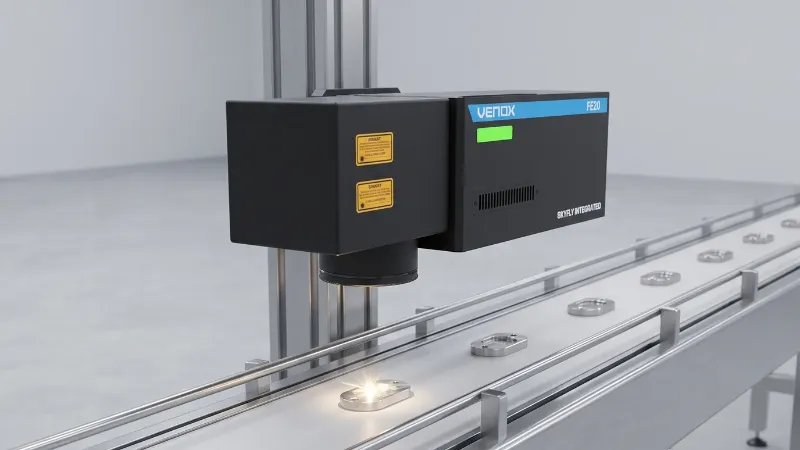
When a product enters the production line, the system can identify its type, retrieve the relevant serial number or code from the database, and perform the laser marking process. A camera or reader can then inspect the code and verify that the correct product is matched with the correct data.
This approach reduces data entry errors and ensures more organized production records.
Traceability in Quality Control Processes
Product traceability facilitates retrospective analysis in quality control processes. When a defect is detected in a product, its production history can be accessed through its serial number or DataMatrix code.
Information such as the machine on which the product was processed, the shift during which it was manufactured, its quality control results, or the batch to which it belongs can be examined. This enables faster identification of the root cause of a problem.
Other products manufactured under the same production conditions can also be identified, allowing necessary quality actions to be implemented in a more controlled manner.
Applications in Product Recall and Service Processes
In product recall processes, it is important to accurately identify which products may be at risk. Being able to identify only a specific series or batch group instead of recalling all products provides significant cost and operational advantages.
Through a laser-marked serial number or code, the production history of a product can be retrieved and its connection to the relevant batch can be verified. The same approach can also be used in after-sales service processes.
Service personnel can scan the product code to access information such as the model, production date, warranty status, or previous maintenance records.
In Which Industries Are Traceability Systems Used?
Industrial laser marking and traceability systems can be used in many industries where maintaining product history records is important.
- Automotive and spare parts manufacturing
- Machinery and equipment manufacturing
- Medical device manufacturing
- Electronic and electrical components
- Defense industry
- Aerospace applications
- Plastic injection molding
- Metalworking industry
- Home appliance manufacturing
- Packaging applications
The required level of traceability and the scope of recorded data may vary between industries. Therefore, the marking system and data infrastructure should be planned together.
Key Technical Considerations for Traceability Systems
For a successful traceability system, simply marking a code on a product is not sufficient. The code must remain readable throughout the product's service life and be correctly matched with its digital record.
- The surface and material to be marked should be properly analyzed.
- The code type should be selected according to its intended application.
- The code size and contrast should be compatible with the reading system.
- The serial number or variable data structure should be planned in advance.
- Integration with ERP, MES, or production databases should be evaluated.
- Compatibility with camera and code reader systems should be tested.
- The production cycle time should be taken into account.
- Data security and backup procedures should be planned.
Performing sample marking and code reading tests on actual products helps identify potential issues before the system is commissioned.
Laser Marking and Traceability Solutions with Venox
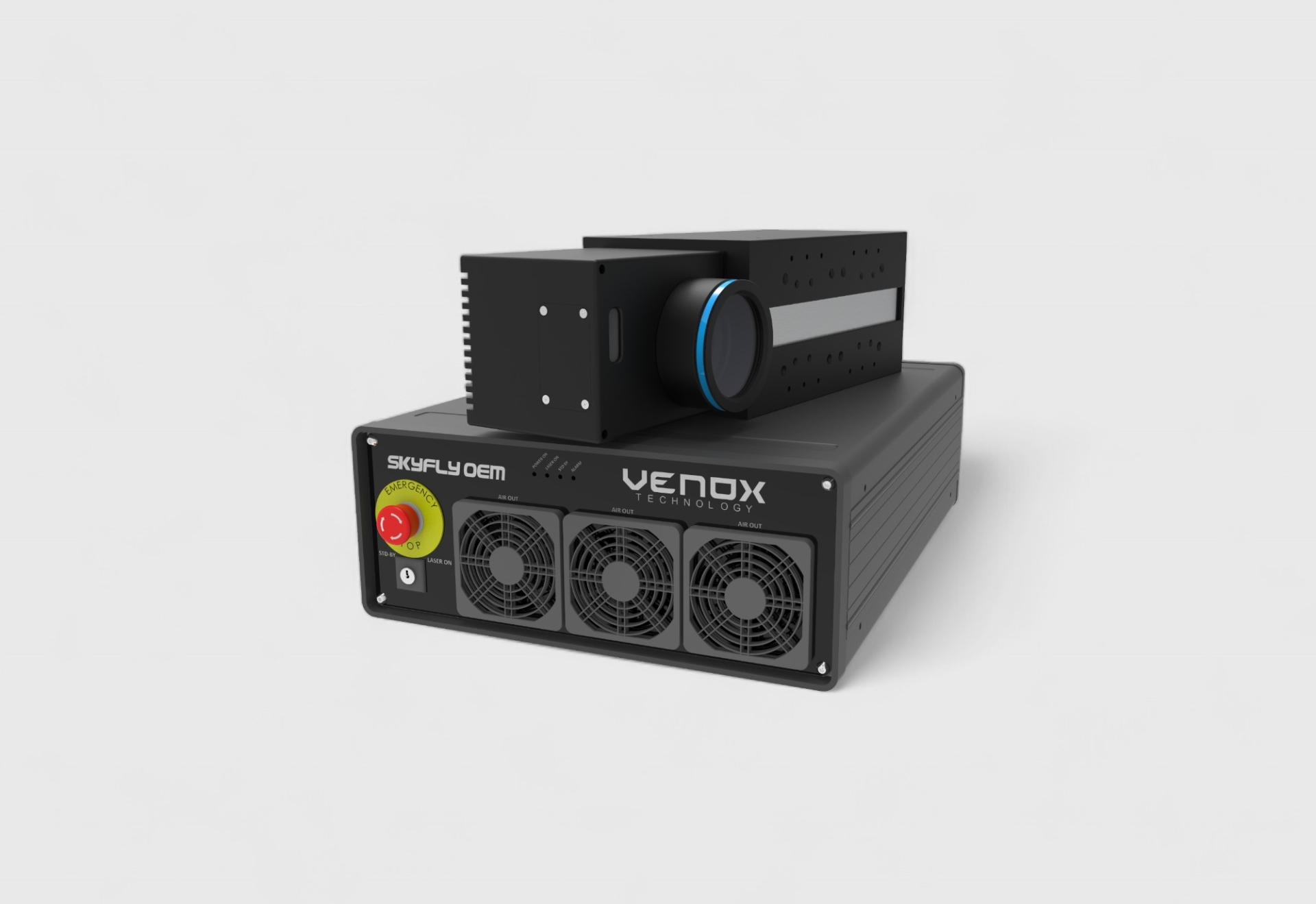
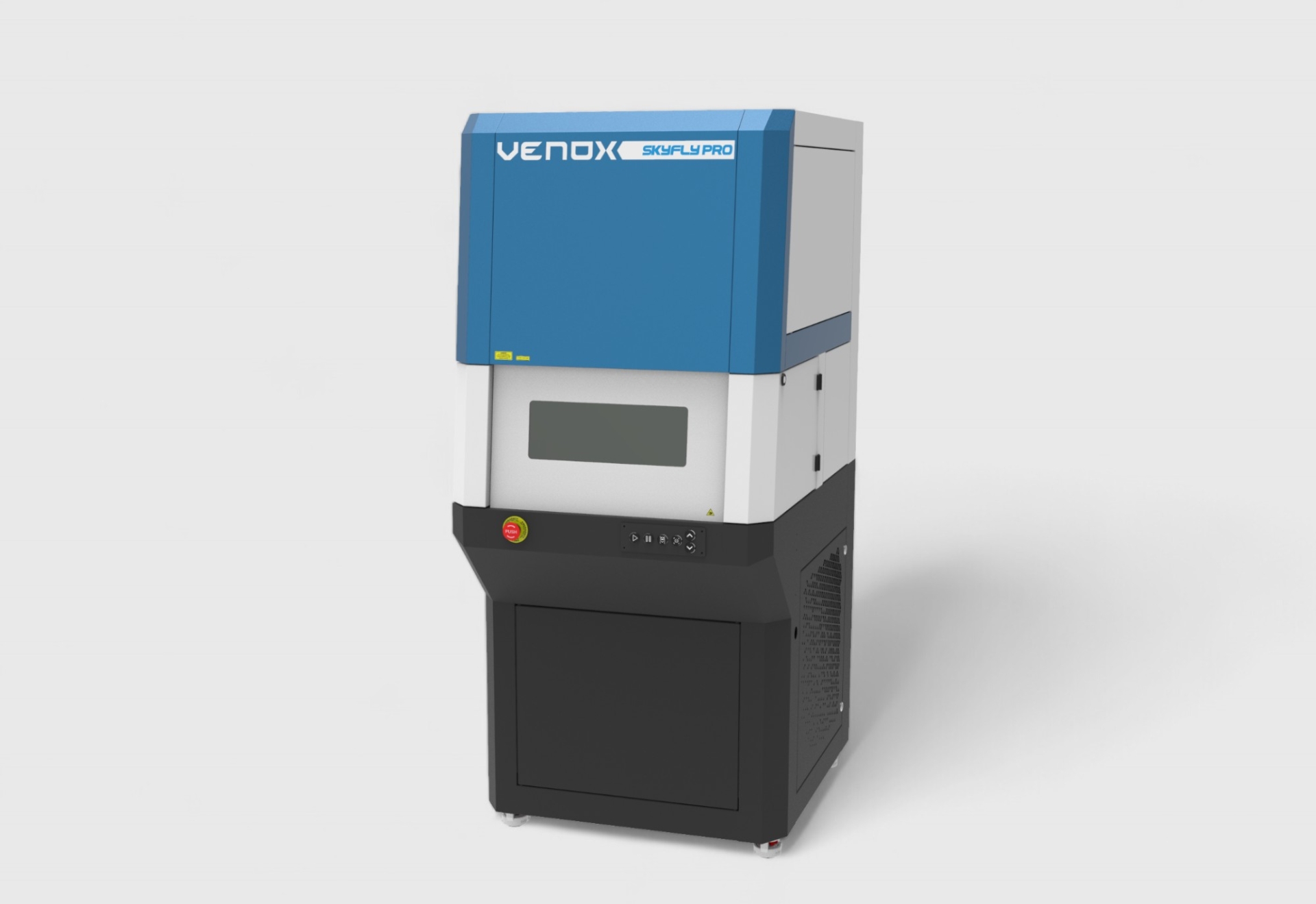
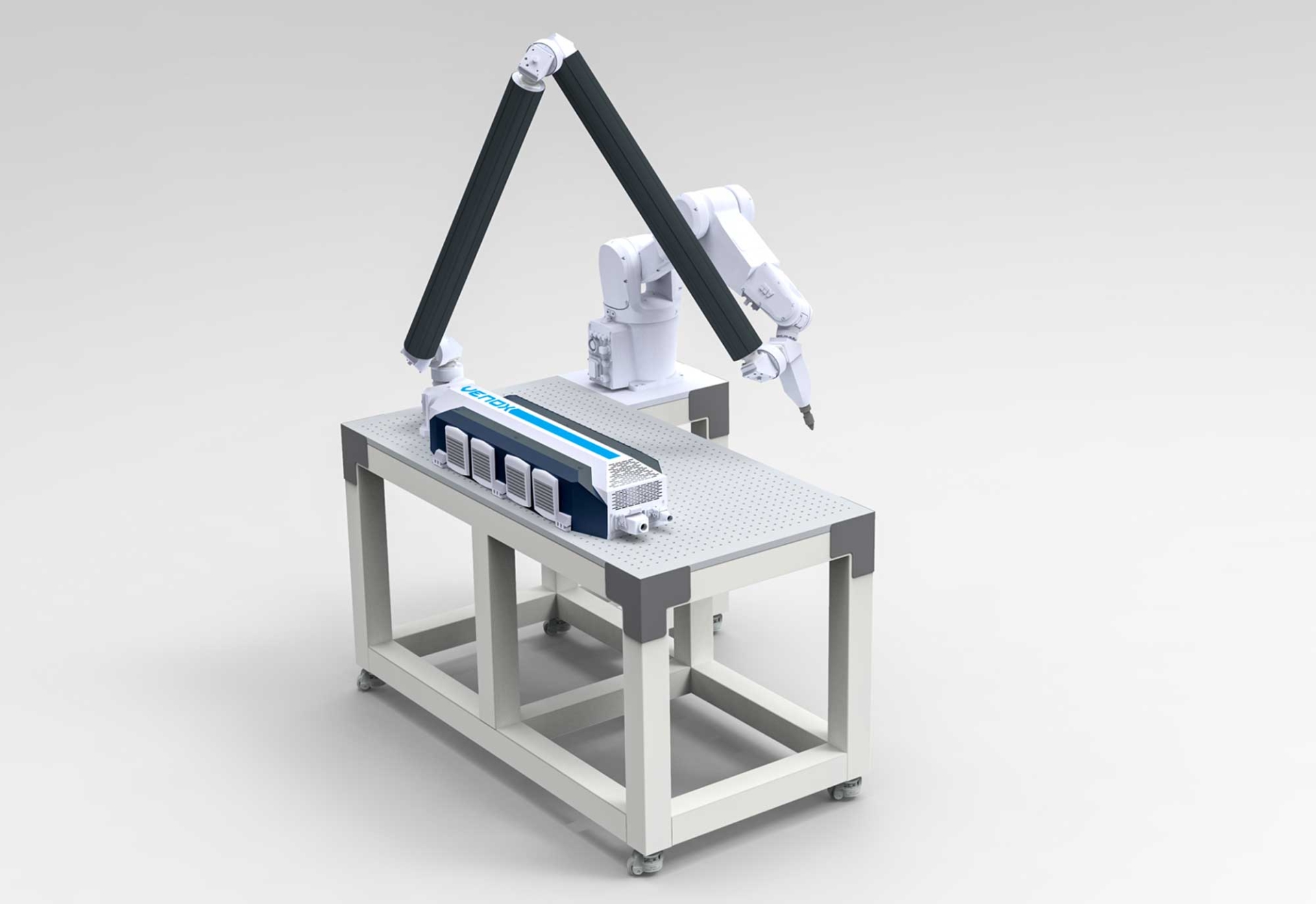
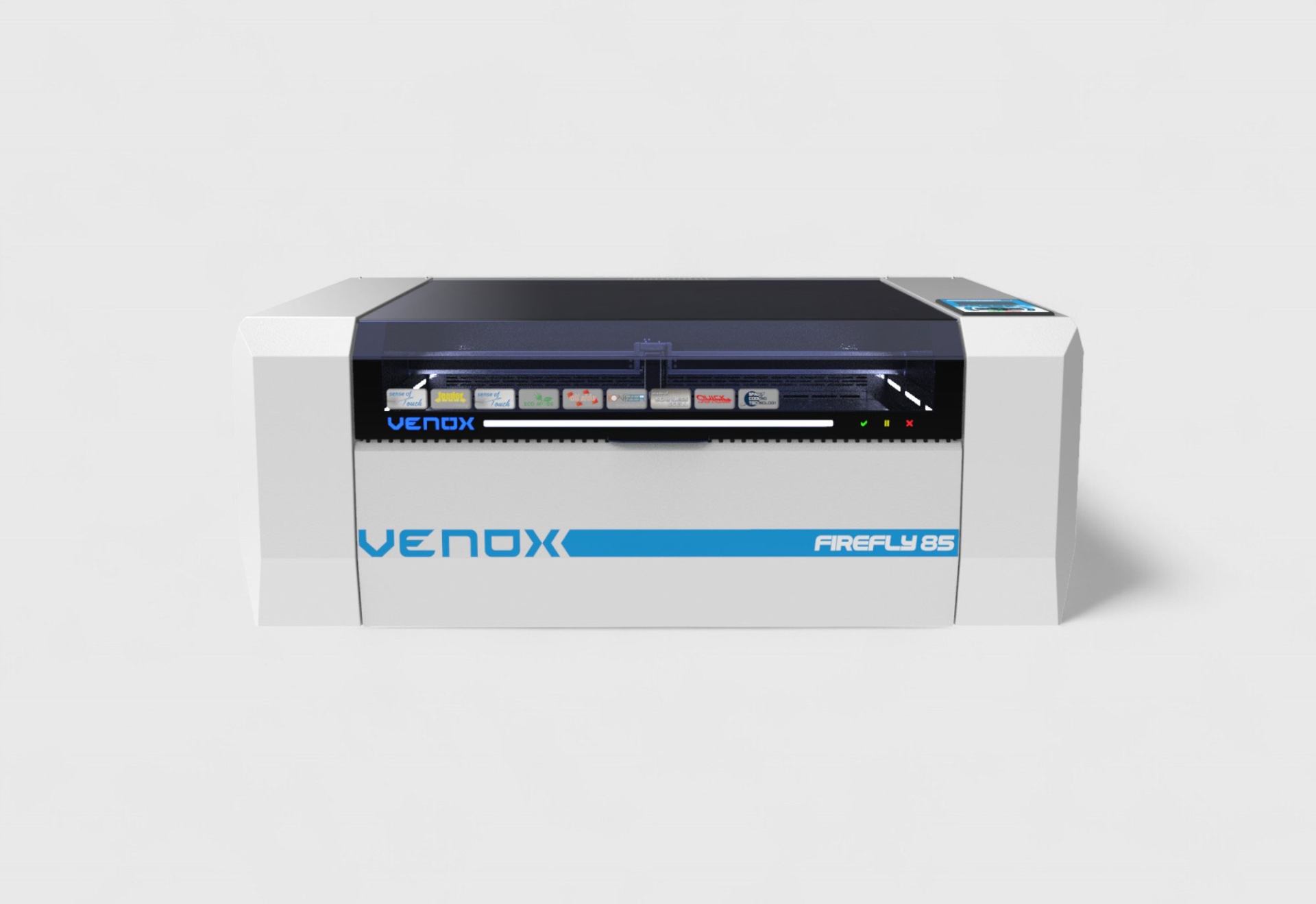
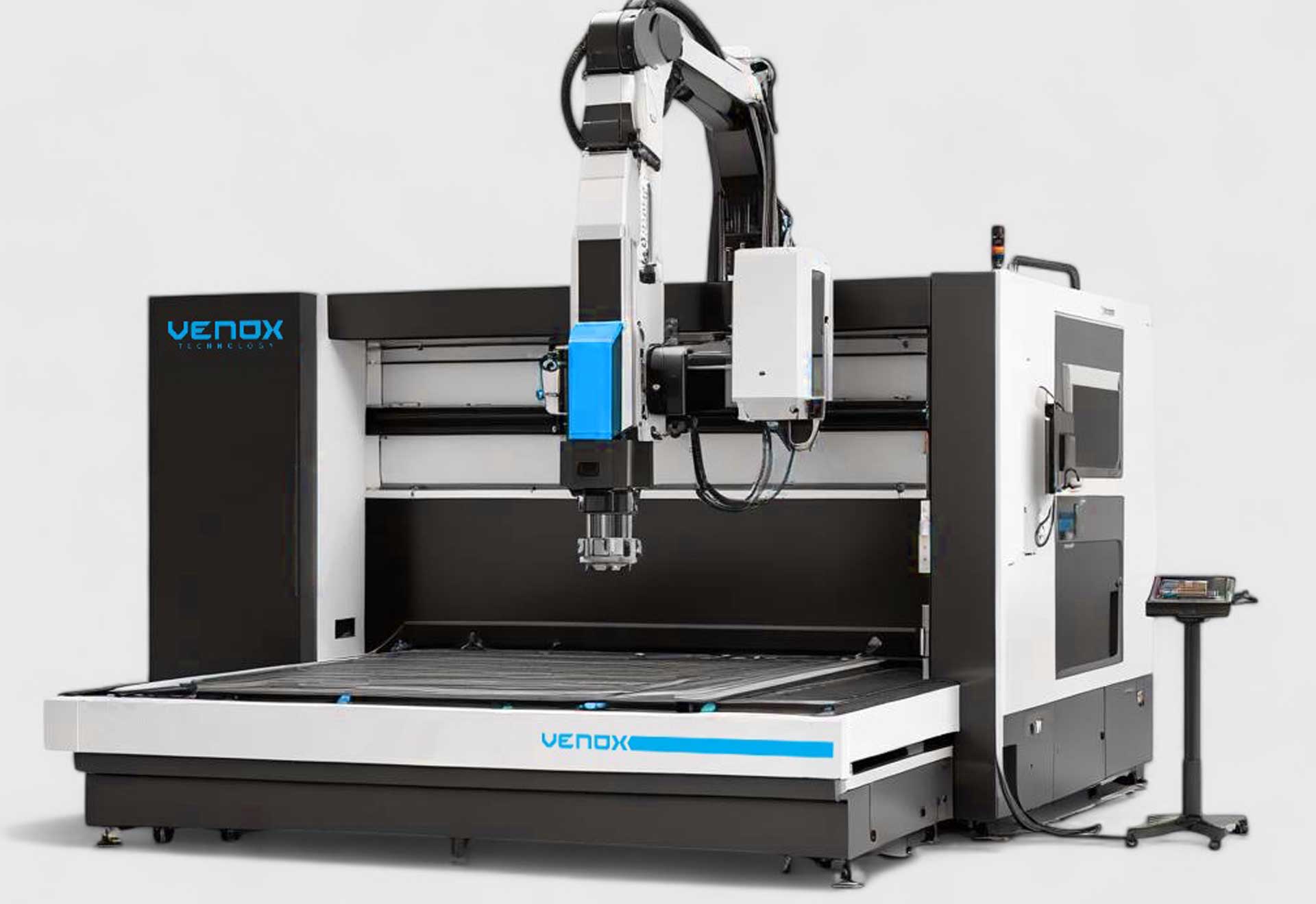
Venox offers Laser Marking Machines designed to meet product identification and traceability requirements. A suitable system can be configured by jointly evaluating the product material, code type, production capacity, automation requirements, and data flow.
With Venox laser technologies, you can track your products more effectively from manufacturing to shipment using serial numbers, barcodes, QR codes, or DataMatrix codes. To discuss your application, conduct sample tests, or request a quotation, you can contact the Venox team through the Contact Us page.
A properly configured industrial laser marking and traceability system establishes a permanent connection between the physical product and its digital production record. This connection helps ensure more reliable management of quality control, inventory management, servicing, and product recall processes.
Frequently Asked Questions
How is laser marking used in a traceability system?
A serial number, barcode, QR code, or DataMatrix code is laser-marked onto the product and linked to its digital production record. This allows the product to be scanned and tracked throughout different processes.
Why is DataMatrix preferred for traceability?
DataMatrix can store a large amount of data in a small area and is machine-readable. Therefore, it is frequently preferred for tracking small industrial components.
Can laser marking be connected to ERP or MES systems?
With the appropriate integration, a laser marking system can receive data from production databases, ERP, MES, PLC, or other automation systems.
Can codes be verified after marking?
Yes. Camera or barcode reader systems can be used to verify the readability of laser-marked QR codes, DataMatrix codes, or barcodes and check whether they contain the correct data.
Does Venox offer laser marking solutions for traceability?
To explore Venox product identification and traceability solutions, visit the Laser Marking Machines page or contact the Venox team through the contact page to discuss your application.
