
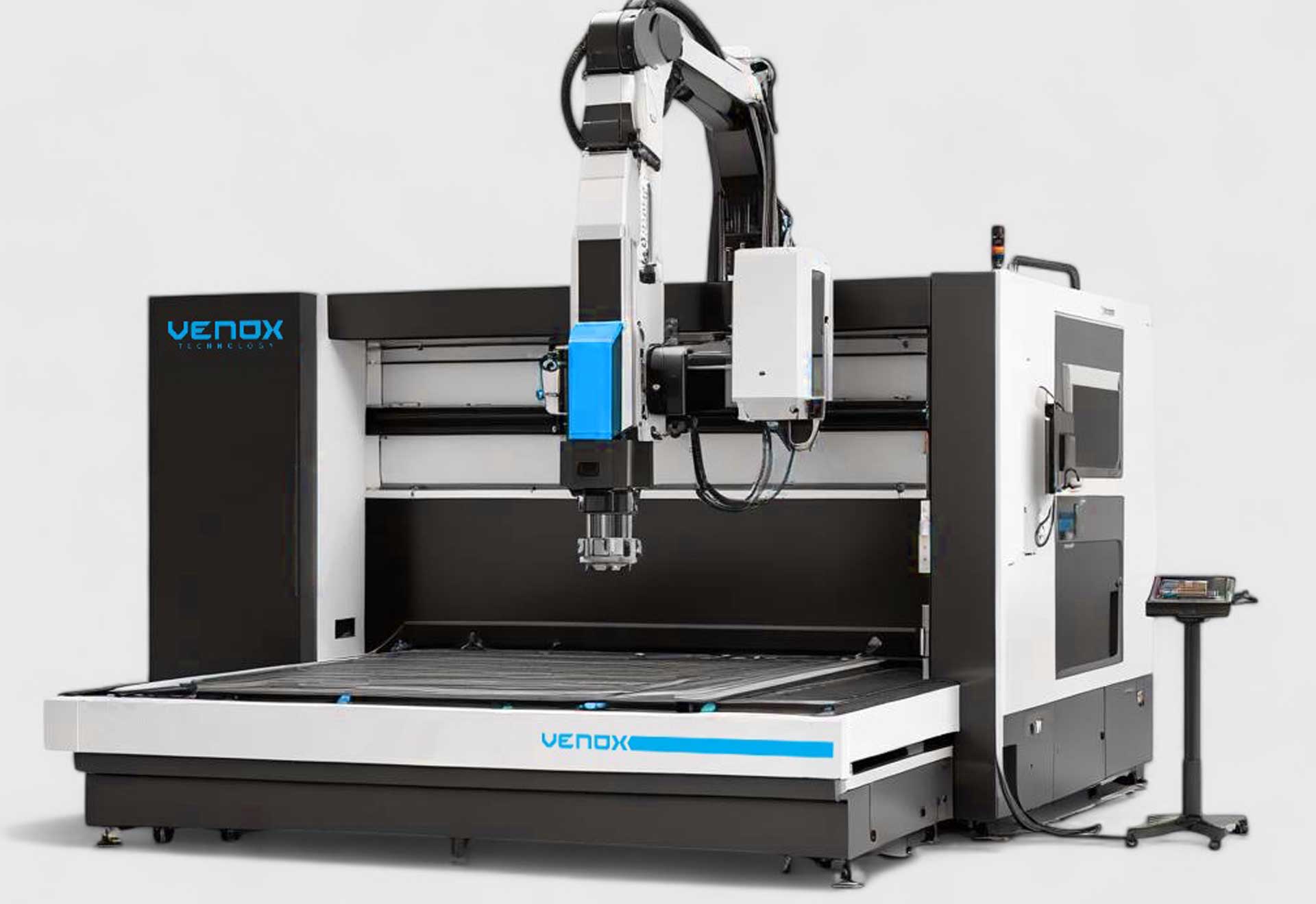

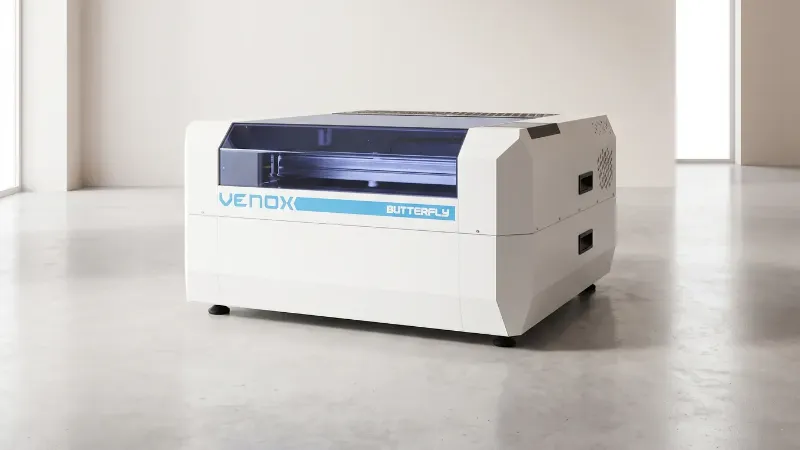
Industry-Specific Solutions with Venox Laser Marking Systems
Venox laser marking systems offer solutions for the product identification, permanent coding, traceability, and automation requirements of different industries. Serial numbers, QR codes, DataMatrix codes, barcodes, logos, dates, and technical information can be marked directly onto products made of metal, plastic, and other suitable materials using laser technology.
Every industry has different production structures, product materials, cycle times, and marking requirements. Therefore, a standard laser system does not deliver the same results for every application. By evaluating the characteristics of the product to be marked alongside the requirements of the production line, Venox helps develop industry-specific laser marking solutions.
How Do Venox Laser Marking Systems Adapt to Industrial Requirements?
Selecting Laser Technology According to the Product and Material
The first criterion to evaluate in industrial laser marking systems is the material to be marked. Fiber laser technologies are generally considered for stainless steel, aluminum, carbon steel, brass, copper, and various metal alloys, while different laser sources may be required for plastics, glass, or other materials.
Even the surface coating, alloy composition, or additives of the same material can change the marking result. Therefore, system selection should be based not only on the material type but also on testing actual product samples.
In Venox applications, the aim is to determine the appropriate laser technology by jointly evaluating the product surface, desired contrast, marking depth, and cycle time.
Specialized Marking for the Metalworking Industry
Component identification, technical information marking, and traceability are among the important requirements of the metalworking industry. Permanent information can be marked on machine components, fasteners, metal plates, and various technical parts.
Information such as serial numbers, product codes, logos, production dates, and DataMatrix codes can be laser-marked directly onto metal surfaces. This can reduce the need for label-based or ink-based solutions in certain applications.
The durability of the marking supports component tracking from production through to servicing.
Traceability for the Automotive Industry and Suppliers
Component traceability is an important part of quality management in the automotive industry. Even when thousands of components of the same model are manufactured, each product may need its own unique identity.
Laser marking systems can mark serial numbers, DataMatrix codes, QR codes, or other identifying information directly onto components. The code on the product can be linked to records in ERP, MES, or other production software systems.
This allows information such as production dates, lot details, quality control results, and service history to be tracked through a single product identifier.
Precision Marking for the Electronics and Electrical Industries
Small, readable markings may be required on electronic components, electrical panels, connectors, and various technical parts. In these applications, limited marking space increases the need for high precision.
Laser technology can enable precise marking of small text, serial numbers, symbols, and DataMatrix codes.
For plastics and sensitive surfaces, it is important to test the material's response to the laser beam in advance and determine suitable parameters.
Permanent Product Identification in Machinery Manufacturing
In machinery and equipment manufacturing, each component or finished product may need to be identified with technical information. Model numbers, serial numbers, production dates, technical specifications, and company logos can be marked directly onto product surfaces.
Permanent product identification offers significant advantages in maintenance and service processes. Information such as the product's manufacturing date, production series, or technical specifications can be tracked through the marking.
This structure helps preserve product history, particularly for industrial machinery used over many years.
Industry-Specific Laser Marking on Plastic Components
Injection-molded plastic products, automotive interior components, electronic enclosures, and various industrial plastic parts can be laser-marked. However, the response of plastics to laser processing varies depending on the material composition and additives used.
With suitable parameters, contrast changes or different marking effects can be created on the surface. Serial numbers, logos, product codes, and technical symbols can be marked on plastic surfaces.
For the best results, test marking should be performed on an actual product sample.
Solutions Integrated into Automated Production Lines
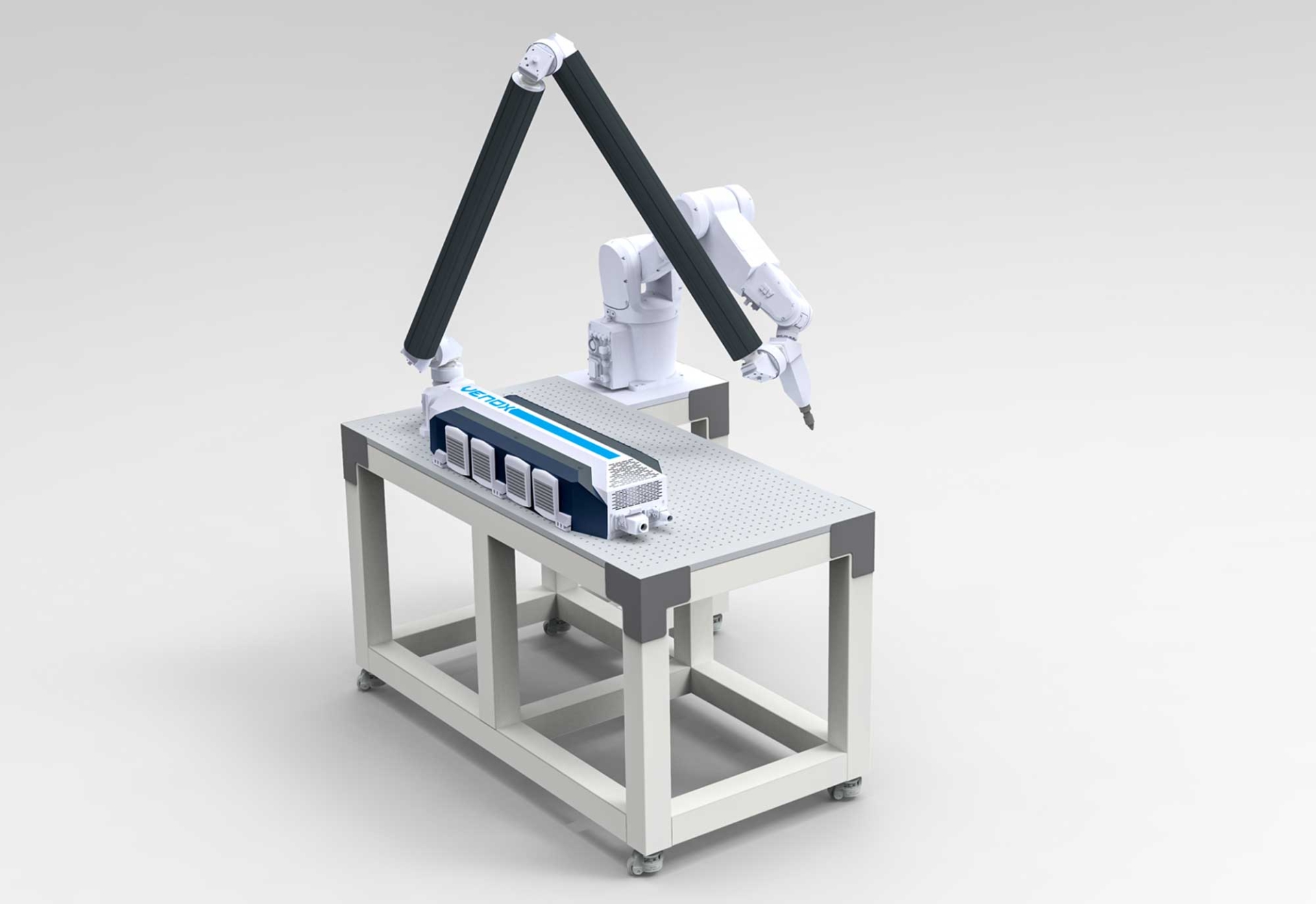
Industry-specific laser marking is not limited to the use of a standalone machine. The system can communicate with other equipment on the production line and become part of an automated operating structure.
PLCs, sensors, conveyors, robotic arms, cameras, and barcode readers can operate together with the marking system. When a product reaches the marking area, it can be automatically detected, the correct data can be transferred to the system, and the marking process can begin.
This enables a more standardized and controlled process in high-volume production by reducing operator intervention.
Product Tracking with QR Codes, DataMatrix Codes, and Serial Numbers
The type of code used for product tracking may vary depending on industry requirements. DataMatrix codes may be preferred for small metal components, while QR codes can be used for applications requiring links to different digital resources.
Serial numbers create a unique identity for each product, establishing a connection between the physical product and its digital record.
Laser marking systems enable these codes to be generated automatically using variable data. This allows each product to be marked with a different code.
What Should Be Considered When Determining an Industry-Specific Solution?
When selecting an industry-specific laser marking system, the entire production line should be evaluated as a whole.
- The product and material type to be marked should be identified.
- The desired marking contrast and depth should be defined.
- The cycle time per product should be calculated.
- Serial number or variable data requirements should be determined.
- QR code and DataMatrix readability should be tested.
- PLC, MES, or ERP integration should be planned.
- The need for camera-based verification should be evaluated.
- The marking area and product geometry should be analyzed.
- Laser safety and working environment conditions should be considered.
- Sample testing should be performed on the actual product.
Evaluating these criteria together helps ensure that the laser marking system is properly configured not only in terms of technical performance but also with regard to production capacity and long-term use.
Customized Laser Marking Solutions for Your Production with Venox
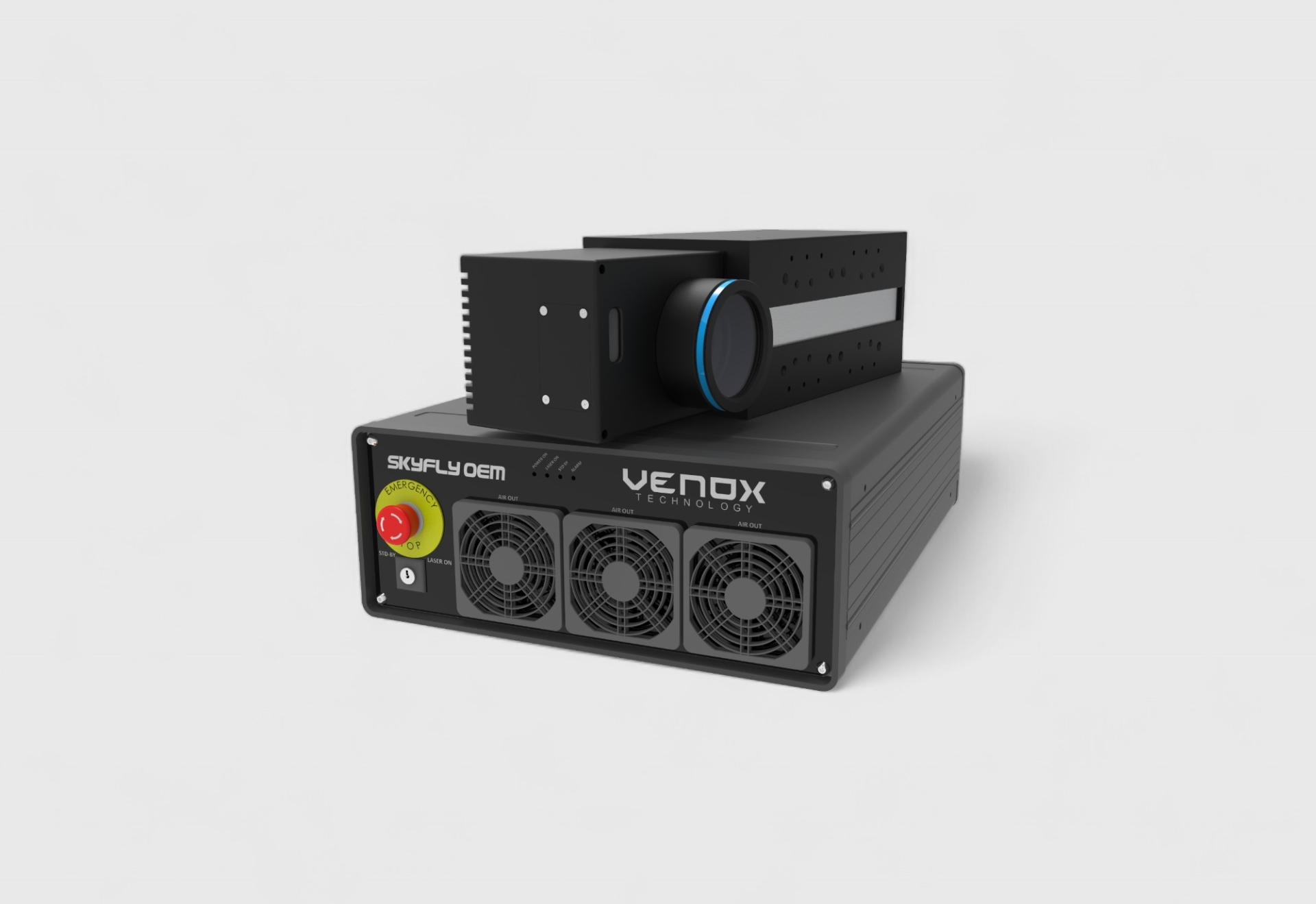
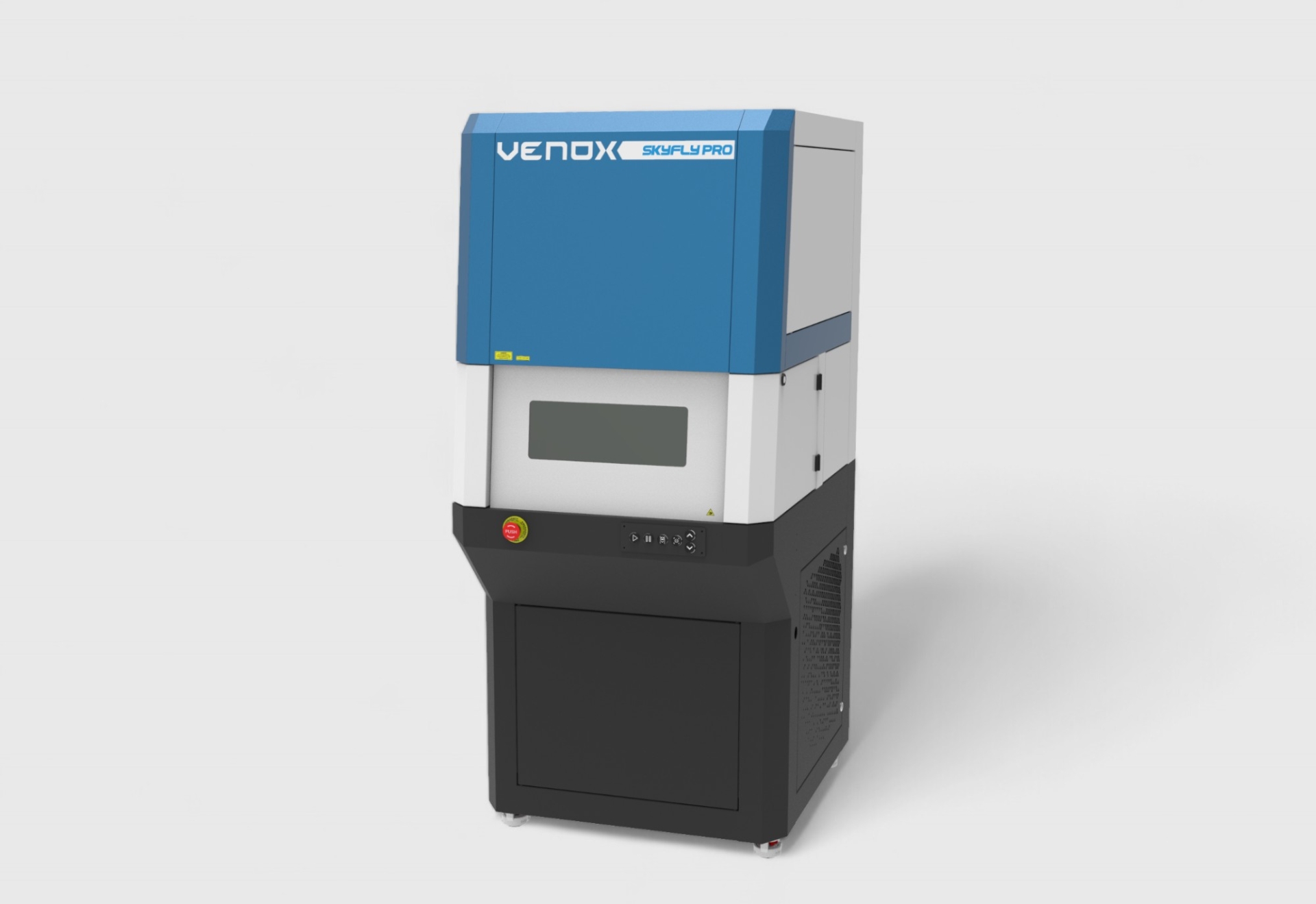
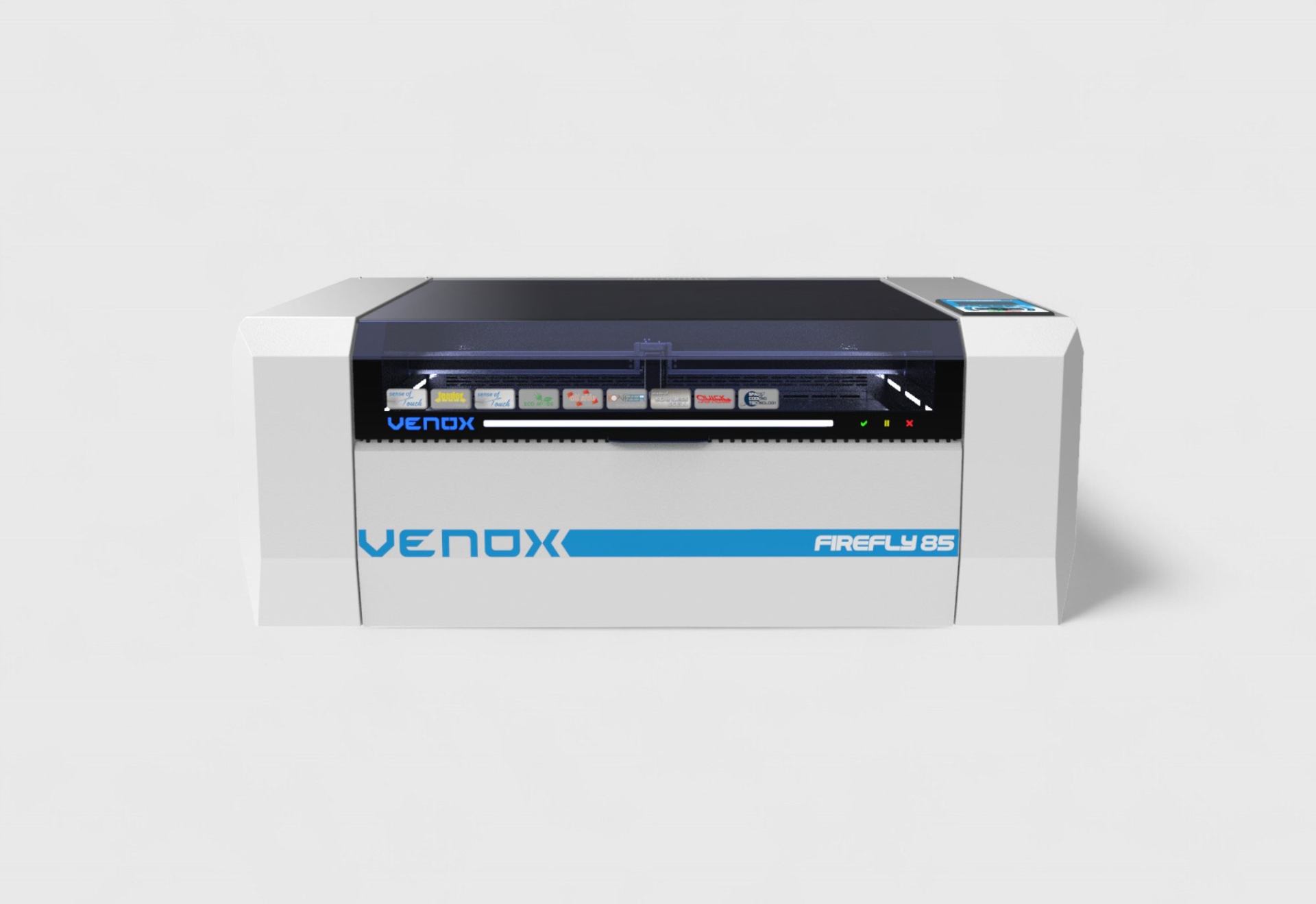
Venox offers Laser Marking Systems designed to meet the product identification and traceability requirements of different industries. The appropriate system can be determined by evaluating material type, product geometry, marking content, production capacity, and automation level together.
If you require permanent marking, serial numbers, QR codes, DataMatrix codes, or automation integration for your metal, plastic, or other industrial products, you can evaluate your application with the Venox team. For sample testing, technical evaluation, and quotations, you can contact us through the Contact Us page.
Properly configured Venox laser marking systems can combine permanent product identification, production traceability, automated data management, and industry-specific marking requirements within a single production infrastructure. This enables more controlled, repeatable, and digitally compatible marking processes across various industrial applications.
Frequently Asked Questions
In which industries can Venox laser marking systems be used?
They can be used in the automotive, machinery manufacturing, metalworking, electronics, plastics, defense, home appliance, and other industries requiring permanent product identification.
Can the same laser marking system be used for every industry?
No. Material type, production speed, marking area, laser source, and automation requirements may vary by industry. Each system should be evaluated according to the specific application.
Can Venox systems be integrated into production lines?
With appropriate system configuration, integration with PLCs, conveyors, sensors, robotic arms, cameras, and production software can be achieved.
Can different serial numbers be marked automatically on products?
Yes. Serial numbers and other variable data can be generated automatically or retrieved from ERP, MES, and databases to mark different information on each product.
How can I obtain information about Venox's industry-specific laser marking solutions?
To explore Venox products, you can visit the Laser Marking Systems page or contact the Venox team through the contact page for a system evaluation tailored to your production requirements.
