

Laser Cutting Machine Prices in 2026: 8 Factors That Determine the Cost of Precision Cutting Systems
Laser cutting machine prices cannot be expressed as a single figure; pricing depends on the power and type of laser source, working area, axis and automation configuration, safety enclosure, software, service coverage, and place of manufacture. Two systems with the same laser power may differ in price by several times due to differences in automation and integration.
This article covers galvo-based fiber and CO₂ systems in the precision cutting category; high-power machines designed for cutting thick sheet metal belong to a separate price category. The aim is to understand how different factors affect pricing before requesting a quotation and to compare quotations accurately.
Venox's laser cutting systems are manufactured domestically and priced according to their configuration. Below, we explain the 8 key factors, followed by the total cost of ownership and the quotation process.
8 Factors That Determine Laser Cutting Machine Prices
Laser Source and Power (Factors 1–2)
The first pricing distinction is whether the system uses a fiber or CO₂ laser. Fiber laser sources are standard for metal processing, and source costs increase significantly as power rises (from 20 W to 300 W and above). The laser source brand and expected service life also affect the price. Unnecessarily high power increases both the purchase price and energy costs; power should therefore be selected according to material thickness.
Optical and Mechanical Configuration (Factors 3–4)
The quality of the galvo scanner and the F-theta lens determines the working area and precision. Additional linear axes (XY table, Z-axis, rotary axis) are required for larger working areas, and each additional axis increases the price. As the precision class increases (micron-level repeatability), the costs of mechanical components and calibration also rise.
Automation, Safety, and Software (Factors 5–7)
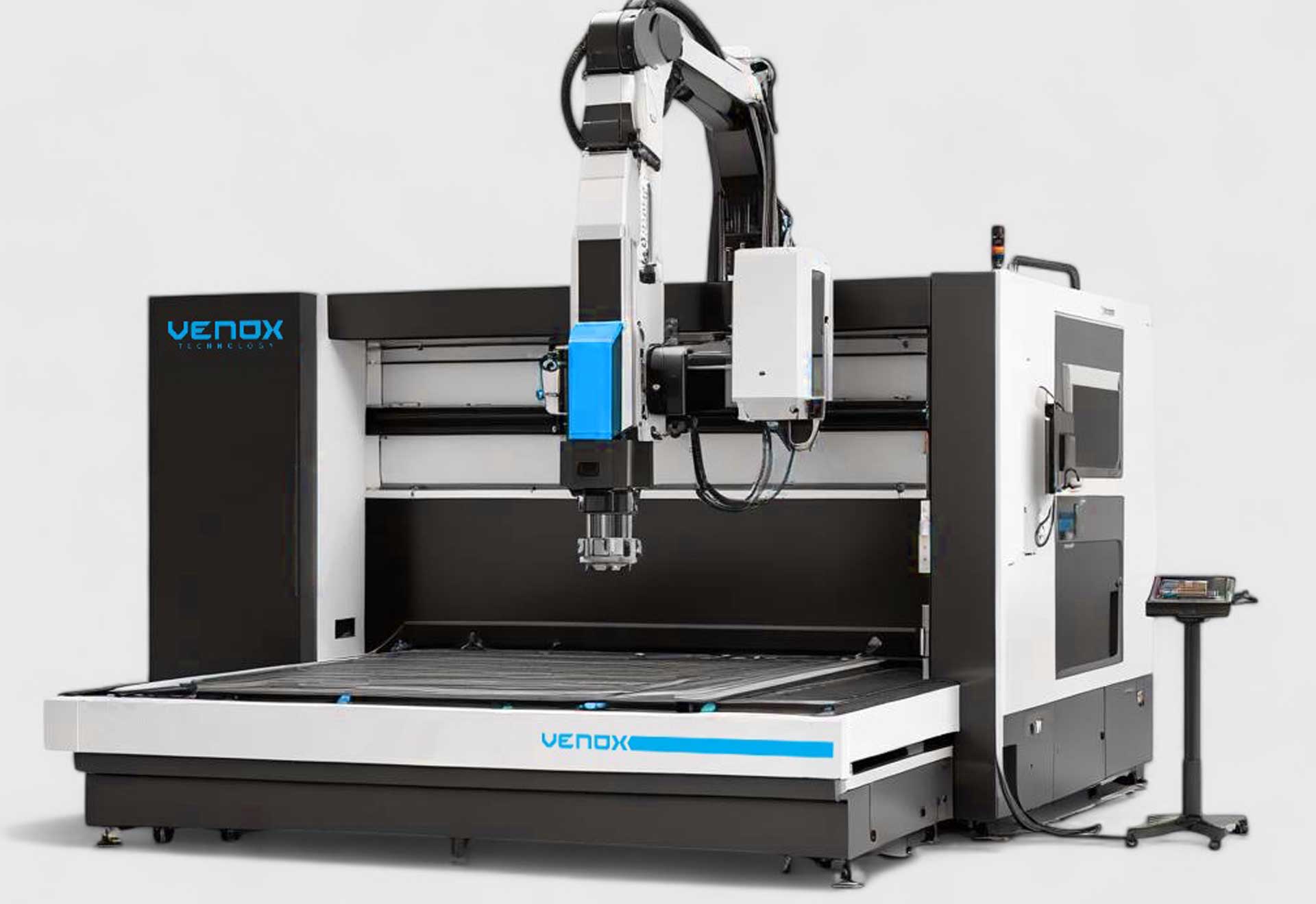
Class 1 safety enclosures, fume extraction units, automatic loading and unloading, conveyor integration, camera-based positioning, and PLC/MES connectivity are among the factors that have the greatest impact on system pricing. On the software side, variable data handling, database connectivity, and combined cutting and marking programming provide additional value. Inline systems such as Firefly Integrated incorporate these features.
Service, Training, and Warranty (Factor 8)
Installation, operator training, warranty duration, spare parts availability, and service response times represent less visible aspects of the purchase price, yet they have a significant impact throughout the machine's service life. Domestic manufacturers can generally provide faster and more cost-effective access to service and spare parts than imported systems. Venox's technical service and training services are provided within this scope.
| # | Factor | Impact on Price |
|---|---|---|
| 1 | Laser type (fiber / CO₂) | Determines the basic system category |
| 2 | Laser power and source lifespan | High |
| 3 | Galvo scanner, lens, and working area | Medium–high |
| 4 | Additional axes and precision class | Medium–high |
| 5 | Enclosure, safety, and fume extraction | Medium |
| 6 | Automation and production line integration | High |
| 7 | Software and data connectivity | Medium |
| 8 | Service, training, warranty, and place of manufacture | High impact on lifetime costs |
Total Cost of Ownership and Quotation Process
Cost Differences Between Domestic and Imported Systems
In addition to the purchase price, exchange rate risks, transportation, customs duties, travel expenses for overseas service technicians, and spare parts delivery times also contribute to costs. With domestic manufacturing, these expenses are largely eliminated, and downtime in the event of a malfunction is reduced. Venox Technology carries out its design and manufacturing activities in Türkiye.
Consumables, Energy, and Maintenance Expenses
Fiber lasers require almost no consumables; protective glass, nozzles, and filters are replaced periodically. Energy consumption is typically in the range of a few kW, depending on the system power. Assist gas (nitrogen) costs are directly proportional to production volume and can be reduced by using air for thin materials. In CO₂ systems, mirror and laser tube maintenance generate additional expenses.
How Is Return on Investment Calculated?
Return on investment is calculated based on the elimination of outsourced cutting costs, the removal of tooling investment requirements, labor savings achieved by combining cutting and marking in a single machine, and reduced scrap rates. When the monthly production quantity and current cost per part are known, the payback period can be calculated within minutes. Venox's application consulting service helps you perform this calculation.
Checklist Before Requesting a Quotation
- Is the material list, thickness range, and monthly production quantity available?
- Have the maximum part dimensions and target tolerance been determined?
- Is marking required in addition to cutting?
- Has the automation level (manual, semi-automatic, inline) been decided?
- Have the enclosure, fume extraction, and safety requirements been defined?
- Are the warranty, service response time, and training scope explicitly requested in the quotation?
Frequently Asked Questions
What determines the price of a laser cutting machine? The price is primarily influenced by laser power, automation level, and working area, while service and place of manufacture determine lifetime costs.
How many watts are required for precision cutting? Medium power is generally sufficient for thin metals and small parts; the appropriate power is determined through sample testing based on material thickness and target cutting speed.
Are domestically manufactured laser cutting machines cheaper than imported ones? When service, spare parts, and exchange rate risks are considered alongside the purchase price, the total cost is generally lower.
Get a Configuration-Specific Quotation from Venox
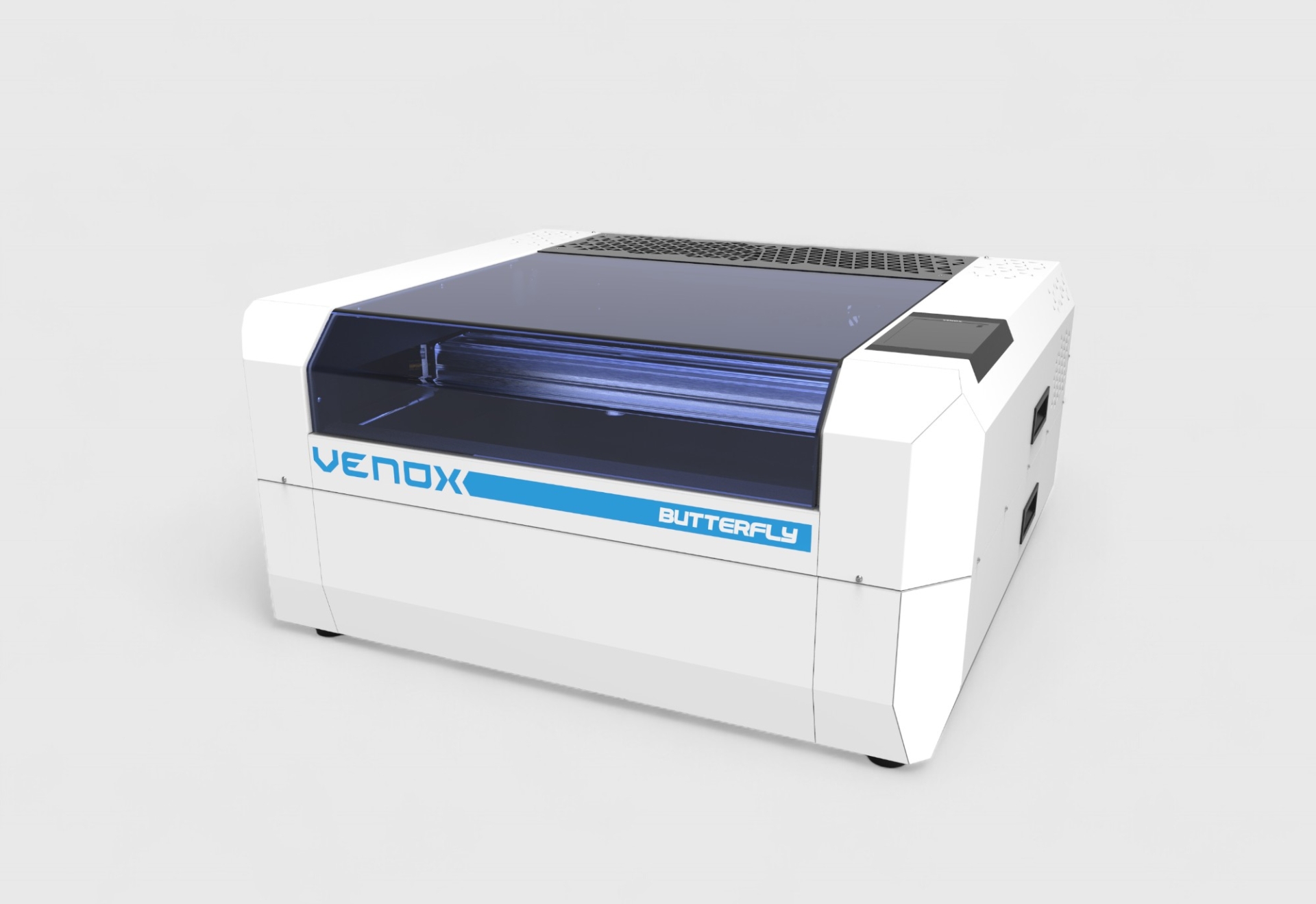
Share your part specifications and production targets with us, and a suitable configuration and price quotation will be prepared based on your requirements, selecting from the Butterfly, A Series, or integrated solutions.
For a quotation and sample testing, you can contact Venox.
