

Thin Sheet Metal Laser Cutting: How to Achieve Cutting Quality in 0.1–3 mm Stainless Steel, Aluminum, and Copper
Thin sheet metal laser cutting is the process of cutting metal sheets with a thickness of 0.1–3 mm using a fiber laser to achieve burr-free, distortion-free results with a narrow kerf. Unlike thick sheet metal cutting, the main challenge is not insufficient power but excessive heat, which can bend the part, burn the edges, and damage fine details. Cutting quality is achieved through the coordinated control of heat input, assist gas, focus position, and cutting strategy.
Stainless steel, aluminum, and copper are the three most commonly cut materials in this thickness range, and each behaves differently. Stainless steel is susceptible to oxidation, aluminum to burr formation and reflection, while copper is prone to unstable cutting due to its high reflectivity and thermal conductivity.
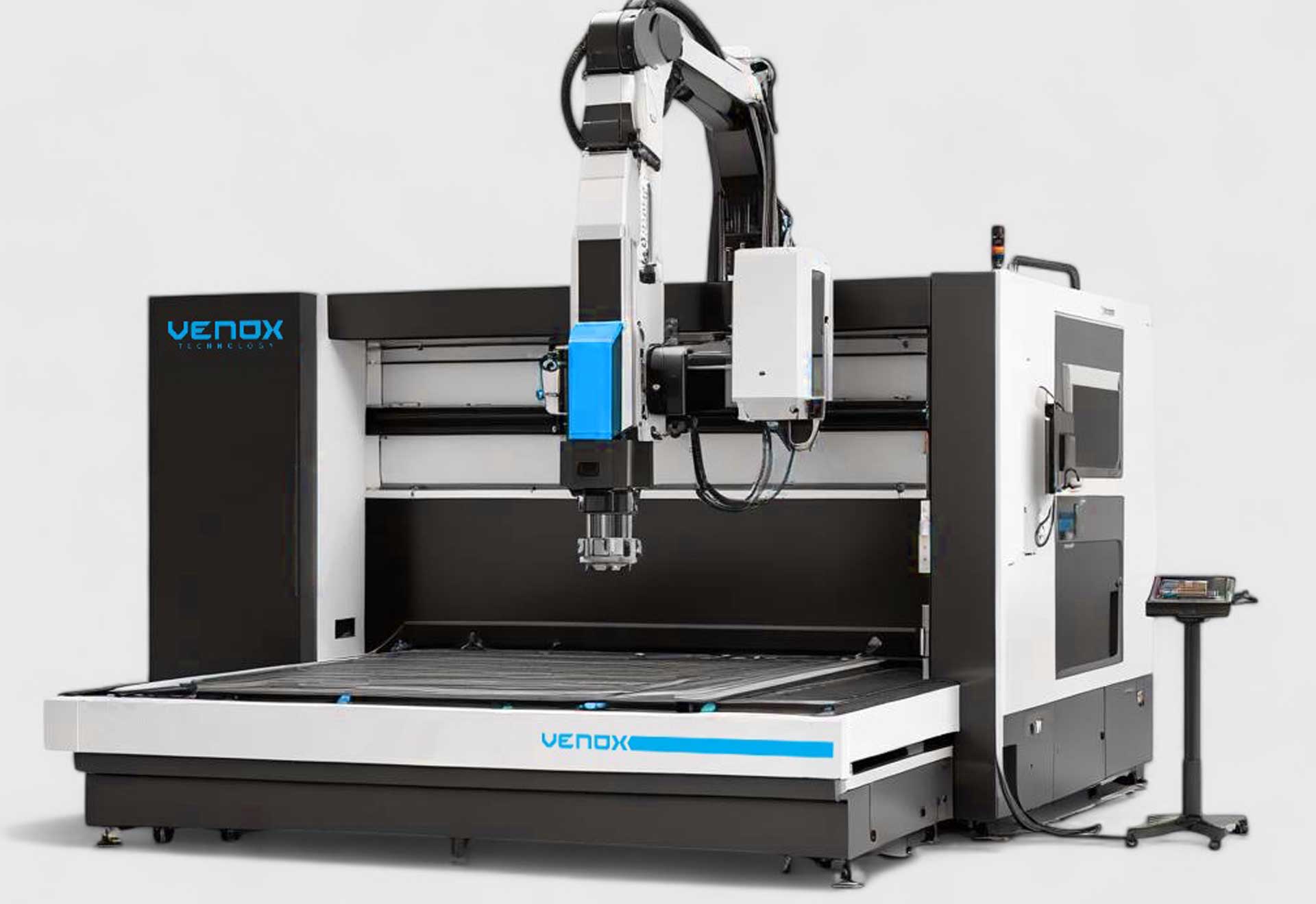
Venox's laser cutting systems use galvo-based fiber lasers for thin metal components. This article explains the factors that determine cutting quality in thin sheet metal and the appropriate approach for each material.
Factors That Determine Cutting Quality in Thin Sheet Metal
Heat Input and Distortion Control
Thin sheet metal has a low heat capacity; excessive energy causes the part to bend and the edges to become discolored. The solution is not simply to reduce power but to balance energy density with the appropriate cutting speed. Pulsed operation, distributing heat by changing the cutting sequence along long contours, and leaving micro-tabs on small parts help reduce distortion. Securing the sheet from below using vacuum or mechanical clamps also limits thermal movement. Since very small parts may tilt and obstruct the laser beam when cutting is completed, the part release sequence and micro-tab positions should be planned during the design stage.
Burr and Dross Formation
Burrs form when molten metal solidifies along the bottom edge. Insufficient gas pressure, incorrect focus, and low cutting speed increase burr formation. In thin sheet metal, burr-free edges can be achieved with the correct gas pressure and nozzle distance, eliminating the need for subsequent deburring. During sample testing, the bottom edge should be inspected using a magnifying glass.
Assist Gas Selection
For stainless steel and aluminum, nitrogen produces bright, oxide-free edges and is preferred for parts that will subsequently undergo welding or coating. In carbon steel, oxygen increases cutting speed but leaves an oxide layer on the edges. For very thin materials, clean compressed air is an economical alternative; although its edge quality may not match that of nitrogen, it is sufficient for many applications.
Focus Position and Nozzle Distance
In thin sheet metal cutting, the focus is generally positioned on the surface or slightly below it. Incorrect focus widens the kerf and reduces edge perpendicularity. The nozzle–material distance determines gas flow; if the sheet is not flat, this distance should be maintained using a distance sensor or autofocus system. Since galvo systems have a limited depth of focus (DOF), keeping the sheet flat is particularly important.
| Material | Typical Thickness | Recommended Gas | Key Considerations |
|---|---|---|---|
| Stainless steel | 0.1–3 mm | Nitrogen | Oxidation and discoloration, edge brightness |
| Aluminum | 0.2–3 mm | Nitrogen / air | Bottom-edge burrs, reflection |
| Copper and brass | 0.1–2 mm | Nitrogen / air | High reflectivity, thermal conductivity, stable cutting initiation |
| Carbon steel | 0.2–3 mm | Oxygen / nitrogen | Oxide layer, speed–quality balance |
Thin Sheet Metal Laser Cutting Applications by Material
Stainless Steel
Thin stainless steel sheets are widely used in medical, food, and electronic components. Cutting with nitrogen produces oxide-free edges and preserves corrosion resistance. If discoloration after cutting is unacceptable, the balance between power and speed should be verified through sample testing. For more information about laser processing of metals, visit the laser processing of metal materials page.
Aluminum
Aluminum conducts heat rapidly and tends to produce burrs along the bottom edge. High gas pressure, correct focus, and sufficient cutting speed help prevent burr formation. When cutting anodized aluminum, the coating is removed along the cutting edge; this should be considered if the part will undergo anodizing after cutting. Aluminum's high reflectivity requires the laser source to be protected against back-reflection. Modern fiber laser sources are equipped with this protection; however, for highly reflective surfaces, it is recommended to select a starting point close to the edge and keep the piercing time short.
Copper and Brass
Copper absorbs 1064 nm laser radiation less efficiently than other metals and conducts heat very rapidly, which can cause instability at the start of cutting. The high beam quality of fiber lasers and a pulsed cutting initiation strategy help overcome this problem. Brass is easier to cut than copper, as its zinc content increases absorption. For both materials, nitrogen prevents edge oxidation and eliminates the need for additional cleaning before soldering or coating. Electrical contacts, busbars, and connector components are cut using this approach; applications in the electronics industry are examples of this.
Thin Sheet Metal Cutting Sample Test Checklist
- Have the material, alloy, and thickness been specified?
- Have the acceptance criteria for edge quality (burrs, oxidation, discoloration) been defined?
- Are the part's flatness tolerance and distortion limits known?
- Have the gas type and associated costs been calculated according to production volume?
- Do subsequent processes (welding, coating, assembly) affect edge quality requirements?
- If marking is required after cutting, has it been planned within the same system?
Frequently Asked Questions
How can burrs be prevented in thin sheet metal laser cutting? By using the correct gas pressure, focus position, and sufficient cutting speed. The parameters are finalized after inspecting the bottom edge during sample testing.
Can 0.1 mm foil be cut with a laser? Yes. Metal foils and shims can be cleanly cut using the small spot diameter and low heat input of a fiber laser.
Can air be used instead of nitrogen? Yes, for very thin materials where edge brightness is not critical. However, nitrogen is recommended for achieving oxide-free edges on stainless steel.
Validate Your Thin Sheet Metal Cutting Parameters with Venox
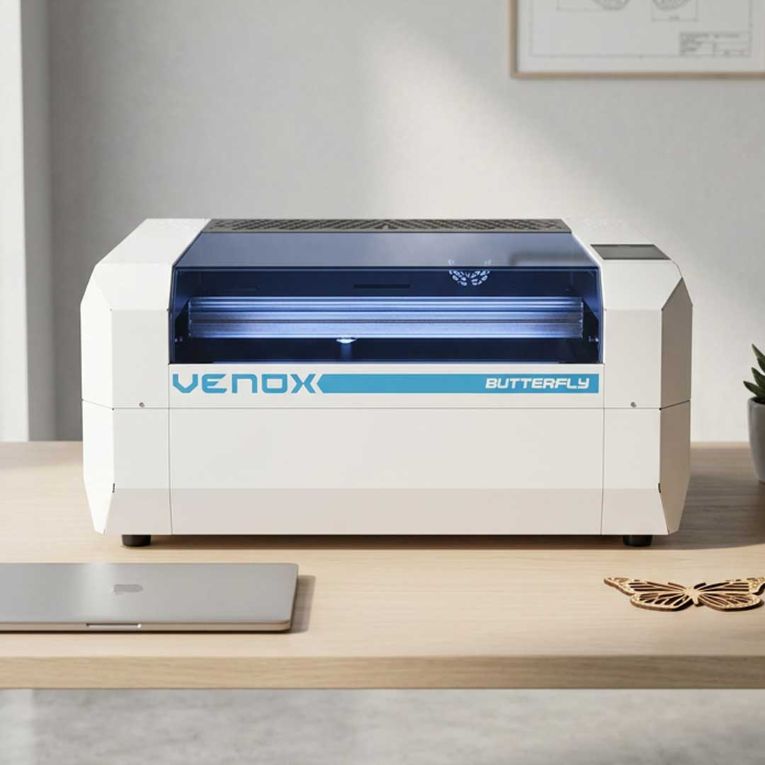
Send us your material samples and evaluate edge quality and cycle time directly on your own components through a free sample test. The A Series and Butterfly systems can be configured for thin metal components.
For a quotation and application evaluation, you can contact Venox.
