
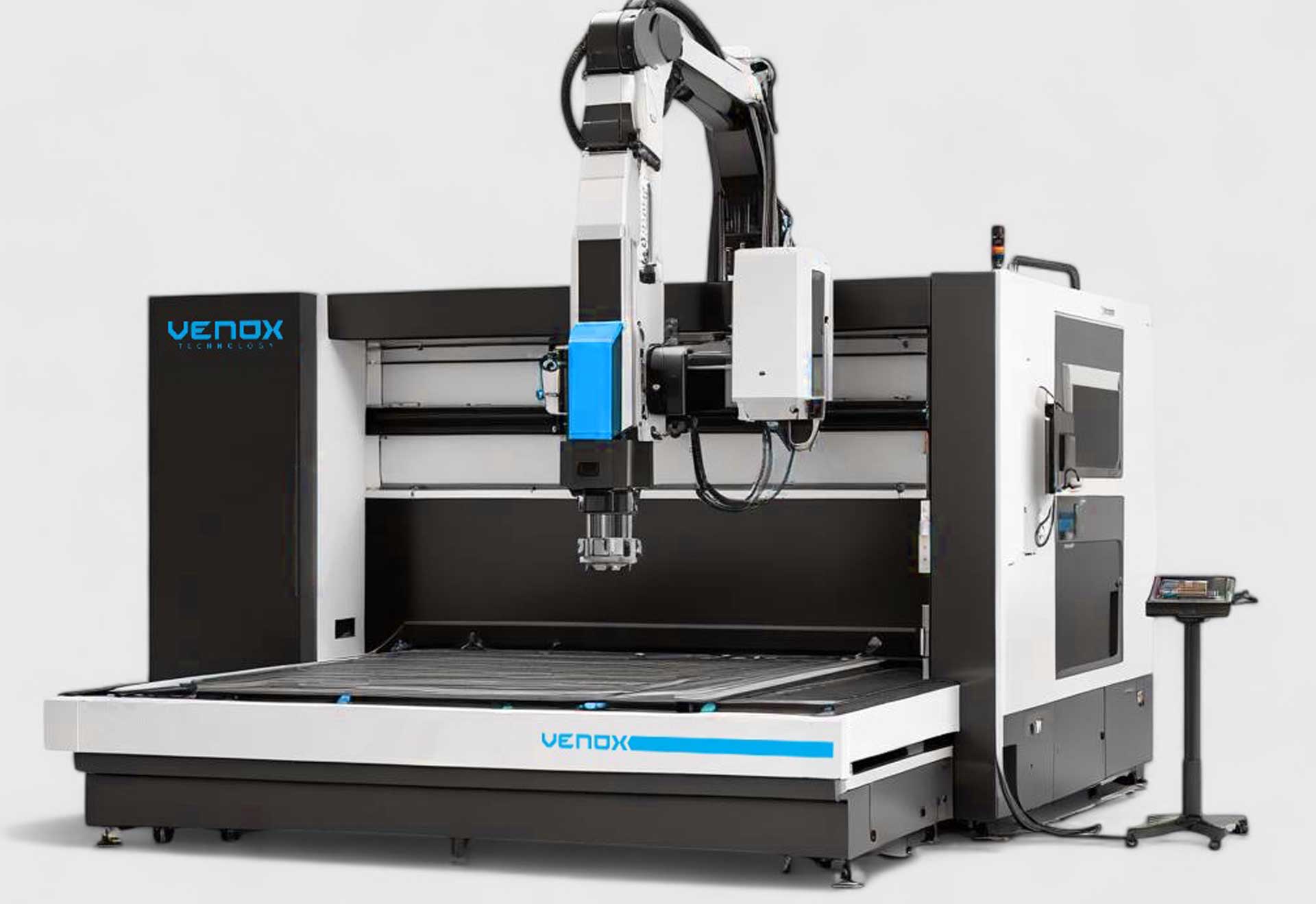

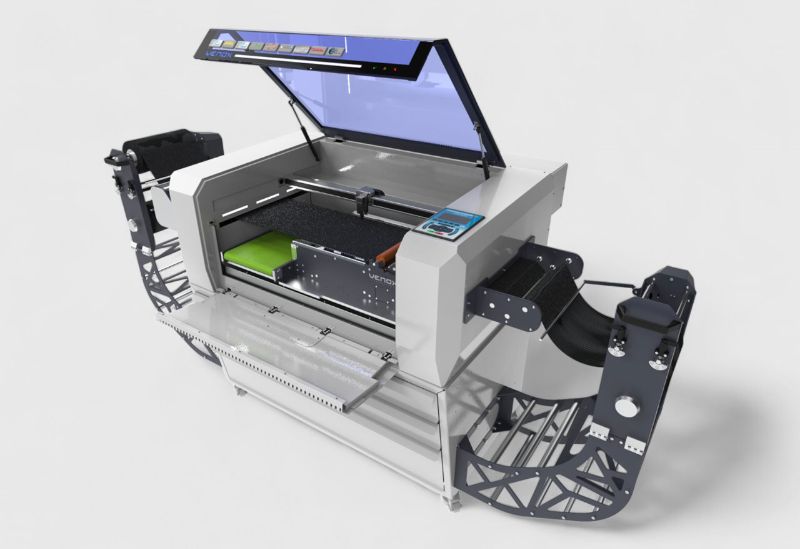
Laser machines are one of the most critical components of modern production technologies. In industry, laser systems used for marking, cutting, engraving, micro-machining and surface processing stand out with their advantages of high speed, permanence, precision and operation without consumables. The laser machines we develop at Venox Teknoloji are designed to meet both the speed and quality requirements of industrial facilities.
In this comprehensive content, you can find many details from the working principles of laser machines to their fields of application, from their advantages to the professional solutions offered by Venox. The aim is to address the value that laser technology brings to industrial processes from a technical and sector-specific perspective.
What Are Laser Machines? Technical Operating Principle
Laser machines are systems that can process materials through the controlled use of high-intensity light. The laser beam is focused at a specific wavelength and directed onto the surface, creating a physical or chemical change. In this way, cutting, engraving, marking or forming operations can be performed on the material.
Generation of the Laser Beam
The laser beam is generated inside a specific resonator. This resonator amplifies the light and converts it into a concentrated form of energy in a single direction. This high-intensity beam is transmitted to the surface with the help of optical lenses and galvo motors.
The main components of a laser machine are as follows:
- Laser source: Can be fiber, CO₂ or UV.
- Galvo scanning system: Directs the beam at high speed.
- Lens: Defines the processing area.
- Control unit: Manages the process parameters.
- Industrial software: Provides functions such as code, graphics, barcode and data processing.
Types of Laser Machines
According to industrial needs, laser machines are evaluated in three main categories:
- Fiber laser machines: Used for marking and engraving on metal surfaces.
- CO₂ laser machines: Ideal for cutting/engraving on wood, leather, plexiglass, paper and organic materials.
- UV laser machines: Can process heat-sensitive surfaces at micron level without leaving burn marks.
Industrial Application Areas of Laser Machines
Today, laser machines are present in almost all manufacturing sectors. They offer versatile advantages such as increasing production speed, ensuring traceability, strengthening quality control processes and reducing operational costs.
Automotive Industry
Engine components, sensor surfaces, chassis parts and metal fasteners are processed with laser machines. In the automotive industry, laser marking and engraving are essential for part tracking and quality assurance.
Electronics and Microchip Production
Laser machines are used to mark QR codes, barcodes, lot numbers or circuit identifiers on PCBs. UV lasers, in particular, have become widespread in the electronics industry because they can process sensitively without burning the material.
Packaging and Fast-Moving Consumer Goods (FMCG)
On food and cosmetics packaging, production date, expiry date, lot number and serial information are applied by laser. Since laser technology does not require ink, it is both clean and cost-effective.
Medical and Surgical Equipment
Laser marking is indispensable for medical devices that must withstand sterilization processes. Because it does not cause rust, does not damage the surface and provides permanent marking, it has become a standard in this sector.
Metal and Plastic Product Manufacturing
Laser machines are used in mass production applications on metal, plastic and composite surfaces. They offer versatile solutions such as product identification, logo marking, decorative processing and functional surface treatment.
Advantages of Laser Machines
- Non-contact process: The material is not damaged.
- Operation without consumables: No ink, toner or chemicals are required.
- Superior precision: Micron-level processing capability.
- High speed: Fully compatible with mass production lines.
- Durable marking: Resistant to wear and chemicals.
- Low maintenance cost: Fiber laser sources have a long service life.
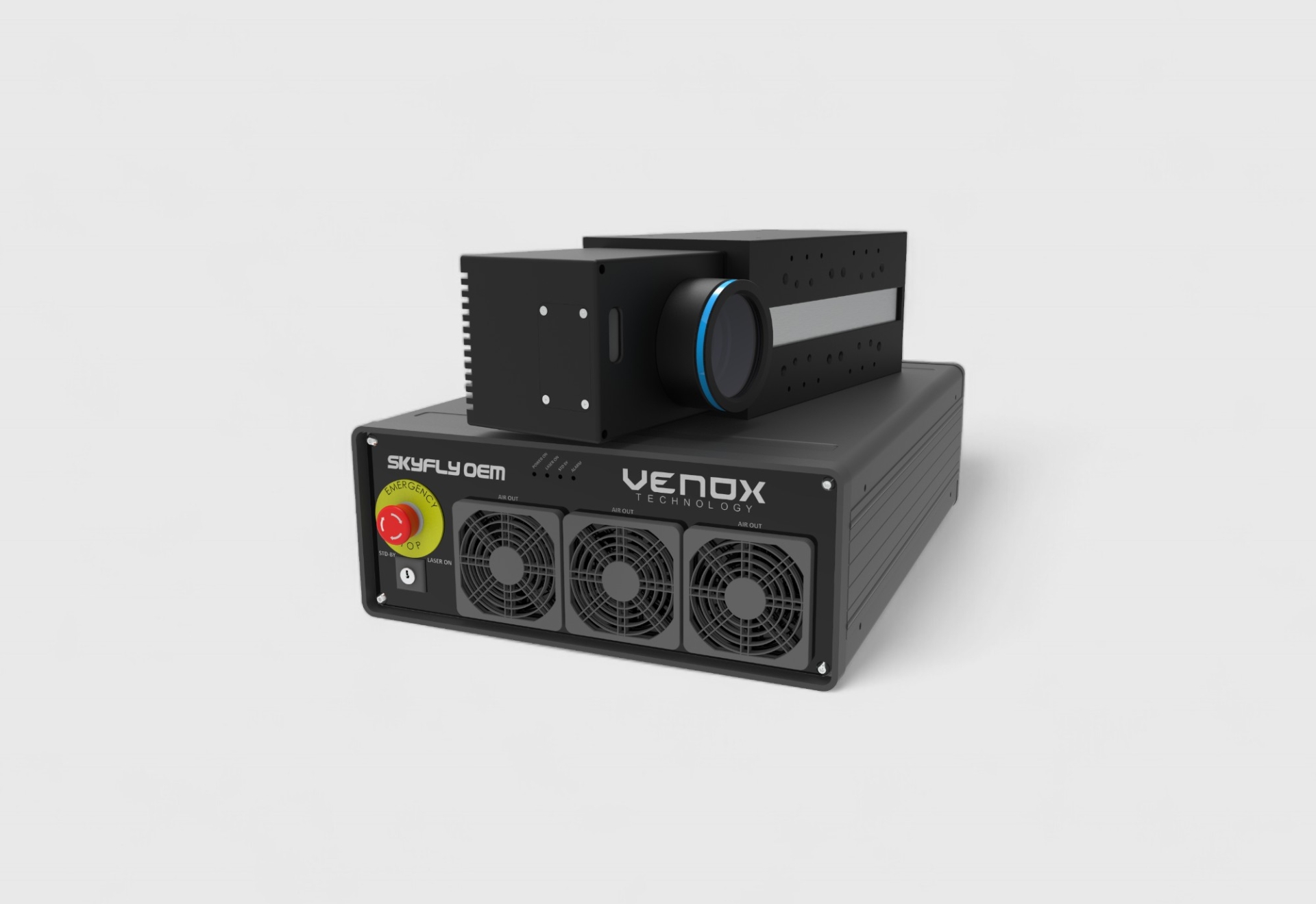
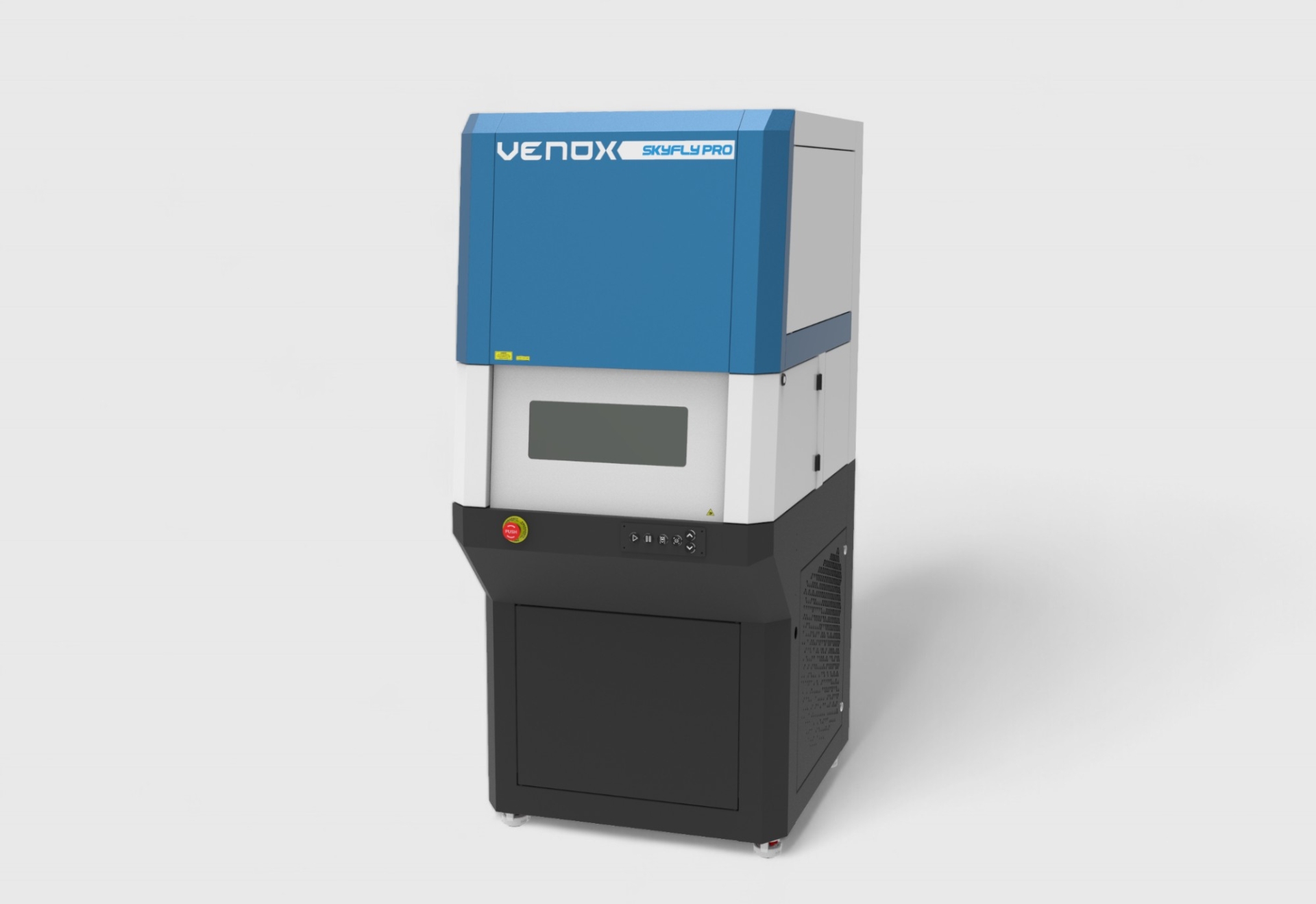
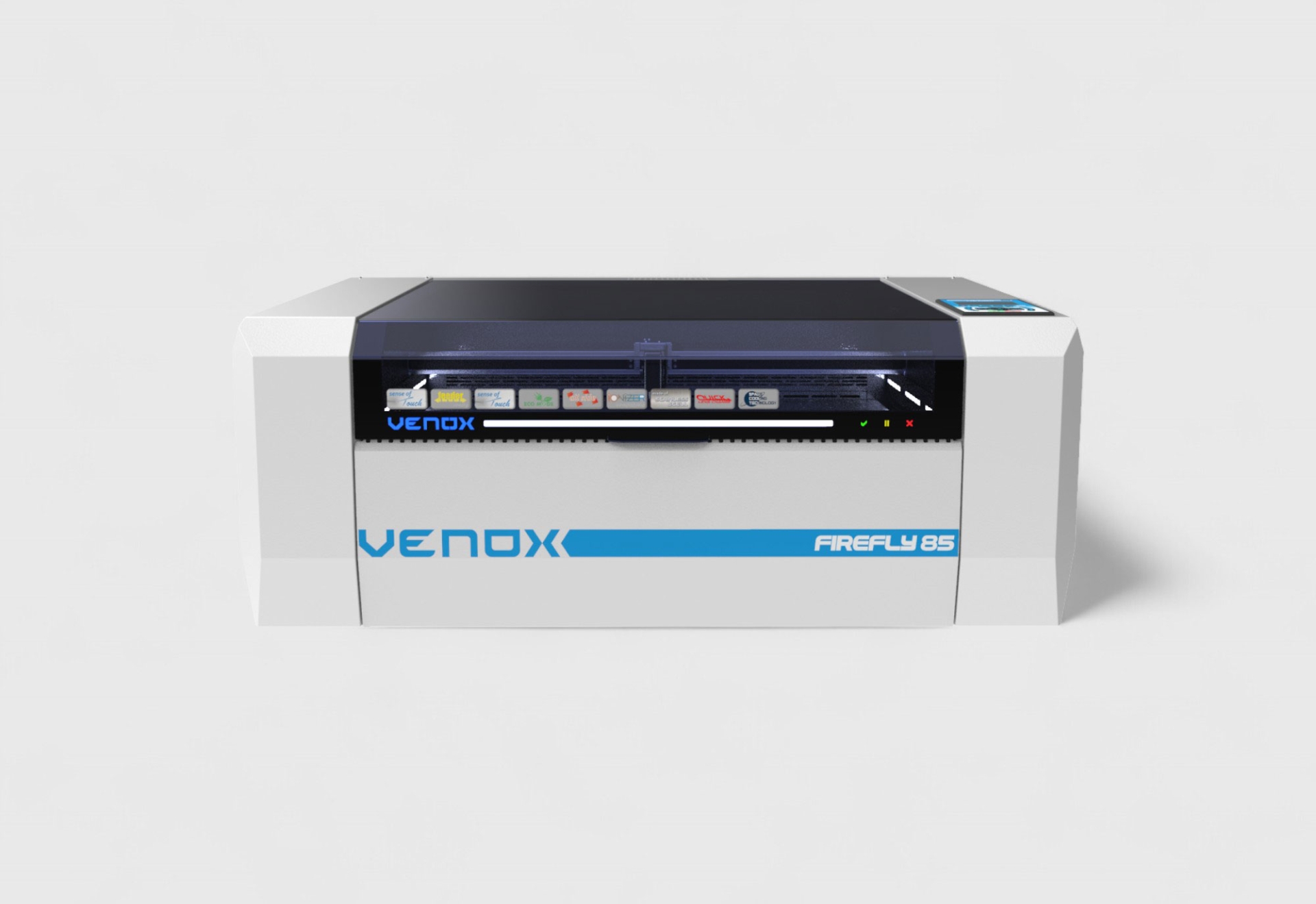
Venox Laser Machines: Firefly, A Series, W Series
Venox Teknoloji designs and manufactures its laser machines in line with the needs of the industry. Our product range consists of three main series:
- Firefly Integrated: A compact, integrated laser machine. It can be connected directly to production lines and performs high-speed marking.
- A Series: A professional model with a large processing area and powerful laser sources for industrial production.
- W Series: A high-end laser machine that delivers high performance on demanding metal surfaces.
These machines are optimized for high efficiency, minimum maintenance requirements and long-term operation.
Key Points When Choosing a Laser Machine
- Material to be processed: Metal, plastic, organic surface.
- Type of process: Marking, cutting, engraving or micro-machining.
- Laser power: Options between 20W–100W.
- Lens and field size: 110×110 mm, 200×200 mm, 300×300 mm.
- Production speed: Manual operation or automation line?
- Service and warranty: Technical support capacity of the brand.
Why Venox Laser Technology?
- Engineering solutions developed in Turkey
- Long-life fiber laser sources
- User-friendly laser software
- Full integration into production lines
- CE-certified safety standards
- Strong technical service and training support
Venox Teknoloji works with an innovation-oriented approach that shapes the future of laser machines, aiming to increase manufacturers’ productivity.
Conclusion: The Rise of Laser Machines in Industry
Laser machines are among the most powerful technological solutions in today’s industry, where production requirements are becoming increasingly precise and faster. With advantages such as permanent marking, clean cutting, minimal maintenance needs and high-level quality, they add long-term value to businesses.
You can contact us to learn more about Venox laser machines, request a demo or receive a quotation.
