

Laser Marking and Traceability in Industry: QR Code, DataMatrix and Serial Number
In industrial production, traceability ensures that the identity of a product or part is maintained throughout the production process and can be tracked retrospectively when necessary. Information such as serial numbers, QR codes, DataMatrix codes, barcodes or product codes are among the most important elements of this process on the physical product.
Laser marking technology can enable this information to be applied permanently and without contact to the product surface. Product traceability and laser marking can be used together particularly in sectors such as automotive, electronics, defense, medical, machinery, white goods and various mass-production industries.
However, simply applying a code to a part does not by itself create a traceability system. In a true traceability structure, the physical code on the product must be linked to production data, it must be verified that the correct information has been marked on the correct product, and this data must be accessible again when required.
For this reason, modern laser marking systems can become part of more comprehensive systems in which the marking machine, software, PLC, database, MES or ERP connection, camera verification and automation components work together.
How Is Product Traceability Achieved with Laser Marking?
Creating a Unique Product Identity with a Serial Number
A serial number is one of the most fundamental identification methods used to distinguish one product from another. Even if thousands of products of the same model are manufactured, each product can be assigned a different serial number, allowing every part to be uniquely identified.
A serial number does not have to consist only of sequential numbers. Production date, factory code, line number, product model, shift information or different parameters defined by the company can be included in the serial number structure.
For example, a serial number created in a specific format can make it possible to identify on which day, on which line or within which production group the product was manufactured.
The laser marking system can automatically increment serial numbers or receive the information from a central data source. This eliminates the need for the operator to manually enter data for every product.
DataMatrix Laser Marking
DataMatrix is one of the two-dimensional code types frequently used in industrial traceability applications. Its ability to contain a large amount of data within a small area can provide an important advantage for parts with limited surface space.
The code can contain a serial number, product number, production date, batch information or different data defined by the company. Since DataMatrix can be laser marked directly onto the product surface, the use of an additional label may not be necessary.
Automotive parts, electronic components, medical device parts, metal components and various products requiring a high level of traceability are among the common application areas of DataMatrix marking.
It is not sufficient for the code merely to be visible. It must also be reliably readable by a camera or code reader. Therefore, cell size, contrast, marking surface and laser parameters should be evaluated together.
Connecting Product and Data with QR Codes
QR codes can also be applied to products using laser marking systems. Similar to DataMatrix, QR codes carry two-dimensional data and can be preferred especially in broader application scenarios.
A QR code can contain product information directly, or it can redirect to a web address, product registration page, technical document or digital data source.
In industrial applications, QR codes can be used for product identification, maintenance history, access to technical documentation or matching a product in the field with its digital record.
However, the area where the QR code will be used, the code size and the reading distance should be considered during system design. DataMatrix may be more suitable for very small areas, while QR codes may be preferred in applications where the end user needs to scan the code with a mobile phone.
Transferring Production Data to the Laser System
One of the important stages of a traceability system is transferring the correct data to the correct product. The data to be processed on the production line can be entered manually by the operator or obtained from automated systems.
Laser marking software can communicate with a PLC, MES, ERP, database or production management system to receive the required information. This allows the system to automatically determine which information should be marked when the product reaches the marking station on the production line.
For example, when an automotive part arrives at the station, the system can detect the product type, retrieve a unique serial number from the central data source and create a DataMatrix code from this information.
Once marking is completed, the process result can be sent back to the production system. This approach links the physical product with the digital production record.
Code Verification and Quality Control with a Camera
Adding camera integration to a laser marking system can transform the traceability process from a structure focused solely on marking into one that also includes verification.
After marking, the camera can read the QR code or DataMatrix on the product. This makes it possible to check whether the code is present, whether it contains the correct data and whether it can be detected by the reader.
In some systems, code quality can also be evaluated according to specific parameters. Problems such as low contrast, damaged cell structure or incomplete marking can be detected during production.
This control can be particularly important in high-volume production to prevent defective products from moving on to the next process.
What Should Be Considered When Designing Industrial Traceability Systems?
Selecting the Correct Laser Technology
No matter how correctly the code is designed for a traceability application, achieving a readable and permanent mark can be difficult if the laser technology is not suitable for the material.
Fiber laser systems can be widely used on metal surfaces. CO₂ lasers may be preferred for certain plastic and organic surfaces, while UV lasers can be considered for sensitive plastics or products where low heat impact is important.
Surface coatings, paint, anodizing or material additives can also affect the laser marking result.
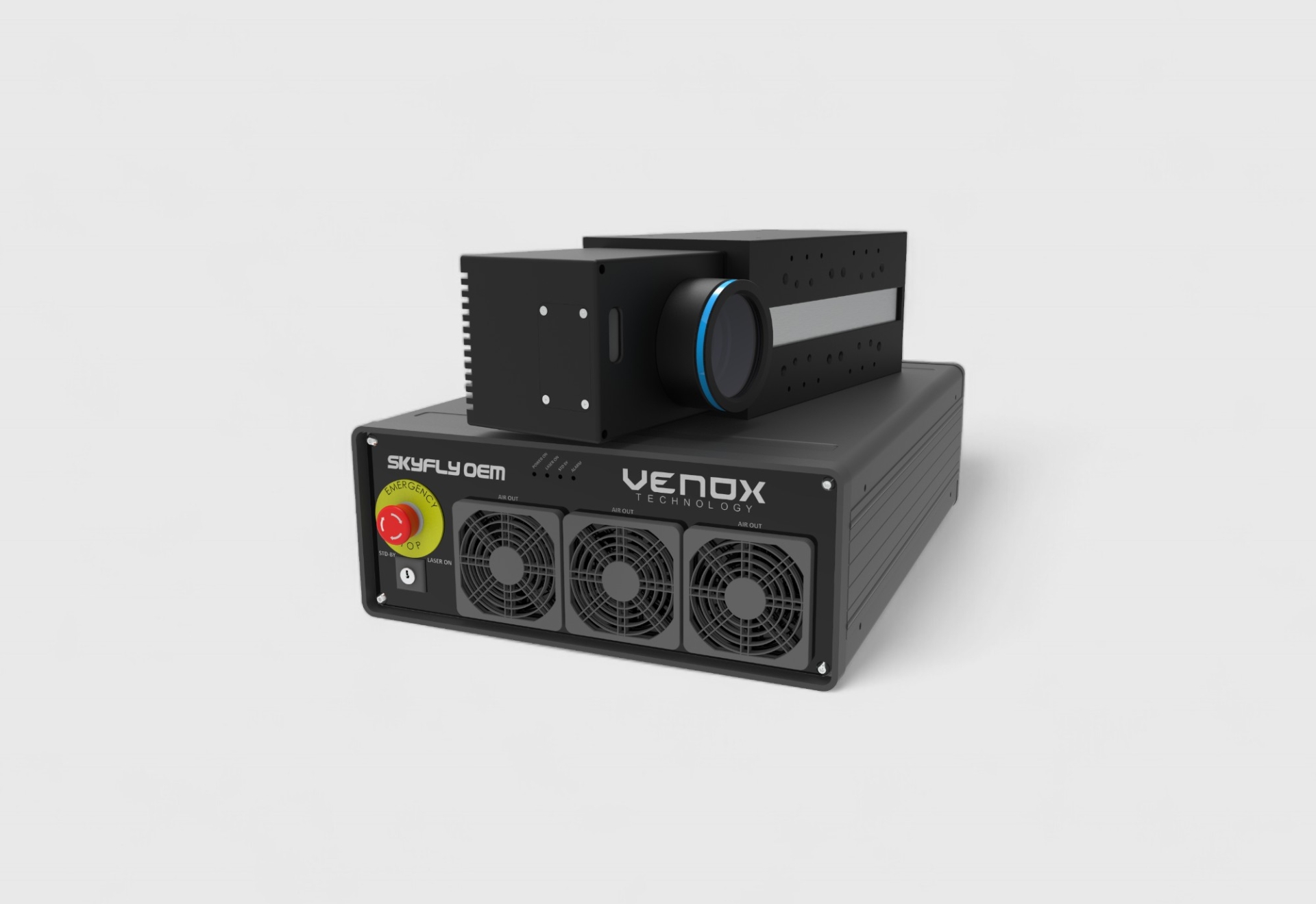
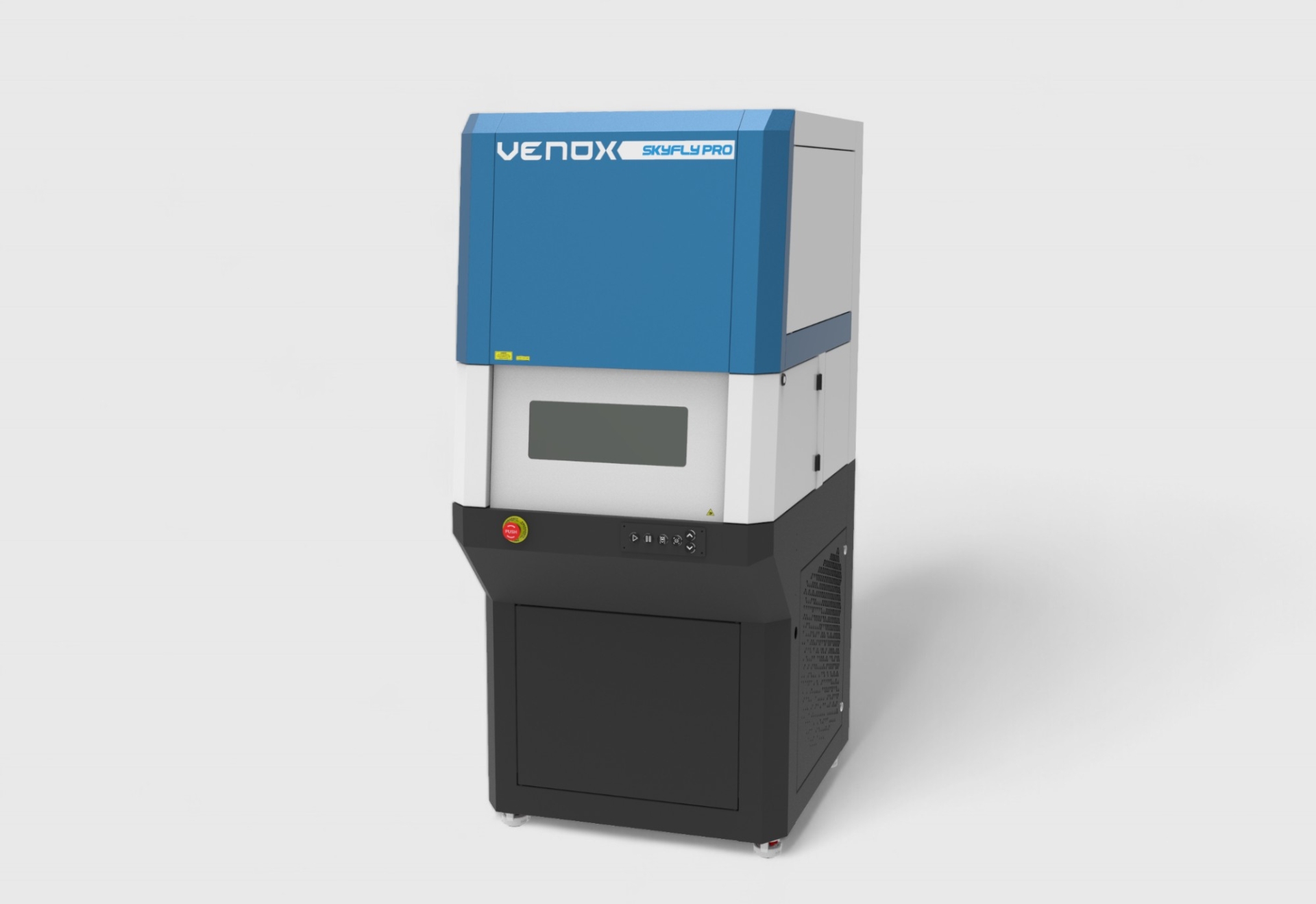
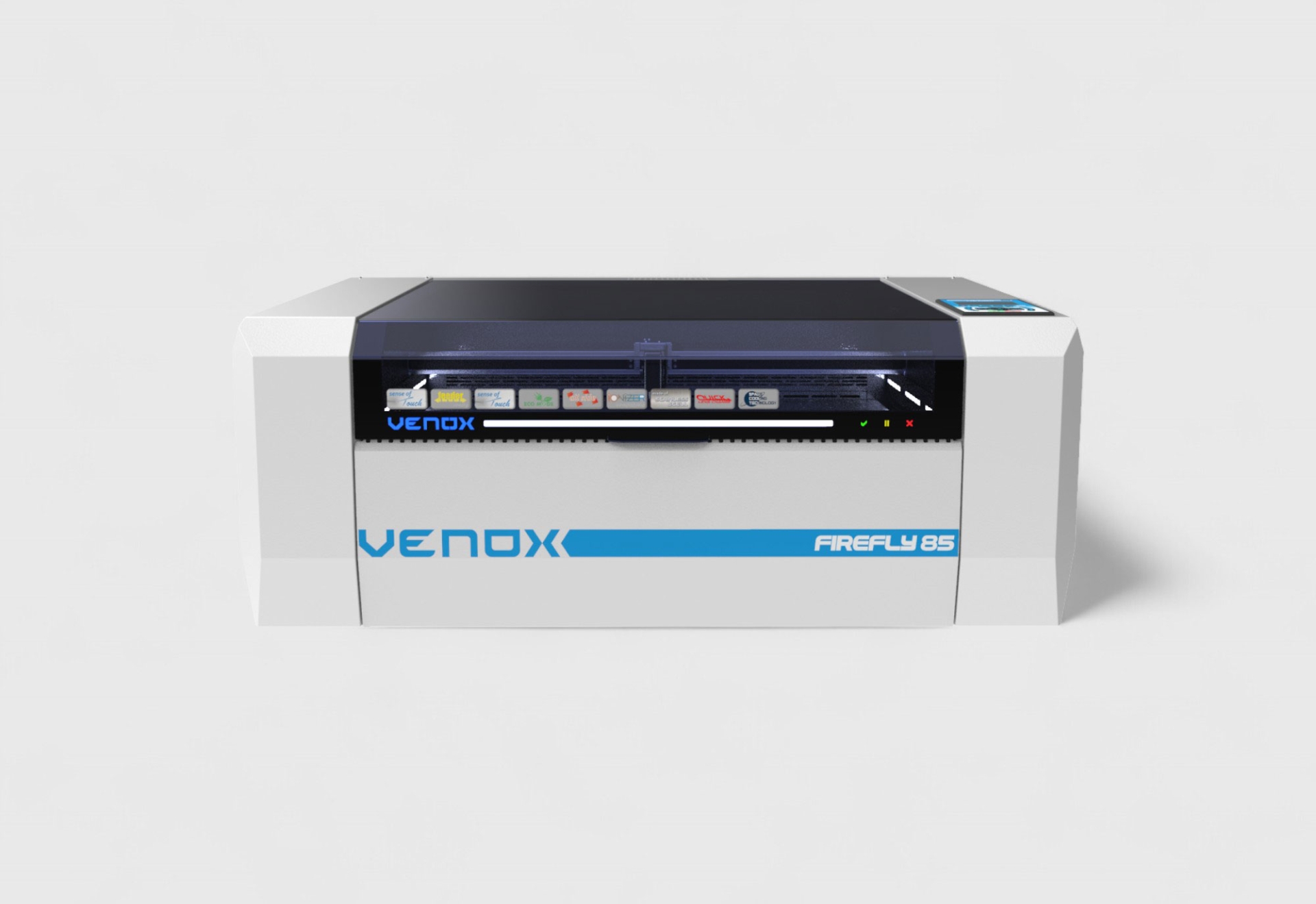
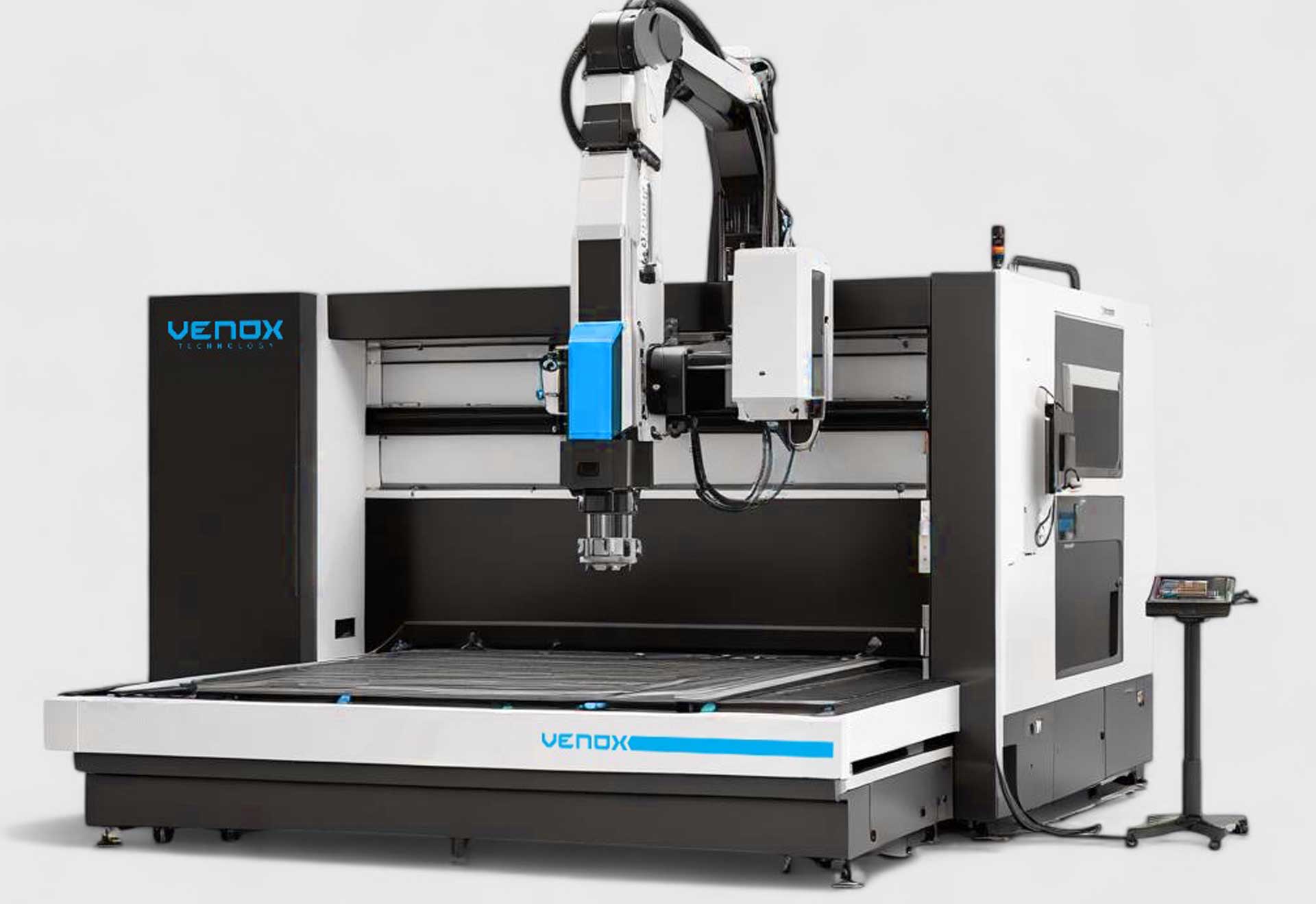
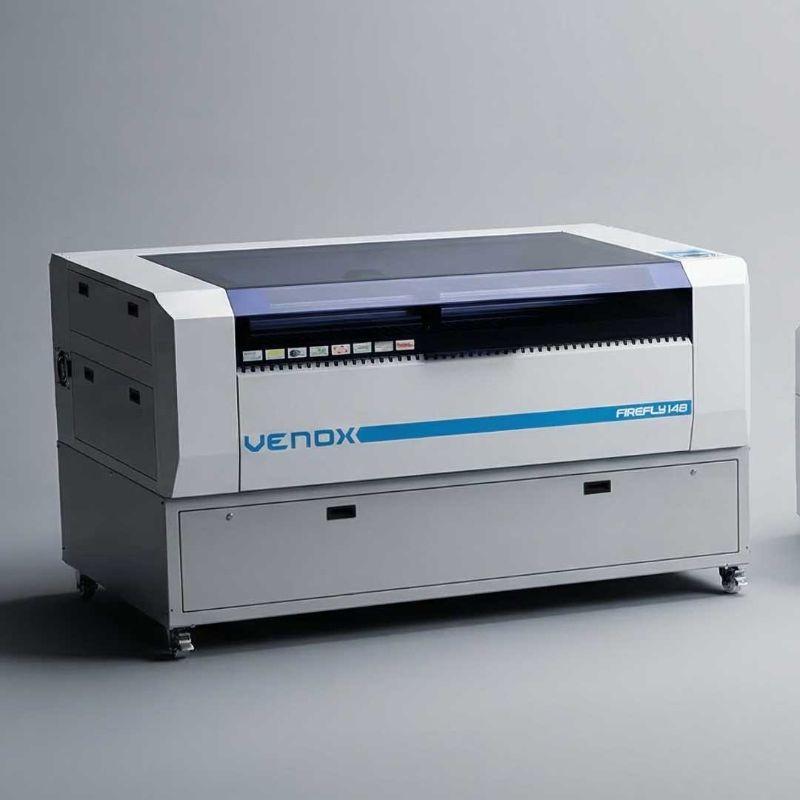
For this reason, when selecting a system from Venox's laser marking machines, not only the code type but also the characteristics of the material to be marked should be taken into account.
Permanent Marking and Product Lifetime
The purpose of a traceability system is not only to identify the product at the time of production. In many applications, the mark is expected to remain readable throughout the service life of the product.
The product may be exposed to oil, chemicals, temperature, friction, outdoor conditions or different mechanical effects. Therefore, the durability of the marking should be evaluated according to actual operating conditions.
In some applications, surface contrast may be sufficient, while heavier industrial use may require deeper or more durable marking.
During sample testing, not only the initial appearance of the marking but also the environmental conditions that the product will encounter should be taken into account.
Production Speed and Cycle Time
The traceability system should not reduce production capacity. Particularly on high-volume production lines, it is important for laser marking and camera verification processes to be compatible with the existing cycle time.
The amount of data contained in the code, marking size, filling density, laser power and material structure can affect processing time.
In addition, positioning the product at the station, marking the code, reading it with the camera and removing the product from the line are all parts of the total cycle time.
For this reason, when designing the system, not only the theoretical laser marking speed but also the actual production cycle of the station should be evaluated.
Preventing the Wrong Code from Being Marked on the Wrong Product
One of the most critical risks in traceability systems is applying a correctly formatted code to the wrong product. Even if the code is technically readable, the traceability system loses reliability if it does not match the product.
To reduce this risk, the product type can be verified using a sensor, barcode reader, RFID, camera or PLC. The system can activate the relevant marking recipe only when the expected product arrives.
In applications where the operator must manually select the product, additional measures such as user authorization and recipe control can be used.
As the level of automation increases, the matching between the product and the marking data can be transformed into a more controlled structure.
Data Recording and Retrospective Querying
Having a serial number on the product may not be sufficient for retrospective querying. It is necessary to record which information the serial number is associated with within the production system.
Production time, the machine used, production line, operator, batch number, test result or quality information can be linked to the serial number.
If a quality issue related to the product arises later, the relevant production record can be accessed through the serial number.
This structure can be used in many different areas, from warranty processes and quality analysis to recall operations and process improvement.
Traceability Applications in Different Industries
Laser marking and traceability requirements may vary depending on the industry. In the automotive industry, part-based DataMatrix and serial number applications stand out, while in the electronics industry, very small components may need to be marked at high resolution.
In medical products, linking product identity with the production record may be important. In the machinery industry, part numbers, serial numbers and technical information can be permanently marked on the product.
Similar systems can also be adapted according to the production structure in white goods, defense, electrical-electronics, metalworking and different mass-production industries.
For this reason, a traceability system should not be considered as a standard product, but as a process that needs to be designed according to the company's data and production flow.
Laser Marking and Traceability Solutions with Venox
Venox laser marking solutions can also be considered for projects where production data needs to be linked to the physical product rather than only applying visual information to the product surface.
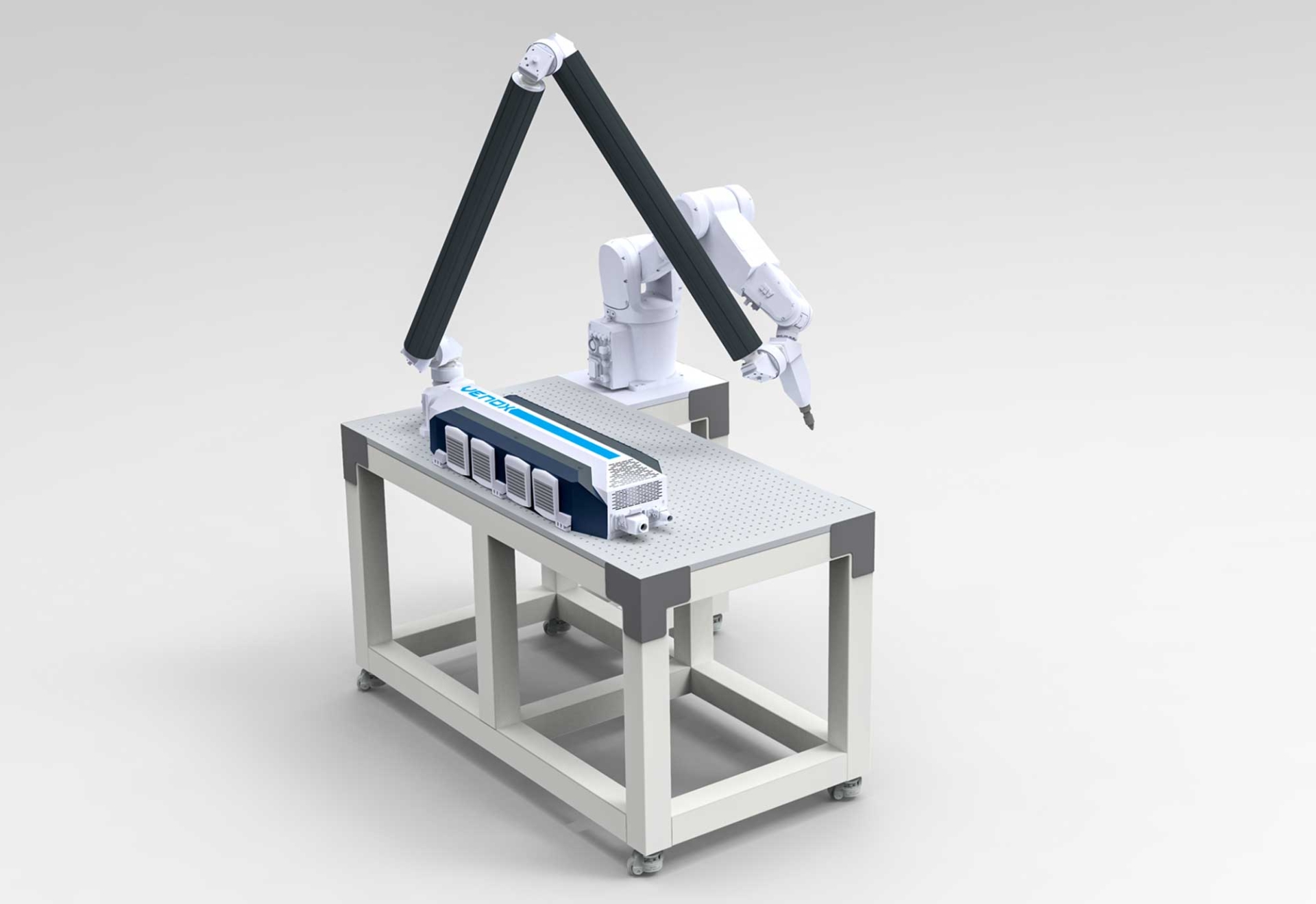
Depending on the application requirements, fiber, CO₂ or UV laser technologies can be configured together with custom fixtures, sensors, PLC communication, camera systems and various automation components.
Receiving variable data such as serial numbers, QR codes or DataMatrix codes from central systems and performing the marking process automatically can reduce manual operations on the production line.
To evaluate how a laser marking system can be integrated into your existing production line, you can review Venox's laser marking machines and systems.
For cutting and different laser processes, you can review the laser cutting systems page; to receive a technical evaluation regarding your QR code, DataMatrix, serial number or production line traceability project, you can contact Venox.
