

Laser Marking Machines for Metal, Plastic and Glass
Laser marking machines are industrial systems that enable permanent, clear and contactless marking on different material surfaces. Different surfaces such as metal, plastic and glass differ from one another in terms of their structures, response to heat and marking requirements. Therefore, the same laser setting or the same laser source may not provide the ideal result for every material.
Product identification, traceability, quality control and brand security have become increasingly important in production processes. At this point, laser marking machines offer a long-lasting solution by directly marking logos, serial numbers, barcodes, QR codes, DataMatrix codes, production dates or technical information onto the product surface.
Why Is Laser Marking Important for Different Materials?
Parts used in industrial production differ not only in terms of shape and function but also in their surface properties. While metal parts have high durability, plastic products may react differently depending on their chemical structure. Glass surfaces require special processing parameters due to their fragile and sensitive structure.
Therefore, selecting the correct system is highly important in laser marking applications. An incorrect laser source, improper focus setting or unsuitable power level may cause surface deformation, illegible marking, low contrast or unwanted marks. A correctly configured laser marking system, on the other hand, provides high-quality and repeatable results for each material.
Laser Marking Machines for Metal Surfaces
Metal surfaces are among the most common application areas for laser marking technology. Permanent laser marking can be performed on stainless steel, aluminium, brass, copper, titanium, galvanised surfaces and coated metals. Metal marking is particularly important in the automotive, machinery manufacturing, defence, medical and electronics industries.
Fiber Laser Technology in Metal Marking
Fiber laser technology is generally preferred for metal surfaces. Fiber laser systems can provide high contrast, fine detail and permanent marking results on metal surfaces. They are a suitable solution for logo, serial number, technical code, barcode, QR code and DataMatrix applications.
Fiber laser marking can create engraving, annealing or colour change effects on metal surfaces. Laser parameters are determined according to the purpose of the application, material type and desired visual result. Particularly on stainless steel surfaces, dark, clear and readable marking results can be achieved.
Traceability on Metal Parts
Since metal parts are generally used in long-lasting products, the markings on them must also be durable. Label- or ink-based solutions may wear away, fall off or become unreadable over time. Laser marking offers a more permanent solution because it is applied directly to the surface.
Especially for businesses that want to track parts on the production line, laser marking machines provide a strong advantage in serial number and coding processes. Product production dates, batch numbers or quality control data can be marked directly onto the part.
Laser Marking Machines for Plastic Surfaces
Laser marking on plastic surfaces may produce different results depending on the chemical structure of the material. On some plastics, the laser beam creates a colour change on the surface, while on others, foaming, carbonisation or a slight surface texture may occur.
Laser marking on plastic products is particularly preferred for electronic enclosures, cable labels, automotive plastic parts, medical plastic components, packaging parts and consumer products. The purpose of these applications is generally to create readable coding, a brand logo, a part number or a safety mark.
Selecting the Right Laser for Plastic Materials
There is no single standard solution for plastic marking applications. Plastic types such as ABS, PVC, polycarbonate, polypropylene and polyethylene may react differently to the laser beam. Therefore, testing before laser marking plastic products is important.
While fiber lasers may provide successful results on some plastics, UV laser technology may be more suitable for certain sensitive plastics. Since UV lasers can operate with a low heat effect, they can help reduce the risk of deformation, particularly on sensitive plastic surfaces.
Permanent Coding on Plastic Products
The permanence of information such as barcodes, QR codes, DataMatrix codes, production dates and serial numbers on plastic products is important for quality control. Laser marking can offer a more durable solution compared to printing or labelling methods.
Plastic parts used particularly in the medical, electronics and automotive industries must be traceable. Therefore, laser marking applied to plastic surfaces is not only a visual process but also an important step for quality management and production tracking.
Laser Marking Machines for Glass Surfaces
Glass surfaces are among the materials that require special attention in laser marking. Due to the fragile structure of glass, laser power, focal distance, scanning speed and processing parameters must be adjusted correctly. Incorrect application may cause cracking or irregular marks on the surface.
With the correct parameters, aesthetic, clear and permanent results can be achieved in glass laser marking applications. Laser marking can be preferred for glass packaging, decorative glass products, laboratory equipment, medical glass parts and promotional products.
Precision in Glass Marking
When marking glass surfaces, the thickness of the surface, coating condition and intended use must be considered. While a superficial frosted mark may be sufficient for some applications, more distinctive and readable marking may be required for others.
Laser marking on glass products can provide advantages particularly in applications where chemical resistance or high hygiene standards are expected. This is because laser marking does not add an additional material to the surface, unlike labels.
Application Areas for Glass Products
Glass bottles, laboratory tubes, medical glass containers, decorative glass objects and industrial glass parts are among the suitable application areas for laser marking. Logos, serial numbers, scale lines or identification codes can be marked onto the product.
Differences Between Metal, Plastic and Glass Marking
Although the basic principle of laser marking is similar on metal, plastic and glass surfaces, each material reacts differently. While clearer and higher-contrast marking is generally achieved on metal surfaces, the material composition is the determining factor for plastics. For glass surfaces, precision and controlled processing parameters are particularly important.
- Durability and traceability are prioritised on metal surfaces.
- Colour changes or surface effects may occur on plastic surfaces depending on the material structure.
- Low deformation and aesthetic appearance are important on glass surfaces.
- Laser power, speed, frequency and focus settings must be determined differently for each material.
- Test marking is a critical step for achieving the correct result.
What Information Can Be Marked with Laser Marking Machines?
Laser marking machines can permanently mark many types of information onto the surfaces of different materials. This information is important for both product identification and production tracking.
- Company logo
- Product name or model code
- Serial number
- Batch and lot number
- Production date
- Expiry date
- Barcode
- QR code
- DataMatrix code
- Technical symbols and warning signs
How to Select the Right Laser Marking Machine?
The right machine must be selected to achieve successful marking on metal, plastic or glass surfaces. The selection process should not be based solely on laser power; the entire application must be evaluated. The surface to be marked, production speed, quality expectations, automation requirements and software features should all be considered together.
Material Testing Should Be Performed
Performing a test marking on the actual product is important for determining the correct laser source and parameters. The marking contrast, readability, surface effect and processing time can be evaluated based on the test results.
Production Speed Should Be Calculated
In mass production environments, the marking process should not slow down the production line. The appropriate system should be selected by considering the marking time per part, daily production quantity and shift structure.
Automation Requirements Should Be Evaluated
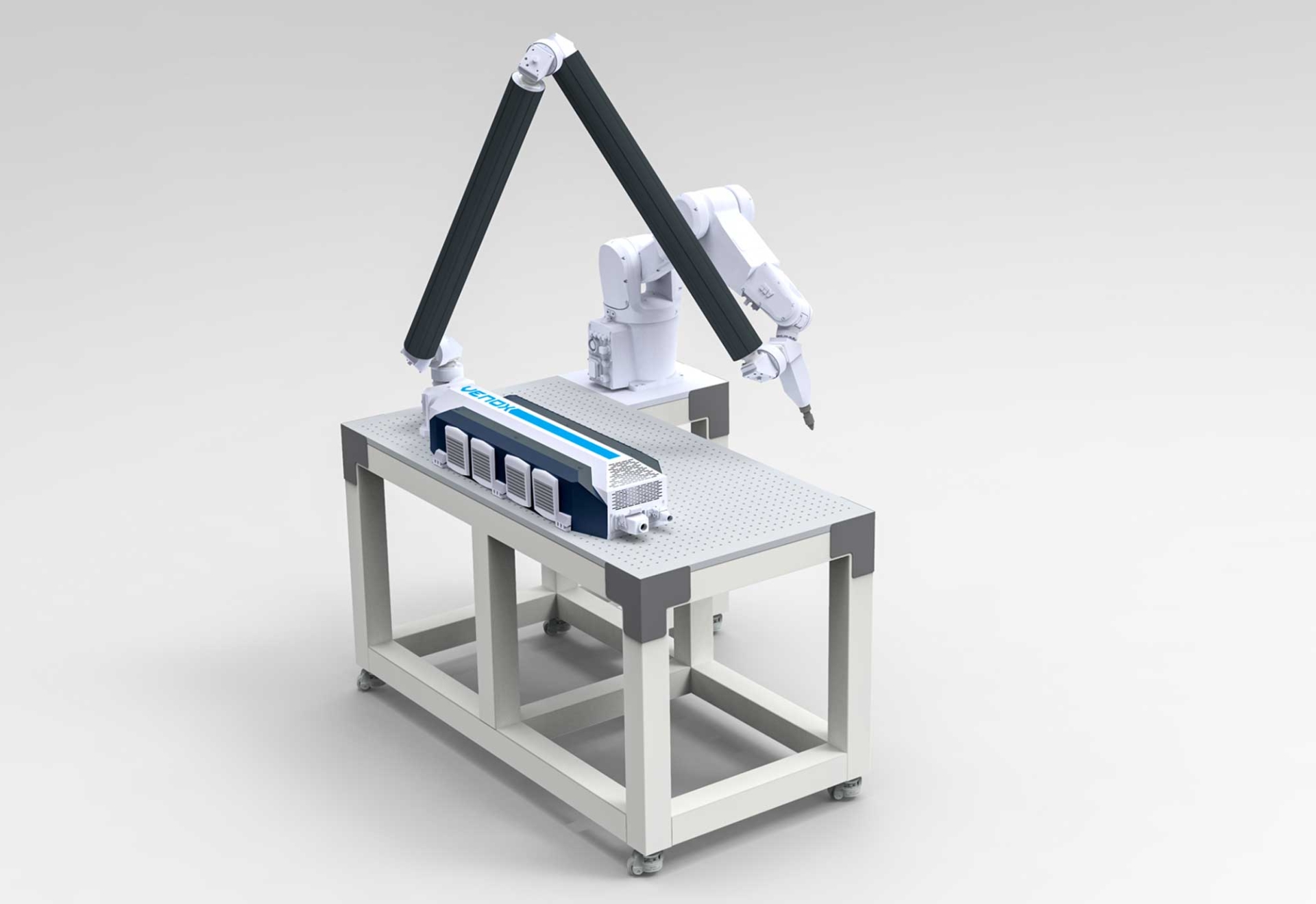
Products can be marked on a conveyor line, with a robotic system or at a manual station. Therefore, it is important that the laser marking machine can adapt to the existing production setup.
Material-Specific Solutions with Venox Laser Marking Machines
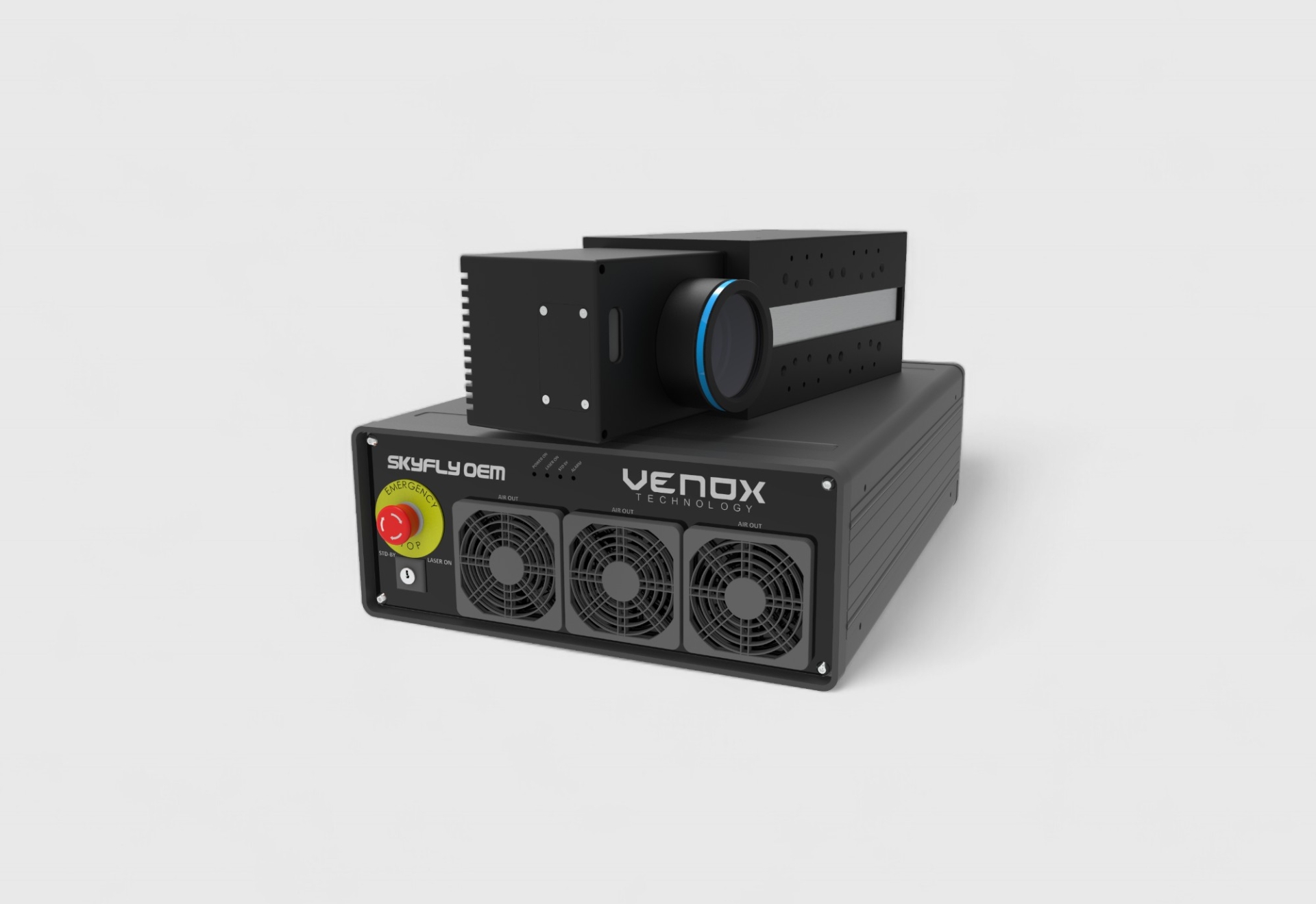
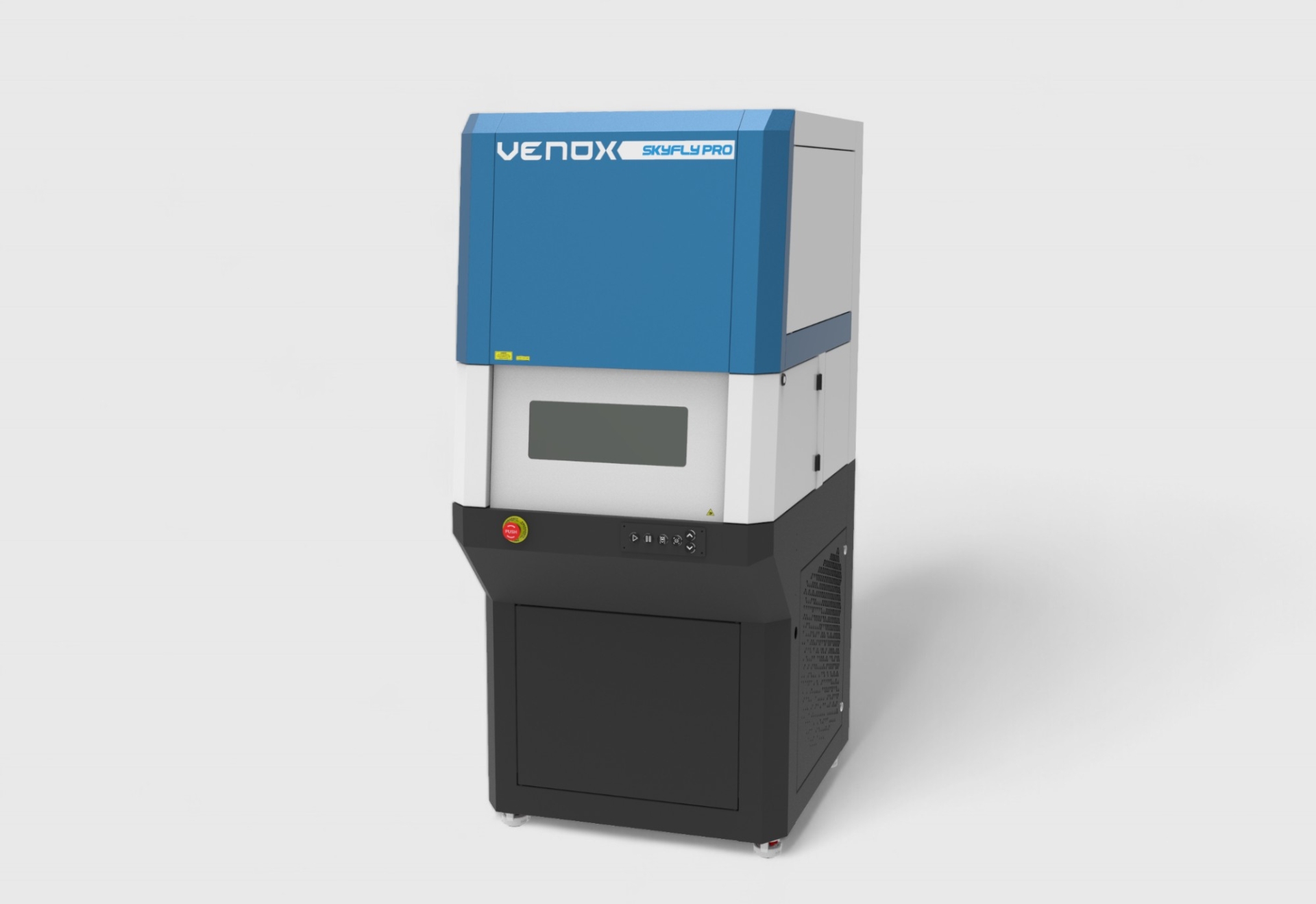
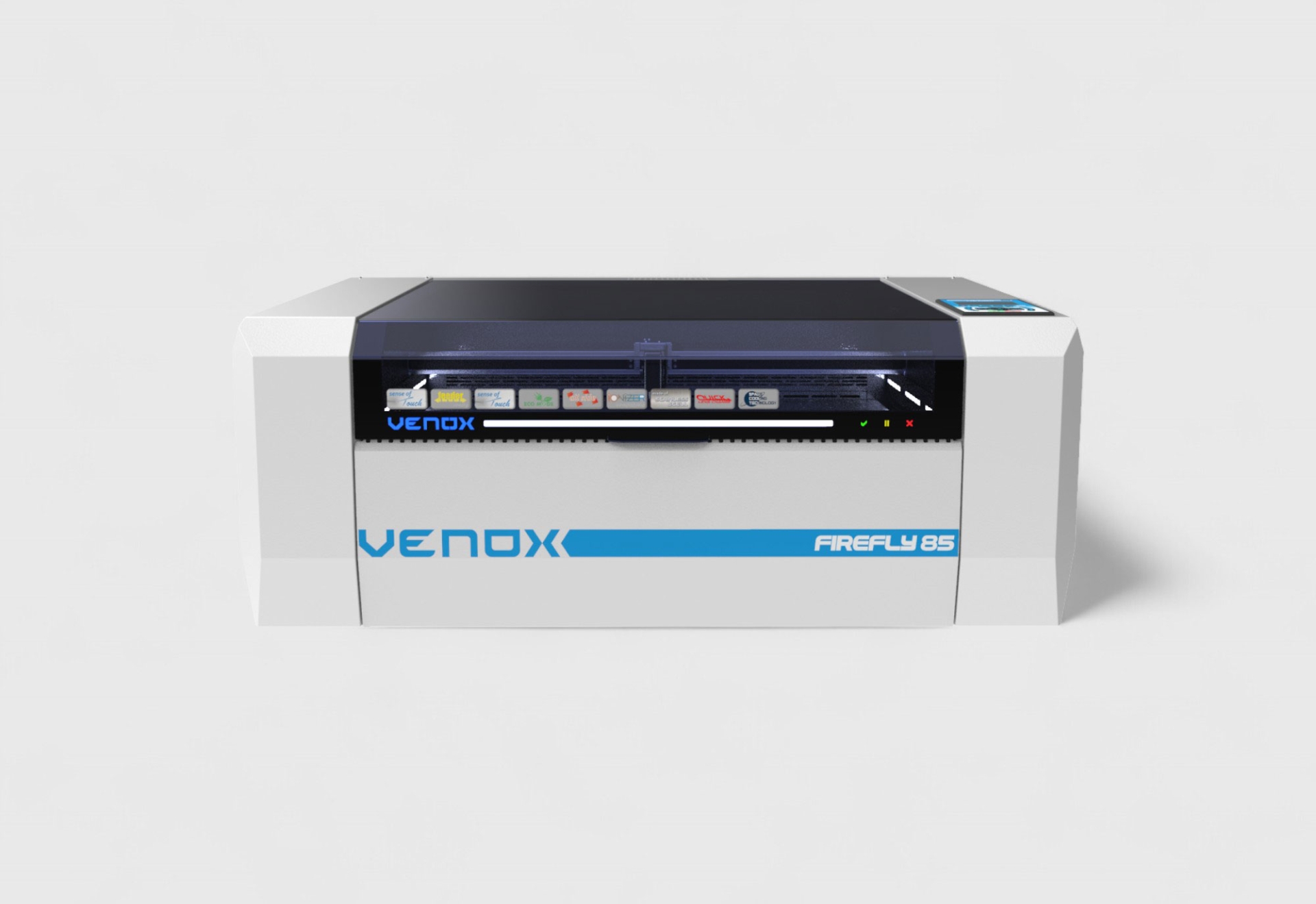
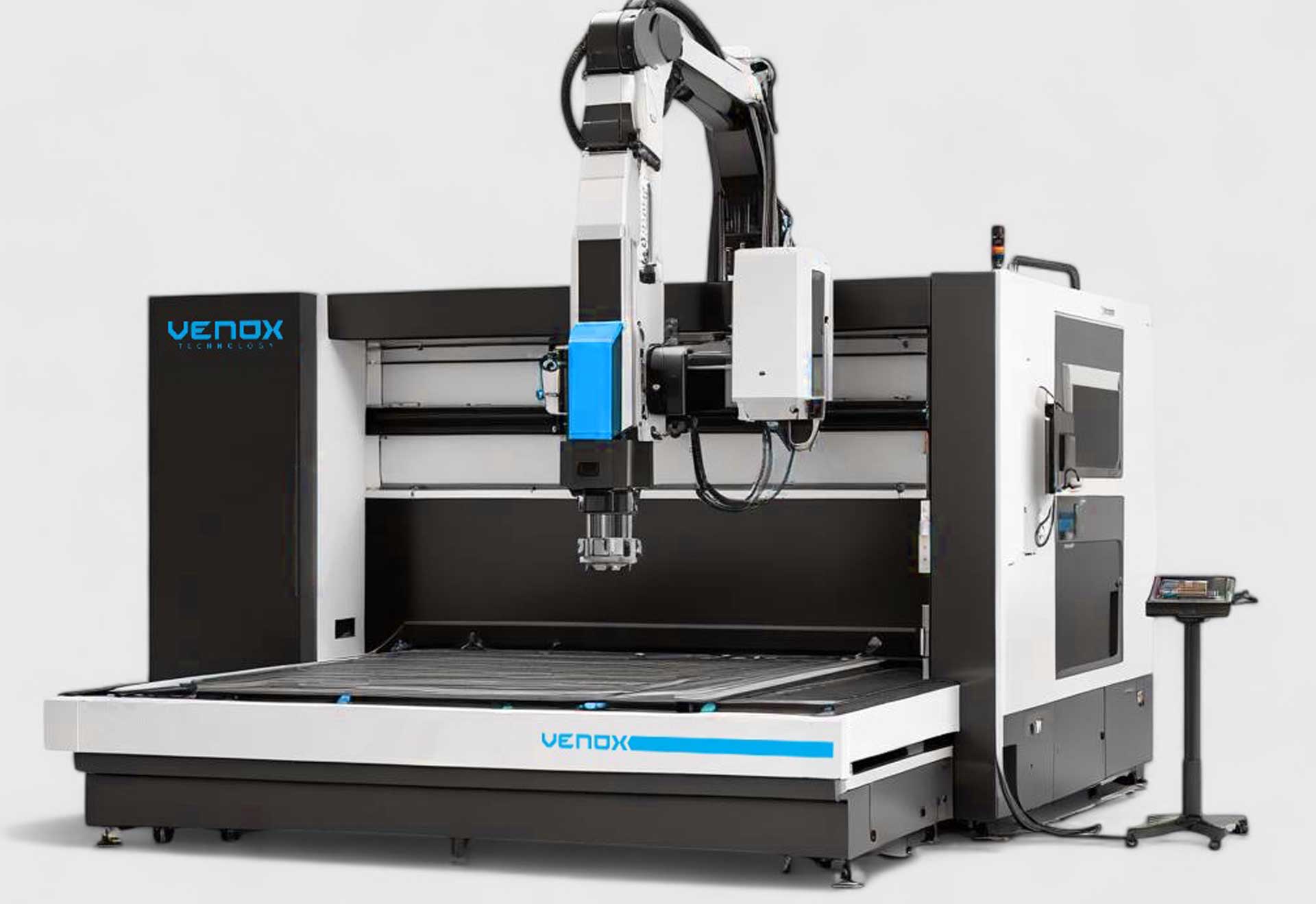
Venox offers permanent marking solutions for metal, plastic, glass and various other surfaces with Laser Marking Machines designed to meet the needs of different industries. Suitable system options can be evaluated according to the type of material used in your production process, your marking requirements and your capacity needs.
With the right laser technology, you can make your products more readable, traceable and professional. To determine the right solution for your needs, have your products analysed or request a quotation, you can contact the Venox team through the Contact Us page.
Conclusion: The Right Laser Marking Approach Is Required for Every Material
Laser marking machines are powerful industrial systems capable of permanent and contactless marking on metal, plastic and glass surfaces. However, the structure of each material must be evaluated separately to achieve successful results. Durability is prioritised for metal, material compatibility for plastic and precision for glass.
Marking quality can be improved with the correct laser source, suitable parameters and a professional application approach. This enables businesses to establish a stronger structure in product identification, traceability, quality control and brand security processes.
Frequently Asked Questions
Which laser marking machine is used for metal surfaces?
Fiber laser marking machines are generally preferred for metal surfaces. Permanent and clear marking results can be achieved on metals such as stainless steel, aluminium, brass, copper and titanium.
Can laser marking be performed on plastic products?
Yes. Laser marking can be performed on plastic products. However, since the type of plastic directly affects the marking result, testing before the application is recommended.
Is laser marking safe for glass surfaces?
When the correct laser parameters are used, controlled and aesthetic marking can be performed on glass surfaces. It is important to determine power, speed and focus settings according to the structure of the glass.
Can laser marking machines mark barcodes and QR codes?
Yes. Laser marking machines can mark information such as barcodes, QR codes, DataMatrix codes, serial numbers, production dates and logos onto different surfaces.
How can I get information about Venox laser marking solutions?
For detailed information about Venox’s laser marking solutions, you can visit the Laser Marking Machines page or contact the Venox team through the contact page.
