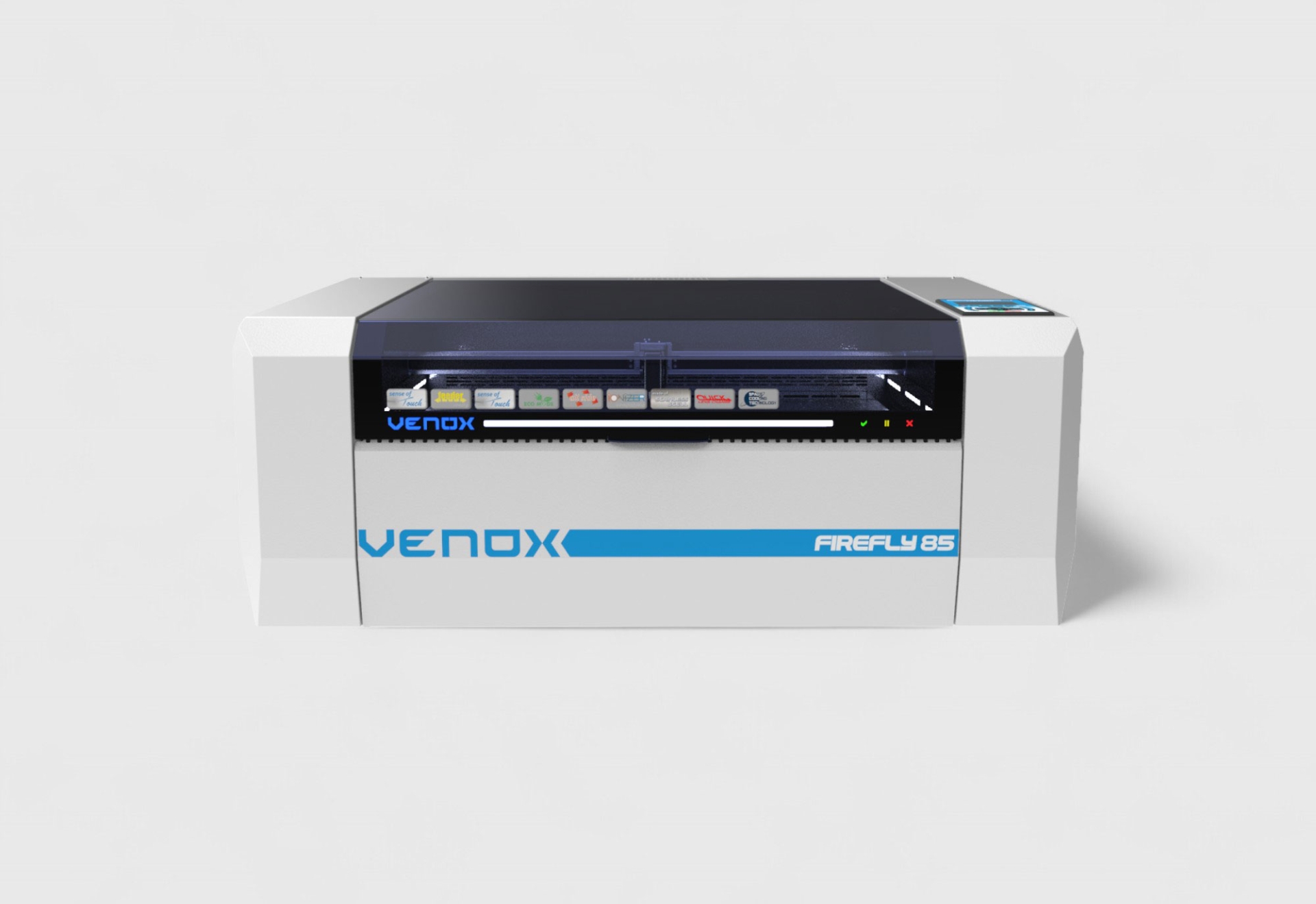
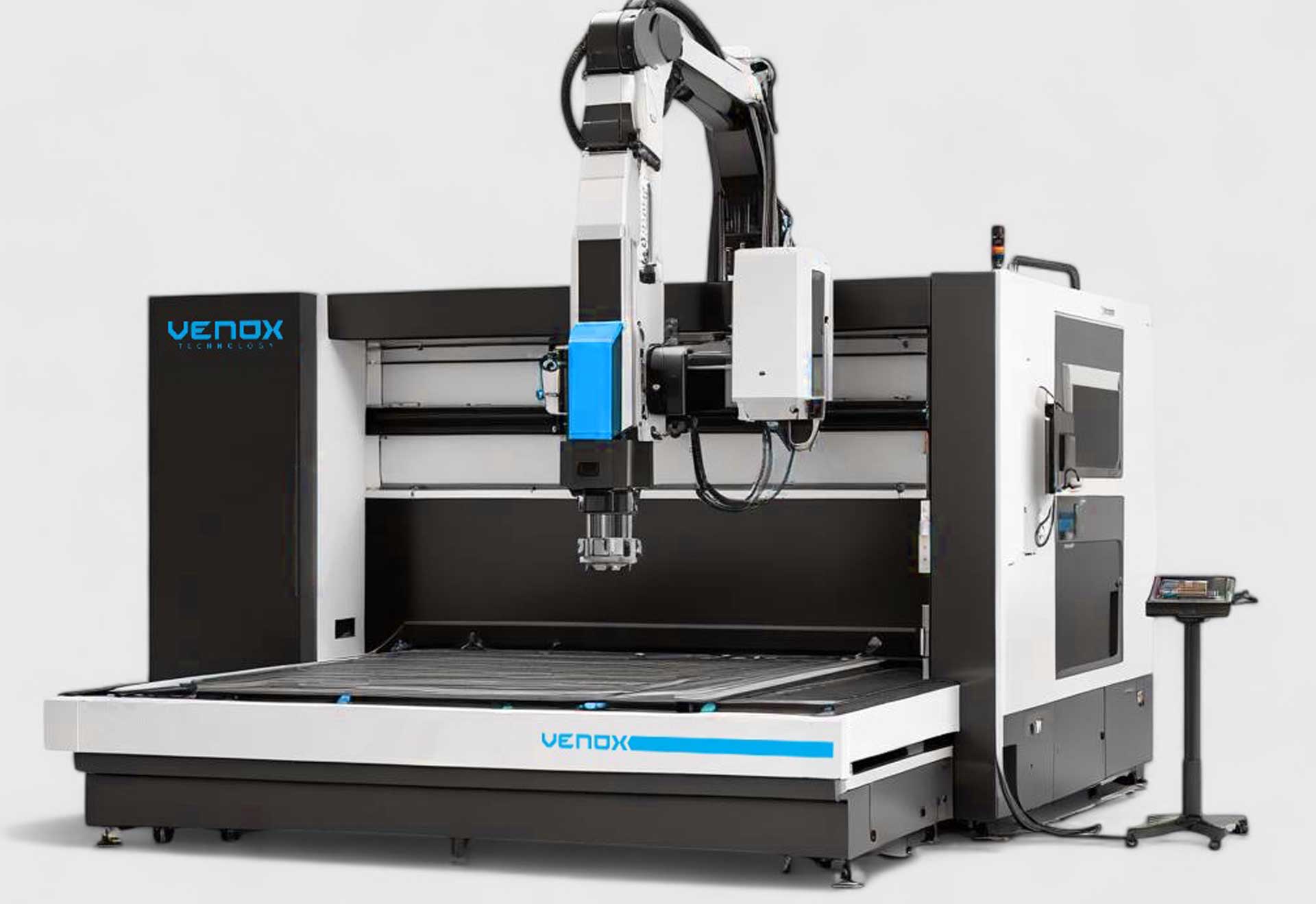


Laser Marking Machines for Permanent Coding
Laser marking machines are advanced systems that enable products to be coded permanently, clearly and without contact in industrial production. These systems, used to mark serial numbers, barcodes, QR codes, DataMatrix codes, production dates, batch numbers, logos or technical information on products, are particularly important in traceability and quality control processes.
Permanent coding does not simply mean adding information to a product. It also enables the product to be tracked from production to shipment and from storage to after-sales service. Therefore, laser marking machines offer a powerful solution for reliable product identification in modern production facilities.
What Is Permanent Coding?
Permanent coding is a marking method that ensures information applied to a product or part remains readable for a long time without fading or deteriorating. This information may include production dates, expiry dates, batch numbers, serial numbers, model codes, barcodes or QR codes.
With traditional labelling and ink-based printing methods, codes may fade, fall off or become damaged by external factors over time. Laser marking, on the other hand, creates a more durable and long-lasting solution because it applies the information directly to the surface.
How Do Laser Marking Machines Work in Permanent Coding?
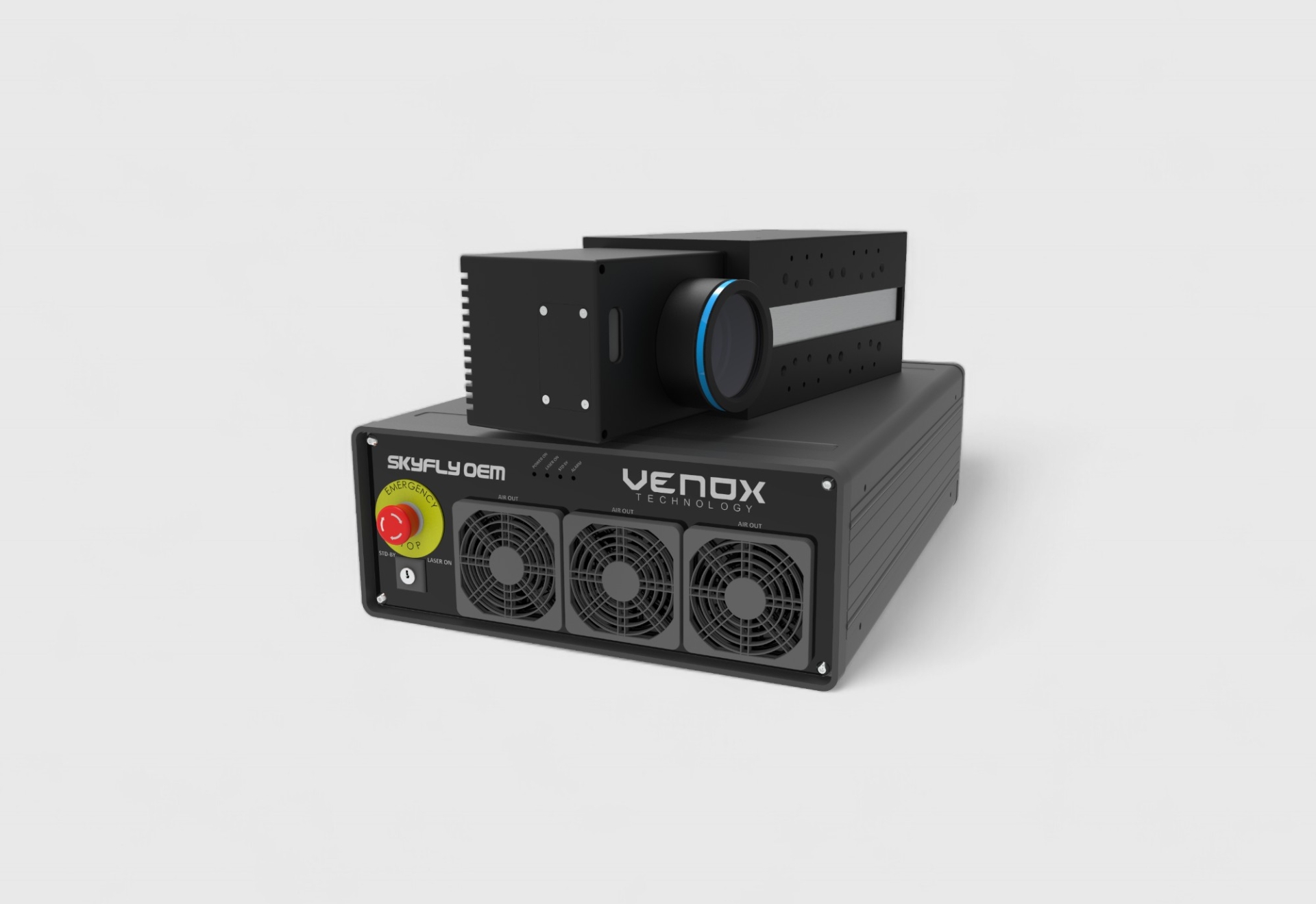
Laser marking machines operate by focusing a concentrated laser beam onto the product surface. The laser beam creates a controlled change on the surface and permanently applies the desired code, text or visual. No physical contact is made with the surface during this process.
The marking process is managed through computer-controlled software. The user enters serial number, barcode, QR code, DataMatrix code, logo or text information into the system. The laser system then performs the marking process with high precision within the specified area.
What Information Can Be Laser Marked for Permanent Coding?
Laser marking machines can apply many types of data to product surfaces according to the requirements of different industries. This information is important for both production tracking and quality control.
- Serial number
- Batch and lot number
- Production date
- Expiry date
- Barcode
- QR code
- DataMatrix code
- Model and part code
- Company logo
- Technical symbols and warning signs
Serial Number Coding
A serial number is important information that enables products to be individually identified. Marking each product with a unique number makes tracking easier during production and after-sales processes. Laser marking machines can permanently apply serial numbers directly to the product surface.
Serial number coding is widely used on automotive parts, medical devices, electronic products, machinery equipment and industrial components. This enables the production history, warranty status and quality control information of each product to be tracked more reliably.
QR Code and DataMatrix Code Marking
QR codes and DataMatrix codes are digital coding systems capable of carrying large amounts of data within a small area. When these codes are applied to a product, they can provide rapid data access during production, warehousing, shipment and service processes.
Laser-marked QR codes and DataMatrix codes offer a more durable structure compared to labels or ink. Since the code is applied directly to the surface, the risk of falling off, wear or fading is reduced. This feature is a significant advantage, particularly for products used in demanding environmental conditions.
Barcode Marking
Barcodes enable products to be quickly identified during inventory, logistics and sales processes. Laser marking machines can permanently apply barcodes to metal, plastic, glass or coated surfaces. Barcode markings created with the correct parameters can be clearly detected by readers.
Line clarity, contrast and code size are important in barcode marking applications. Therefore, testing should be performed before laser marking and the code should be checked using actual readers.
Advantages of Permanent Coding in Production
Permanent coding is used in production processes not only for product identification but also for quality control, traceability, security and operational efficiency. Laser marking technology makes this process more reliable.
Improves Traceability
Thanks to serial numbers, batch codes or QR codes applied to the product, the production process of the product can be tracked retrospectively. This provides significant convenience in quality control and error analysis processes.
Supports Quality Control
Ensuring that codes are readable and permanent allows quality control processes to proceed more effectively. Verification can be performed on the production line using barcode or QR code readers.
Provides Protection Against Counterfeiting
Permanent codes applied directly to the product provide an important advantage in terms of product security. Identifying counterfeit products, tracking warranties and verifying authenticity become easier.
Reduces the Need for Consumables
The laser marking process generally does not require consumables such as ink, labels, ribbons or solvents. This provides a long-term cost advantage.
In Which Industries Is Permanent Coding Used?
Permanent coding with laser marking machines can be applied across many industries. Laser coding provides advantages in every field where product identity must be preserved, traceability ensured and quality standards met.
- Automotive and spare parts production
- Medical device and surgical equipment production
- Electronic component production
- Machinery manufacturing and metalworking
- Packaging applications
- Defence industry parts
- Plastic injection-moulded products
- White goods and household appliance production
Permanent Coding on Metal Surfaces
Metal surfaces are among the most suitable application areas for laser coding. Serial numbers, barcodes, QR codes and technical information can be permanently applied to stainless steel, aluminium, brass, copper, titanium and coated metals.
Laser coding on metal parts can be resistant to wear, heat and certain external factors. For this reason, it is widely preferred in the automotive, defence, machinery manufacturing and medical industries.
Permanent Coding on Plastic Products
When laser coding plastic products, the material type must be carefully evaluated. Not every plastic reacts to the laser beam in the same way. Some plastics may exhibit a colour change, while foaming or carbonisation effects may occur on other surfaces.
Permanent laser coding can be applied to electronic enclosures, plastic fasteners, medical plastic parts, cable labels and packaging components. Performing a test marking before the application is important for achieving the correct result.
Permanent Coding on Glass and Coated Surfaces
Laser marking on glass and coated surfaces requires precise parameter settings. Controlled and aesthetic marking can be performed on glass surfaces, while on coated surfaces the laser beam can alter the surface coating to create contrast.
Permanent coding can be applied to laboratory glassware, medical glass products, decorative glass surfaces and coated metal plates. Selecting the correct system and parameters plays a decisive role in these applications.
Differences Between Laser Coding and Labelling
Labelling is a marking method in which an external material is added to the product surface. Laser coding, on the other hand, applies the information directly to the surface. Therefore, laser coding can be a more reliable solution, particularly for long-lasting and durable products.
- Labels may fall off, while laser coding is applied directly to the surface.
- Ink may fade, while laser marking is more permanent.
- Labels and ink create consumable costs, while laser marking does not require consumables in most applications.
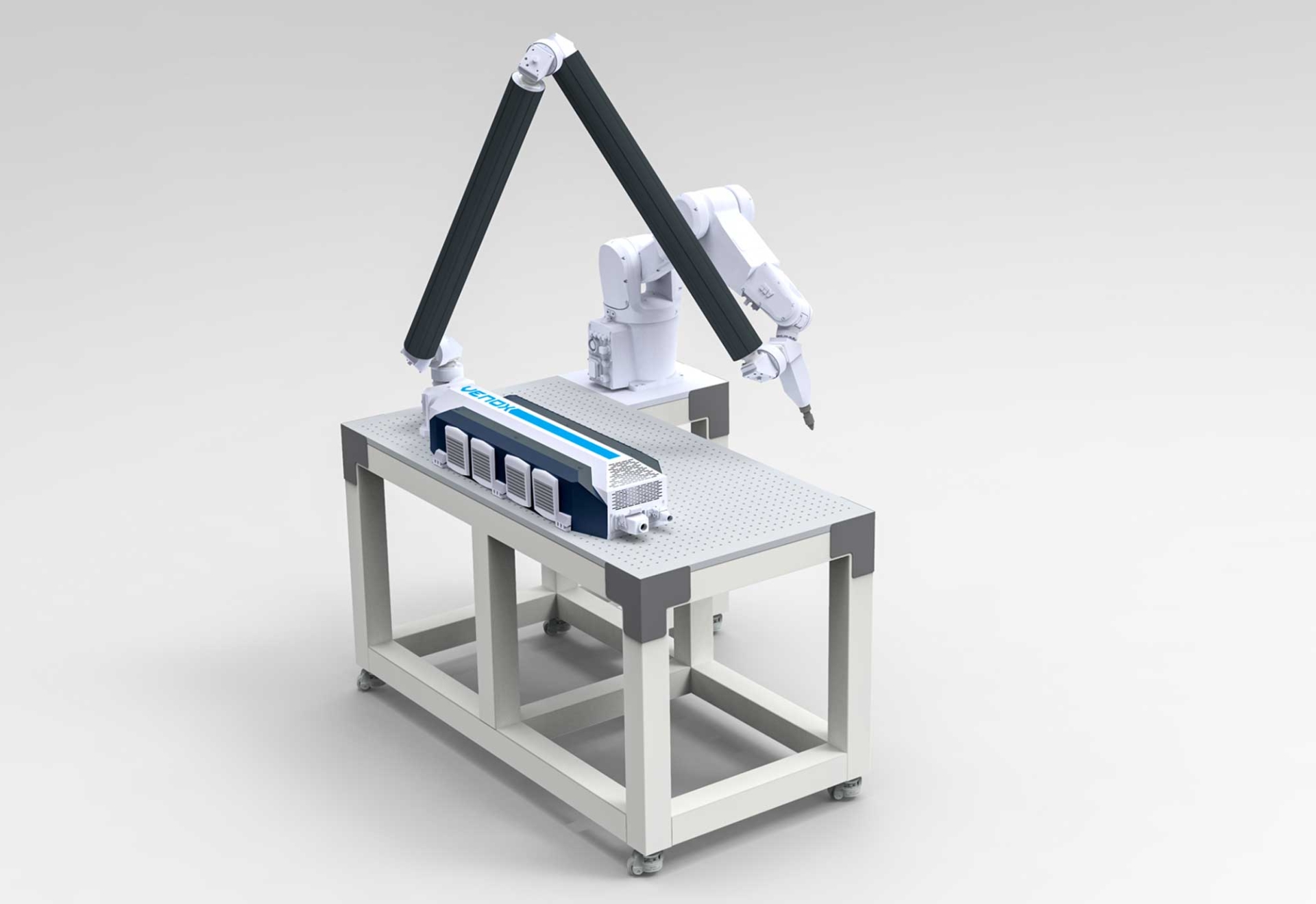
- Laser coding can be integrated into automation lines.
- Permanent codes support quality control and traceability processes.
What Should Be Considered When Selecting a Machine for Permanent Coding?
When selecting a laser marking machine for permanent coding, not only the power of the machine but the entire application must be evaluated. The material to be marked, code type, production speed, readability expectations and automation requirements should be analysed together.
- It should be determined whether the surface to be marked is metal, plastic, glass or coated.
- The type of code to be applied should be clarified.
- QR code and barcode readability should be tested.
- The production line speed should be considered.
- The need for automation integration should be evaluated.
- Technical service and after-sales support should be taken into consideration.
Permanent Coding Solutions with Venox Laser Marking Machines
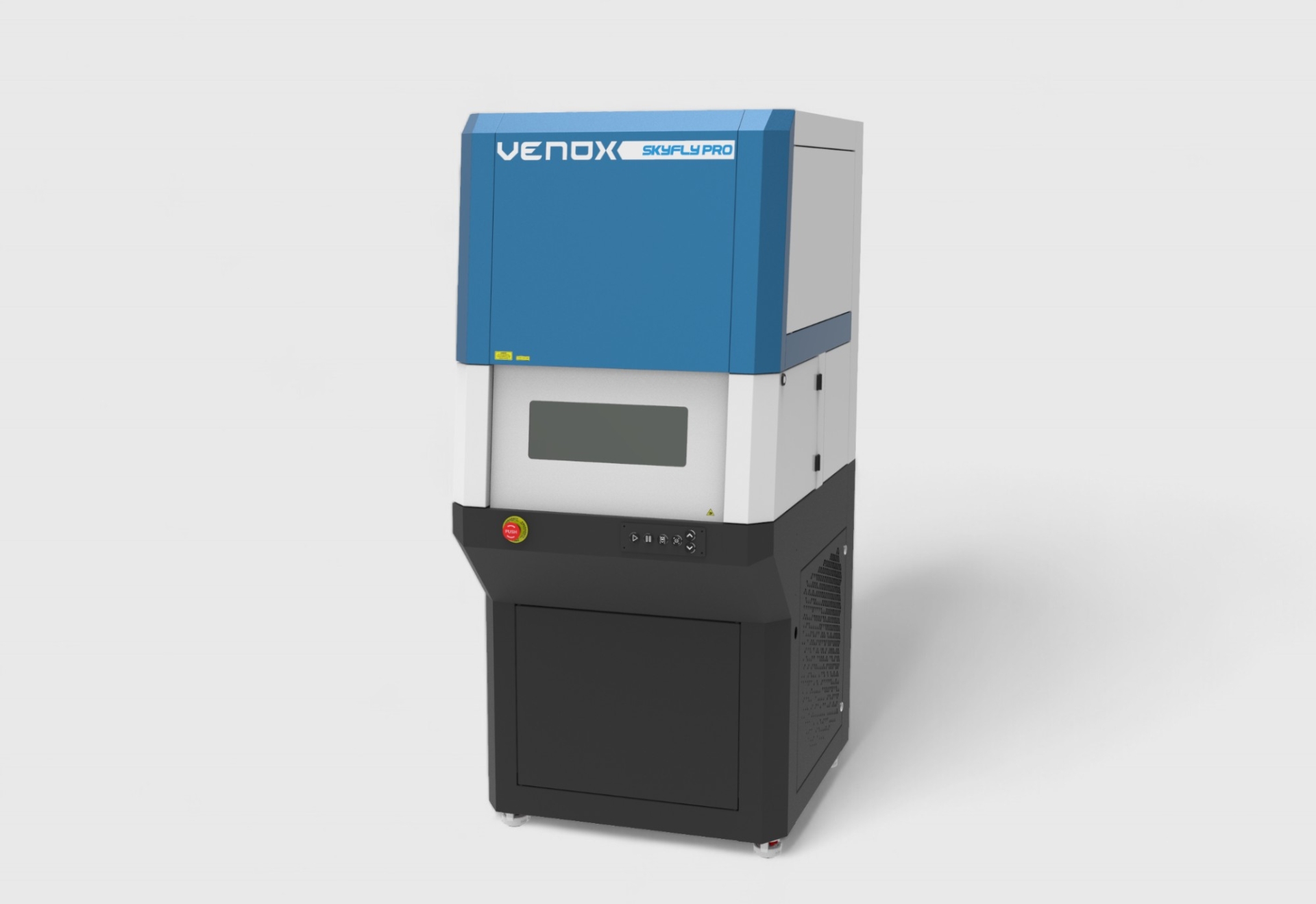
Venox offers fast, reliable and traceable solutions for production processes with Laser Marking Machines designed to meet the permanent coding requirements of different industries. Suitable system options can be evaluated for serial number, QR code, barcode, DataMatrix code, logo and technical information marking applications.
You can benefit from Venox laser technologies to strengthen permanent coding, product tracking and quality control processes for your products. For suitable system selection, product analysis and quotation requests, you can contact the Venox team through the Contact Us page.
Permanent Coding Increases Reliability in Production
Laser marking machines provide manufacturers with advantages in speed, durability and traceability in permanent coding applications. Thanks to codes applied directly to the product, tracking processes become easier, quality control is strengthened and product security is improved.
When the correct laser marking system is selected, serial numbers, barcodes, QR codes and other product information can remain readable for a long time. Therefore, permanent laser coding has become a strategic requirement in modern industrial production.
Frequently Asked Questions
What is permanent coding?
Permanent coding is a marking method that ensures information such as serial numbers, barcodes, QR codes, production dates or batch numbers applied to a product remains readable for a long period without fading.
Can laser marking machines mark QR codes?
Yes. Laser marking machines can permanently apply information such as QR codes, barcodes, DataMatrix codes, serial numbers and production dates to product surfaces.
Is laser coding more durable than labelling?
Yes. Since laser coding is applied directly to the product surface, it reduces risks such as labels falling off or ink fading.
On which materials can permanent coding be performed?
Permanent laser coding can be performed on metal, plastic, glass, ceramic, coated surfaces and certain organic materials. The correct laser technology should be selected according to the material to achieve suitable results.
Does Venox offer laser marking solutions for permanent coding?
For detailed information about Venox’s permanent coding solutions, you can visit the Laser Marking Machines page or contact the Venox team through the contact page.
