

Barcode, QR Code and Serial Number Marking with Laser Marking Machines
Laser marking machines are advanced systems that enable information such as barcodes, QR codes, DataMatrix codes and serial numbers to be permanently applied to product surfaces in industrial production. Accurate, readable and durable coding is of great importance for tracking products from production to shipment, from storage to after-sales services.
Traditional labelling or ink printing methods may involve problems such as codes fading over time, labels falling off or reduced readability. Laser marking, on the other hand, offers a more permanent and reliable solution because the information is applied directly to the product surface. For this reason, laser marking machines are preferred by many industries for barcode, QR code and serial number marking applications.
Why Is Barcode, QR Code and Serial Number Marking Important?
Every product must be uniquely identified in production processes. Information such as barcodes, QR codes and serial numbers forms the identity of the product. This information makes it possible to track when the product was manufactured, which batch it belongs to, which production line it came from and which quality control stages it passed through.
Particularly for businesses engaged in mass production, this data is critical not only for inventory tracking but also for quality assurance, warranty management, counterfeit prevention and after-sales service processes.
Barcode Marking with Laser Marking Machines
Barcodes are linear coding systems that enable products to be identified quickly and in a standardised manner. They are frequently used in warehouse management, inventory control, production tracking and sales processes. Laser marking machines apply barcodes directly to the product surface, providing permanent and readable coding.
In barcode marking applications, line thickness, contrast, code size and surface structure must be carefully evaluated. It is not sufficient for the barcode to appear visually clear; it must also be read reliably by the readers used on production lines or in warehouse systems.
On Which Products Is Barcode Marking Used?
- Metal parts
- Plastic components
- Machinery equipment
- Electronic components
- Packaging parts
- Medical products
- Automotive spare parts
QR Code Marking with Laser Marking Machines
QR codes are two-dimensional coding systems capable of carrying more data than barcodes. They can be used for many purposes, including product information, web links, production data, quality control records or directing users to technical documentation.
Laser marking machines can permanently apply QR codes to metal, plastic, glass, ceramic and coated surfaces. Applying the QR code directly to the product surface reduces risks such as labels falling off or ink fading.
What Does QR Code Marking Provide?
QR code marking makes it easier to associate products with digital systems. When the QR code on the product is scanned, the user or manufacturer can quickly access recorded information related to the product. This structure provides advantages particularly in production tracking, technical service, warranty control and product verification processes.
DataMatrix Code Marking
DataMatrix codes are two-dimensional coding formats capable of carrying large amounts of data in small areas. They are particularly preferred in applications where small parts need to be marked. DataMatrix codes are widely used in industries such as automotive, medical, electronics and defence.
Laser marking machines can create readable DataMatrix codes even on small surfaces. However, code size, surface contrast, laser parameters and reader compatibility must be carefully tested in these applications.
What Is Serial Number Marking?
Serial number marking is a marking application that enables each product to be identified with a unique number. Serial numbers make it possible to distinguish products manufactured in the same model and to track the production history of each product individually.
Laser marking machines permanently apply serial numbers to product surfaces. These numbers can be entered manually or generated by the software as automatically incrementing serial numbers.
In Which Processes Are Serial Numbers Used?
- Product identification
- Warranty tracking
- After-sales service
- Quality control
- Inventory management
- Recall processes
- Counterfeit product control
Variable Data Marking
In barcode, QR code and serial number applications, not every product is necessarily marked with the same information. Serial numbers, batch codes, production dates and QR code content may vary from one product to another. Therefore, variable data marking is an important feature for modern production lines.
Laser marking machines can automatically process variable data with software support. For example, a different serial number can be assigned to each product, the production date can be added automatically or information retrieved from a database can be marked directly on the product.
Barcode and QR Code Marking on Production Lines
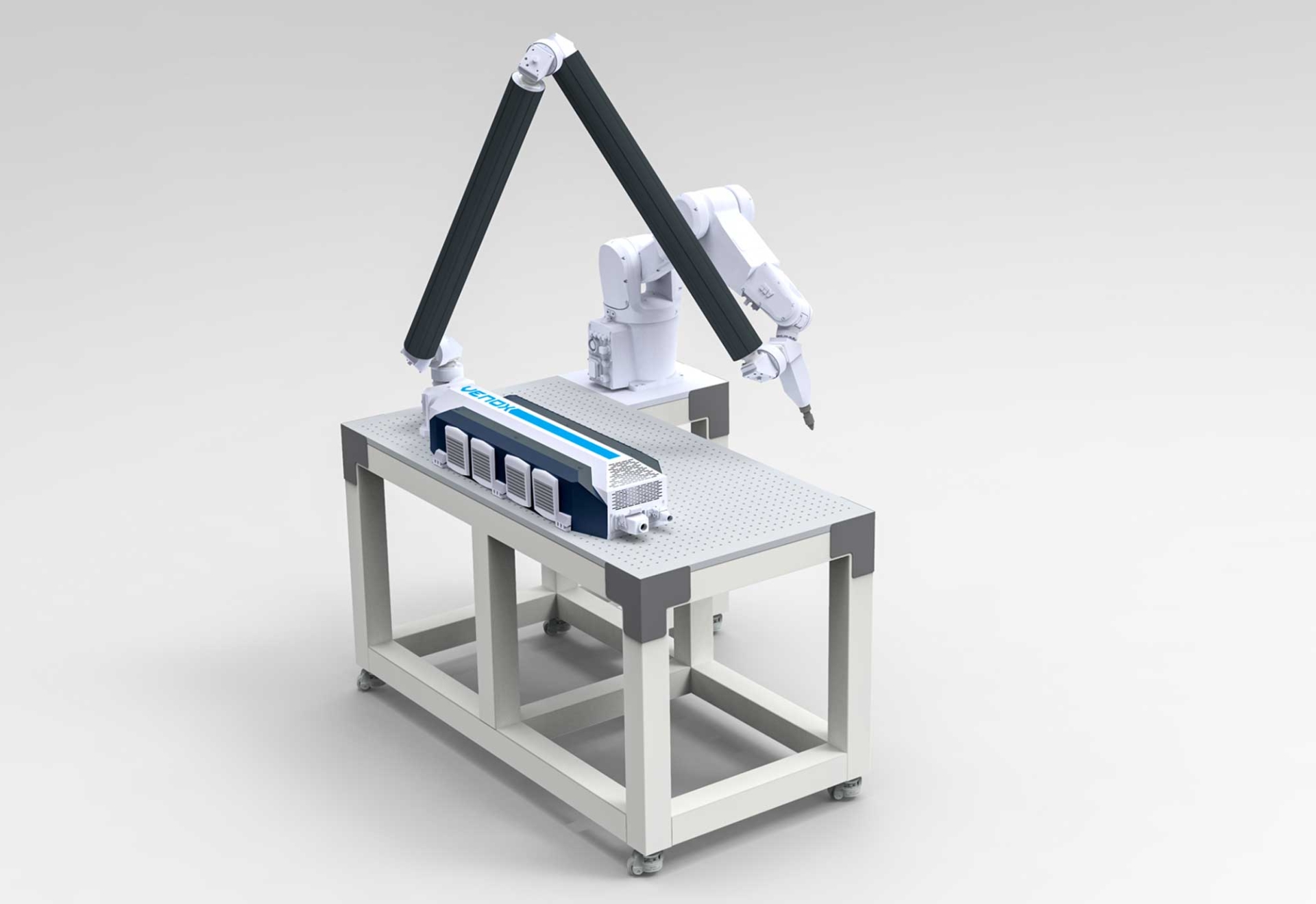
Barcode and QR code marking on mass production lines must be fast, accurate and repeatable. Laser marking systems can operate in integration with conveyor lines, robotic systems, sensors, camera systems and barcode readers.
As the product moves along the line, the system can detect the product, select the correct marking data and automatically apply the code to the product surface. This structure helps reduce coding errors while maintaining production speed.
Why Should Readability Be Tested?
Readability is one of the most important criteria in barcode, QR code and DataMatrix code applications. It is not sufficient for the code to appear visually clear. It must be read quickly and accurately by readers used on the production line, in warehouse processes or at quality control points.
Therefore, a test application should be performed before laser marking. Code contrast, size, line clarity, surface effect and reader performance should be evaluated as a result of the test.
On Which Materials Can Barcodes, QR Codes and Serial Numbers Be Marked?
Laser marking technology can be used on many different materials with the correct laser source and suitable parameters. Since each material reacts differently to the laser beam, material analysis should be performed before the application.
- Stainless steel
- Aluminium
- Brass and copper
- Titanium
- Coated metal surfaces
- Plastic products
- Glass surfaces
- Ceramic surfaces
- Industrial packaging components
Coding on Metal Surfaces
Metal surfaces are among the most commonly used surfaces for barcode, QR code and serial number marking. Fiber laser technology can provide clear, durable and readable results on metal surfaces.
Permanent laser coding can be applied to automotive parts, machinery components, medical equipment, defence industry parts and industrial metal products.
Coding on Plastic Surfaces
When performing laser coding on plastic products, the chemical structure of the material must be taken into consideration. Some plastics may show a colour change, while foaming or carbonisation effects may occur on other surfaces.
Barcodes, QR codes and serial numbers can be laser marked on electronic enclosures, cable labels, plastic connection elements, medical plastic parts and packaging components.
Advantages of Laser Coding Compared with Labelling
Although labelling can be used in many applications, laser coding may provide a stronger solution for long-lasting products, products exposed to demanding conditions or applications requiring traceability. This is because laser marking applies the information directly to the product surface.
- The risk of labels falling off is reduced.
- Problems such as ink fading are eliminated.
- The need for consumables is reduced.
- Codes become more permanent.
- It can be easily integrated into automation lines.
- Product traceability is strengthened.
Laser Coding in Quality Control Processes
Barcode, QR code and serial number marking enables quality control processes to progress more systematically. By scanning the codes on the product, production information, quality control records or technical data related to the product can be accessed.
Permanently applying codes with laser marking helps prevent products from being mixed up during the production process. It also enables products to be identified quickly in processes such as error detection, warranty tracking and recalls.
Coding Solutions with Venox Laser Marking Machines
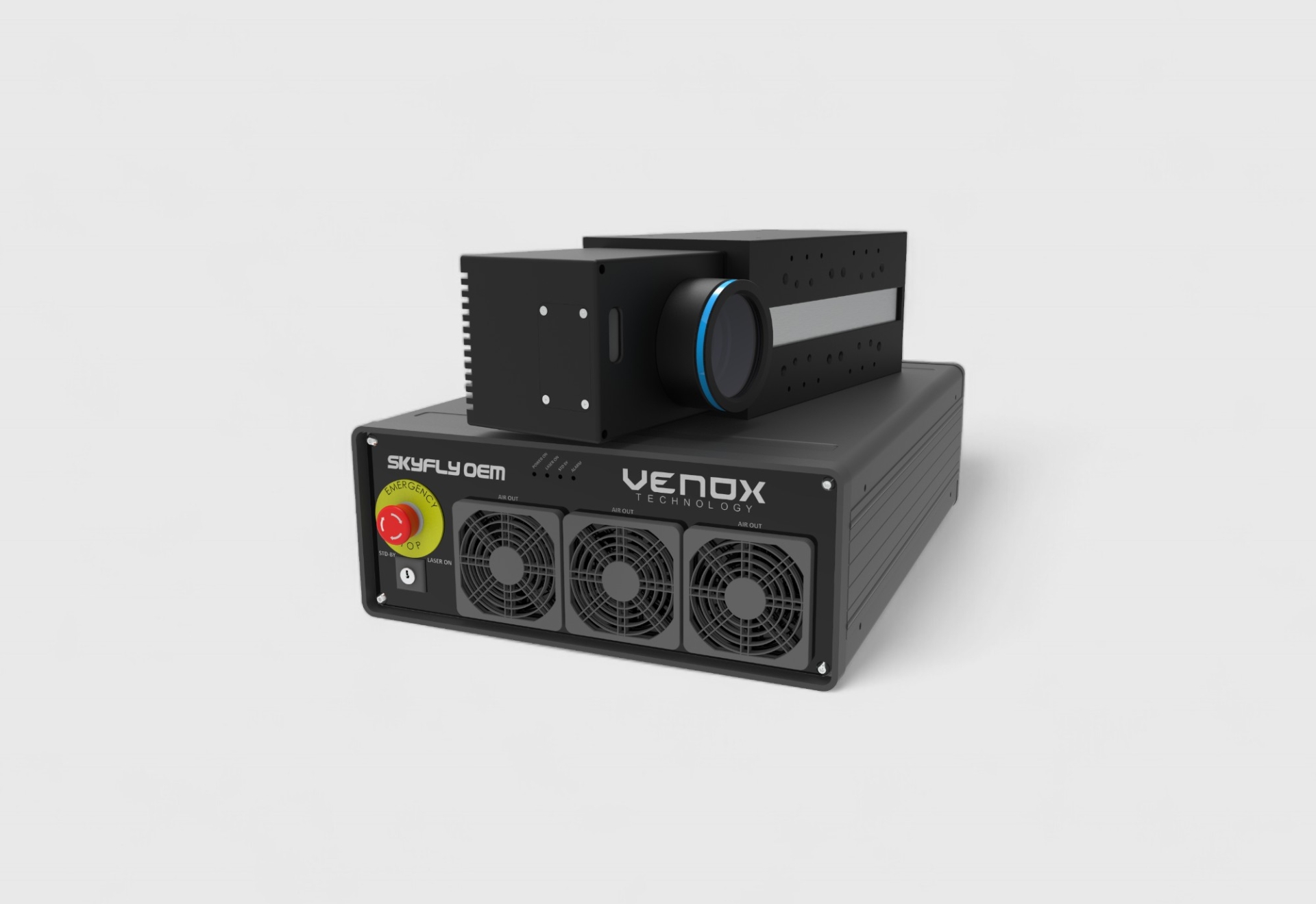
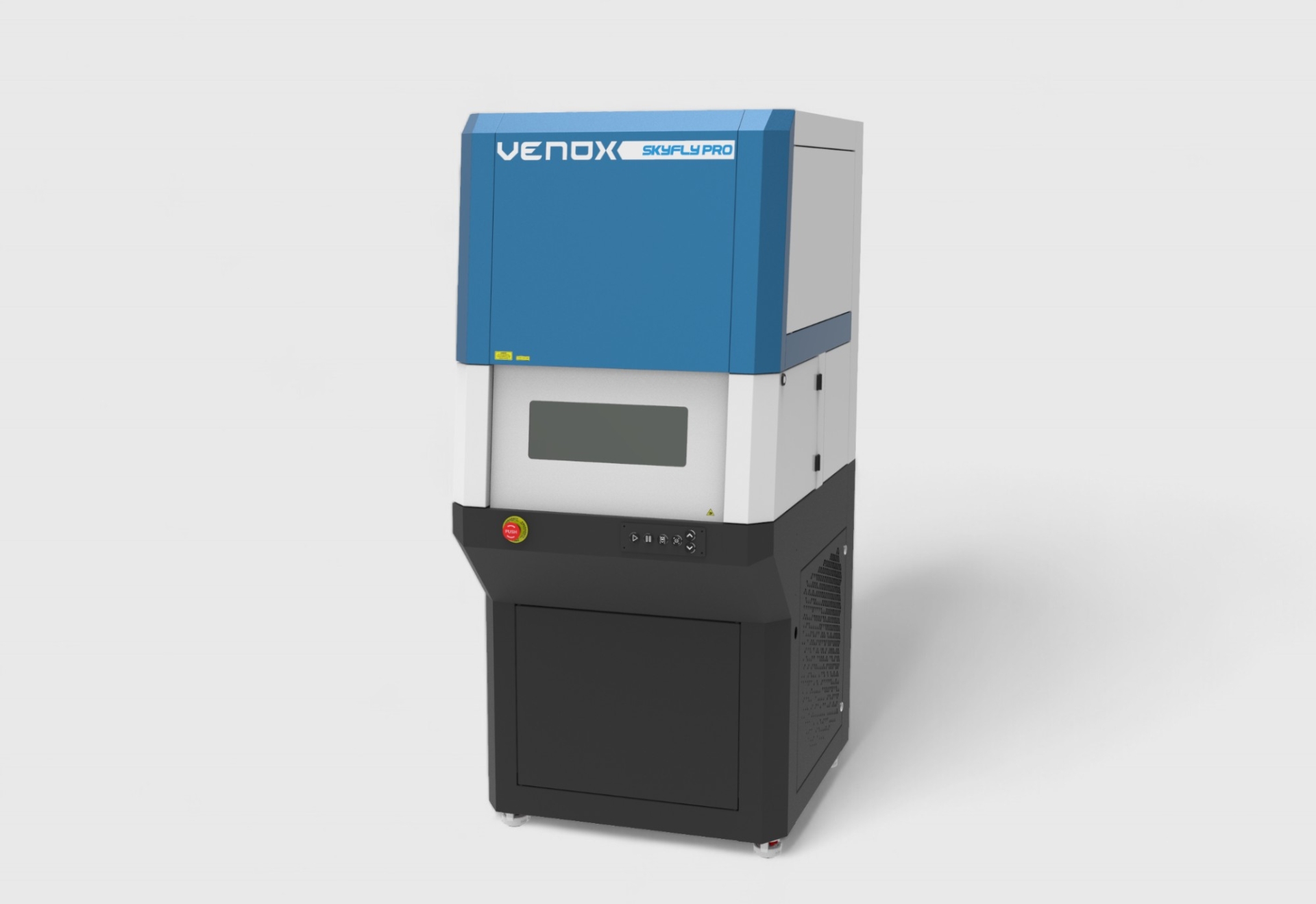
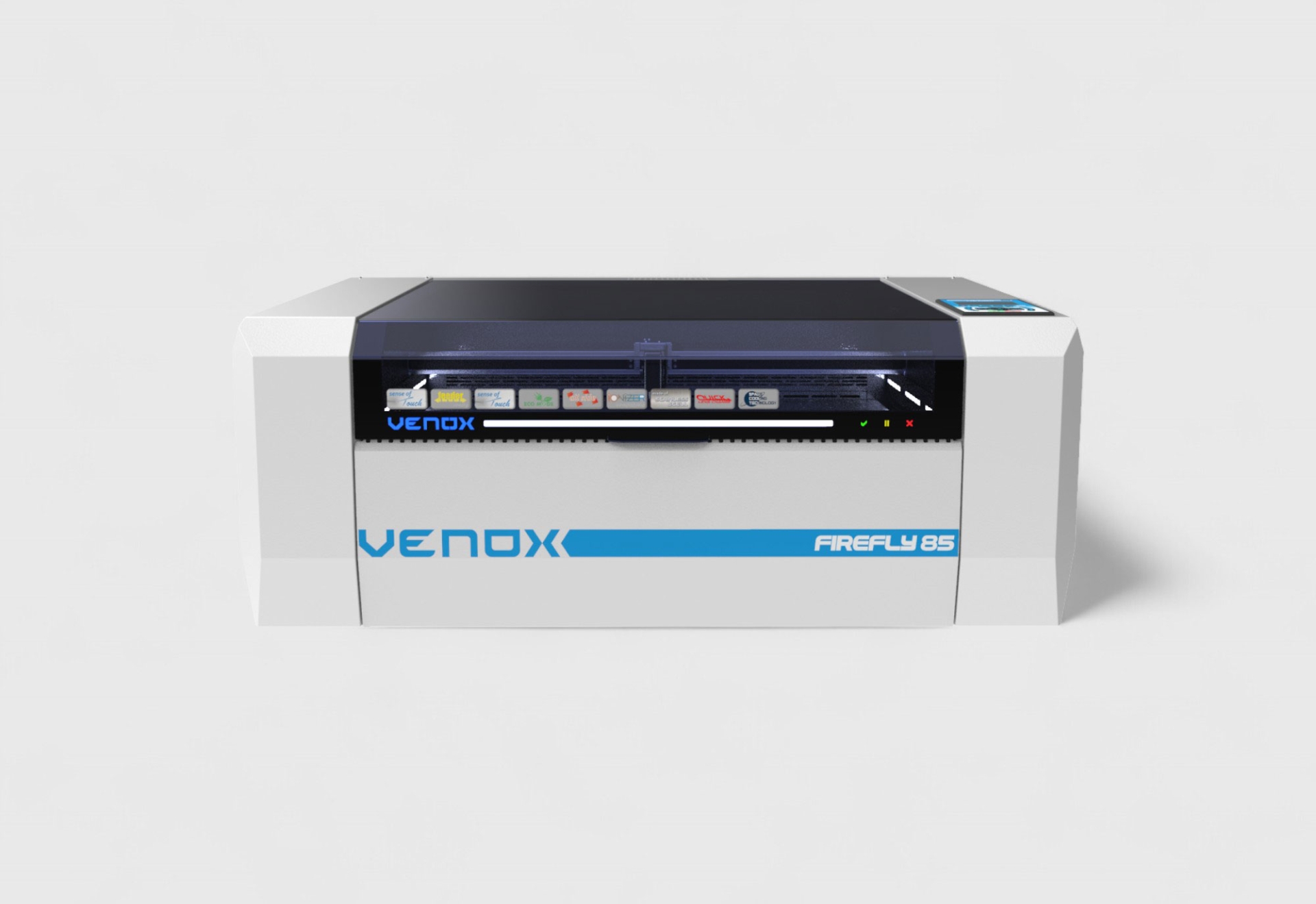
Venox provides permanent and reliable solutions for industrial production processes with Laser Marking Machines designed for barcode, QR code, DataMatrix code and serial number marking requirements. Suitable system options can be evaluated according to the structure of your production line, the material to be marked, the code type and your capacity requirements.
You can benefit from Venox laser technologies to strengthen permanent coding, traceability and quality control processes for your products. For detailed information, product analysis or quotation requests, you can contact the Venox team through the Contact Us page.
Conclusion: Permanent Laser Marking for Barcodes, QR Codes and Serial Numbers
Laser marking machines are powerful industrial systems that enable information such as barcodes, QR codes, DataMatrix codes and serial numbers to be permanently applied to product surfaces. They provide significant advantages in product identification, quality control, warranty tracking and traceability processes.
When the correct laser marking system is selected, codes become more durable, readable and reliable. Therefore, laser coding is not only a marking method for modern production facilities but also a strategic solution that strengthens production management.
Frequently Asked Questions
Can laser marking machines apply barcodes?
Yes. Laser marking machines can permanently apply barcodes to metal, plastic, glass and coated surfaces. Barcode readability should be tested before the application.
Can a QR code be permanently marked with a laser?
Yes. QR codes can be applied directly to the product surface using laser marking machines. This method provides a more permanent solution compared with labels or ink.
Can serial numbers be automatically applied with a laser?
Yes. Laser marking software can generate automatically incrementing serial numbers and apply a different serial number to each product.
Are DataMatrix codes suitable for laser marking?
Yes. DataMatrix codes are widely used in laser marking applications because they can carry large amounts of data in small areas. They are particularly preferred in the automotive, medical and electronics industries.
How can I get information about Venox barcode and QR code marking solutions?
For information about Venox’s laser coding solutions, you can visit the Laser Marking Machines page or contact the Venox team through the contact page.
