
Laser Marking or Labeling?
The question of laser marking or labeling is one of the most frequently asked comparison topics for many businesses that need product identification and traceability. Because for manufacturing companies, choosing the right marking method is not only a visual preference. This decision directly affects the quality standard, the permanence of information throughout the product life cycle, operational cost, production speed, and after-sales processes. Therefore, which method is more suitable should be evaluated according to the product’s intended use, surface structure, production volume, and customer expectations.
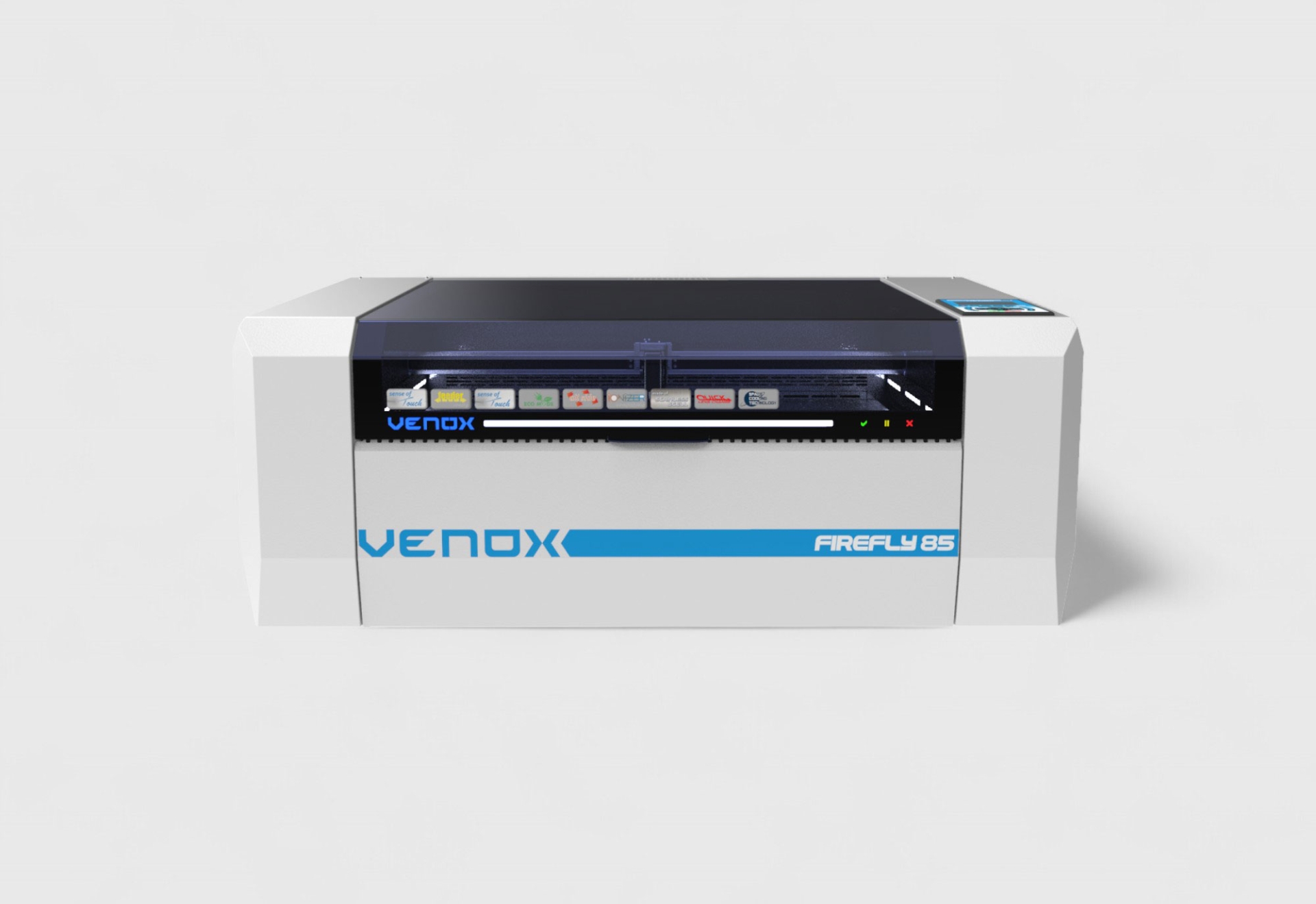
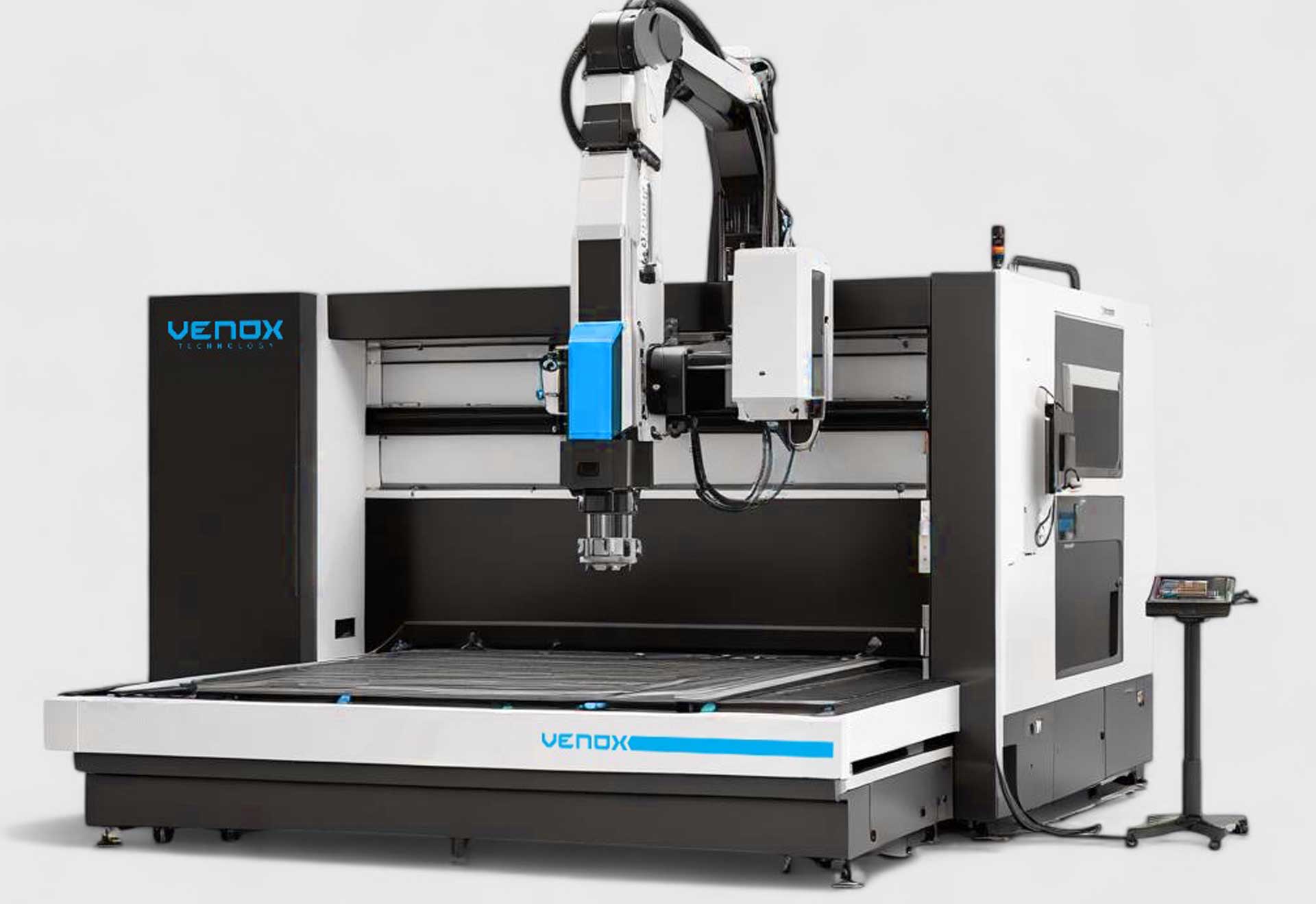
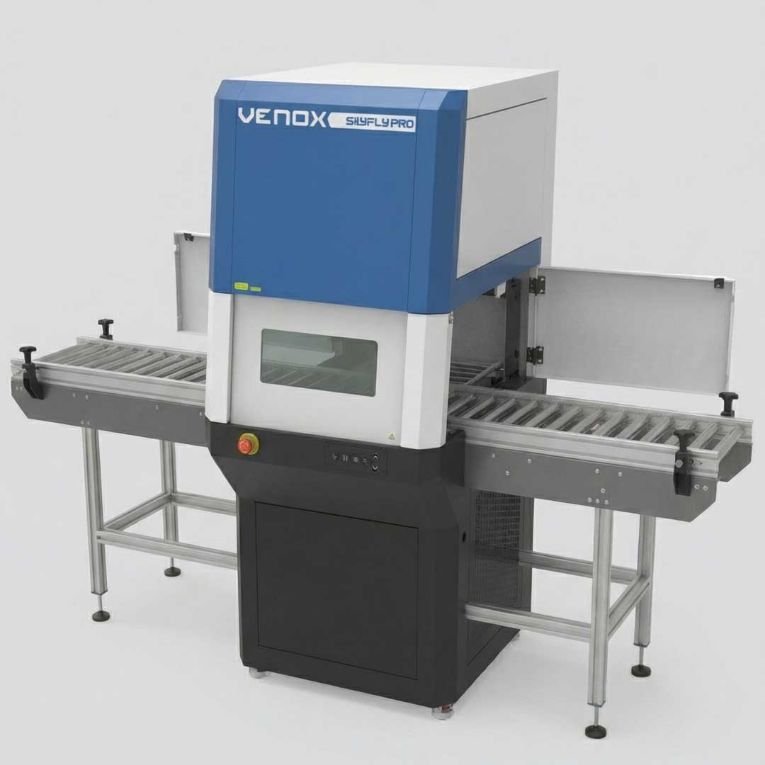
Labeling is a practical and fast method that has been used in many sectors for many years. It can be preferred especially by businesses at the initial stage or in short-term applications. In contrast, laser marking systems process information directly onto the product surface, offering a more permanent, more professional, and often more sustainable solution. For this reason, laser marking machines are increasingly coming to the forefront, especially in areas such as automotive, medical, electronics, metal processing, defense industry, white goods, and machinery manufacturing.
In fact, the right question here is not only “which one is better”. The real question should be “which solution is more suitable for which production scenario”. Because in some cases, labeling may be practical; in other cases, only laser marking meets the real need. In this article, we will examine in detail the main differences, advantages, limitations, and situations in which laser marking or labeling may be more logical.
What Are the Main Differences Between Laser Marking and Labeling?
Both methods aim to transfer information onto the product. However, they have significant differences in terms of how they transfer the information to the product, how permanent they are, and how they integrate into production processes. To make a healthy comparison, these differences should be evaluated under key headings.
1. The way information is applied to the product is different
In labeling, information is printed on a separate surface and then attached to the product. In laser marking systems, the information is processed directly onto the product surface. This difference changes not only the application technique, but also permanence, appearance, and behavior throughout the service life.
2. In terms of permanence, laser marking is often stronger
Labels may fall off, wear out, become dirty, or become unreadable over time. This risk increases especially when there is friction, temperature, humidity, chemical contact, and outdoor exposure. Laser marking machines, on the other hand, can offer a more permanent solution in most applications because they create the information directly on the surface. This is an important advantage for long-lasting products.
3. Labeling may seem more practical at the beginning
In simple applications, labeling may appear to be a fast and easy solution. It can be practical especially for low-volume jobs or temporary information needs. However, as production volume increases, problems such as applying labels, storing them, labels falling off, or incorrect placement become more visible. At this point, a laser marking system can offer a more controlled solution.
4. Visual and professional appearance may differ
Labeling can provide a sufficient appearance on some products, but especially on technical and industrial products, information processed directly onto the surface can create a more professional perception. Since laser marking offers an integrated appearance with the product, it can provide a more refined and more corporate result. This difference becomes especially evident in logo and serial number applications.
5. Laser marking can be safer in terms of traceability structure
When product identity needs to be preserved for a long time, label detachment or deterioration can weaken the traceability system. Structures such as serial numbers, QR codes, or DataMatrix codes processed with laser marking machines often reduce this risk. Therefore, it can be a safer alternative in terms of quality tracking and record management.
6. Consumable and operational approaches change
Labeling requires regular label supply, an application process, and sometimes additional labor. Laser marking, on the other hand, has a different investment and maintenance logic. Therefore, when comparing the two methods, not only the application method but also the total operational burden should be considered.
To review permanent and professional marking solutions, you can visit the laser marking systems page, and to see product alternatives, you can visit the laser marking machines page.
In Which Case May Laser Marking or Labeling Be More Suitable?
Not every production scenario is the same. Therefore, when making a decision, it is necessary to look at the real needs of the business rather than only the theoretical differences between the methods. The evaluations below provide a clearer framework on this subject.
7. If permanent information is required, laser marking is more logical
If the information on the product needs to be preserved throughout its service life, laser marking is often the more suitable solution. This advantage is especially clear in serial number, technical data, product code, and permanent logo applications.
8. If temporary or frequently changing information is required, labeling may be considered
In some applications, the information is temporary or changes very frequently. In such scenarios, labeling may be practical. However, whether the label can withstand the working conditions should still be evaluated separately.
9. If there are harsh environmental conditions, laser marking stands out
If the product is exposed to heat, chemicals, outdoor conditions, friction, or humidity, label durability may remain limited. Laser marking machines can offer a more reliable solution under such environmental challenges. For this reason, they are preferred more often in industrial applications.
10. In high-volume production, laser marking can be more efficient
Although labeling may seem easy for low-volume jobs, labor, consumable management, and error risk may increase in high-volume production. Integrated laser marking systems, on the other hand, can offer a more consistent and more controlled structure in mass production. This can provide an efficiency advantage.
11. If aesthetics and an integrated appearance with the product are important, laser marking is preferred
If corporate appearance, technical quality perception, and professional presentation are important, information processed directly onto the surface provides a stronger result. Laser marking is advantageous in this respect, especially on metal, technical plastic, and industrial parts.
12. If low initial cost is a priority, labeling may be attractive in the short term
In some cases, labeling may seem more economical in terms of initial investment. However, when making this evaluation, not only the initial cost but also consumable expenses, error rate, application time, and long-term total cost should be considered together.
13. If camera verification and digital traceability are required, laser marking is stronger
If structures such as barcodes, QR codes, DataMatrix codes, and serial numbers need to be automatically verified on the production line, laser marking can often offer more reliable and standardized results. This is a major advantage for digital production infrastructure.
14. It is a strong comparison topic in terms of SEO and AI visibility
Comparisons such as “laser marking or labeling” are among the most searched topics by users at the decision-making stage. Therefore, they have strong visibility potential in search engines and AI-based answer systems. Because the user is directly looking for decision support here.
15. The right choice should be made according to the product’s usage scenario
As a result, both methods have their own areas of use. However, as product life, environmental conditions, quality expectations, production volume, and traceability needs increase, laser marking becomes a stronger option. For short-term and simpler needs, labeling may be considered. The right decision is made by clearly defining the real usage scenario.
Conclusion
There is no single correct answer to the question of laser marking or labeling; however, when permanence, professional appearance, traceability, and long-term quality are concerned, laser marking is often a stronger solution. Labeling may be suitable for temporary and low-volume applications, but as production scale and quality expectations increase, laser marking systems become more meaningful. If you would like to evaluate the most suitable solution for your business, you can review fiber laser marking solutions or get expert advice directly through the contact page.
