

Laser Marking Safety Standards: Guide to Safe Operation in Industrial Laser Systems
Since laser marking systems use laser beams with high energy density, they must be designed and used in compliance with safety standards in industrial environments. Laser safety is critically important in terms of operator protection, system safety, and compliance with international standards. This guide explains in detail the safety classifications, protection methods, and industrial laser safety standards used in laser marking machines.
Laser Safety and International Standards
What is laser safety?
Laser safety includes the technical and operational measures taken to protect human health and the environment during the use of laser systems.
IEC 60825 standard
The IEC 60825 standard defines the safety requirements for laser products. This standard includes laser classification and safety criteria.
Laser classes
Laser systems are classified according to their power levels. The most common classes are Class 1, Class 2, Class 3, and Class 4 lasers.
Class 1 laser systems
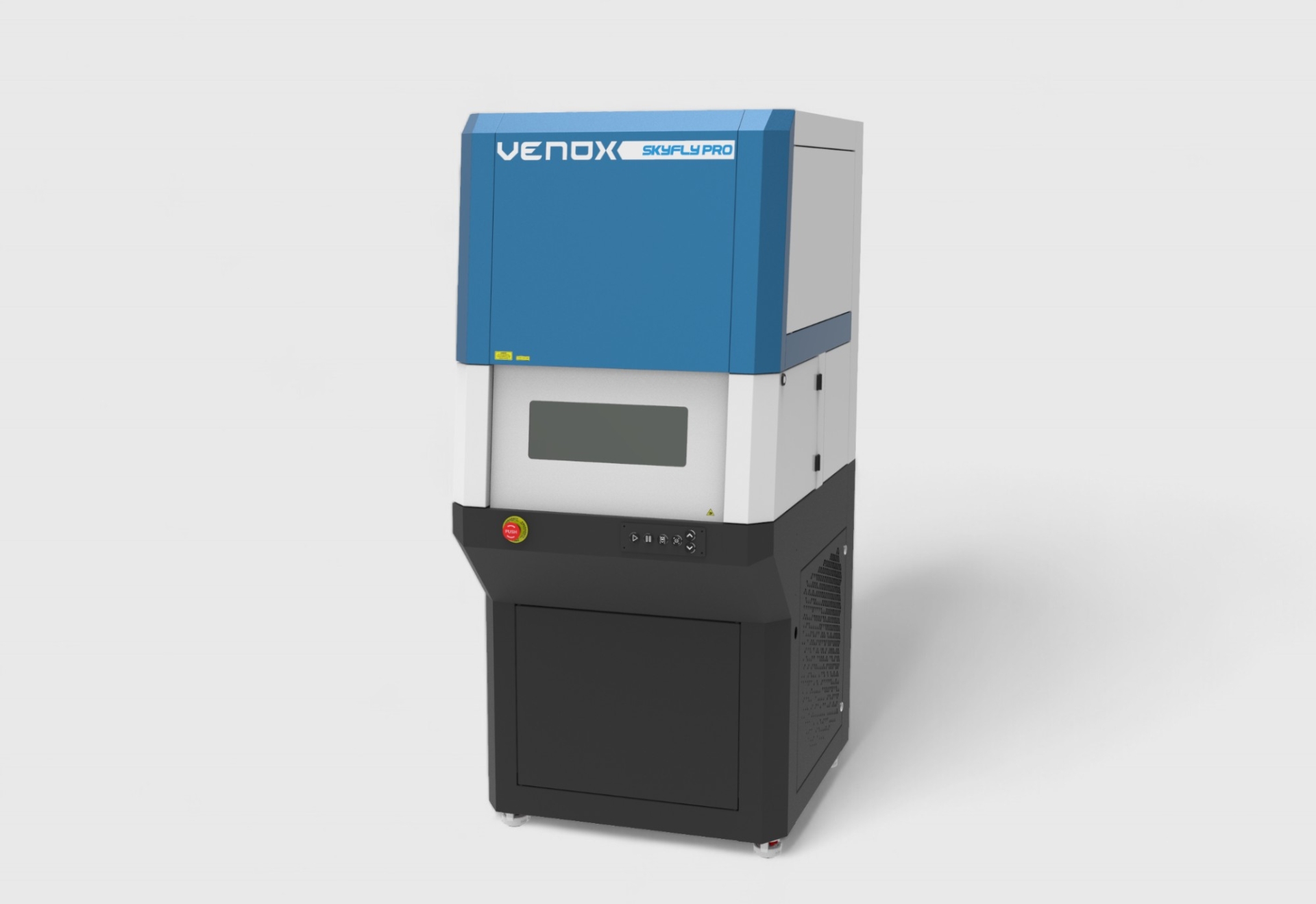
Class 1 laser systems operate inside a fully enclosed safety cabinet and are considered safe for the operator.
Class 4 laser systems
Class 4 lasers are high-power lasers, and direct exposure can create serious risks.
Laser beam and eye safety
Laser beams can pose a risk especially to the eyes. For this reason, protective eyewear may be required.
Laser cabinets
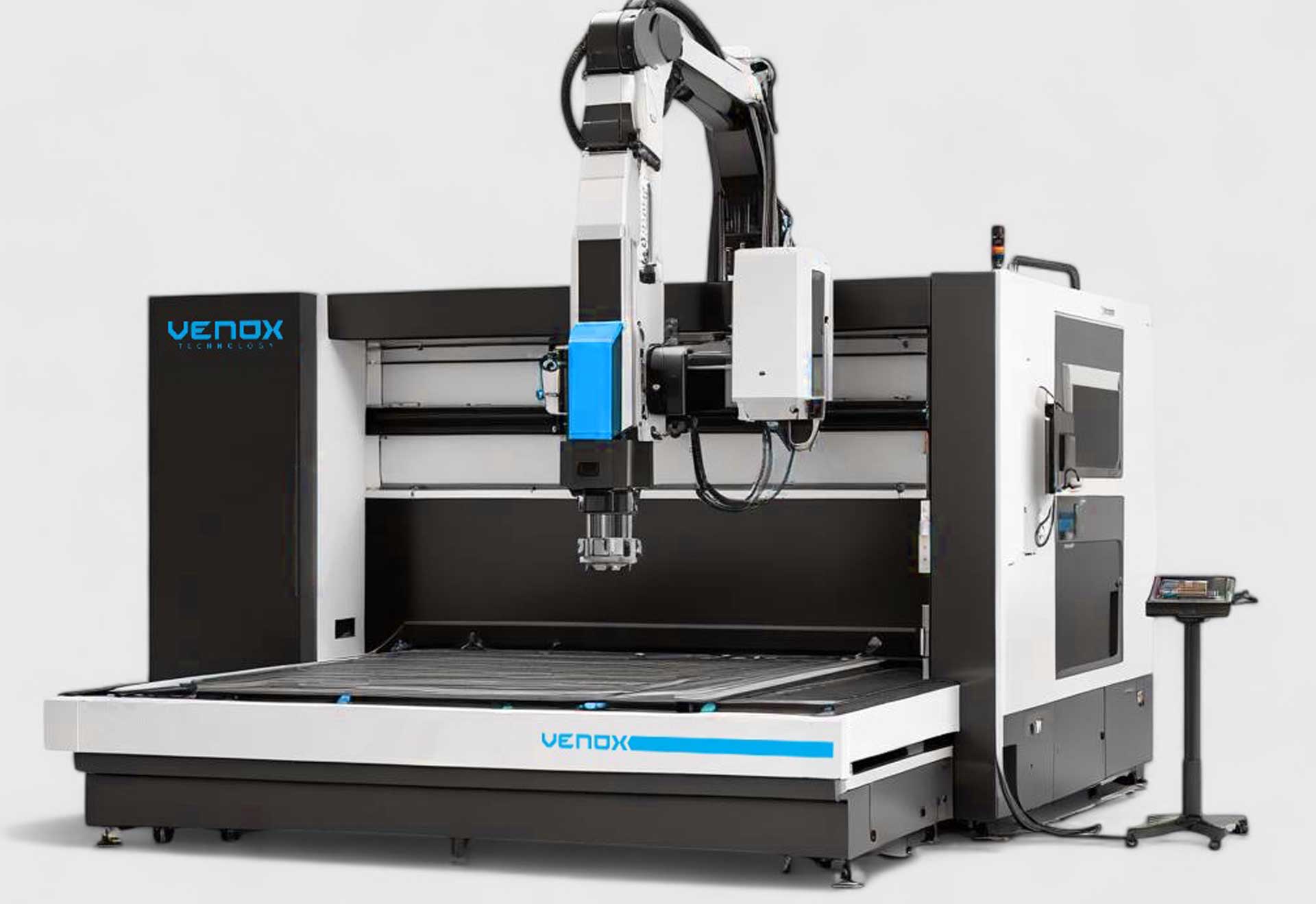
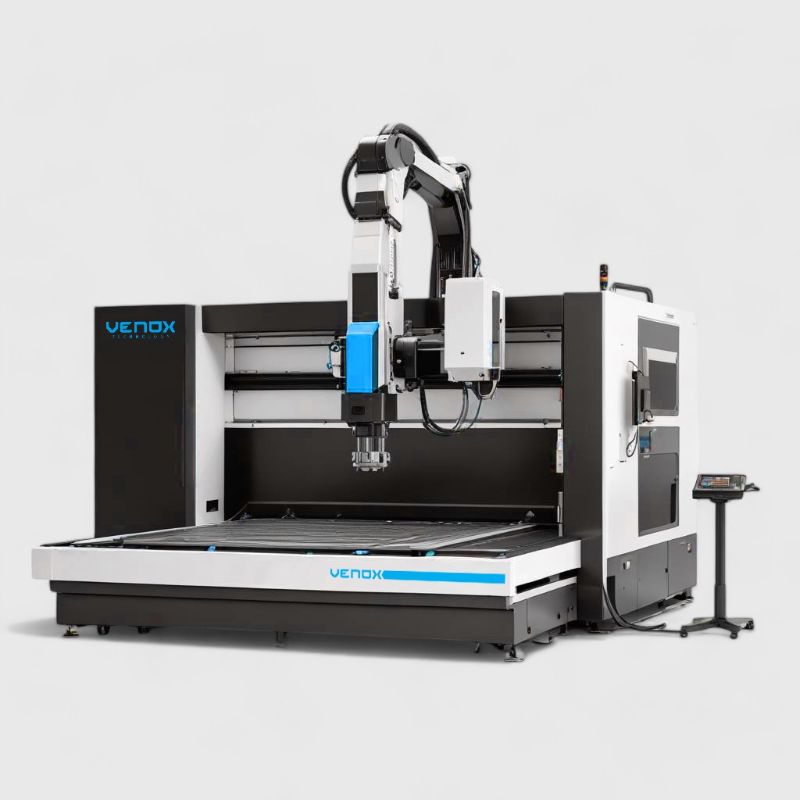
Industrial laser machines generally operate inside a protective enclosure. These enclosures prevent the laser beam from escaping outside.
Interlock safety system
Interlock systems ensure that the laser stops automatically when the laser enclosure is opened.
Operator safety
It is important for operators to receive laser safety training.
Industrial safety requirements
Laser systems must comply with CE and international safety standards.
Safety Measures in Industrial Laser Marking Systems
Protective laser enclosure
Closed-cabin laser systems are among the safest solutions for operator safety.
Laser safety glasses
In open systems, operators should use glasses suitable for the appropriate wavelength.
Fume extraction systems
Smoke and particles generated during laser marking should be removed by extraction systems.
Warning signs
Warning labels should be used in areas where laser systems are located.
Access control
Only authorized personnel should be allowed to access laser systems.
Emergency stop system
Industrial laser systems must have emergency stop buttons.
Electrical safety
Laser machines must comply with electrical safety standards.
Periodic maintenance
Regular maintenance of laser systems is important for safe operation.
Operator training
Operators should be trained in the safe use of laser systems.
Choosing a safe laser system
For industrial use, systems compliant with CE and IEC standards should be preferred.
Is laser marking safe?
It is safe with proper safety precautions.
What is a Class 1 laser?
It is a laser class considered safe in enclosed systems.
What is a Class 4 laser?
It is a high-power laser class that requires careful use.
Are laser safety glasses necessary?
They are recommended for open laser systems.
What is an interlock system?
It is a safety mechanism that stops the laser when the enclosure is opened.
Why is a laser enclosure used?
To prevent the laser beam from reaching the operator.
Is a fume extraction system necessary?
Yes, it is recommended for operator health.
Is CE certification important?
Yes, it shows compliance with safety standards.
How is safety ensured in inline laser systems?
It is ensured with protective guards and sensors.
Do sample tests affect safety?
Yes, correct parameters support safe operation.
