
Laser Marking Technologies: Comparison of Fiber, CO₂, and UV Systems
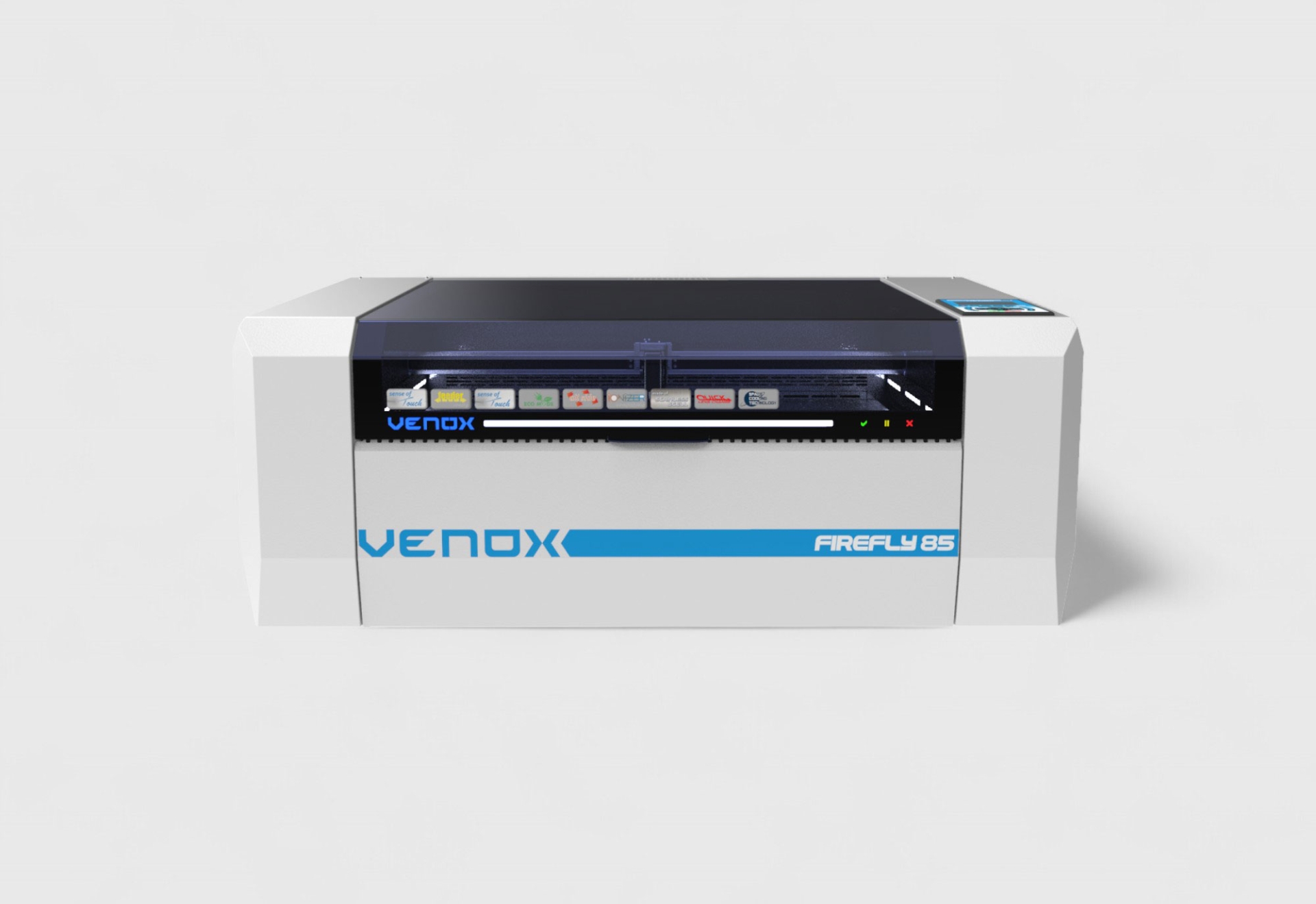
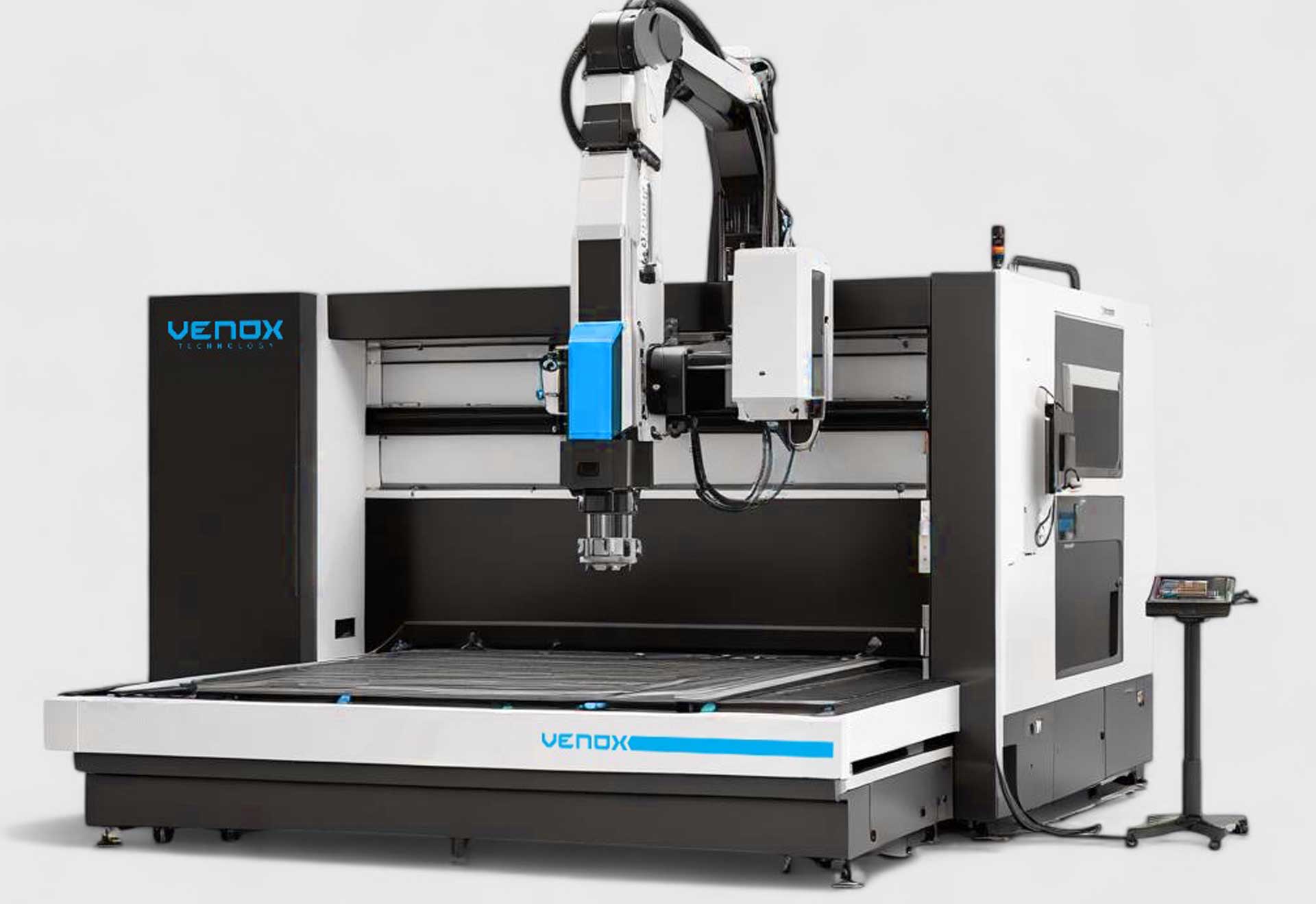
Industrial laser marking technologies offer different advantages depending on the laser source used. Fiber, CO₂, and UV laser systems differ in terms of material compatibility, marking quality, speed, and thermal impact. Selecting the right technology directly affects production line efficiency and the permanence of markings on the product. To explore Venox’s laser solutions: Laser Marking Machines.
Key Differences Between Fiber, CO₂, and UV Laser Marking Systems
Each laser source operates with a different wavelength and energy transfer characteristic. This determines how the laser interacts with the material. While fiber lasers stand out on metal surfaces, CO₂ lasers are preferred for organic materials, and UV laser systems are chosen for precision plastic and electronic applications.
Fiber laser marking systems
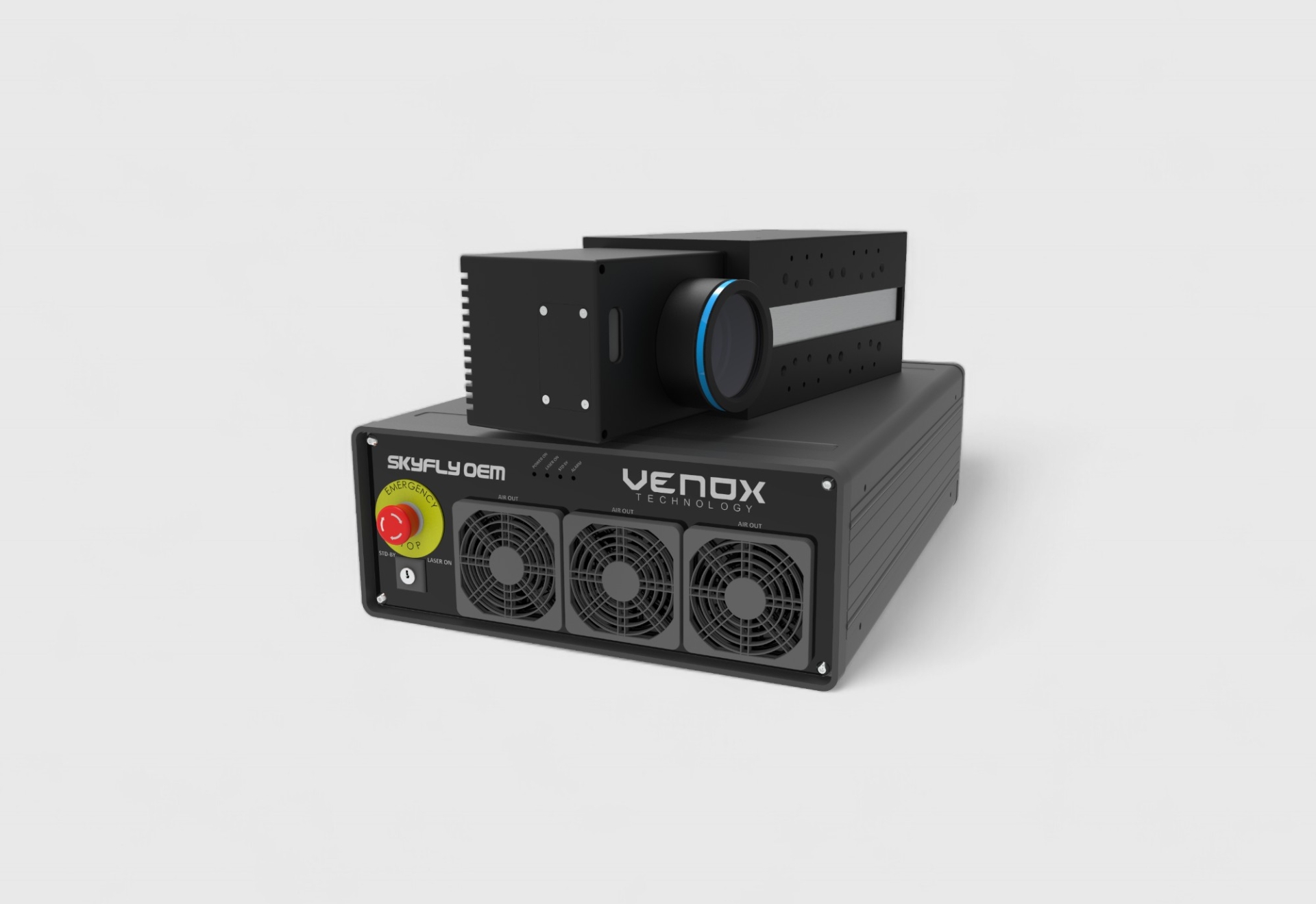
Fiber lasers offer high speed, high contrast, and long service life, especially in metal marking applications. They are the most widely used technology in industry for permanent and clear marking on stainless steel, aluminum, and alloys.
Why fiber lasers are preferred in industry
Low maintenance requirements, high electrical efficiency, and long laser source lifetime make fiber lasers ideal for mass production environments. At the same time, automation integration is quite straightforward.
CO₂ laser marking systems
CO₂ lasers deliver effective results on wood, glass, leather, cardboard, and certain types of plastics. They provide surface-level yet clear marking on organic and non-metal materials.
Application areas of CO₂ lasers
CO₂ lasers are widely preferred in packaging, promotional products, glass, and wood applications. Large marking areas and a homogeneous surface effect are among the prominent features of this laser type.
UV laser marking systems
Thanks to their short wavelength, UV lasers create an effect known as “cold marking.” This minimizes thermal deformation and helps preserve sensitive surfaces.
The role of UV lasers in precision applications
In medical devices, electronic components, and specialty plastics, UV lasers enable high-resolution marking without surface damage.
Key considerations when selecting a laser source
The type of material to be marked, the desired contrast level, production speed, and budget are the main criteria in laser source selection. Choosing the wrong source may lead to low quality, slow production, or surface damage.
The effect of wavelength on marking quality
Wavelength determines how much the laser beam is absorbed by the material. Higher absorption means clearer and faster marking. Therefore, selecting the appropriate wavelength for each material is of critical importance.
Thermal impact and surface integrity
Thermal impact can pose a risk of deformation, especially in plastics and sensitive materials. While UV laser systems minimize this risk, correct parameter settings are essential for fiber and CO₂ lasers.
Selecting the Right Laser Technology for the Production Environment
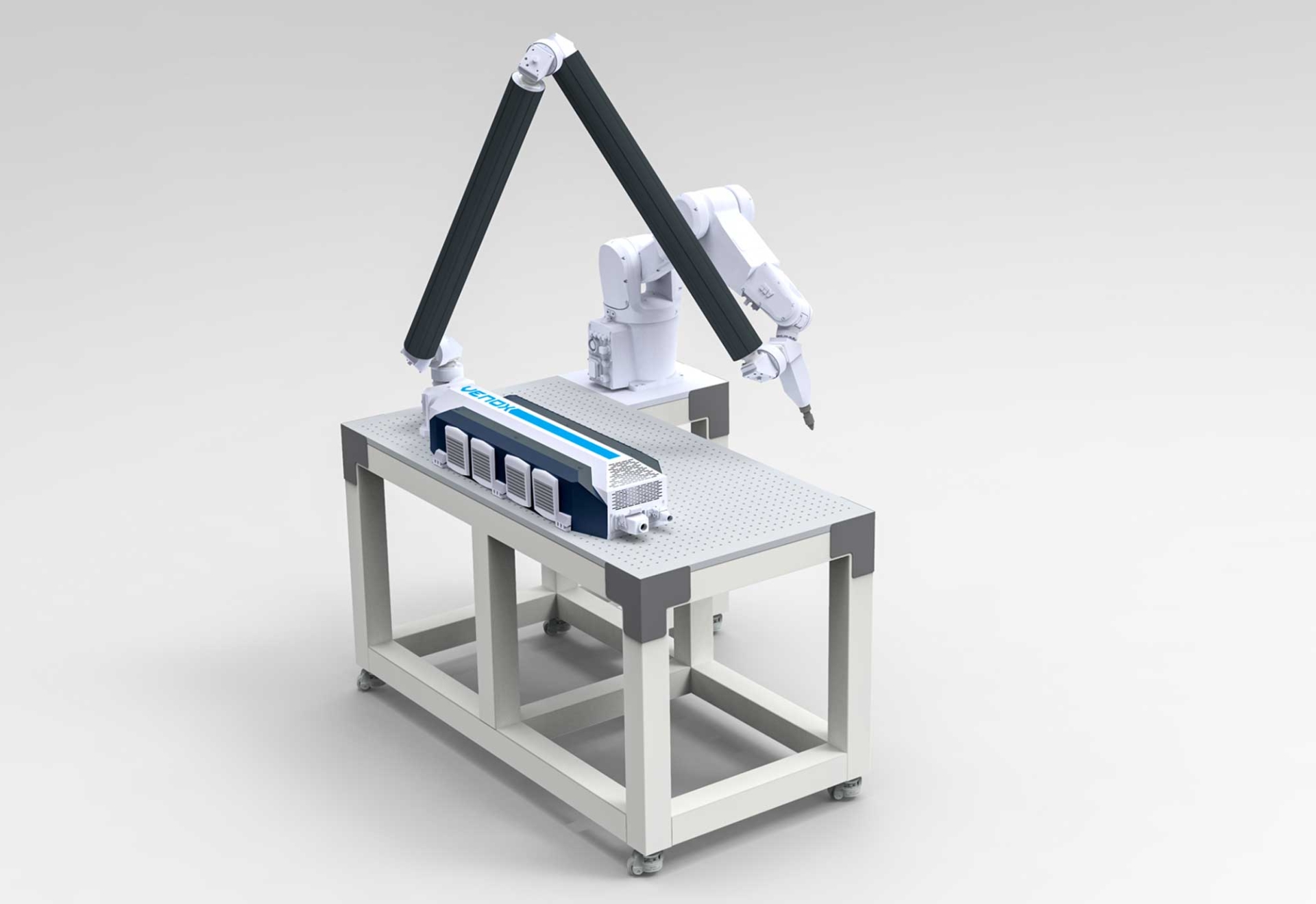
The choice of laser marking technology should be based not only on the material but also on the structure of the production environment and the targeted process performance. In-line integration, cycle time, and quality control requirements are decisive factors at this stage.
Laser solutions for mass production lines
In high-volume production, speed, repeatability, and low downtime come to the forefront. Fiber laser systems are among the most efficient solutions for such scenarios.
Low-volume and flexible production environments
In flexible production lines where different products and materials are processed, versatile laser systems are preferred. The ability to change parameters quickly provides operational advantages.
Precision and high value-added products
In sectors such as medical, electronics, and defense, surface quality and micro-level details play a critical role. UV laser systems stand out in such applications.
Energy efficiency and sustainability
Fiber lasers contribute to sustainable production goals thanks to their high energy efficiency. Low energy consumption and long service life reduce environmental impact.
Maintenance and service requirements
The maintenance needs of laser technology directly affect operating costs. Fiber laser systems offer long-term advantages with their low maintenance requirements.
Making the right choice with Venox laser technologies
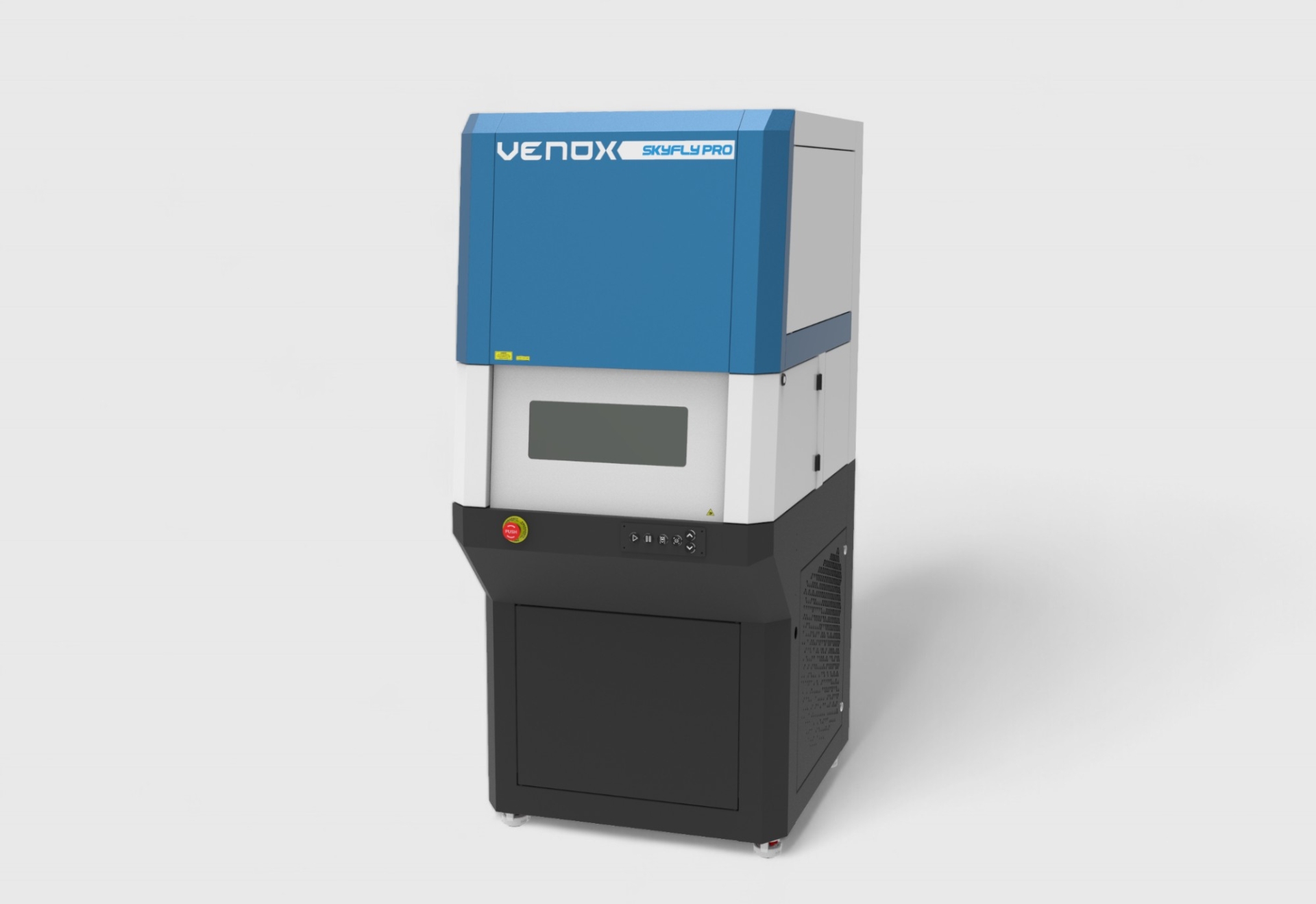
Venox offers solutions suitable for different industries and applications with its fiber, CO₂, and UV laser marking systems. To determine the most suitable laser technology for your needs, you can review the Venox product page: Laser Marking Machines.
A successful laser marking investment is made possible by the right laser source, appropriate process parameters, and integration compatible with the production line. When these elements are planned together, quality and efficiency become sustainable.
When deciding between fiber, CO₂, or UV laser marking systems, start with Venox laser marking solutions to identify the technology best suited to your production needs.
