
Laser Marking vs Inkjet Marking: Comparison of Industrial Coding Technologies
In industrial manufacturing, the two most commonly used technologies for product identification and traceability are laser marking and inkjet marking. Both methods are used to process serial numbers, date codes, QR codes, and product information. However, there are significant differences in terms of operating principle, operating cost, marking permanence, and production efficiency. This technical guide compares laser marking and inkjet marking technologies in terms of performance, cost, and application areas.
Laser Marking and Inkjet Marking Technologies
What is laser marking?
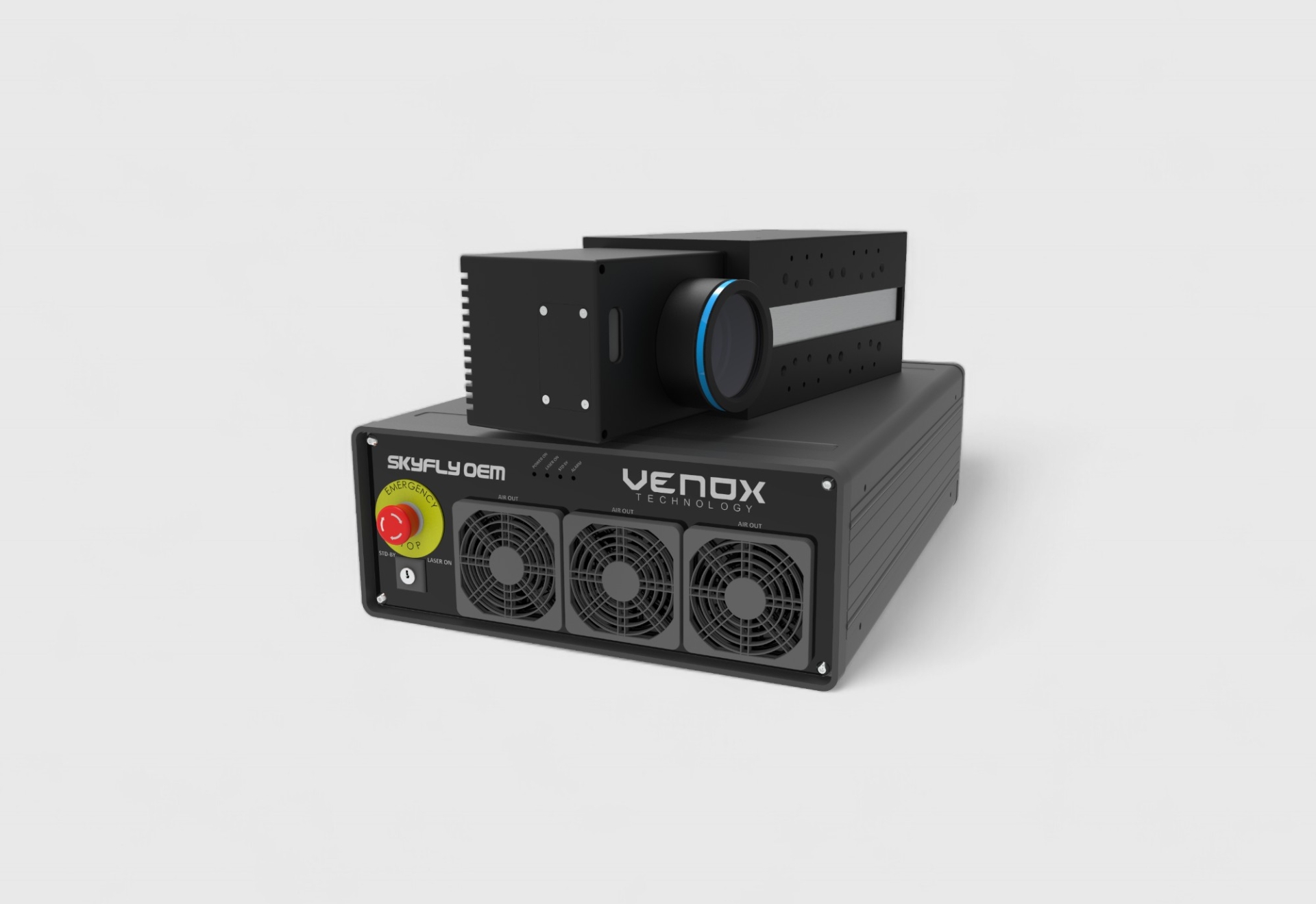
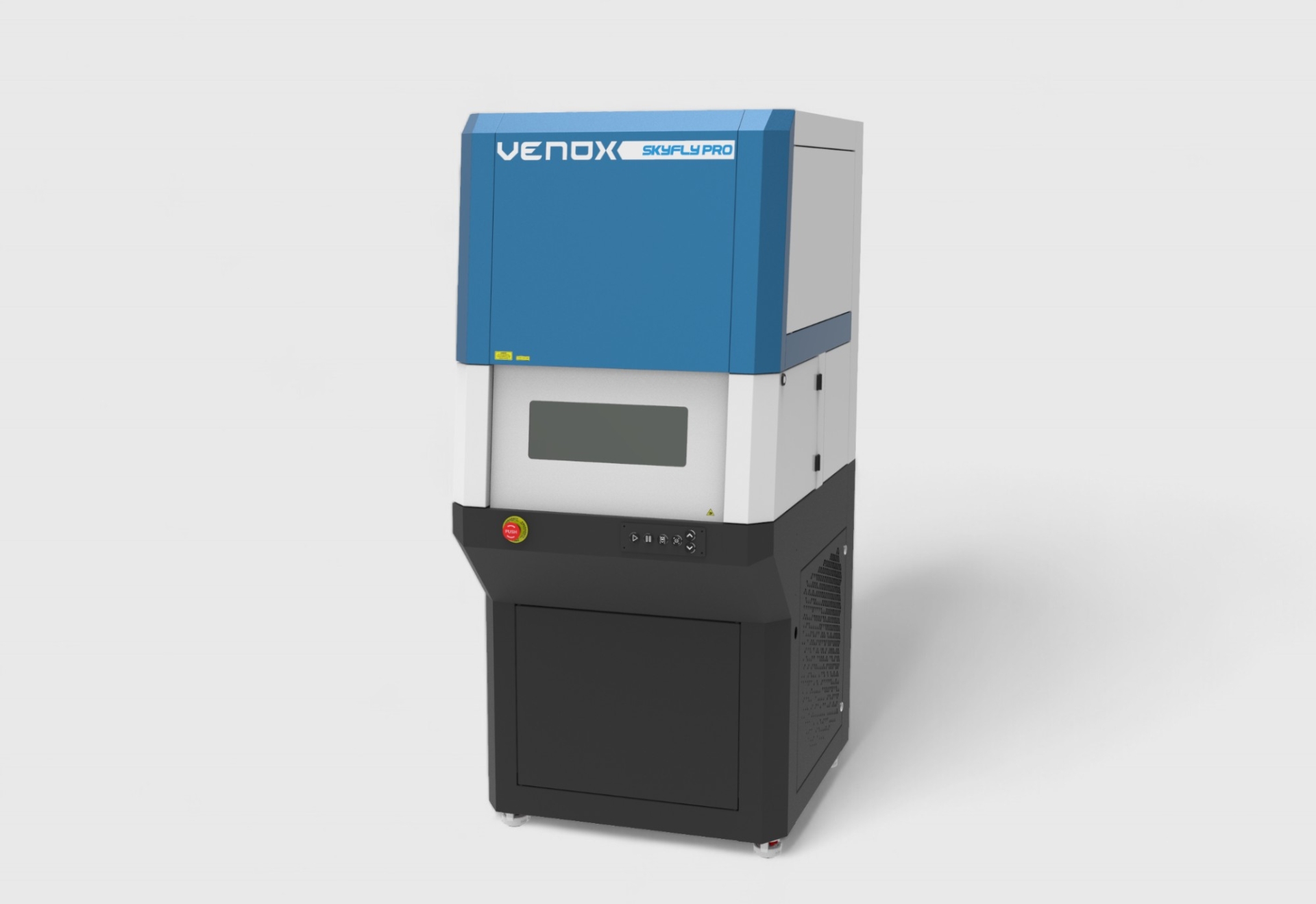
Laser marking is a method of creating permanent marks by generating microscopic changes on the material surface with a high-energy laser beam.
What is inkjet marking?
Inkjet marking is the process of printing text or codes onto a surface by using an ink spraying method. It is generally used in the packaging industry.
Difference in operating principle
Laser marking is a non-contact energy processing method. Inkjet systems, on the other hand, spray liquid ink.
Marking permanence
Laser marking is generally permanent. Inkjet prints, however, may be erased on some surfaces or wear off over time.
Consumables
Laser marking does not require consumables. Inkjet systems use ink and solvent.
Maintenance requirement
In inkjet systems, nozzles and ink systems require regular maintenance.
Energy consumption
While laser systems operate with electrical energy, inkjet systems use chemical consumables.
Marking speed
Both technologies can be used in high-speed production lines.
Code types
- Serial number
- QR code
- DataMatrix
- Production date
Industrial application areas
Both technologies can be used in the food, packaging, automotive, and electronics industries.
Which Marking Technology for Which Application?
Metal surface marking
On metal surfaces, laser marking generally provides more permanent and durable results.
Packaging industry
In packaging production, inkjet systems are widely used.
Plastic surface marking
On plastic materials, both inkjet and laser can be used.
Permanent marking requirement
Laser marking is preferred in applications where permanent marking is required.
Low-cost coding
In some applications, inkjet systems may offer an advantage in terms of initial cost.
Production line integration
Both systems can work integrated with PLC and automation systems.
Camera verification systems
The readability of codes can be checked with camera systems.
Environmental factors
In dusty or harsh environments, laser marking may be more durable.
Maintenance cost
Laser systems can generally offer lower maintenance costs.
Choosing the right marking system
Material type, production speed, and permanence requirements are important in selecting the right technology.
Is laser marking permanent?
Yes, it is generally permanent.
Can inkjet marking be erased?
On some surfaces, it may be erased over time.
Do inkjet systems use consumables?
Yes, ink and solvent are used.
Is laser marking fast?
Yes, high-speed marking can be performed.
Can inkjet be used on metal surfaces?
It can be used in some cases, but permanence may be limited.
Which system is used in the packaging industry?
Inkjet systems are generally used.
Does laser marking require maintenance?
It generally requires low maintenance.
Can it be used in inline production?
Yes, both systems can be used.
Can a QR code be made with a laser?
Yes, it can be done with laser marking.
Are sample tests necessary?
Yes, they are recommended for selecting the most suitable technology.
