

Mini Laser Marking Machine: Models, Features, and Applications
A mini laser marking machine is a compact solution that can be considered by businesses with limited production space that want to mark their products in-house. In a workshop where logos, product codes, or serial numbers need to be marked on small components, how the parts are positioned and how the operator works are just as important as the space occupied by the machine. The right choice is made by evaluating these requirements together.
The term “mini” does not, by itself, define a specific laser technology, power rating, or marking capacity. It generally refers to the physical dimensions and compact layout of the system. Therefore, when looking for a mini laser marking machine, it is not sufficient to consider only the machine's appearance or external dimensions. Material compatibility, usable part capacity, marking area, and safety arrangements should also be examined.
You can explore systems suitable for your application through Venox's laser marking machines solutions and request a technical consultation by providing your product dimensions, material specifications, and desired marking results.
Mini Laser Marking Machine Models and Technical Specifications
How Should the Term “Mini” Be Evaluated When Selecting a Compact System?
The suitability of a compact machine for a business is not determined solely by whether it fits on a small workbench. Working space is also required to load the part into the system, position it correctly, remove it after processing, and move on to the next product. The computer, control equipment, fixtures, and, when necessary, fume extraction unit are all part of the overall setup.
Before purchasing, it is useful to determine the dimensions of the workbench where the machine will be installed and evaluate operator accessibility. Particularly in operations repeated throughout the day, the direction of part loading, working height, and area allocated for materials affect production organization. A compact machine becomes truly practical when combined with a suitable workstation layout.
Specifications Listed in the Catalog for the Venox MINI
In the traceability catalog published by Venox, the MINI is presented as a compact option equipped with a fiber laser source. The main specifications provided in the catalog are summarized in the table below. These values should be verified against the current product configuration and quotation specifications before purchase.
| Feature | Catalog Information | Considerations During Selection |
|---|---|---|
| Laser source | Fiber | Material to be processed and desired surface result |
| Laser power | 20 W | Processing time and marking quality on the actual sample |
| Machine dimensions | 690 × 460 mm, X × Y | Total space required, including peripheral equipment |
| Marking area | The catalog specifies a range of 70–220 mm | Actual X × Y marking field of the selected lens and its suitability for the application |
The dimensions of the marking area are not the same as the dimensions of the part that can be placed inside the machine. Even if only a small section of a part will be marked, its body, connections, and mounting fixture must be compatible with the system. Therefore, a dimensioned drawing showing the entire product, rather than only the surface to be marked, should be provided during the technical evaluation.
Desktop, Separate-Unit, and Enclosed Configurations
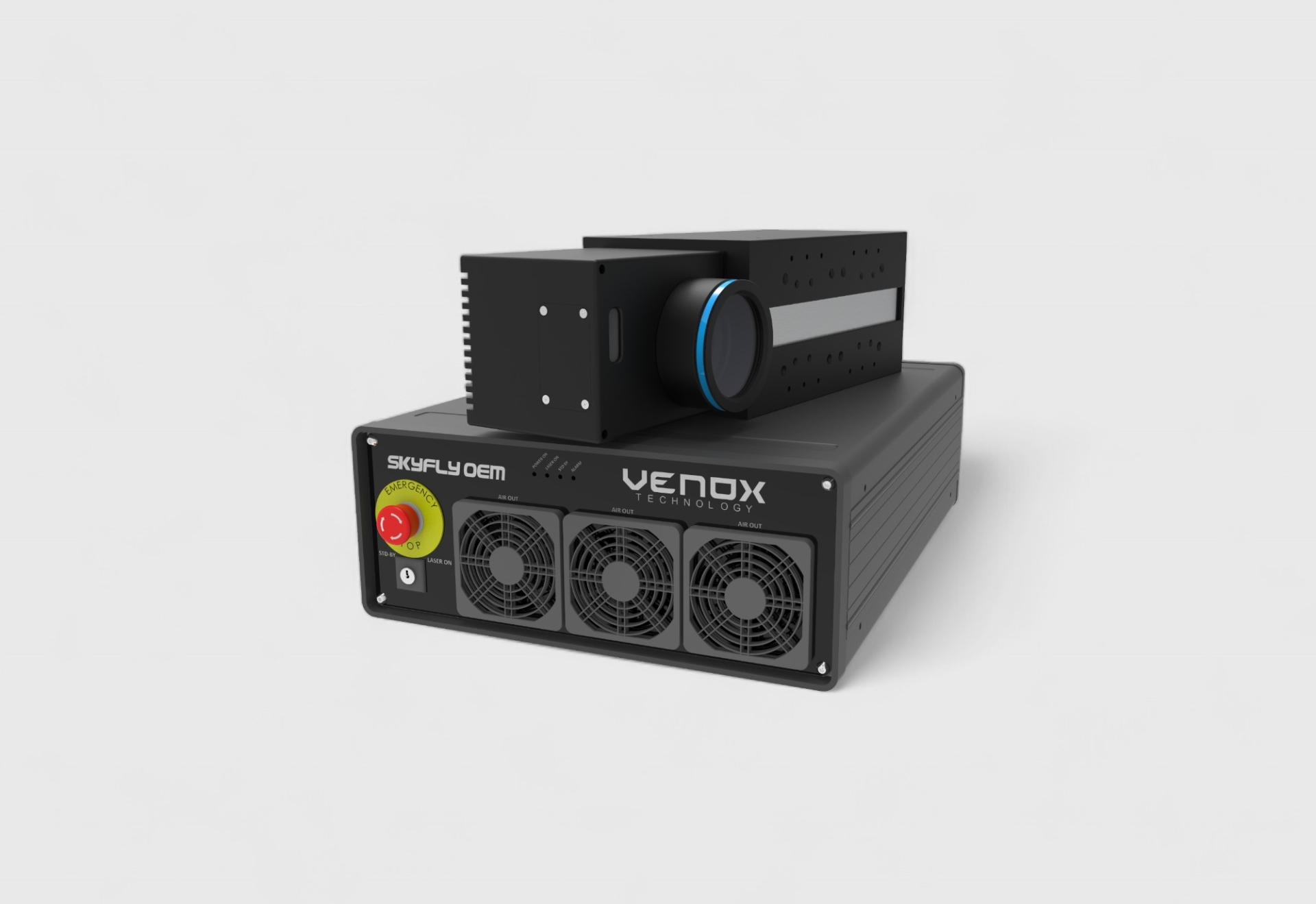
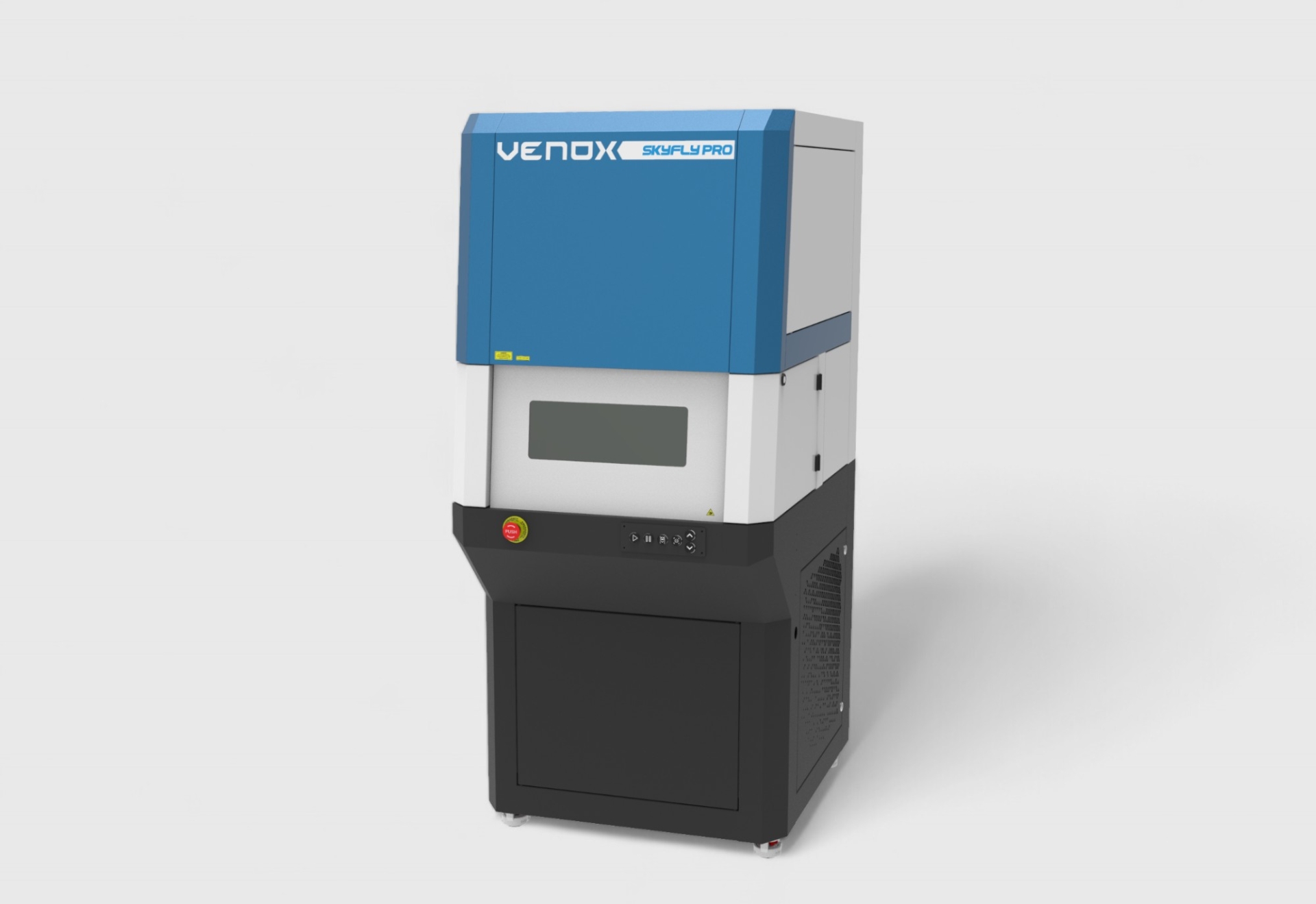
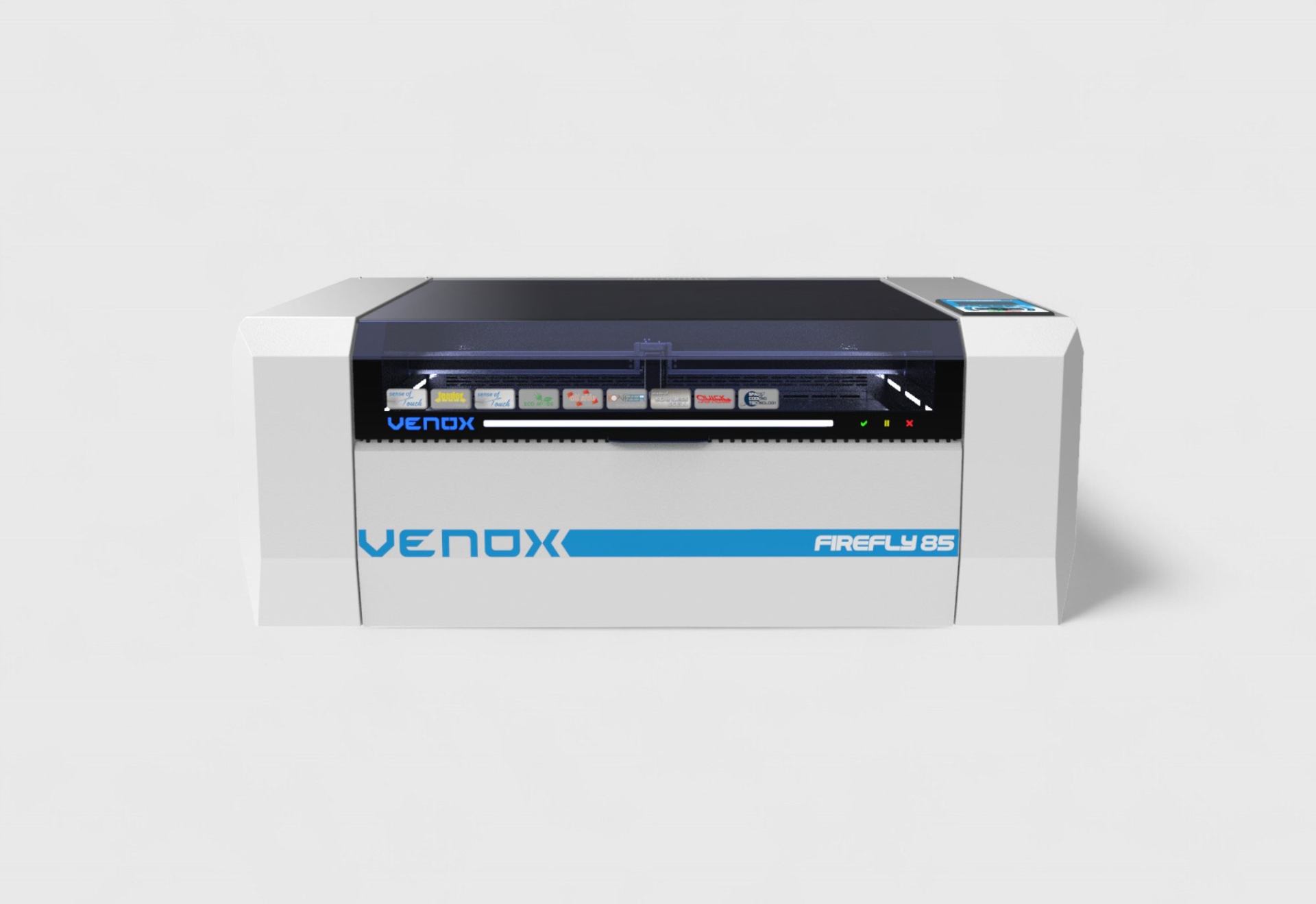
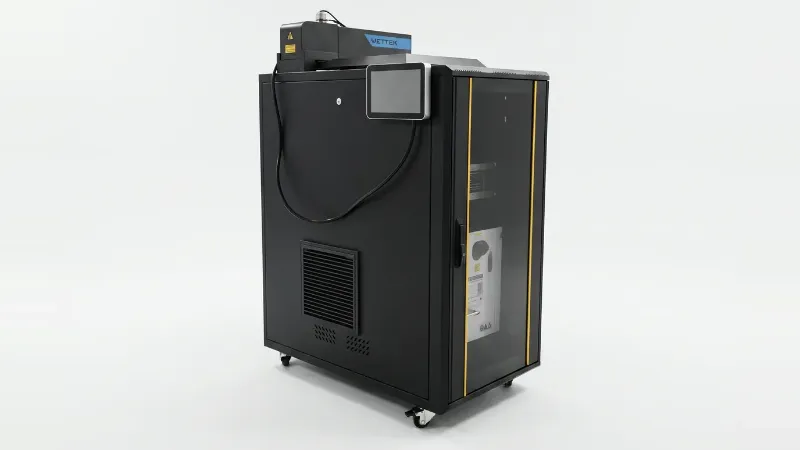
When researching mini laser marking machine models, different configurations may be encountered. Desktop configurations are designed for use on a workbench, while systems with separate units allow the control unit and marking section to be positioned in different locations. In enclosed configurations, part loading and marking operations take place within a protective structure.
For each of these configurations, usable internal space, door movement, part accessibility, and accessory compatibility should be checked separately. This distinction refers to general system configurations; the current options offered by Venox and their equipment specifications should be clarified during the quotation stage. Having a compact housing does not, by itself, indicate compliance with a particular laser safety class.
Lens, Focus, and Part Positioning
When selecting the marking area, the actual dimensions of the design to be marked should be considered. A small serial number and a logo extending across a large surface do not require the same configuration. Lens selection, working distance, and achievable level of detail should be evaluated together. Choosing the largest marking area may not be the most suitable option for every application.
If parts of different heights will be processed, how the focus is adjusted is also important. If the operator needs to reposition the system whenever the product changes, this time should be included in production planning. For repetitive operations, a fixture that positions each part at the same location can make the preparation process more consistent.
Applications and Selection Process for Mini Laser Marking Machines
Small Metal Components and Product Identification
Fasteners, small mechanical components, metal tags, and accessories are among the applications that can be considered for compact systems. These products may require information such as company logos, part codes, or serial numbers to be marked on their surfaces. Suitability depends on the material of the component and the expected marking result.
Even components within the same metal category may have different coatings or surface treatments. Glossy, brushed, and coated surfaces should not be assumed to produce identical results. During sample evaluation, not only the appearance of the marking but also the friction, cleaning procedures, and environmental conditions the product will encounter during use should be communicated.
Plastic Components and Electronic Product Parts
Plastic housings, connectors, and electronic product components may require product identification or manufacturing information to be marked on their surfaces. However, not all plastics respond to the same laser source in the same way. Polymer type, color, additives, and surface characteristics can affect the result. The selection of a mini fiber laser should be evaluated using the actual component.
When submitting a sample, it is useful to provide the material code and manufacturer information, if known, rather than simply describing it as a “plastic part.” The formation of a visible mark alone should not be considered sufficient; surface integrity, readability, and preservation of the component's functionality should also be checked. Different color variants, if available, should be evaluated separately.
Promotional Products and Small-Batch Production
Compact marking systems can be considered for applying logos or personalized text to products such as metal pens, keychains, nameplates, and similar items. Since these operations may involve a wide variety of products, switching from one design to another and correctly positioning each part constitute an important part of the daily workflow.
For cylindrical products, the position of the design on the surface and the angle it covers should be considered. Depending on the application, a rotary axis or a special holder may be required. These accessories must physically fit the machine, be compatible with the software, and be specified in the quotation. It should not be assumed that every round product can be processed in a standard configuration.
Which Results Should Be Checked During Sample Testing?
An effective way to make the selection of a mini laser marking machine more concrete is to evaluate the actual product using the actual content to be marked. A sample text in a large font may not demonstrate the results achievable with the small characters required in production. Similarly, using the company's own design instead of a representative logo provides a more meaningful evaluation.
- Text and logos should appear clearly at the required dimensions.
- The marking should be positioned correctly on the product.
- No unacceptable surface deformation should occur.
- For code marking applications, readability should be verified using the actual code reader.
- The total cycle time, including part loading and unloading, should be measured.
- Consistency of marking results across consecutive samples should be evaluated.
These checks are performed not merely to confirm that the machine can produce a mark, but to understand under which conditions it can perform the task expected by the business. When acceptable results are defined in advance, comparing different system options also becomes easier.
Installation Space and Quotation Scope
The installation plan should consider electrical connections, peripheral equipment, operator space, and material-specific fume extraction requirements. Information about protective enclosures, safety interlocks, and operating conditions should be obtained from the manufacturer. The small size of the machine does not eliminate laser safety requirements.
When comparing quotations, it is important to examine the scope of the lens, computer, software, fixtures, accessories, installation, and training rather than focusing solely on the machine price. Whether the features required by the business are included as standard equipment or offered as additional options should be clarified in writing. This allows post-delivery requirements to be identified earlier.
Evaluate the Right Compact Solution for Your Application with Venox
To determine the appropriate mini laser marking machine, you can provide information about your product's material, external dimensions, marking area, and daily production volume. In addition to your logo or text file, providing an example showing the desired appearance will facilitate the technical evaluation. If you work with multiple products, it is useful to specify both the smallest and largest components.
You can explore Venox's laser marking systems to learn more about the available options and contact Venox for information about the current MINI configuration, application evaluation, and quotation requests. The selection process should proceed by considering both your product requirements and the working area where the system will be installed.
