

Which Materials Can Laser Marking Systems Be Used On?
Laser marking systems are industrial solutions that enable permanent, contactless, and high-precision marking on different types of materials. Product codes, serial numbers, logos, barcodes, QR codes, DataMatrix codes, and technical information can be marked using laser technology on metals, plastics, glass, ceramics, wood, leather, and various other suitable surfaces.
However, not every material responds to the same laser source in the same way. Different technologies, such as fiber lasers, CO2 lasers, and UV lasers, are selected according to the material properties and the desired marking result. Therefore, when choosing laser marking systems, not only the equipment power but also the physical and chemical properties of the surface to be marked must be considered.
Materials Suitable for Laser Marking Systems
Stainless Steel and Other Metal Surfaces
Metal surfaces are among the most common applications of laser marking. Stainless steel, carbon steel, aluminum, titanium, brass, and various other suitable metal alloys can be laser marked.
Fiber laser technology is generally preferred for metal marking. The laser beam can produce contrast changes, surface markings, or controlled engraving effects on metal surfaces.
Serial numbers, product codes, technical information, logos, QR codes, and DataMatrix codes can be marked on metal components. These applications are widely used in machinery manufacturing, automotive, defense, and metalworking industries.
Laser Marking on Aluminum
Aluminum is one of the lightweight and durable metals commonly used in industry. Laser marking can be performed on natural, anodized, or coated aluminum surfaces.
Anodized aluminum can be particularly suitable for high-contrast markings. The laser beam creates a controlled effect on the surface coating, producing readable and visually appealing markings.
Electronic device housings, machine components, equipment labels, and technical panels are among the common applications of aluminum laser marking.
Brass, Copper, and Non-Ferrous Metals
Laser marking can be performed on highly reflective metals such as brass and copper. However, the laser source and process parameters used for these materials must be selected carefully.
The material's surface characteristics, alloy composition, and desired marking depth directly affect the result. Therefore, performing test marking on the actual product is important.
These applications can be used for electrical and electronic parts, connectors, decorative products, and technical components.
Laser Marking on Plastic Products
Plastic surfaces are an important application area for laser marking systems. However, the response of plastics to the laser beam may vary depending on the polymer structure and additives used.
In some plastics, the laser beam changes the surface color, while in other materials it may produce foaming or surface engraving effects.
Automotive parts, electrical and electronic components, medical products, packaging components, and injection-molded plastic parts can be identified through laser marking.
Since marking results may vary even between versions of the same plastic type supplied by different manufacturers, sample testing is recommended.
Laser Marking on Glass Surfaces
Laser marking on glass can be performed by creating controlled microscopic changes on the surface. This method can be used in various applications, ranging from decorative purposes to product identification.
The thickness, surface structure, and thermal sensitivity of glass require careful selection of marking parameters. Inappropriate energy levels may cause cracking or unwanted surface effects.
Bottles, laboratory glassware, decorative glass products, and technical glass components are examples of these applications.
Laser Marking on Ceramic Surfaces
Permanent marking can also be performed on ceramic materials using suitable laser technology. The coating structure and color characteristics of ceramic surfaces affect the contrast that can be achieved.
Technical ceramic components, electrical and electronic parts, and decorative products can be considered for laser marking applications.
To achieve the most suitable marking result on ceramics, it is important to test laser power, scanning speed, and focus settings on a sample.
Wood and Organic Materials
CO2 laser systems are generally used for wood, leather, cardboard, and similar organic materials. The laser beam can create controlled color changes or engraving effects on the surface.
Logos, patterns, text, and personalized information can be marked on wooden products. Furniture, souvenirs, packaging, decoration, and promotional products are examples of these applications.
In natural materials, variations in grain structure, color, and density may cause marking results to differ between products.
Leather and Textile-Like Surfaces
Laser marking or surface engraving can be performed on leather and suitable textile-based materials. Product logos, patterns, serial numbers, or decorative details can be created using laser technology.
Laser technology can be used on bags, shoes, accessories, textile labels, and promotional products.
Since synthetic and natural leather may respond differently to laser processing, testing on the actual product is necessary.
How to Select the Right Laser Technology?
Choosing the appropriate laser system for the material to be marked affects both marking quality and production speed. In general, fiber lasers are used for metal applications, CO2 lasers for organic and certain non-metallic surfaces, and UV lasers for more sensitive applications.
When selecting a system, the following criteria should be analyzed together:
- Material type and surface characteristics
- Presence of coatings or paint
- Desired marking contrast
- Marking depth
- Size of the code or graphic to be marked
- Production speed
- Thermal sensitivity
- Required marking lifespan
- Automation requirements
Therefore, instead of selecting a system based solely on the general name of the material, performing an actual marking test on a sample provides more reliable results.
Material-Specific Laser Marking Solutions with Venox
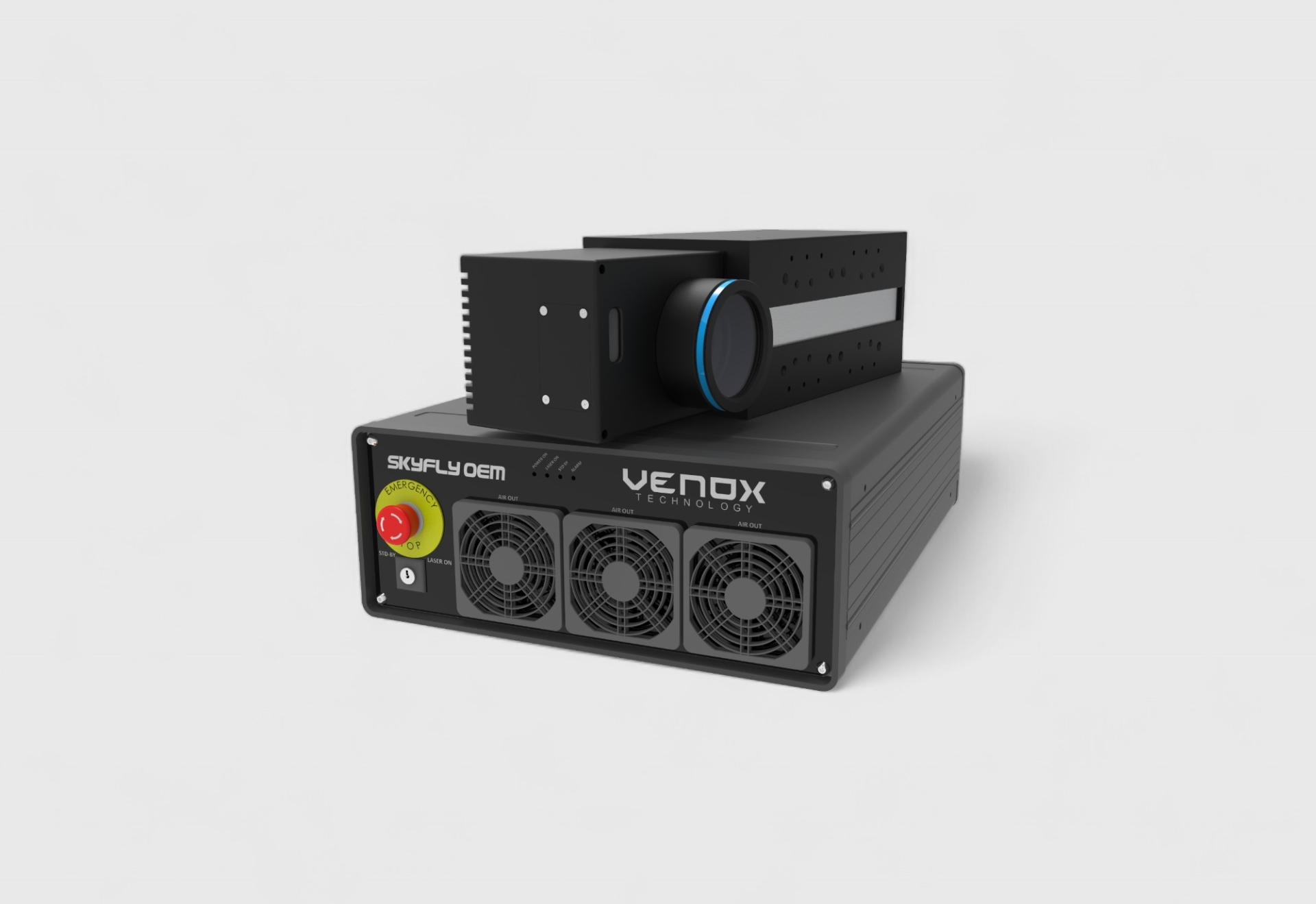
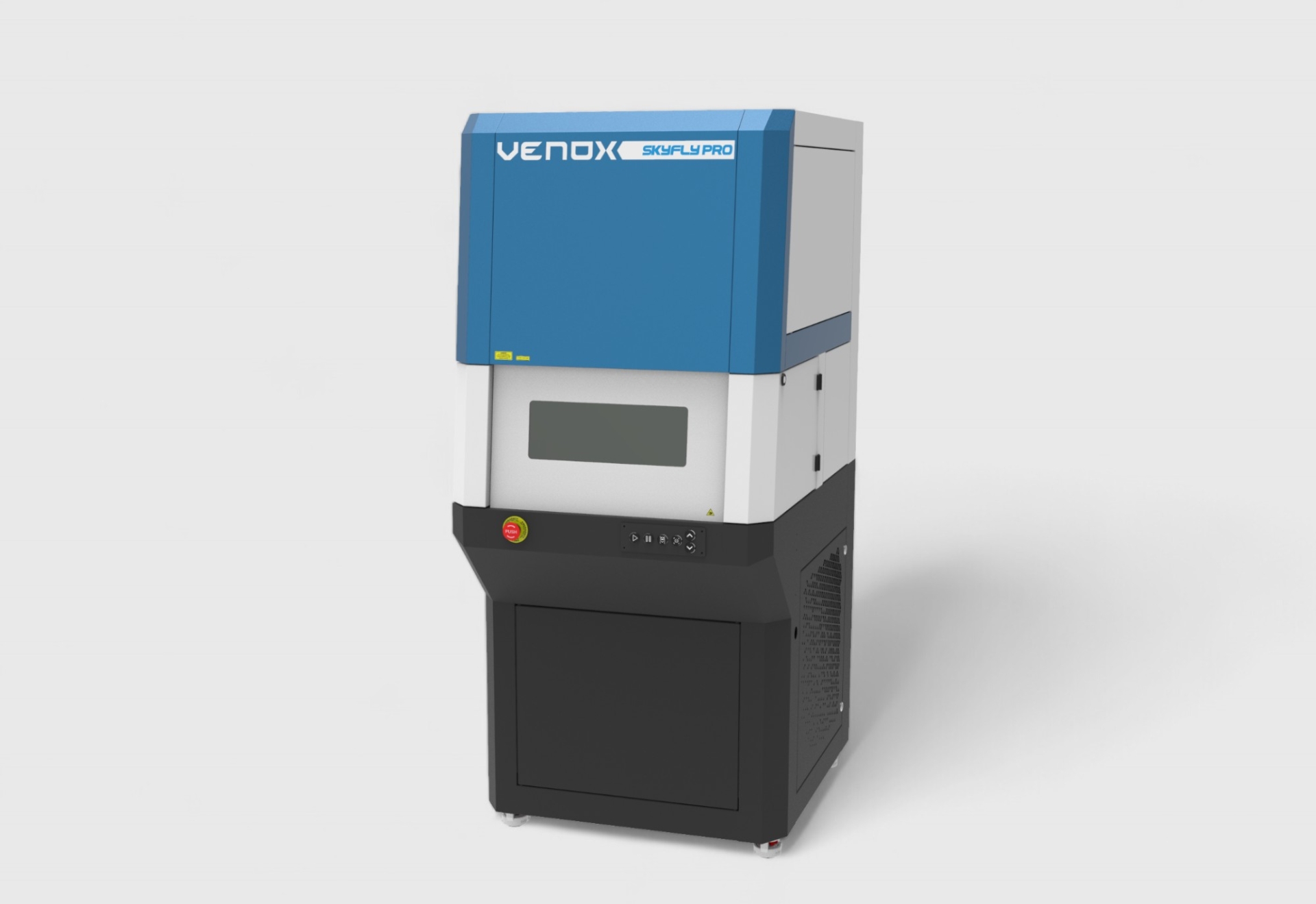
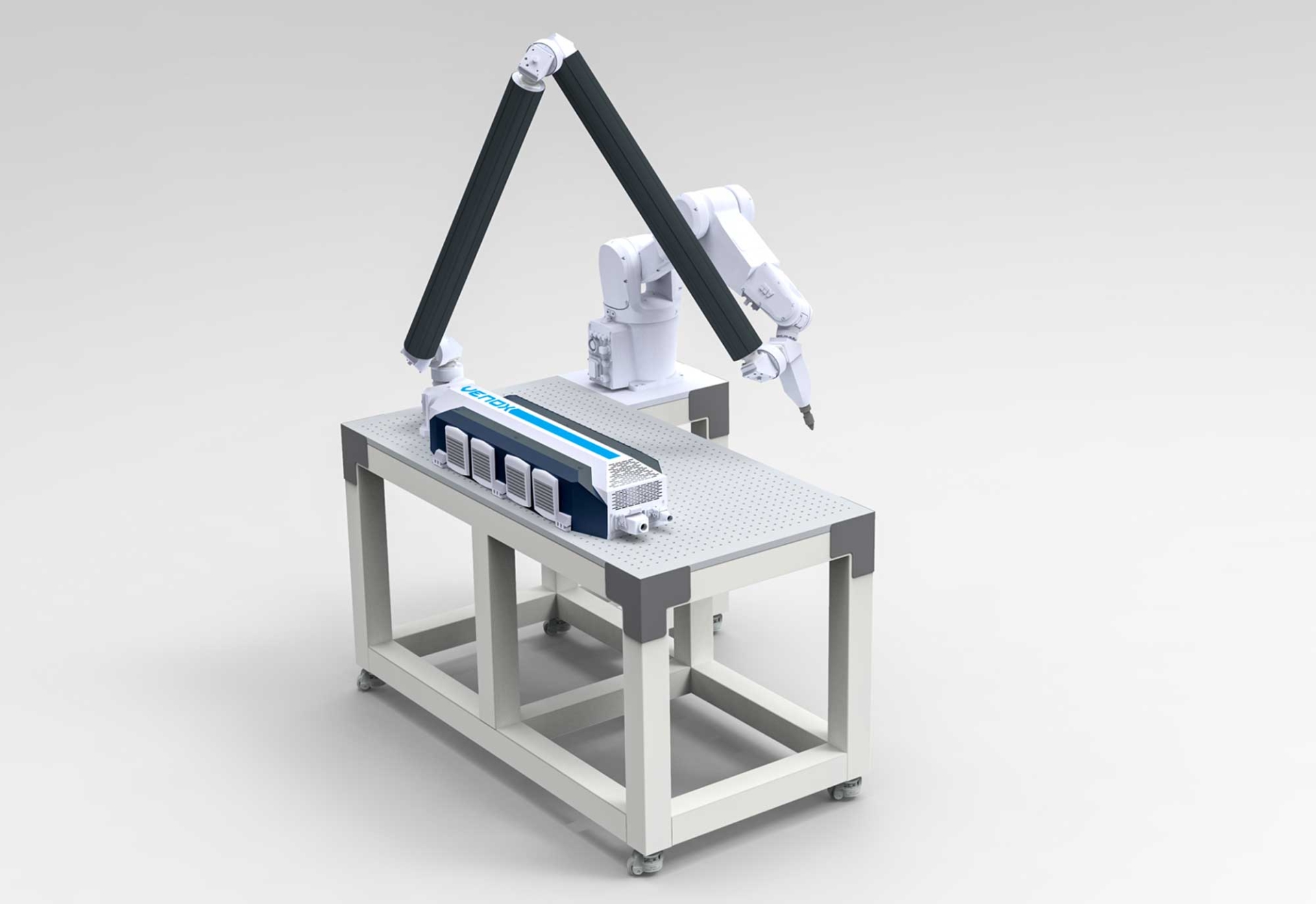
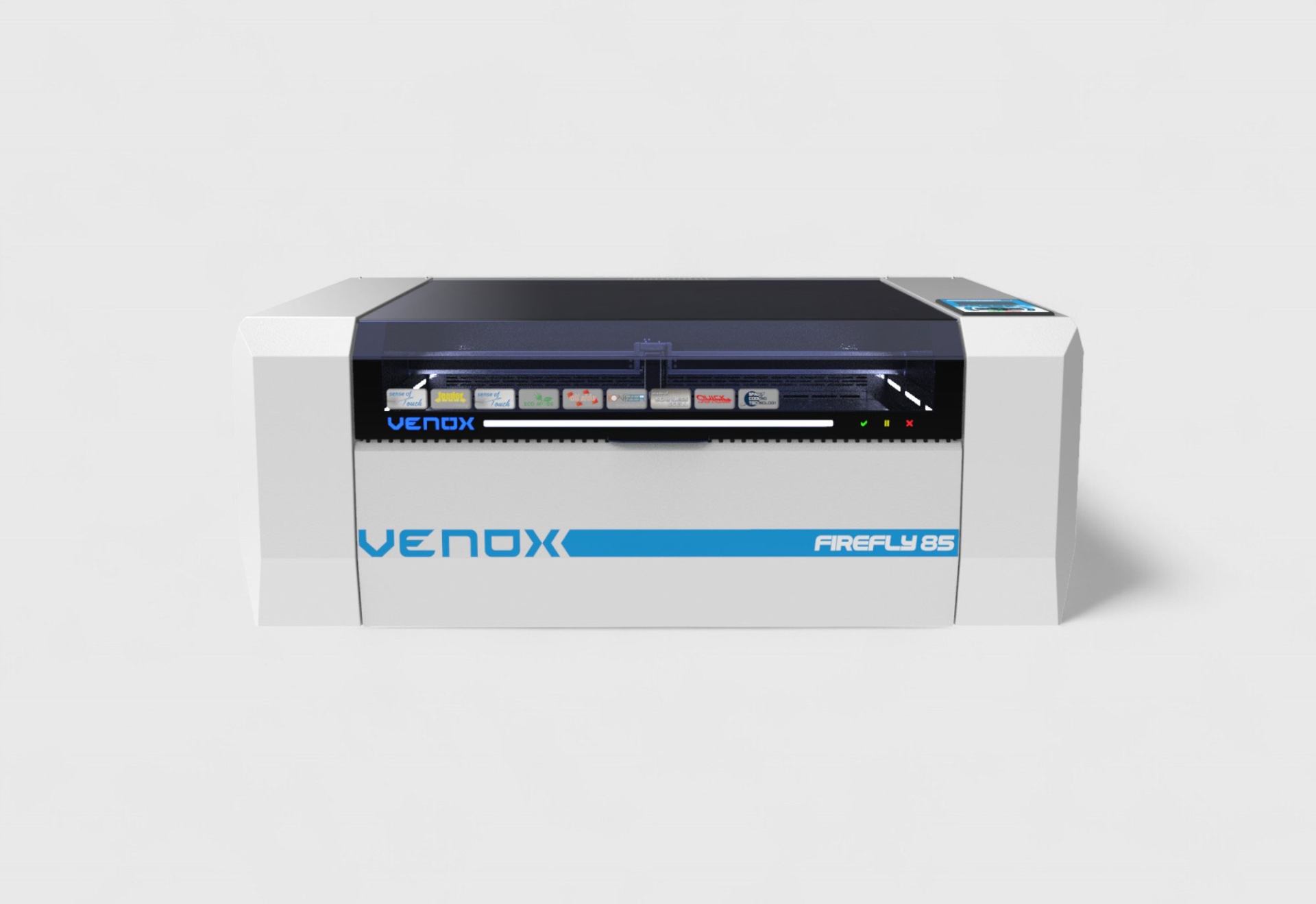
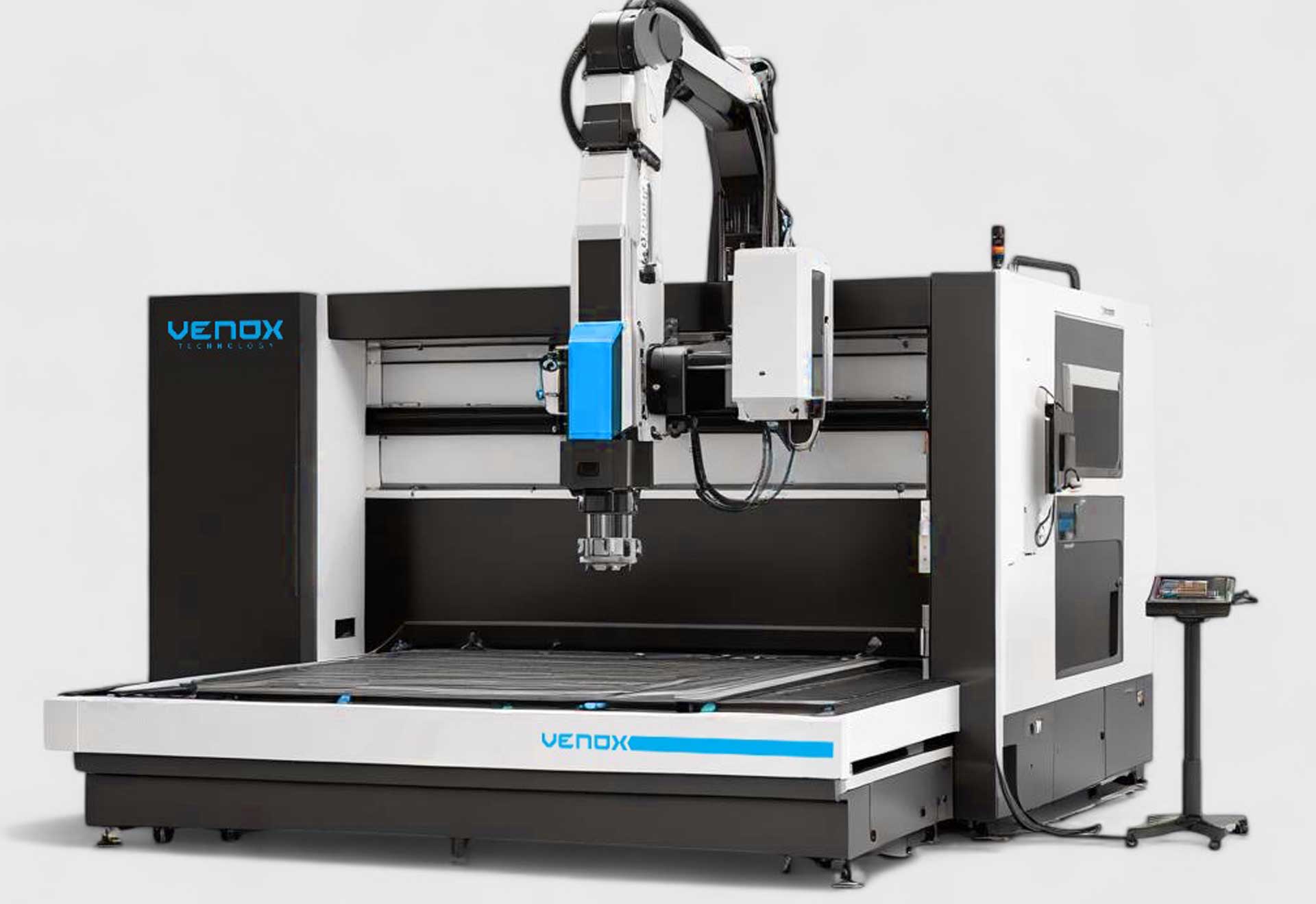
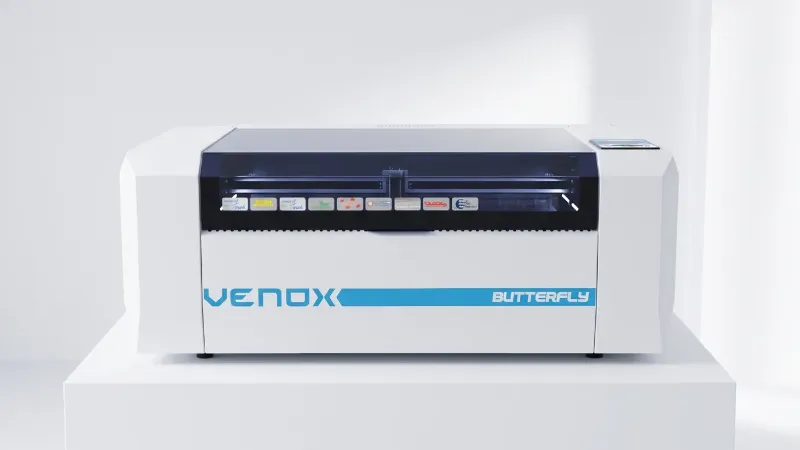
Venox offers Laser Marking Systems designed to meet product identification and permanent coding requirements for different materials. The appropriate laser technology for metal, plastic, and various industrial surfaces can be evaluated based on product characteristics, marking content, and production capacity.
To determine which laser technology is suitable for your product, perform sample testing, or obtain information about system options, you can contact the Venox team through the Contact Us page.
Properly configured laser marking systems can provide permanent and readable markings on a wide range of surfaces, from metals and plastics to glass and organic materials. The best results are achieved by evaluating the material, laser source, and process parameters together.
Frequently Asked Questions
Which materials can laser marking systems be used on?
Depending on the appropriate laser technology, laser marking can be performed on metals, plastics, glass, ceramics, wood, leather, and various industrial surfaces.
Which laser is used for metal marking?
Fiber laser systems are generally preferred for metal surfaces. However, different solutions may be considered depending on the application, alloy composition, and desired marking result.
Can laser marking be performed on plastic?
Yes. Many types of plastics can be laser marked. However, since polymer structure and additives affect the result, sample testing is important.
Can text be laser marked on glass?
With suitable laser technology and the correct parameters, text, logos, or various markings can be created on glass surfaces.
Does Venox help determine the appropriate laser marking system for different materials?
To explore Venox's solutions, you can visit the Laser Marking Systems page or contact the Venox team through the contact page for sample testing and system evaluation for your product.
