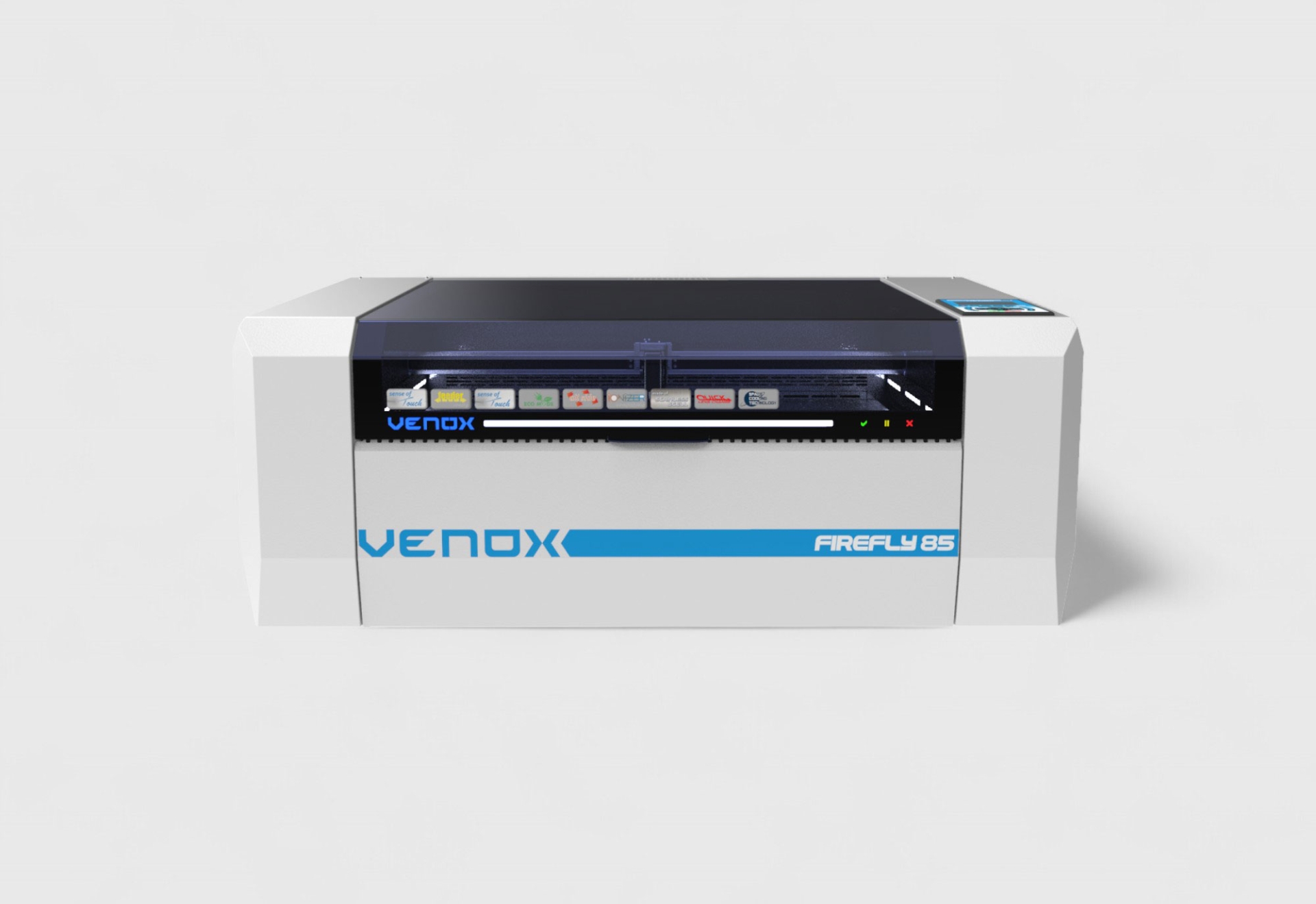
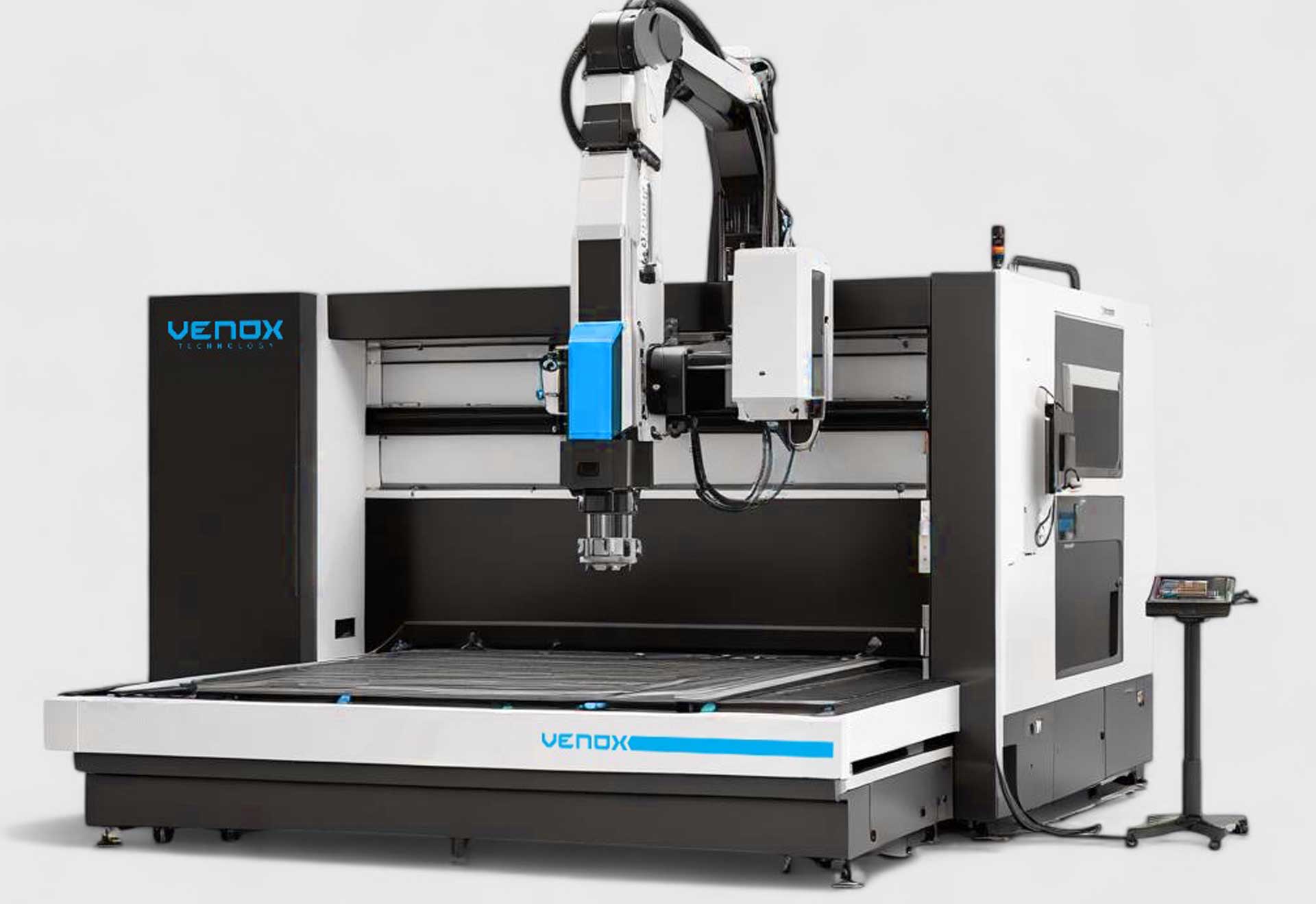

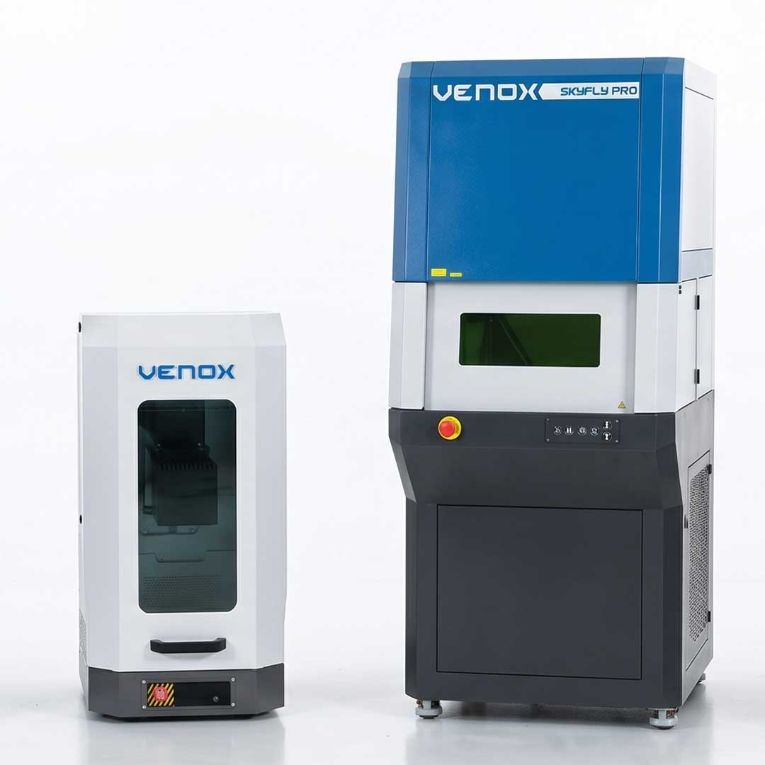
Permanent and Contactless Marking with Laser Marking Machines
Laser marking machines are industrial systems that enable permanent, readable and professional marking on product surfaces without physical contact. These machines are used to apply logos, serial numbers, barcodes, QR codes, DataMatrix codes, production dates and technical information on metal, plastic, glass, ceramic, coated surfaces and various production materials.
Unlike traditional labelling, ink printing or mechanical engraving methods, laser marking applies information directly to the surface. This makes the marking more durable, reduces the need for consumables and creates a cleaner, faster and more sustainable structure in production processes.
What Is Permanent and Contactless Marking?
Permanent marking refers to information applied to a product remaining readable for a long period without fading or deteriorating. Contactless marking means that no physical pressure is applied to the product surface during the marking process.
Laser marking machines provide both advantages simultaneously by focusing a concentrated laser beam onto the surface. The laser beam creates a controlled change on the material surface and permanently applies the desired text, code or symbol.
How Do Laser Marking Machines Operate Without Contact?
During the laser marking process, the marking head does not come into contact with the product surface. The laser beam is directed to the specified point through optical systems and focusing lenses. Computer-controlled software enables the marking area, text, logo or code to be precisely defined.
This structure reduces the risk of mechanical wear, pressure marks or physical deformation on the product. Contactless marking provides a significant advantage, particularly for sensitive parts, thin surfaces, electronic components and medical products.
Why Is Permanent Marking Important?
In industrial production, information on products must remain intact for a long period. Information such as serial numbers, batch codes, barcodes or QR codes is important for production tracking, warranty processes, quality control and after-sales services.
Labels may fall off over time, ink prints may fade or become damaged by external factors. Laser marking, on the other hand, offers a longer-lasting solution because the information is applied directly to the surface. Therefore, laser marking technology provides a powerful alternative for applications requiring permanent marking.
On Which Surfaces Are Laser Marking Machines Used?
Laser marking technology can be applied to many different materials when the correct laser source and suitable parameters are used. Since each material reacts differently to the laser beam, system selection and the test marking process are important.
- Stainless steel
- Aluminium
- Brass and copper
- Titanium
- Coated metal surfaces
- Plastic products
- Glass surfaces
- Ceramic surfaces
- Leather, wood and certain organic materials
Permanent Marking on Metal Surfaces
Metal surfaces are among the most common application areas for laser marking machines. Clear, durable and readable markings can be produced on metals such as stainless steel, aluminium, brass, copper and titanium.
Laser marking on metal parts is frequently preferred in automotive, defence, machinery manufacturing, medical equipment and industrial component production. Traceability processes are strengthened through serial numbers, part codes or QR codes applied to the product.
Contactless Marking on Plastic Products
Laser marking on plastic products can create colour changes, foaming or surface effects depending on the structure of the material. It can be used on plastic injection moulded parts, electronic enclosures, cable labels, packaging components and medical plastic products.
The material type must be carefully analysed to achieve successful marking on plastic surfaces. Not every plastic reacts in the same way to the same laser source. Therefore, performing a test marking before the application is important for achieving the correct result.
Laser Marking on Glass and Sensitive Surfaces
When performing laser marking on glass surfaces, power, speed, frequency and focus settings must be correctly determined. Aesthetic and permanent results can be achieved when controlled marking is performed on sensitive surfaces.
Laser marking can be applied to laboratory glassware, medical glass products, decorative glass parts and industrial glass components. The contactless processing structure provides an important advantage on these types of sensitive surfaces.
Advantages of Contactless Marking in Production
Contactless laser marking can improve both product quality and operational efficiency in production processes. Since no physical pressure is applied to the product, the risk of surface deformation is reduced and the marking process is performed in a more controlled manner.
Reduces the Risk of Part Deformation
Mechanical engraving or printing methods apply physical contact to the product surface. This may cause deformation in certain sensitive products. Laser marking machines reduce this risk because they operate without contacting the surface.
Provides High Precision
Since the laser beam can be focused on a very small area, small text, fine lines, micro codes and detailed logos can be applied with high precision. This feature is particularly important in electronics, medical and technical component production.
Provides a Clean and Controlled Process
Since laser marking does not require ink, solvents or chemicals, it provides a cleaner production environment. At the same time, standardised quality can be achieved because the marking process is digitally controlled.
Benefits of Permanent Marking for Businesses
Permanent marking helps businesses make their products more reliable, traceable and professional. Preserving information on the product for a long period is important for quality management and customer confidence.
- Strengthens product identification processes.
- Facilitates serial number and batch tracking.
- Provides digital traceability through QR code and barcode applications.
- Offers a supporting solution against the risk of counterfeit products.
- Makes warranty and service processes more organised.
- Creates a professional and permanent appearance on the product.
What Information Can Be Applied with Laser Marking?
Laser marking machines can apply a wide range of information required by different industries to product surfaces. This information can be used for both technical and commercial purposes.
- Company logo
- Product name and model code
- Serial number
- Batch and lot number
- Production date
- Expiry date
- Barcode
- QR code
- DataMatrix code
- Warning symbols
- Technical markings
Contactless Laser Marking in Mass Production
Marking processes on mass production lines must be fast, standardised and error-free. Laser marking machines provide significant advantages in mass production processes because they can operate in integration with automation systems.
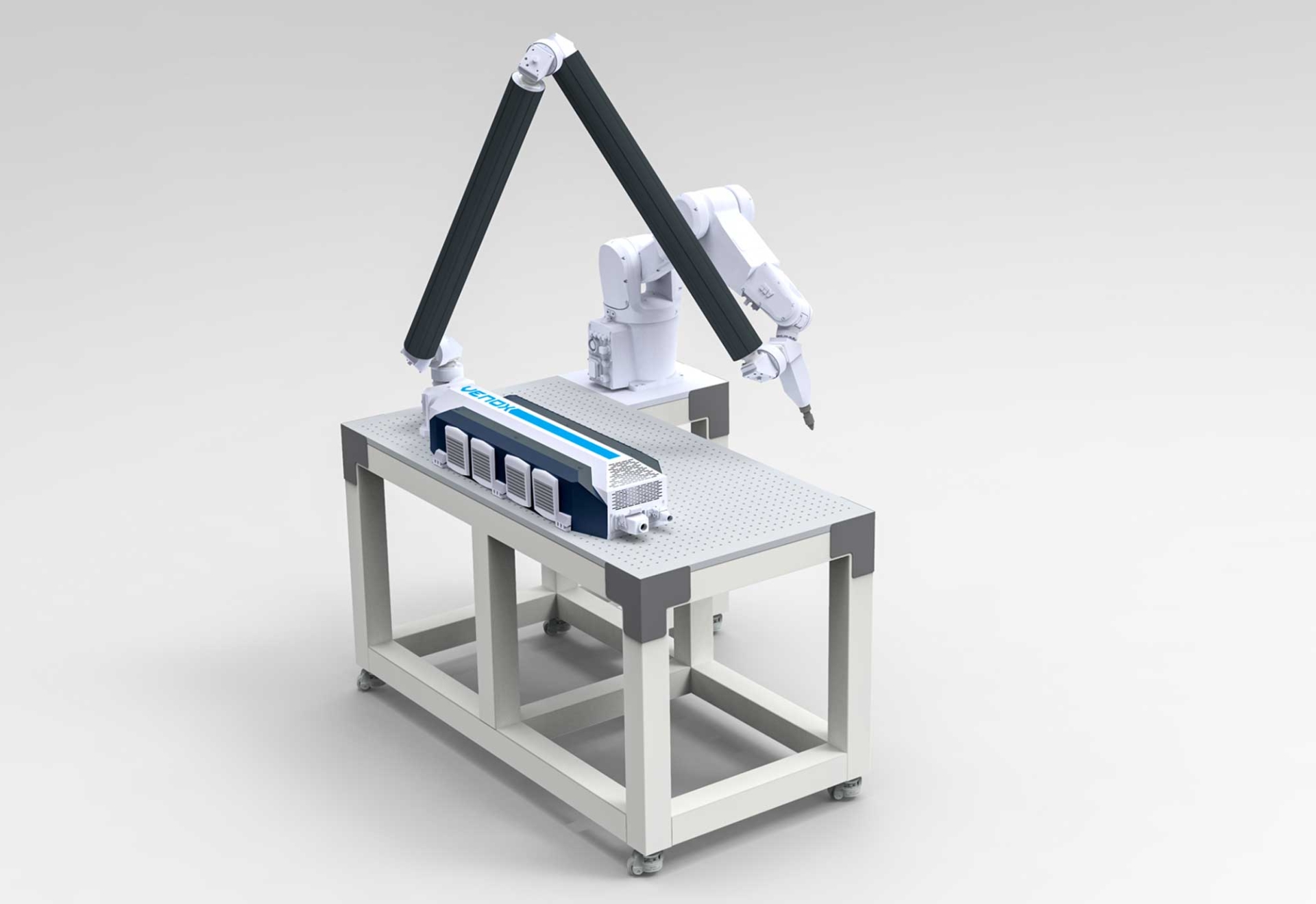
Laser marking systems operating together with conveyor systems, robotic arms, camera systems and barcode readers can automatically perform marking while the product moves along the line. This reduces the need for manual operations and creates a more organised production flow.
Permanent Laser Marking for Traceability
Traceability is one of the fundamental components of quality control in modern production. Serial numbers, barcodes, QR codes or DataMatrix codes applied to the product enable its production history to be tracked.
Laser marking machines support tracking processes by applying this information directly and permanently to product surfaces. This is particularly important in industries such as automotive, medical, electronics, defence and machinery manufacturing.
What Should Be Considered When Selecting a Laser Marking Machine?
When selecting a laser marking machine for permanent and contactless marking, the requirements of the application must be correctly analysed. Each business may have different material types, production speeds and marking expectations.
- The type of material to be marked should be determined.
- The size of the code or visual to be applied should be analysed.
- The production line speed should be considered.
- QR code and barcode readability should be tested.
- The need for automation integration should be evaluated.
- The after-sales technical support process should be taken into consideration.
Permanent Solutions with Venox Laser Marking Machines
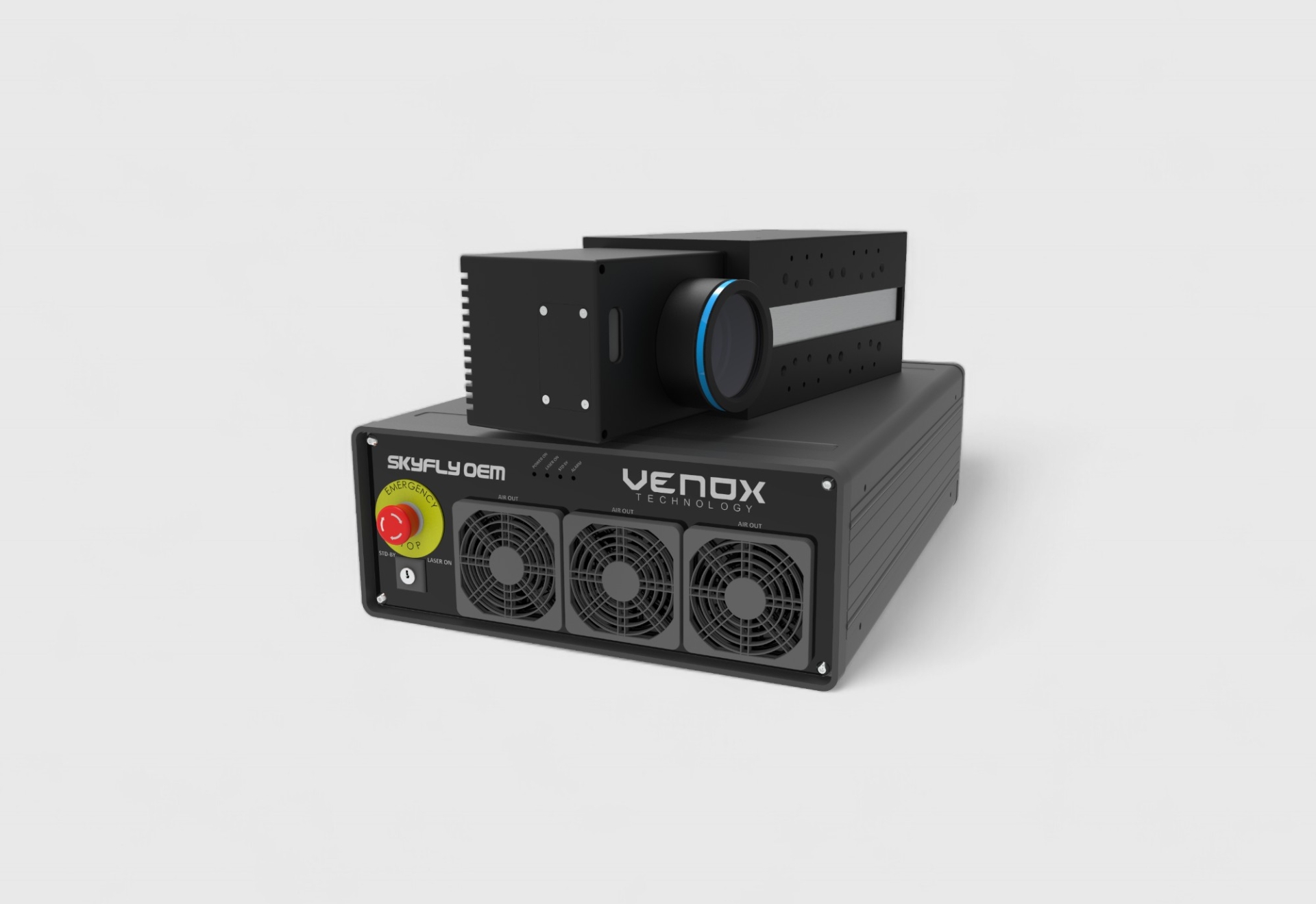
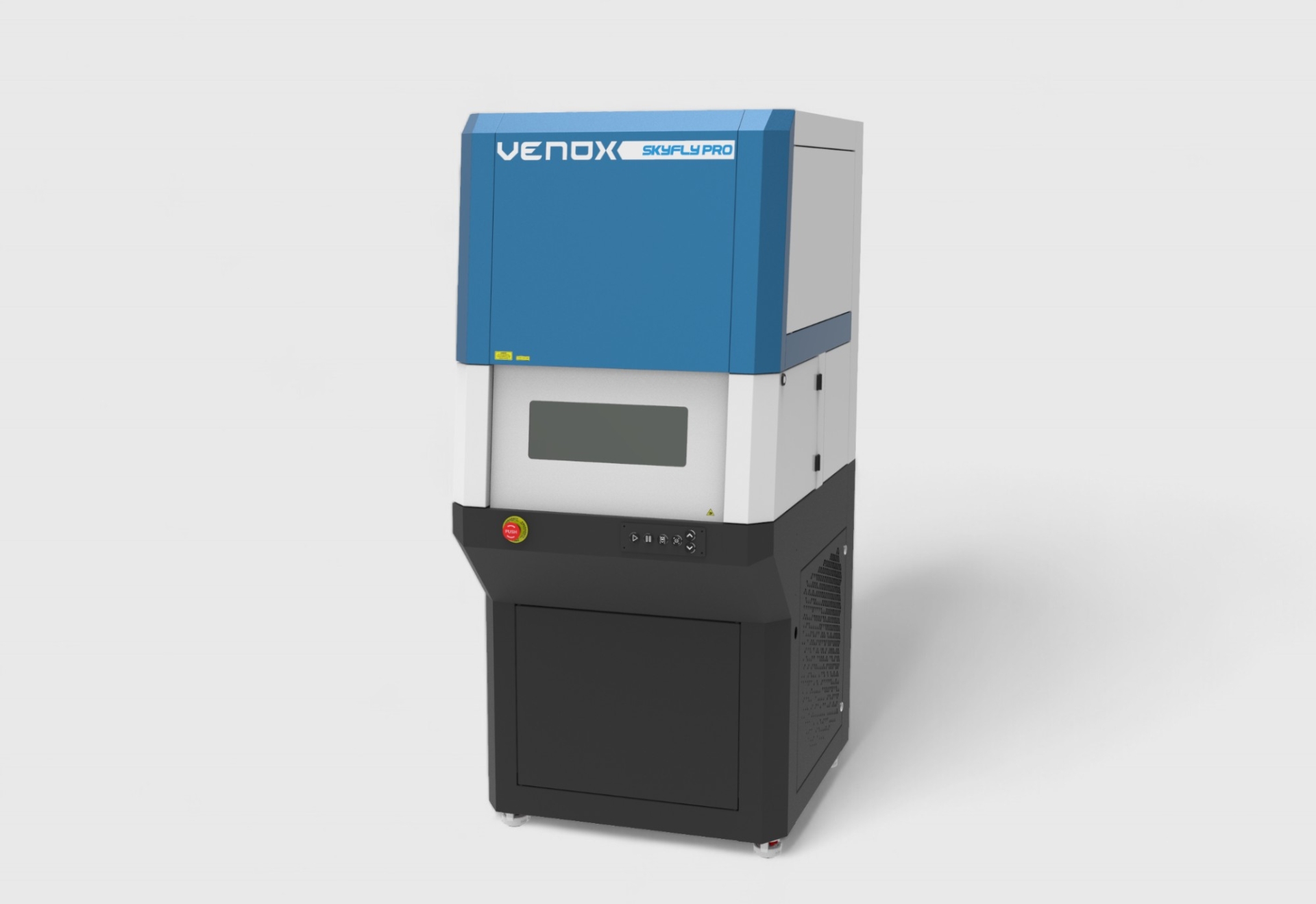
Venox offers industrial solutions for the permanent and contactless marking requirements of different industries with its Laser Marking Machines. The appropriate laser marking system can be evaluated according to the structure of your production line, the type of material to be marked and your capacity expectations.
You can benefit from Venox laser technologies to achieve permanent coding, professional marking and strong traceability for your products. For detailed information, product analysis or quotation requests, you can contact the Venox team through the Contact Us page.
Conclusion: Powerful Technology for Permanent and Contactless Marking
Laser marking machines are powerful industrial systems that enable permanent and readable marking on product surfaces without contact. Thanks to their contactless processing structure, sensitive parts can be marked safely, while permanent marking helps preserve product identity for a long period.
Thanks to its consumable-free structure, compatibility with automation lines and ability to be used on different materials, laser marking technology is an efficient and sustainable solution for modern production processes.
Frequently Asked Questions
Do laser marking machines operate without contact?
Yes. Laser marking machines operate by focusing the laser beam onto the surface and do not make physical contact with the product surface during marking.
Is laser marking permanent?
Yes. Since laser marking applies information directly to the product surface, it provides a long-lasting and durable marking method.
For which products does contactless marking provide advantages?
Contactless marking provides significant advantages for sensitive metal parts, electronic components, medical products, plastic parts, glass surfaces and thin materials.
Can laser marking machines apply QR codes and barcodes?
Yes. Laser marking machines can apply QR codes, barcodes, DataMatrix codes, serial numbers, production dates, logos and technical information to product surfaces.
How can I get information about Venox laser marking machines?
For information about Venox’s laser marking solutions, you can visit the Laser Marking Machines page or contact the Venox team through the contact page.
