

Precision in Metalworking with Industrial Laser Cutting
Industrial laser cutting is one of the modern manufacturing technologies that provides high precision, tight tolerances, and repeatable production quality in metalworking processes. The ability to cut complex geometries in stainless steel, carbon steel, aluminum, and various metal alloys in a controlled manner makes laser cutting an important solution for precision manufacturing.
Manufacturing metal components in accordance with technical drawings is critical to ensuring that assembly, welding, bending, and subsequent processing operations proceed correctly. Industrial laser cutting helps produce component geometries with high accuracy through its CNC-controlled motion system and focused laser beam.
How Does Industrial Laser Cutting Ensure Precision in Metalworking?
Narrow Cutting Kerf with a Focused Laser Beam
In laser cutting systems, the beam is focused onto a very small area. This allows the cutting kerf to be narrower compared to mechanical cutting methods. A narrow kerf width offers significant advantages, particularly when processing closely spaced details and small geometries.
Small holes, narrow slots, sharp turns, and complex outer contours can be produced precisely with appropriate laser parameters. This feature also helps optimize material utilization.
CNC-Controlled Motion System
Industrial laser cutting systems operate under CNC control. The cutting head moves across the material by following the coordinates defined in the digital technical drawing. This reduces dimensional variations that may result from manual guidance.
Dimensional and geometric changes made to the technical drawing can be transferred to the cutting program and implemented quickly. This approach provides high manufacturing flexibility in both prototyping and mass production.
CNC control also helps ensure that the same component can be reproduced with consistent dimensions across different production batches.
Why Is Repeatability Important in Mass Production?
Precision does not simply mean cutting a single component correctly. In mass production, hundreds or thousands of components must be manufactured with consistent dimensions. The digitally controlled structure of laser cutting systems supports this repeatability.
Even minor dimensional variations in components used on assembly lines can cause problems in subsequent operations. Consistent cutting quality contributes to smoother bending, welding, and assembly processes.
How Does Cut Edge Quality Affect Manufacturing?
In metalworking processes, not only dimensional accuracy but also the quality of the cut edge is important. More controlled cut surfaces can be achieved through the proper selection of laser power, focus settings, cutting speed, and assist gas.
Cleaner cut edges can reduce the need for subsequent deburring or additional surface finishing in certain applications. This may contribute to shorter production times and reduced additional labor requirements.
Since cutting quality varies depending on material type and thickness, process parameters must be optimized for each application.
Control of the Heat-Affected Zone
Since laser cutting is a thermal process, a heat-affected zone may form around the cutting path. In precision manufacturing, it is important to keep this zone as controlled as possible.
Heat input can be managed through an appropriate combination of cutting speed, laser power, focal position, and assist gas. Particularly with thin sheet metals, excessive heat can cause deformation or deterioration of edge quality, making careful process adjustment essential.
A properly configured system helps limit thermal effects while maintaining high cutting speeds.
Precision Cutting of Complex Geometries
Traditional manufacturing methods may require specialized molds or tools for components with complex geometries. In laser cutting, however, the geometry is defined through a digital file, allowing different shapes to be produced using the same system.
Internal and external contours, small holes, slots, decorative geometries, and various technical details can be created within the same cutting program. This flexibility enables a wide range of applications, from prototype manufacturing to high-volume mass production.
The ability to switch to new geometries through software is particularly advantageous for companies where product designs change frequently.
Precision Across Different Metals
Industrial laser cutting can be used on many types of metals. However, each metal responds differently to laser energy due to variations in its thermal properties and surface characteristics.
- Stainless steel
- Carbon steel
- Aluminum
- Galvanized sheet metal
- Brass
- Copper
- Various suitable metal alloys
As material type and thickness vary, laser power, cutting speed, focal position, and gas selection must be reassessed. Therefore, precision targets should be considered together with material properties.
In Which Industries Is Precision Laser Cutting Important?
Laser cutting can be preferred in many industries where metal components require tight tolerances and consistent geometries.
- Machinery and equipment manufacturing
- Automotive and automotive supply industry
- Defense industry
- Electrical panel manufacturing
- Electronic equipment housings
- Home appliance manufacturing
- Industrial kitchen equipment
- Ventilation and air conditioning systems
- Metal furniture manufacturing
- Custom technical component manufacturing
Since precision requirements may differ across industries, system capacity and process parameters should be determined according to actual manufacturing needs.
What Should Be Considered When Selecting a System for Precision Manufacturing?
When precision in metalworking is the objective, a laser cutting system should not be selected solely based on its maximum power rating. The machine's mechanical structure, control system, cutting head, software, and production scenario should be evaluated together.
- The types of metals to be cut should be determined.
- The maximum and minimum material thicknesses should be analyzed.
- The required tolerance level should be defined.
- The smallest detail and hole dimensions should be determined.
- The expected cut edge quality should be evaluated.
- Daily production capacity should be calculated.
- Nesting and cutting software capabilities should be examined.
- Automation requirements should be evaluated.
- Technical service and after-sales support should be considered.
Trial cuts performed using actual component geometries are important for assessing whether the system meets the required precision and cutting quality expectations.
Precision Metal Laser Cutting Solutions with Venox
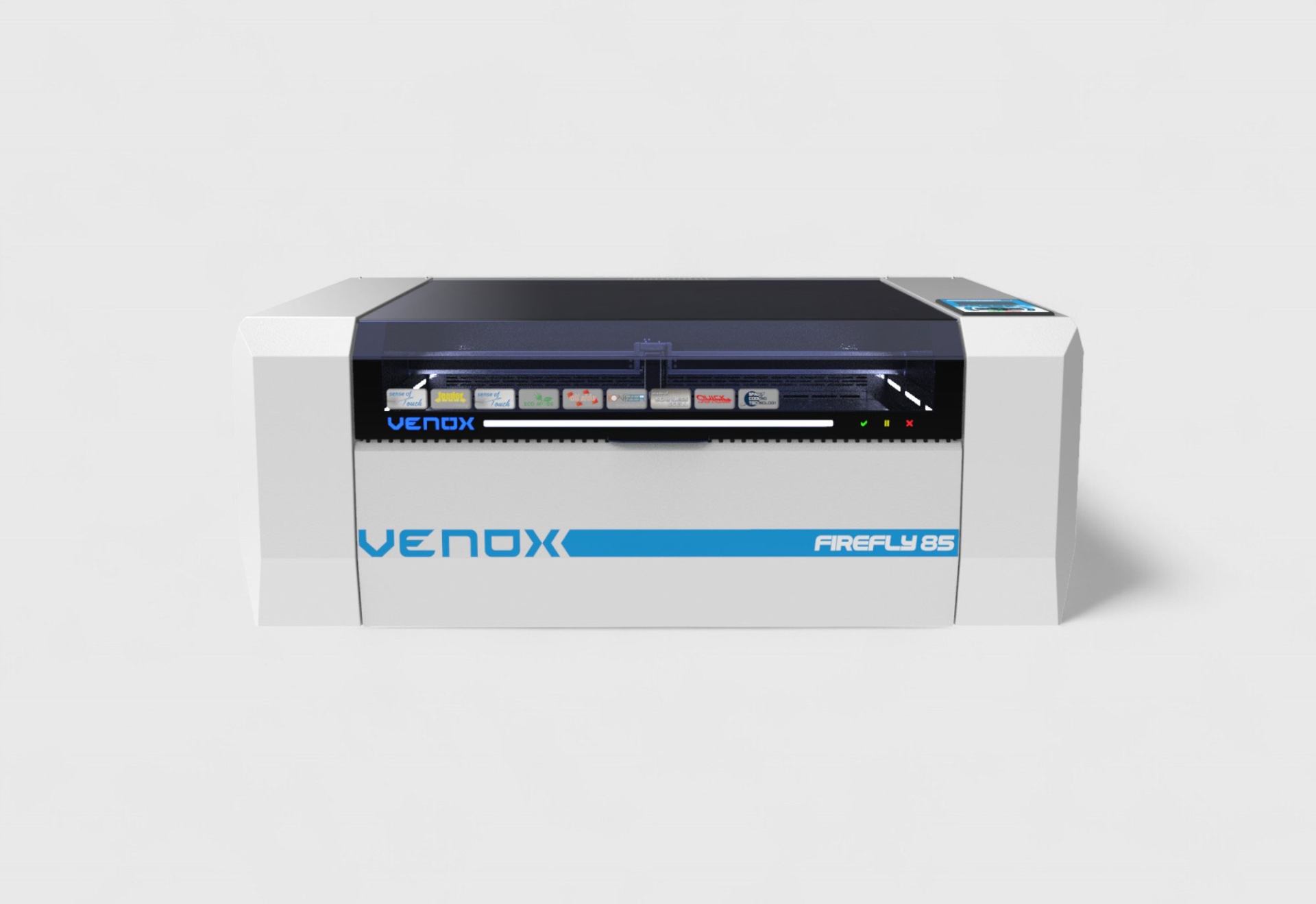
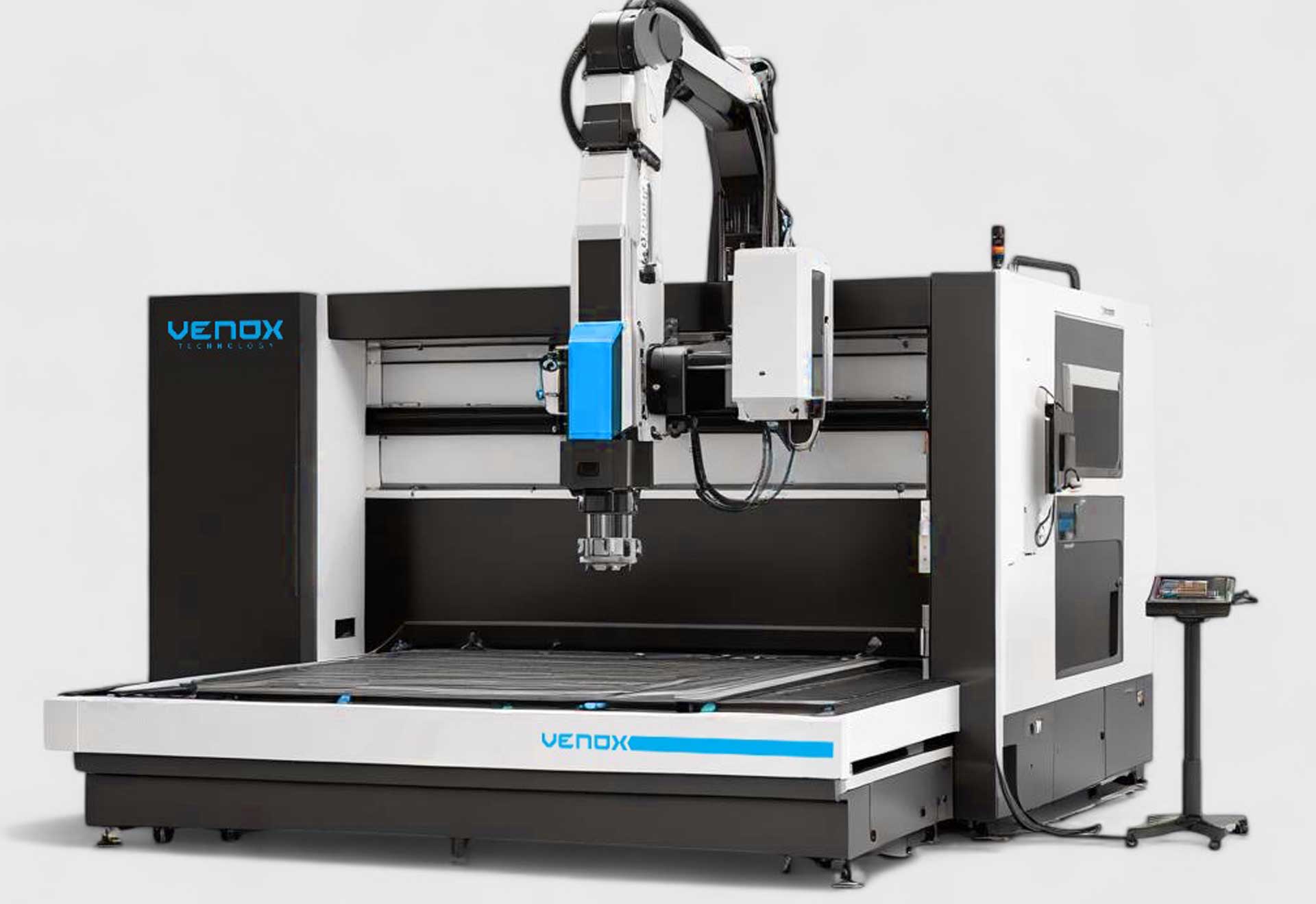
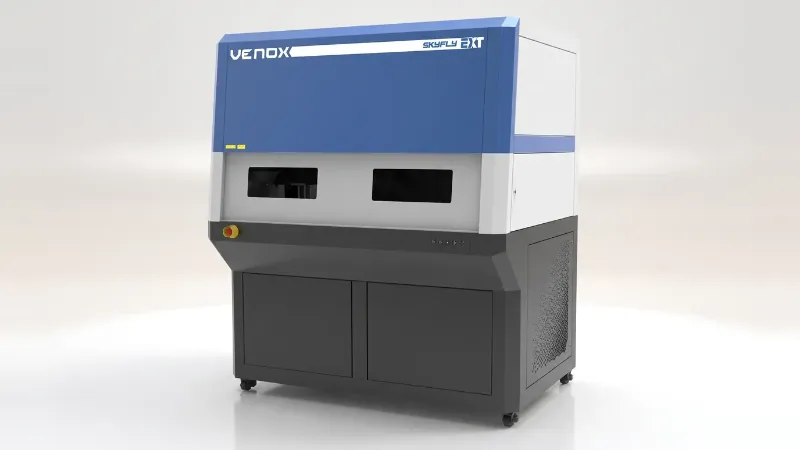
Venox offers Laser Cutting Systems designed for different metalworking requirements. A suitable system can be determined by jointly evaluating the type of metal to be cut, material thickness, working area, target precision, and production capacity.
You can evaluate system options with the Venox team for your manufacturing processes requiring precision sheet metal cutting, complex component geometries, or high repeatability. To provide information about your production requirements or request a quotation, you can contact us through the Contact Us page.
A properly configured industrial laser cutting system combines precision, repeatability, and manufacturing flexibility within the same metalworking process. This enables the production of components that more closely conform to technical drawings and supports better-controlled subsequent manufacturing operations.
Frequently Asked Questions
How precise is laser cutting in metalworking?
The achievable precision depends on the system used, material type, thickness, component geometry, and process settings. CNC control and a focused laser beam enable high-precision manufacturing.
Can laser cutting process complex metal components?
Yes. Internal and external contours, small holes, slots, and complex geometries can be manufactured using laser cutting systems based on digital drawings.
Does laser cutting produce high-quality cut edges?
With appropriate power, speed, focus, and assist gas settings, controlled and clean cut edges can be achieved. The results vary depending on the material type and thickness.
Can laser cutting maintain consistent dimensions in mass production?
Thanks to CNC-controlled operation, the same cutting program can be reused to achieve high repeatability. This feature offers significant advantages in mass production.
Does Venox offer laser systems for precision metal cutting?
To explore Venox precision metalworking solutions, visit the Laser Cutting Systems page or contact the Venox team through the contact page to evaluate a suitable system for your manufacturing requirements.
