
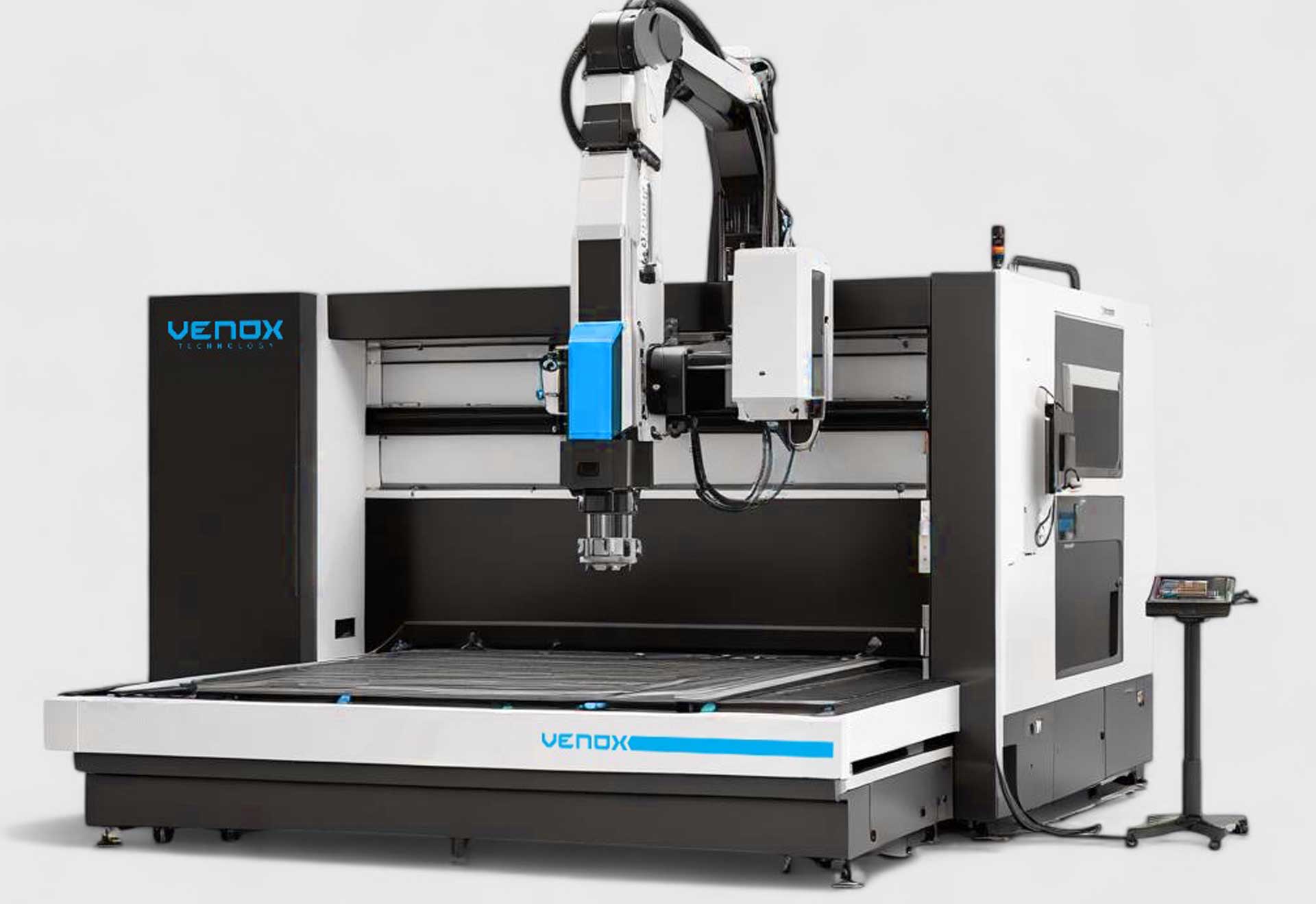

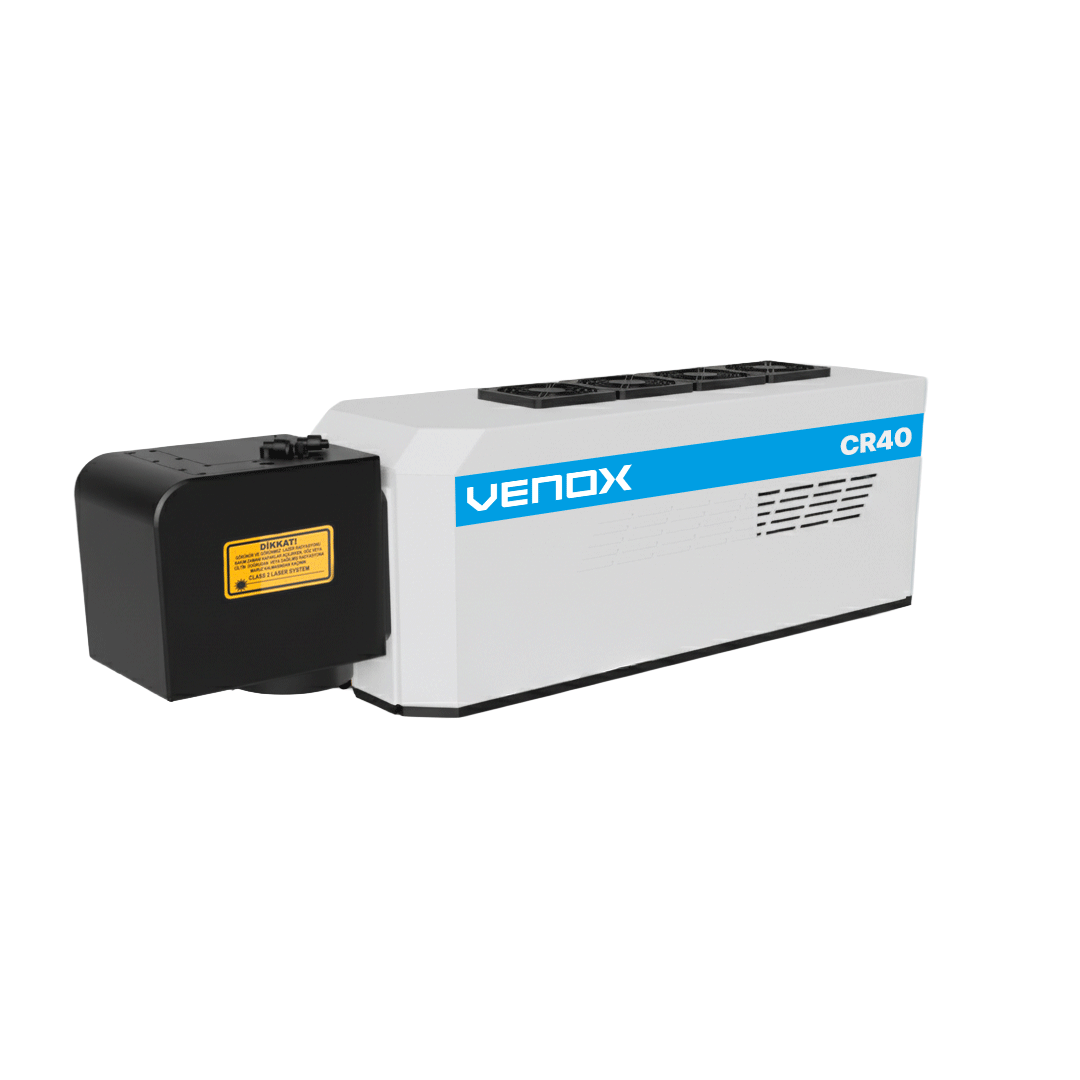
Product Tracking and Traceability with a Laser Marking Machine
A laser marking machine is an industrial solution that provides businesses with permanent, readable, and reliable coding capabilities for product tracking and traceability processes. Serial numbers, barcodes, QR codes, DataMatrix codes, production dates, batch numbers, lot information, model codes, and technical information can be applied directly onto products using laser technology.
In modern manufacturing processes, it is highly important to know where, when, on which production line, within which batch, and through which quality control process each product was manufactured. Therefore, a laser marking machine is not merely a system that applies information onto a product; it is also a strategic traceability tool that connects production, quality control, warehousing, shipment, and after-sales processes.
Product Tracking Process with a Laser Marking Machine
What Are Product Tracking and Traceability?
Product tracking is the recording of all processes a product goes through from production to the end user. Traceability enables these records to be reviewed retrospectively when necessary. Information such as when the product was manufactured, which raw material or component group it is associated with, which quality control stages it passed through, and which customer it was shipped to can be tracked throughout this process.
In industrial manufacturing, traceability is critical for quality management, inventory control, warranty processes, service operations, and potential product recall procedures. Having a permanent and readable code on the product makes it easier to match this information with the correct product.
How Does a Laser Marking Machine Contribute to This Process?
A laser marking machine forms the physical foundation of the traceability chain by applying permanent codes directly onto the product surface. Label- or ink-based printing methods may involve risks such as fading, peeling, wear, or loss of readability over time. Since laser marking applies the information directly onto the surface, it provides a more durable solution.
The codes applied to the product can be linked with production tracking software, warehouse management systems, quality control infrastructures, or ERP systems. This enables the product to be tracked not only physically but also within digital systems.
Unique Product Identity with Serial Numbers
A serial number is one of the most fundamental pieces of information used for product tracking and traceability. Products manufactured in the same model or within the same batch may look identical externally. However, when a unique serial number is applied to each product, the product gains an individual identity.
With a laser marking machine, serial numbers can be permanently applied to the product surface. These numbers can be defined manually or generated automatically as incrementing serial numbers through the software. This makes it possible to track each individual product separately in mass production.
Digital Tracking with QR Codes, Barcodes, and DataMatrix Codes
QR codes, barcodes, and DataMatrix codes are widely used in product tracking processes. These codes provide fast access to digital information related to the product. When the code on the product is scanned, information such as production records, quality control results, batch information, warranty status, or technical documentation can be accessed.
DataMatrix codes are especially preferred in industries such as automotive, medical, electronics, defense, and machinery manufacturing because they can store a high amount of data in small areas. QR codes, on the other hand, can be used for product verification, access to technical information, and digital redirection for customers.
Traceability from Production to Shipment
The code applied to the product by laser can be scanned at different points from the early stages of the production line through to shipment. This makes it possible to record which stations the product passed through, which operations were performed, and which quality control stages were completed.
Product codes also provide significant advantages in warehouse and shipment processes. Matching products with the correct orders, tracking inventory movements, and ensuring that the correct product is shipped to the customer become more controlled. This structure helps reduce operational errors, particularly for companies working with a large variety of products.
Quality Control and Retrospective Analysis
One of the most important benefits of traceability systems is that they strengthen quality control processes. When a defect is detected in a product, its production history can be accessed through the serial number or DataMatrix code applied to the product. The batch, shift, machine, or process associated with the defect can be analyzed more quickly.
This makes it possible not only to identify the defective product but also to determine other products that may carry similar risks. As a result, businesses can take more controlled actions and manage their quality management processes more efficiently.
In Which Industries Is It Used?
Product tracking and traceability with a laser marking machine can be used in many industries. Laser technology provides a strong and reliable solution for manufacturing environments where permanent coding is required.
- Automotive and spare parts manufacturing
- Machinery manufacturing
- Metalworking industry
- Medical device and surgical equipment manufacturing
- Electronic component manufacturing
- Defense industry
- Plastic injection molding
- Packaging applications
- White goods and home appliance manufacturing
- Jewelry, accessories, and promotional products
Technical Criteria for Proper Marking
The marking used for product tracking and traceability must be of high quality. Simply having a code on the product is not sufficient; the code must also be read reliably on the production line, at quality control points, in the warehouse, and during service processes.
- The type of material to be marked must be analyzed correctly.
- The laser source must be selected according to the material.
- The code size and marking area must be determined correctly.
- The readability of QR codes, barcodes, and DataMatrix codes must be tested.
- The marking contrast must comply with quality control standards.
- Production speed and marking time per part must be calculated.
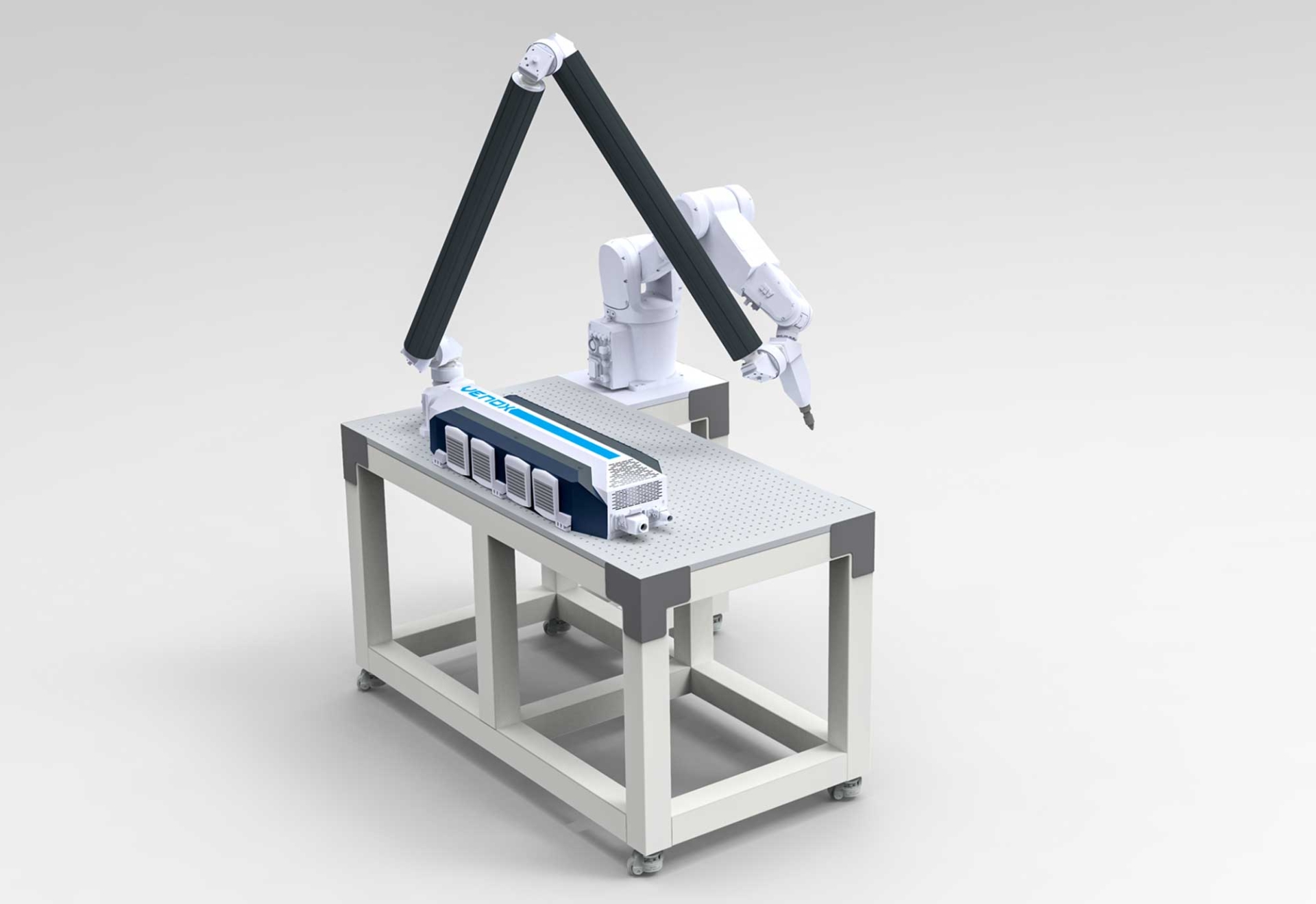
- Automation and data integration requirements must be evaluated.
Traceability Solutions with Venox Laser Marking Machines
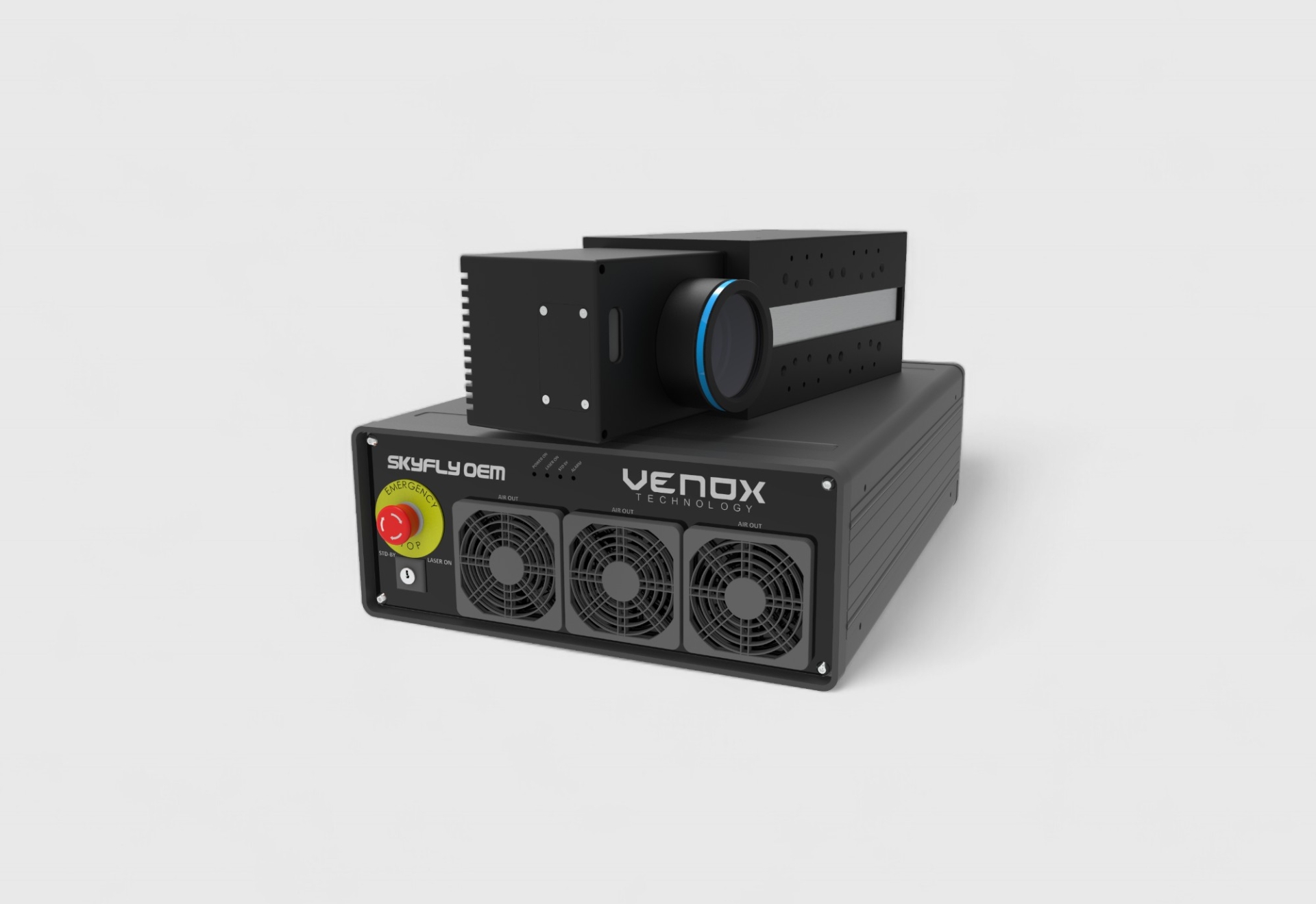
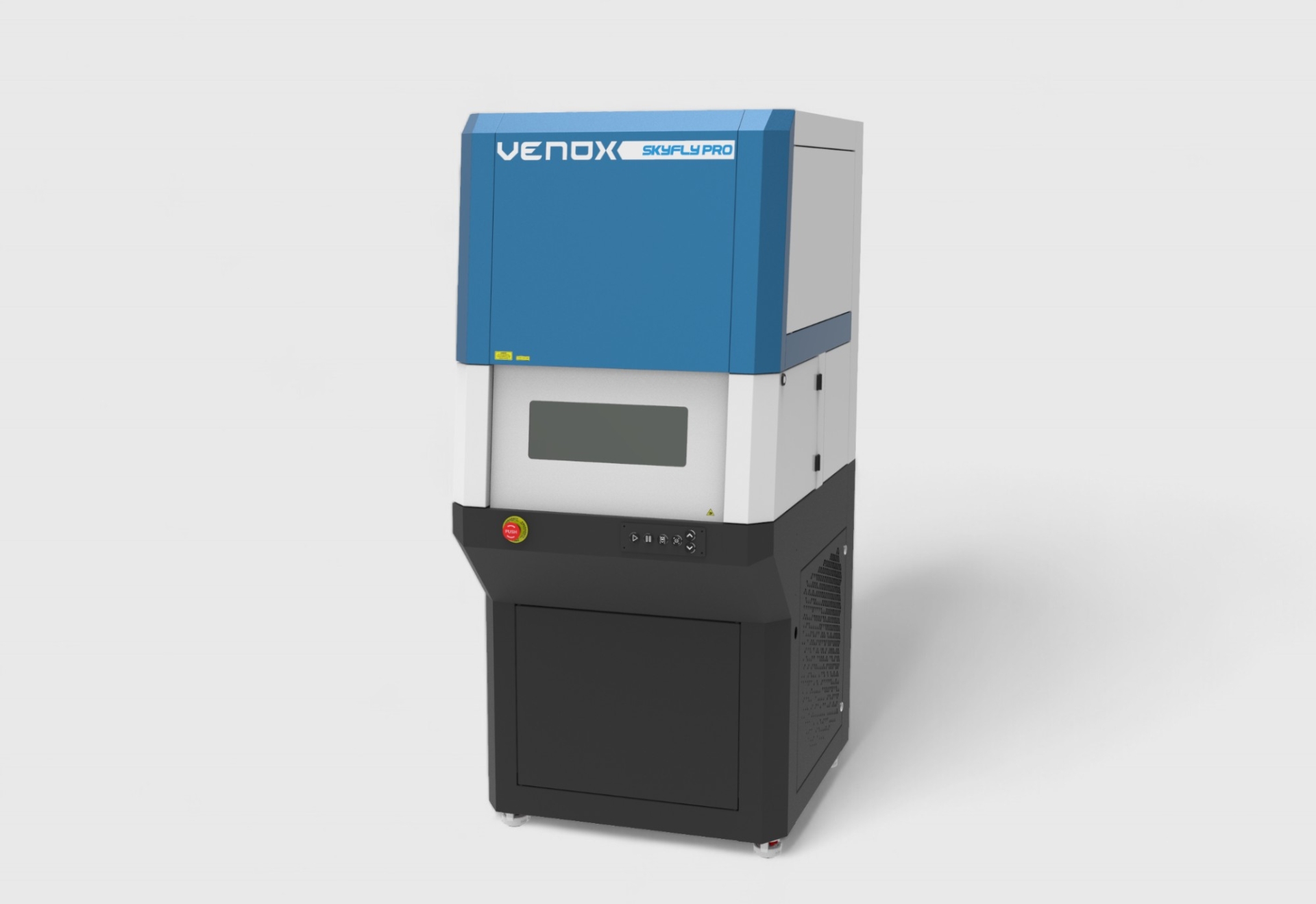
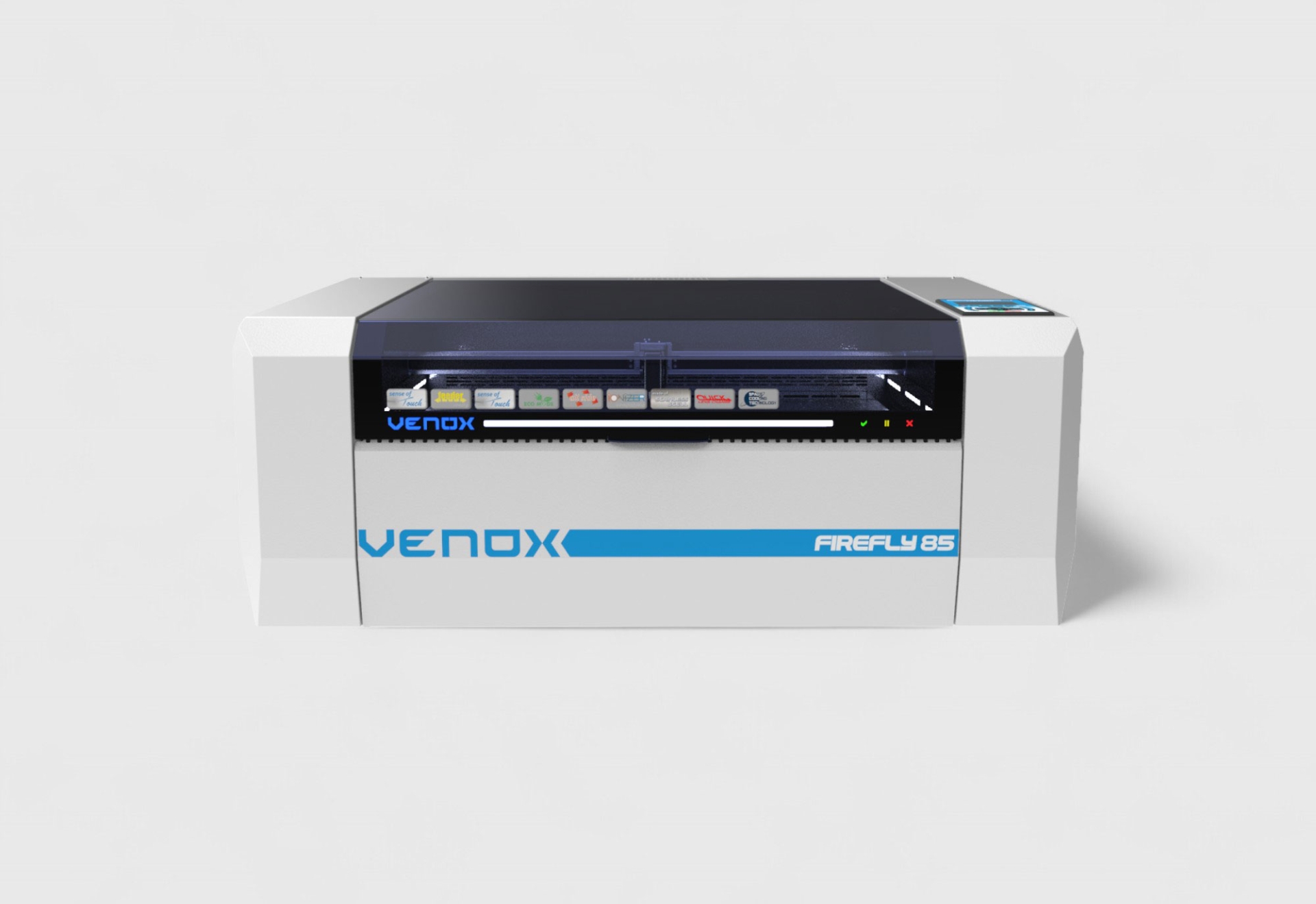
Venox offers Laser Marking Machine solutions for product tracking and traceability requirements. Suitable system options can be determined by evaluating the material of the product to be marked, production capacity, coding requirements, readability expectations, and automation structure together.
You can use Venox laser technologies to strengthen your traceability processes by applying serial numbers, QR codes, barcodes, DataMatrix codes, production dates, or batch information to your products. To obtain detailed information, have your products analyzed, or request a quotation, you can contact the Venox team through the Contact Us page.
General Evaluation
A laser marking machine is an important technology that provides permanent, readable, and reliable coding for product tracking and traceability processes. Thanks to serial numbers, QR codes, barcodes, or DataMatrix codes applied directly onto products, all processes from production to shipment can be managed in a more controlled manner.
When the correct laser marking system is selected, quality control, inventory management, warranty tracking, service processes, and retrospective analyses can be managed more effectively. For this reason, a laser marking machine is one of the important components of traceability infrastructure in modern manufacturing.
Frequently Asked Questions
How is a laser marking machine used for product tracking?
A laser marking machine enables products to be tracked from production through shipment by applying serial numbers, barcodes, QR codes, or DataMatrix codes directly onto the product.
Which codes can be used for product traceability?
Serial numbers, barcodes, QR codes, DataMatrix codes, batch numbers, lot information, and production dates can be used for product traceability.
Can laser-marked QR codes and DataMatrix codes be read?
Yes. QR codes and DataMatrix codes marked with the correct parameters can be read by compatible readers. Testing with actual readers before the application is recommended.
In which industries does laser marking provide traceability?
Laser marking can provide traceability in industries such as automotive, medical, electronics, defense, machinery manufacturing, plastic injection molding, packaging, and metalworking.
Does Venox offer laser marking solutions for product tracking?
To learn more about Venox’s laser marking solutions focused on product tracking and traceability, you can visit the Laser Marking Machine page or contact the Venox team through the contact page.
