

QR Code and Barcode Marking with Laser Marking Systems
Laser marking systems enable products to be permanently identified using machine-readable codes such as QR codes, barcodes, and DataMatrix codes. Marking codes directly onto product surfaces helps reduce risks associated with label usage, ink consumption, and markings fading over time.
Encoded product identification is particularly important in mass production, product tracking, quality control, warehouse management, and after-sales processes. QR code and barcode marking establishes a connection between physical products and digital data, becoming an important part of traceability infrastructure.
How Are QR Codes and Barcodes Marked Using Laser Technology?
What Is QR Code Marking?
A QR code is a type of two-dimensional code that can store links, product numbers, or various types of data within a small area. A laser marking system can create the individual cells of a QR code on a product surface with high precision.
QR codes can be used to direct users to product information pages, digital technical documents, user manuals, or relevant records within a company's own data system.
To ensure reliable code readability, the marking area, cell size, surface contrast, and material characteristics of the product must be evaluated together.
How Does Barcode Marking Work?
Barcodes have an encoding structure consisting of lines and spaces of specific widths. Product numbers, stock codes, or other identifying information can be laser-marked directly onto products in barcode format.
When a laser-marked barcode is scanned by a suitable reader, the corresponding product record can be accessed. This reduces the need for manual data entry in warehousing, production, and shipping processes.
When marking barcodes, it is important that line widths, contrast, and code size are compatible with the reader system being used.
Industrial Applications of DataMatrix Codes
DataMatrix is one of the two-dimensional code types frequently used in industrial manufacturing because it can store a large amount of data within a small area. It provides particular advantages for small metal or plastic components where marking space is limited.
In the automotive, electronics, medical, defense, and precision component manufacturing industries, DataMatrix codes can be used as unique product identifiers.
Marking resolution and contrast are critically important to ensure reliable readability of codes at small sizes.
Variable Data Can Be Marked Automatically
One of the significant advantages of laser marking systems is their ability to mark different data on each product. Each component passing through a production line can be assigned a different serial number or different code content.
- Serial number
- Product code
- Batch or lot number
- Production date
- Shift information
- Customer or order number
- QR code content
- DataMatrix data
Data can be automatically incremented by the marking software or retrieved from ERP, MES, and various databases. This helps reduce errors that may result from manual data entry.
Permanent Coding Strengthens Traceability
Label-based, printed, or ink-based coding methods may lose readability over time due to environmental conditions. Since laser marking creates the code directly on the product surface, it can provide a more permanent solution on suitable materials.
Maintaining the readability of a product's serial number or QR code throughout its lifecycle is important for accessing service, warranty, and quality control records.
Therefore, laser code marking offers significant advantages in industries that require long-term product tracking.
Which Factors Affect Code Readability?
Simply having a QR code or barcode visible on the surface is not sufficient. The code must be reliably readable by a camera or code reader.
The main factors affecting readability include:
- Marking contrast
- Code size
- QR or DataMatrix cell size
- Barcode line width
- Material surface reflectivity
- Surface roughness
- Laser focus settings
- Marking speed and power parameters
- Reader operating distance
Performing marking and reader tests on the actual product before production helps determine the most suitable parameters.
Automatic Code Inspection with Camera Systems
In industrial production lines, codes can be inspected automatically after the marking process is completed. Camera or code reader systems can read QR codes, barcodes, or DataMatrix codes and compare the information with the expected data.
If a code cannot be read or contains incorrect data, the product can be automatically rejected, or the system can alert the operator.
This inspection step helps prevent incorrectly marked products from proceeding to warehousing or shipping processes.
Code Marking with ERP and MES Systems
When a laser marking system is integrated with ERP or MES infrastructure, the data to be marked can be retrieved from the central production system. This enables more controlled matching of the correct product with the correct information.
When a production order is created, the system can transfer the relevant product code, serial number, or lot information to the marking software. Once marking is completed, the process result can be recorded back into the production system.
This structure provides significant advantages for digital traceability and automated production management.
Which Industries Use QR Code and Barcode Marking?
Laser marking of QR codes, barcodes, and DataMatrix codes can be applied in many industries where product tracking is required.
- Automotive and automotive suppliers
- Machinery and equipment manufacturing
- Electronic component manufacturing
- Medical device manufacturing
- Defense industry
- Metalworking industry
- Plastic injection molding
- Home appliance industry
- Warehousing and logistics processes
- Technical service and warranty tracking
The type of code to be used should be determined according to the product surface and the structure of the tracking system.
QR Code and Barcode Marking Solutions with Venox
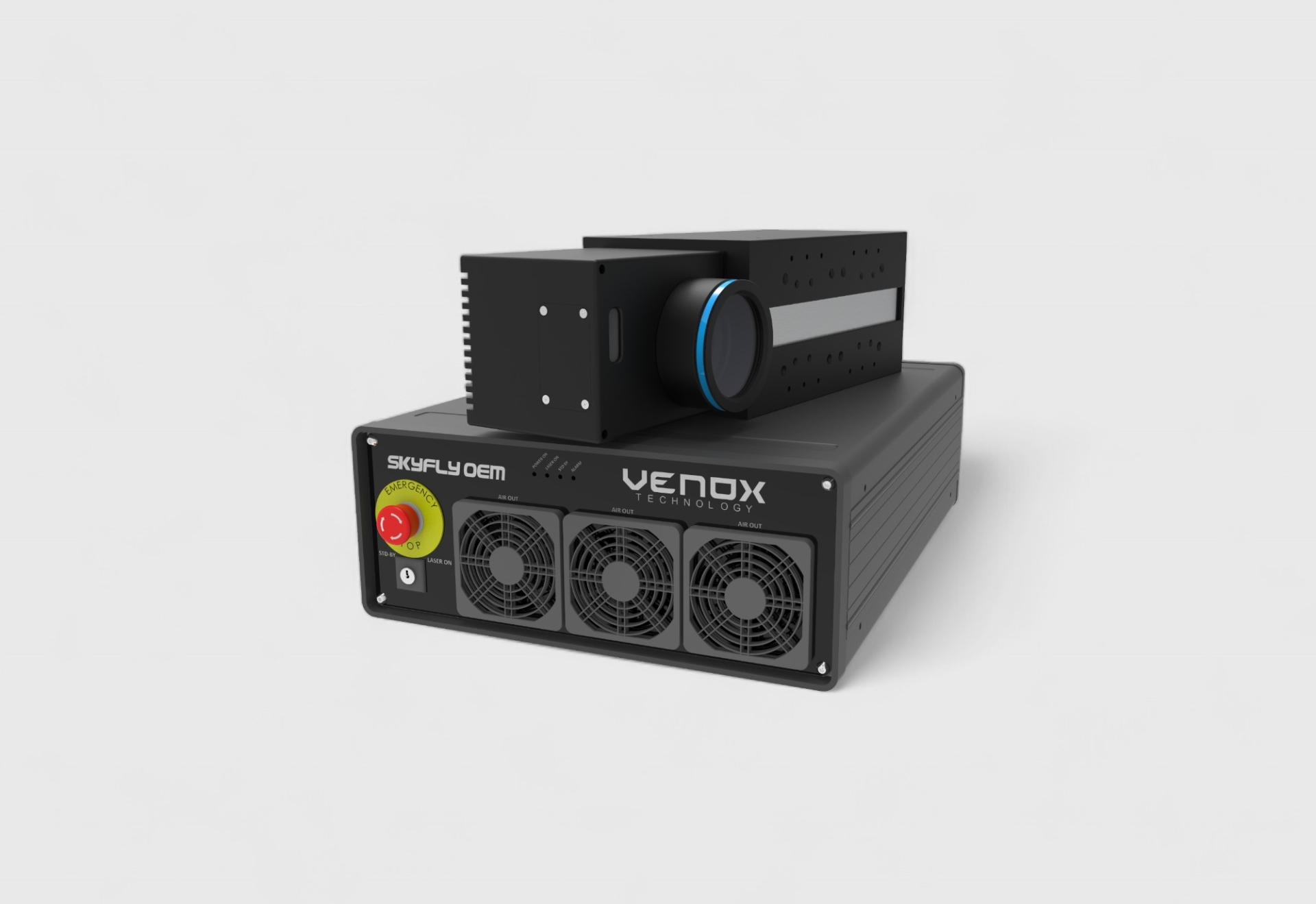
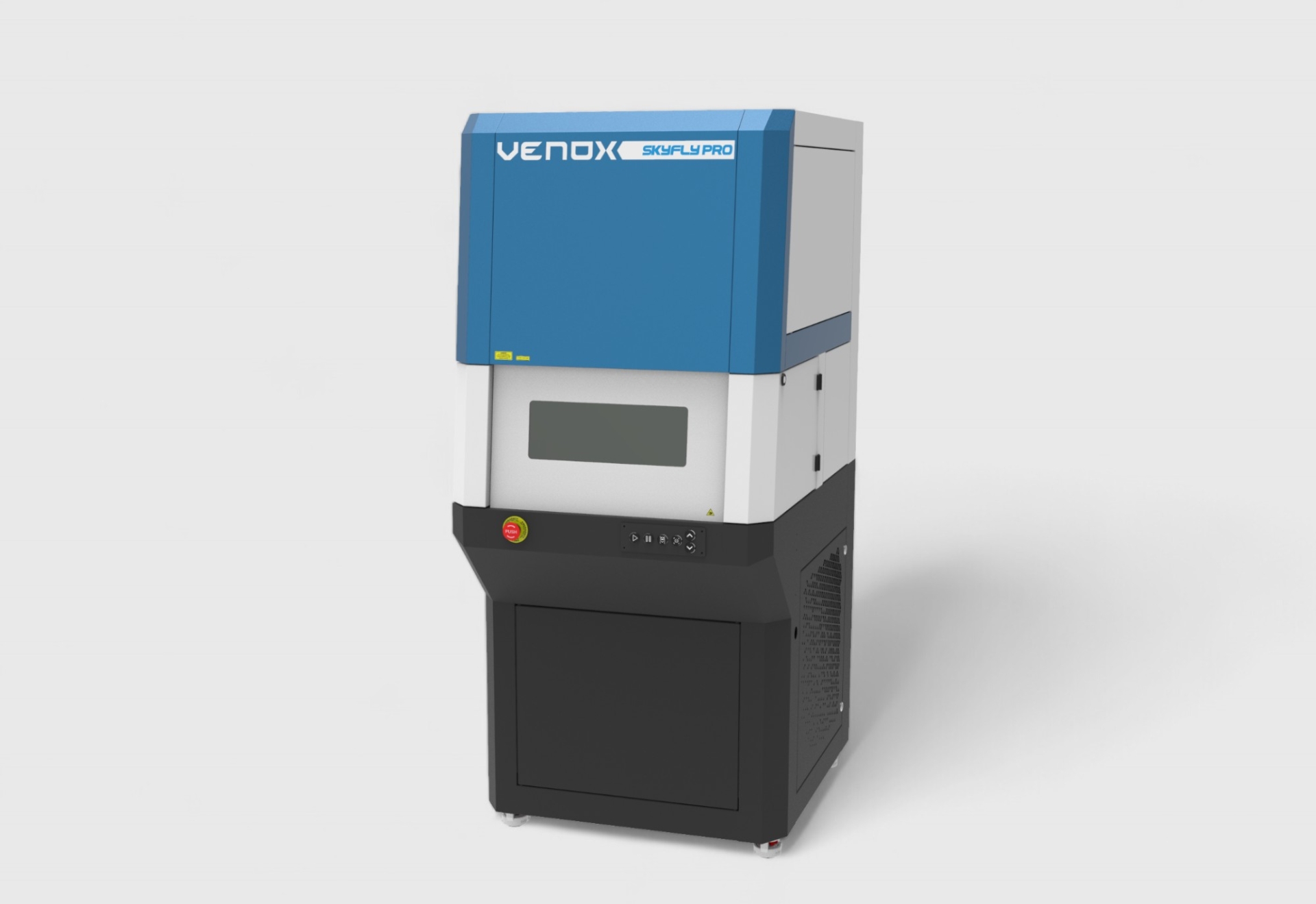
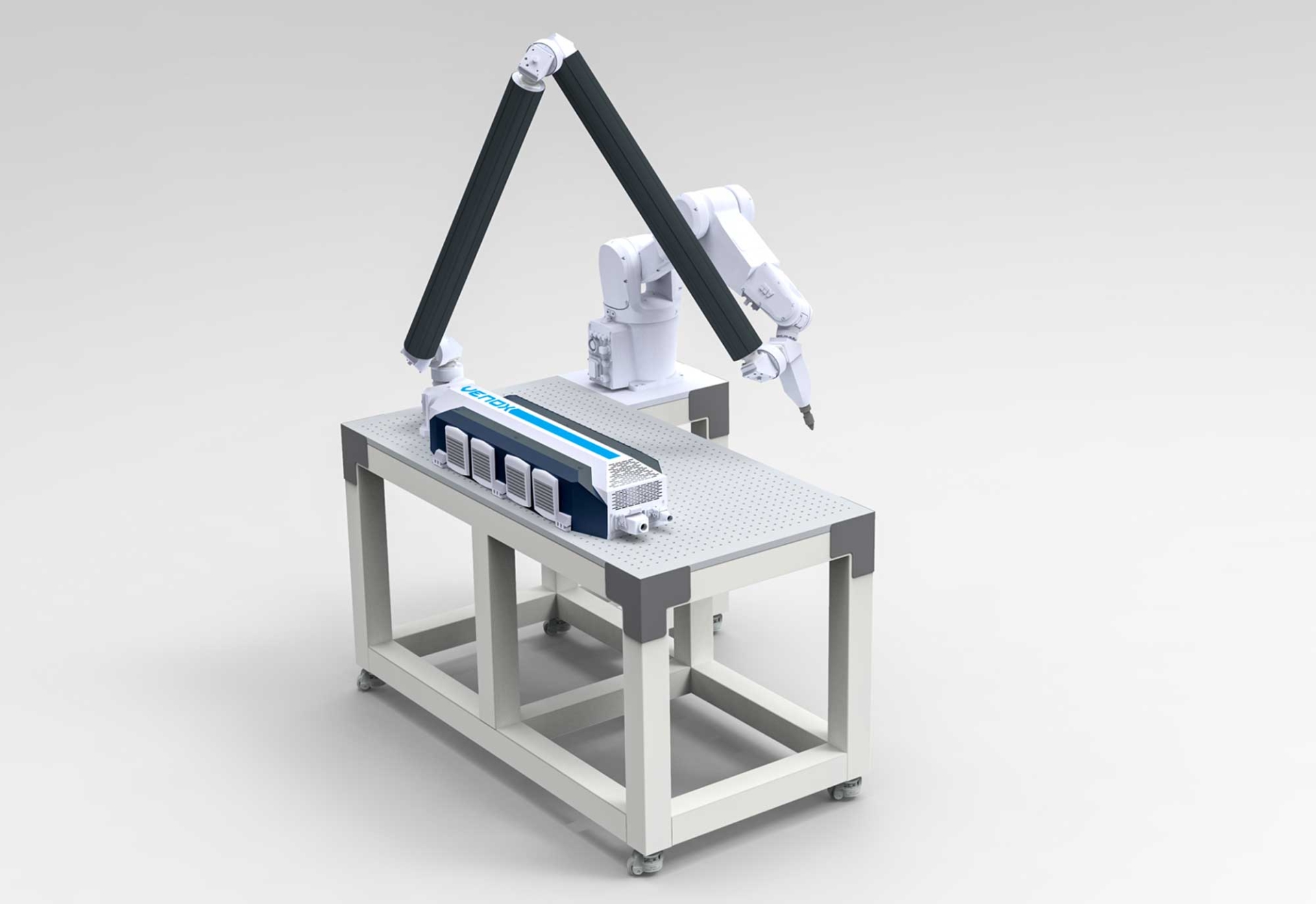
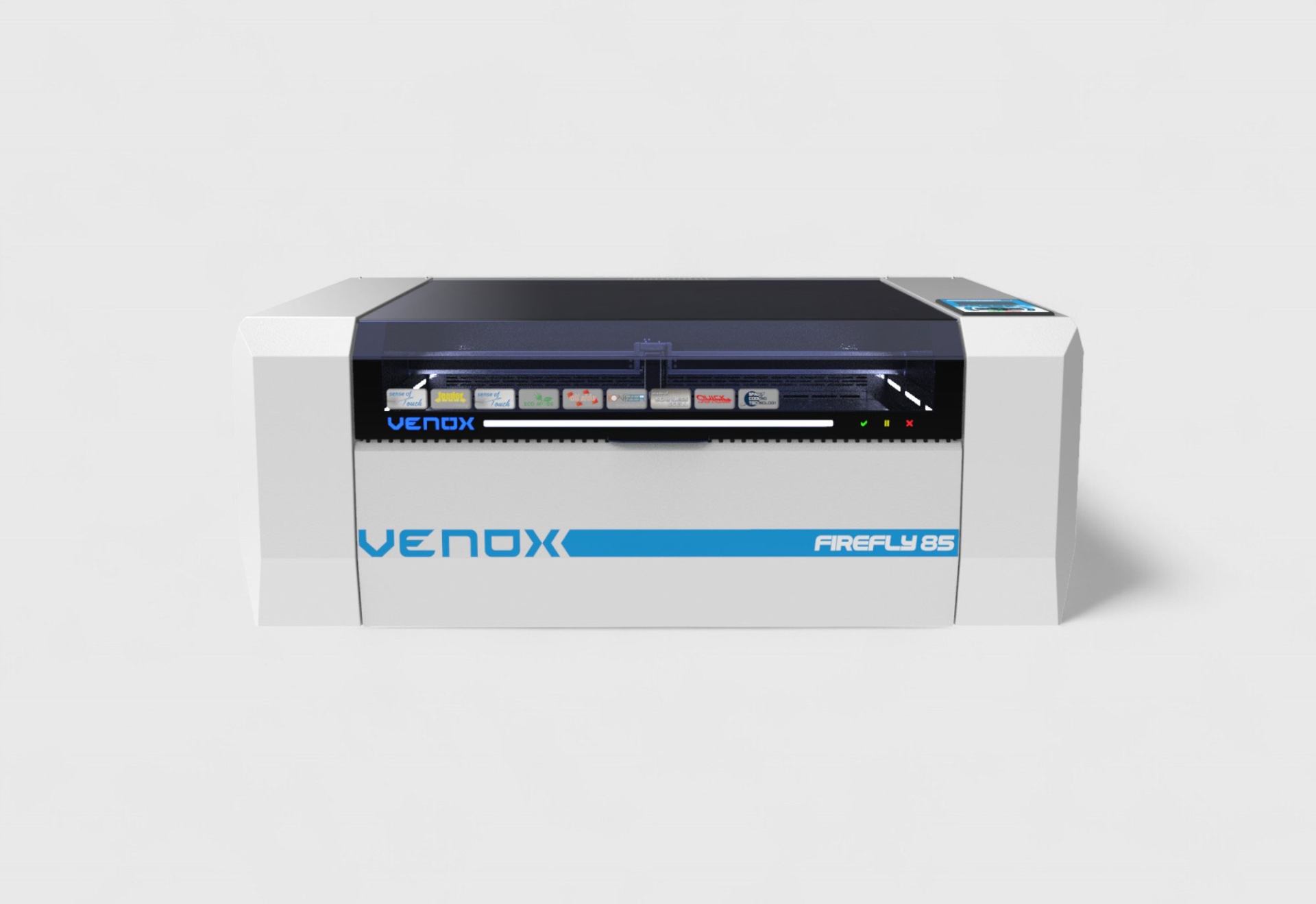
Venox offers Laser Marking Systems designed for permanent product identification and the development of traceability infrastructure. The appropriate system can be determined by evaluating product material, code size, production capacity, and automation requirements together.
To perform sample marking tests and evaluate system options for your QR code, barcode, DataMatrix, or serial number applications, you can contact the Venox team through the Contact Us page.
Properly configured laser marking systems enable QR codes and barcodes to be created in a permanent, readable manner that is compatible with automated production processes. When coding, data management, and automatic verification are considered together, a reliable connection can be established between the physical product and the digital production infrastructure.
Frequently Asked Questions
Can QR codes be laser marked?
Yes. With a suitable laser system, readable QR codes can be permanently marked on metals, plastics, and various other surfaces.
Can barcodes be created using laser marking?
Yes. Barcode patterns can be marked directly onto product surfaces using laser technology and read with suitable barcode readers.
What is the difference between QR codes and DataMatrix codes?
Both are two-dimensional code systems. DataMatrix is frequently used for small industrial components and applications with limited marking space. The choice should be based on the application and data infrastructure.
Can the readability of a marked code be checked automatically?
Yes. Through camera or code reader integration, barcodes, QR codes, and DataMatrix markings can be automatically inspected on the production line.
Does Venox offer QR code and barcode laser marking solutions?
To explore Venox's solutions, you can visit the Laser Marking Systems page or contact the Venox team through the contact page for sample testing and technical evaluation of your application.
