

Quality Control Processes with Industrial Laser Marking
Industrial laser marking is an important technology used in manufacturing not only to mark information on products but also to make quality control processes more reliable and traceable. Permanently marking serial numbers, barcodes, QR codes, DataMatrix codes, production dates, lot information, and technical data on product surfaces helps ensure that quality control stages are carried out more systematically.
The purpose of quality control on a production line is not only to identify defective products. It also involves determining the source of defects, matching the correct product with the correct data, and enabling retrospective analysis. Therefore, industrial laser marking establishes a permanent connection between product identification and quality control records.
How Does Industrial Laser Marking Support Quality Control Processes?
Ensures Permanent Product Identification
For a quality control process to be reliable, the identity of the product being inspected must be clearly known. Labels falling off, ink fading, or codes becoming unreadable can cause product records to become mixed up.
Since laser marking applies information directly to the product surface, it helps preserve product identification for a longer period. This allows quality control records to be matched with the correct product and enables the product's manufacturing history to be reviewed when necessary.
Individual Quality Records Can Be Created Using Serial Numbers
Assigning a different serial number to each product provides a significant advantage in quality control. Even products belonging to the same production batch can be tracked individually, and separate quality records can be maintained for each one.
An industrial laser marking system can automatically generate serial numbers or mark data received from production software onto products. This allows measurement results, test information, and inspection records to be associated with a specific serial number.
This approach is particularly important in industries requiring high levels of traceability, such as automotive, medical devices, electronics, defense, and machinery manufacturing.
Digital Inspection with QR Codes and DataMatrix
QR codes and DataMatrix codes can be used to establish a connection between physical products and digital data in quality control processes. When a code on a product is scanned, information such as quality control forms, production details, measurement results, or technical documents can be accessed.
DataMatrix codes are particularly common on industrial components because they provide high data density in small areas. Laser marking the code directly onto the product surface helps ensure reliable identification of the same product throughout production.
Codes must not only be visible but also readable by the reader systems being used. Therefore, contrast, size, and surface characteristics should be tested.
Automatic Verification Can Be Performed After Marking
Once the laser marking process is completed, camera or code reader systems can automatically inspect the marked area. This allows the accuracy of the marked information to be verified directly on the production line.
For example, if a DataMatrix code cannot be read, a serial number is incompletely marked, or an incorrect marking file is used, the system can identify the product as defective. The product can be automatically rejected, or a warning can be sent to the operator.
This approach makes it possible to perform quality control immediately after marking rather than postponing it until the end of the production process.
Incorrect Product and Data Matching Can Be Reduced
One of the common risks in mass production is marking incorrect data on the correct product or correct data on the wrong product. This risk may increase particularly on production lines handling a wide variety of products.
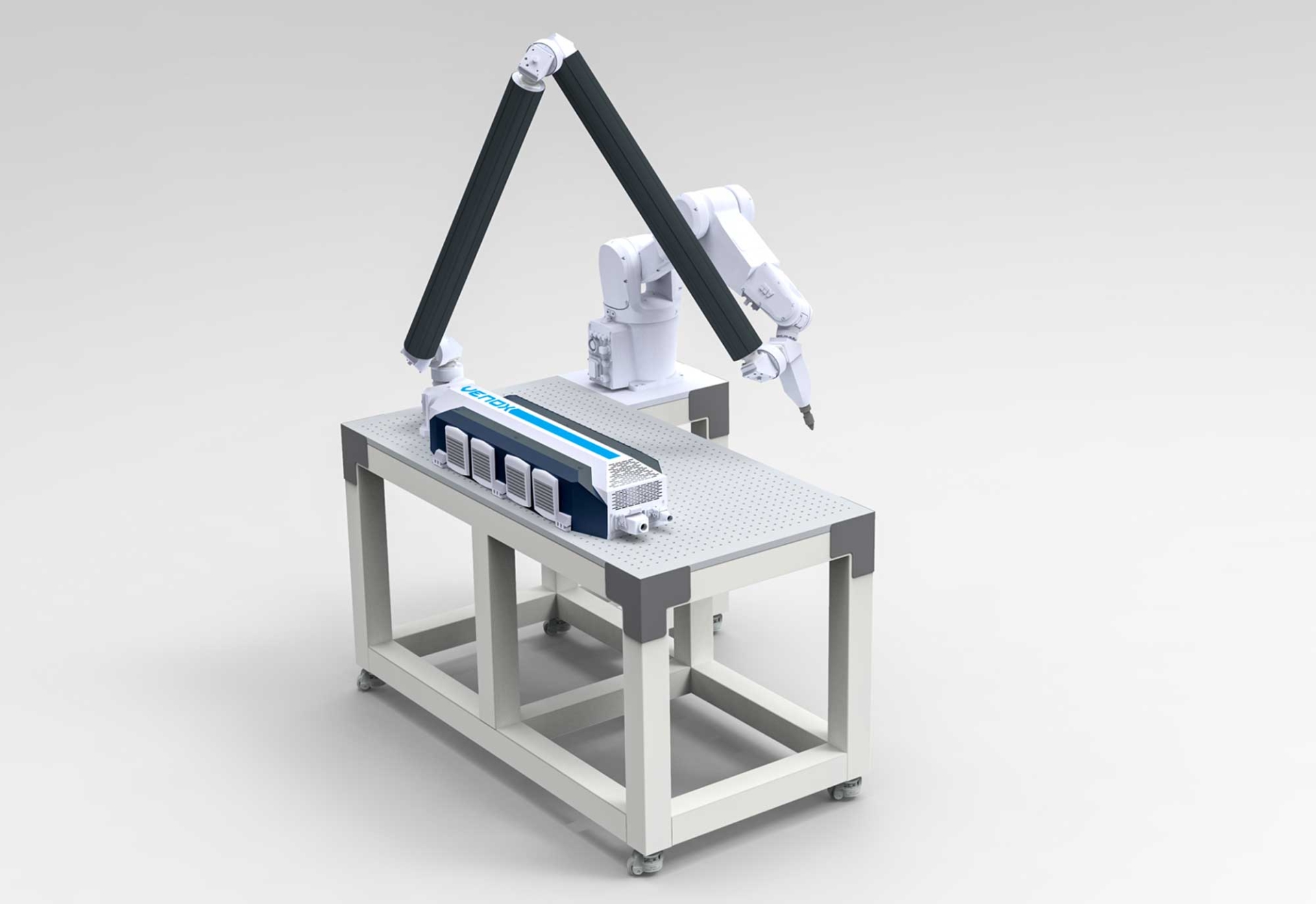
When product recognition, recipe selection, and marking operations are combined with an automation system, the product type can be automatically verified. Only the data corresponding to that specific product can then be marked.
Additional inspection using a camera system or barcode reader improves the accuracy of product and data matching. This helps prevent errors that might otherwise occur during shipment or assembly.
Retrospective Defect Analysis Becomes Easier
An important aspect of quality control is the ability to investigate the cause of a defect retrospectively. Having a unique serial number or code on the product significantly simplifies this process.
The code can be used to determine the date, machine, shift, or batch in which the product was manufactured. It can also provide access to the results of previous quality control inspections performed on the product.
With this information, problems can be analyzed not only at the individual product level but also at the production process level. Other products manufactured under similar conditions can also be inspected.
Consistent Marking Quality Supports Quality Management
Quality control may cover not only the technical performance of a product but also the accuracy and readability of the information marked on it. Serial numbers, logos, technical information, or barcodes must be marked in the specified position and at the required quality level.
Since laser marking systems operate using digital parameters, the same marking recipe can be reused. The marking area, font size, power, speed, and other settings can be recorded and stored.
This enables more consistent and repeatable marking results within the same product group.
What Types of Data Can Be Marked for Quality Control?
Industrial laser marking can be used to apply various types of data required for quality control processes directly onto products.
- Serial number
- Batch and lot number
- Production date
- QR code
- DataMatrix code
- Barcode
- Product and model code
- Operation or station code
- Technical values
- Inspection and approval symbols
Matching this data with digital quality records further strengthens product-level traceability.
What Should Be Considered When Selecting a Quality Control-Oriented System?
When selecting a laser marking system to be integrated into quality control processes, not only marking speed but also data accuracy and readability should be taken into consideration.
- The material and surface characteristics to be marked should be analyzed.
- The serial number and variable data structure should be defined.
- The appropriate QR code or DataMatrix size should be selected.
- Codes should be tested using cameras or reader systems.
- Integration with PLC, MES, or quality management software should be evaluated.
- Automatic selection of product recipes should be planned.
- A control mechanism should be established to reject incorrectly marked products.
- Sample marking and verification tests should be performed on actual products.
Proper system design helps integrate marking and quality control within the same production workflow.
Quality Control-Oriented Laser Marking Solutions with Venox
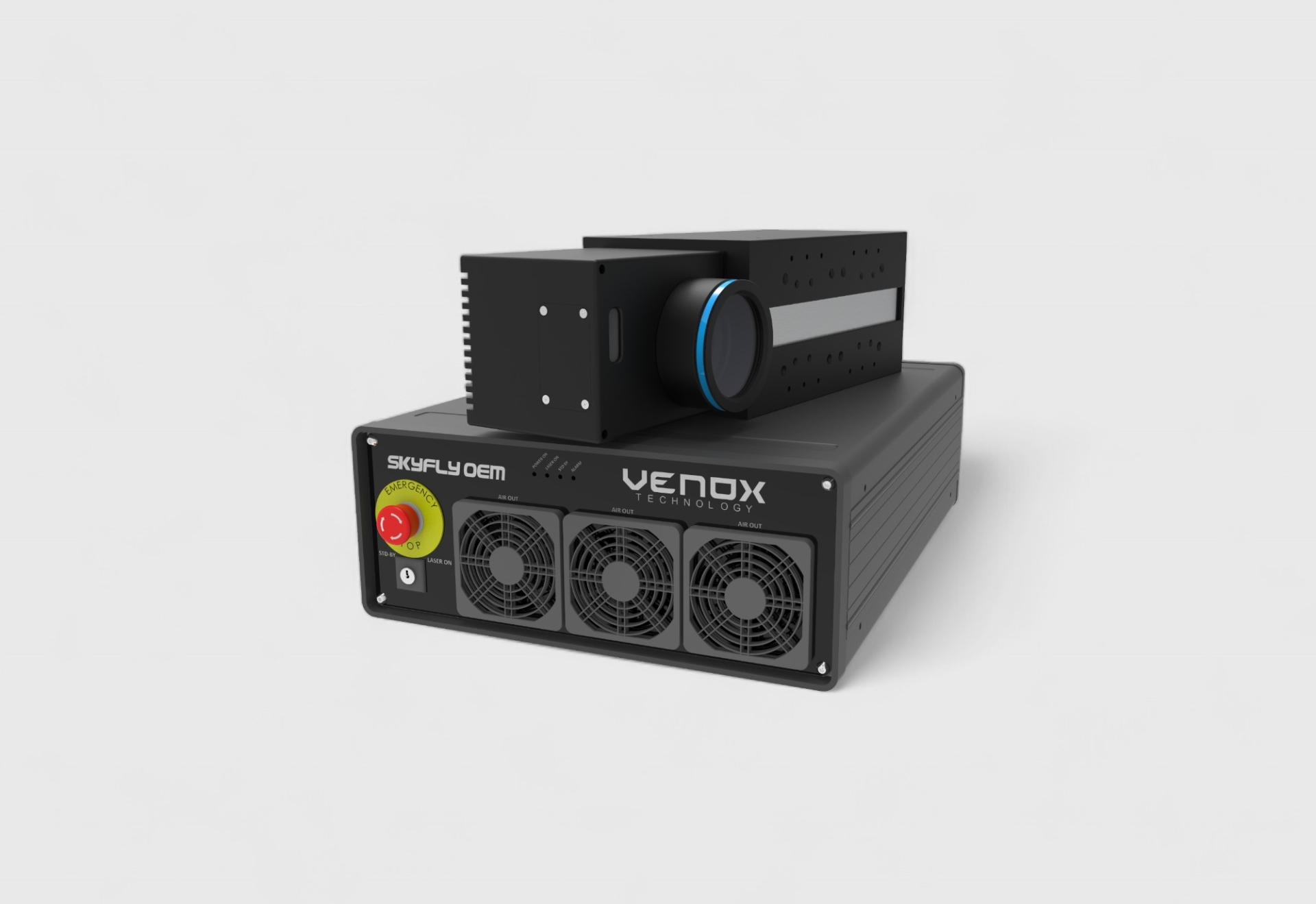
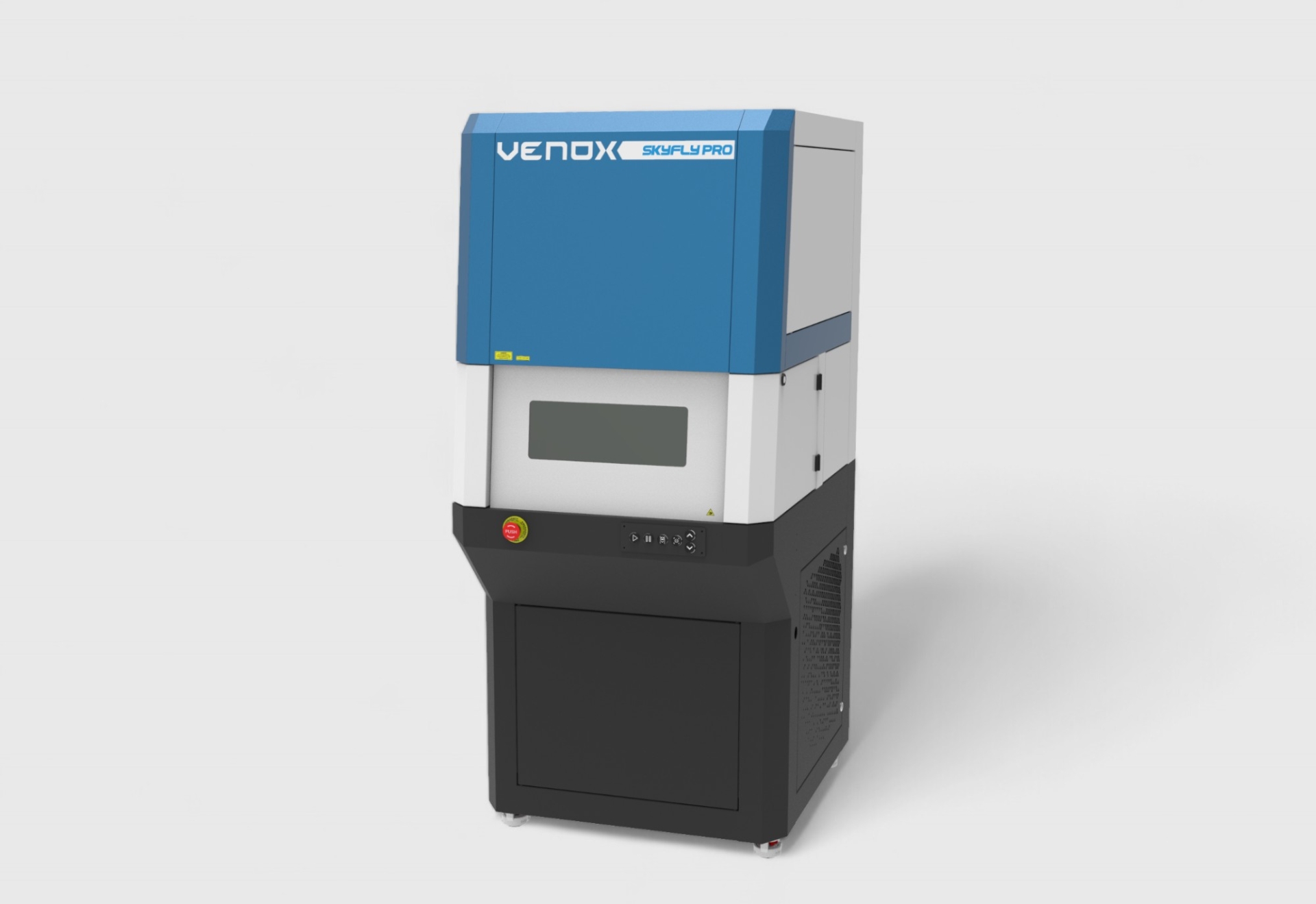
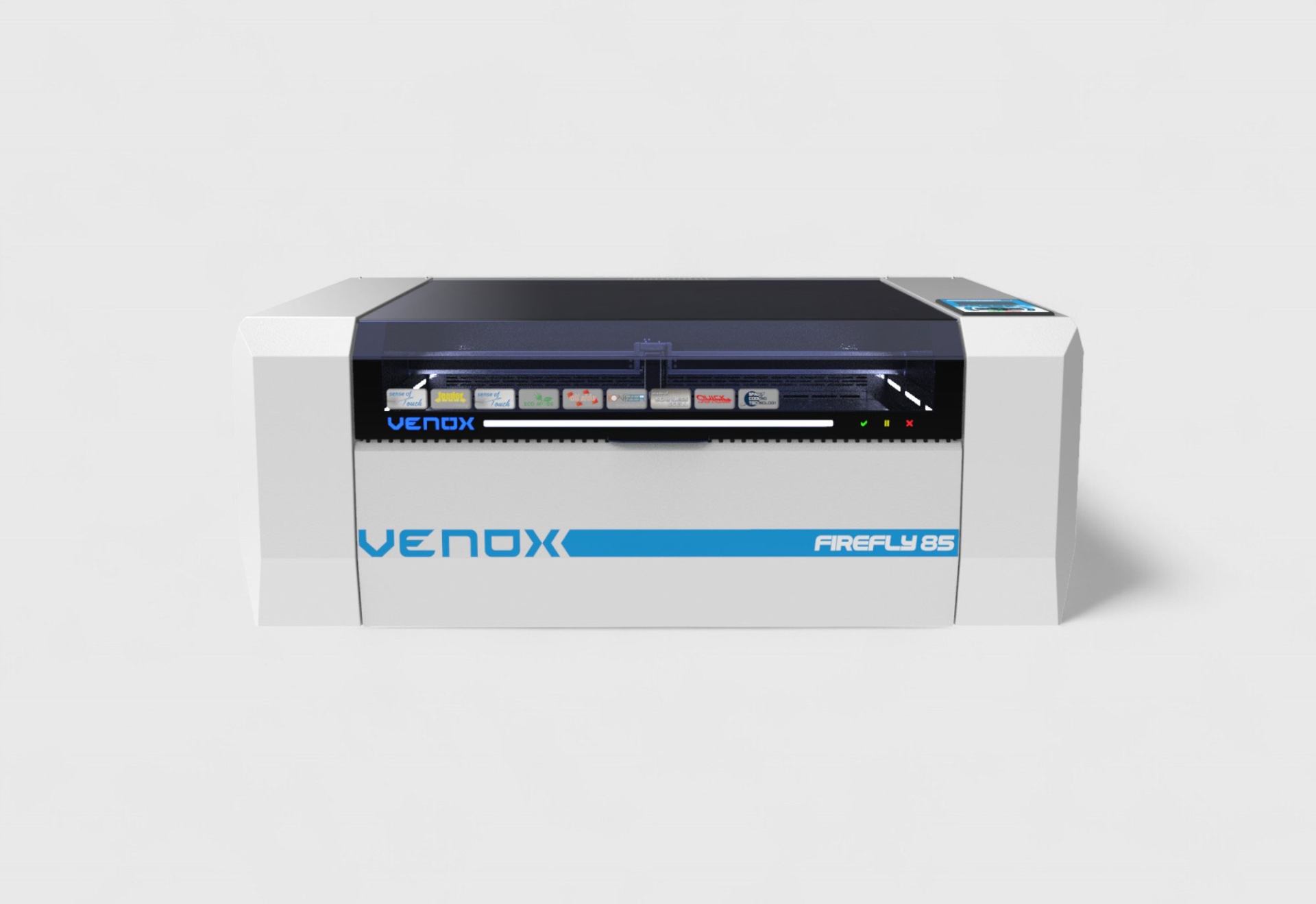
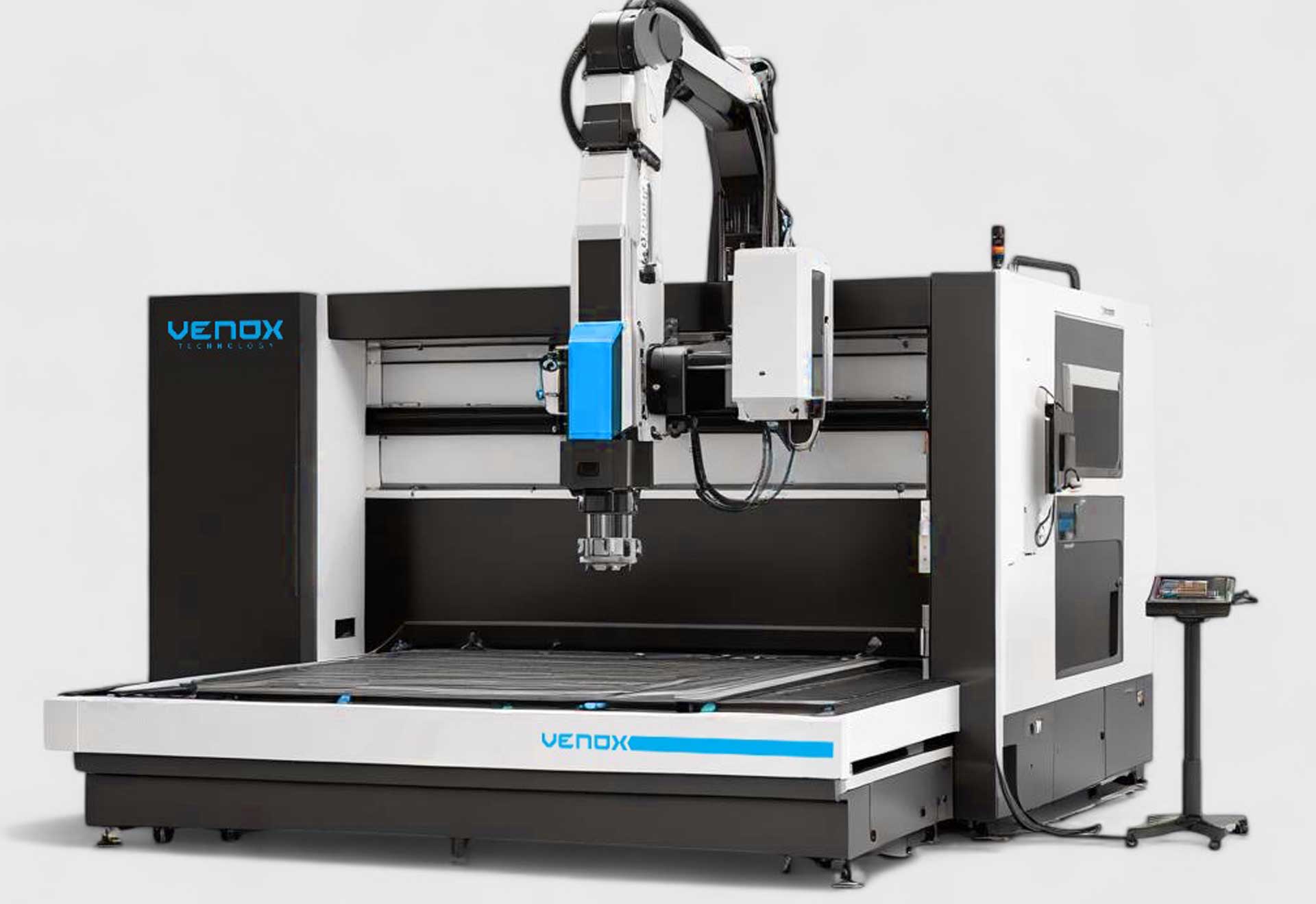
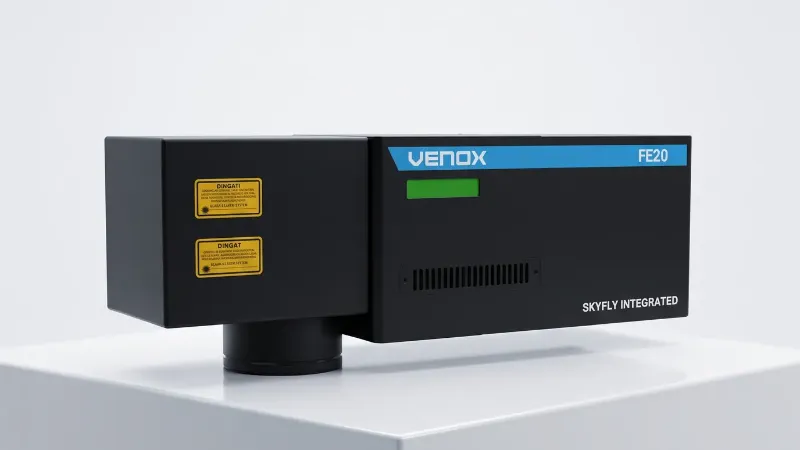
Venox offers Laser Marking Machines that support product identification and quality control processes on production lines. A suitable system can be configured by jointly evaluating the material to be marked, production capacity, code type, and automation requirements.
To match your products with quality control records using serial numbers, QR codes, DataMatrix codes, or barcodes, perform automatic verification after marking, or evaluate the appropriate system for your production line, you can contact the Venox team through the Contact Us page.
A properly configured industrial laser marking system helps preserve product identification, verify data, and detect defects more quickly during quality control processes. This enables more systematic and traceable quality management.
Frequently Asked Questions
How is laser marking used in quality control?
Serial numbers, QR codes, DataMatrix codes, or barcodes are marked onto products, and this information is matched with quality control records. This enables product-level tracking and verification.
Can automatic inspection be performed after marking?
Yes. Camera or code reader systems can automatically verify whether the marked information is correct and readable.
Can incorrectly marked products be automatically rejected?
With a suitable automation system, products with incorrect, incomplete, or unreadable markings can be automatically rejected on the production line.
Why is DataMatrix used in quality control processes?
DataMatrix provides high data density on small surfaces and is machine-readable. Therefore, it is frequently preferred for linking product identification with quality records.
Does Venox offer laser marking solutions for quality control?
To explore Venox laser marking solutions suitable for quality control and traceability processes, visit the Laser Marking Machines page or contact the Venox team through the contact page to discuss your application.
