


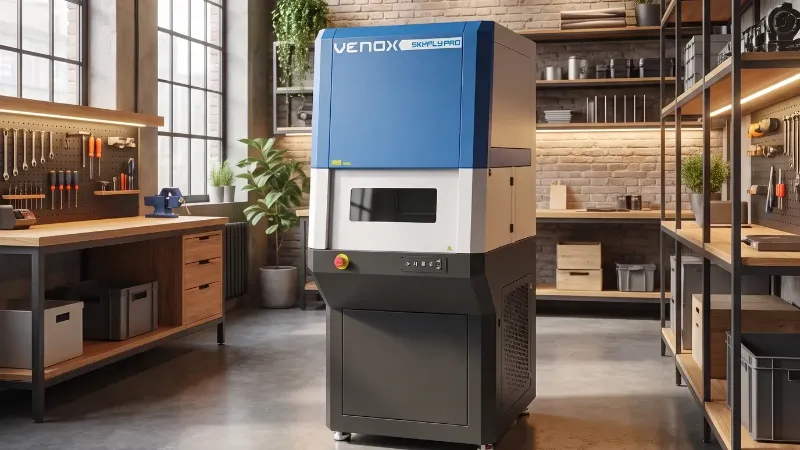
Reducing Material Waste with Industrial Laser Cutting
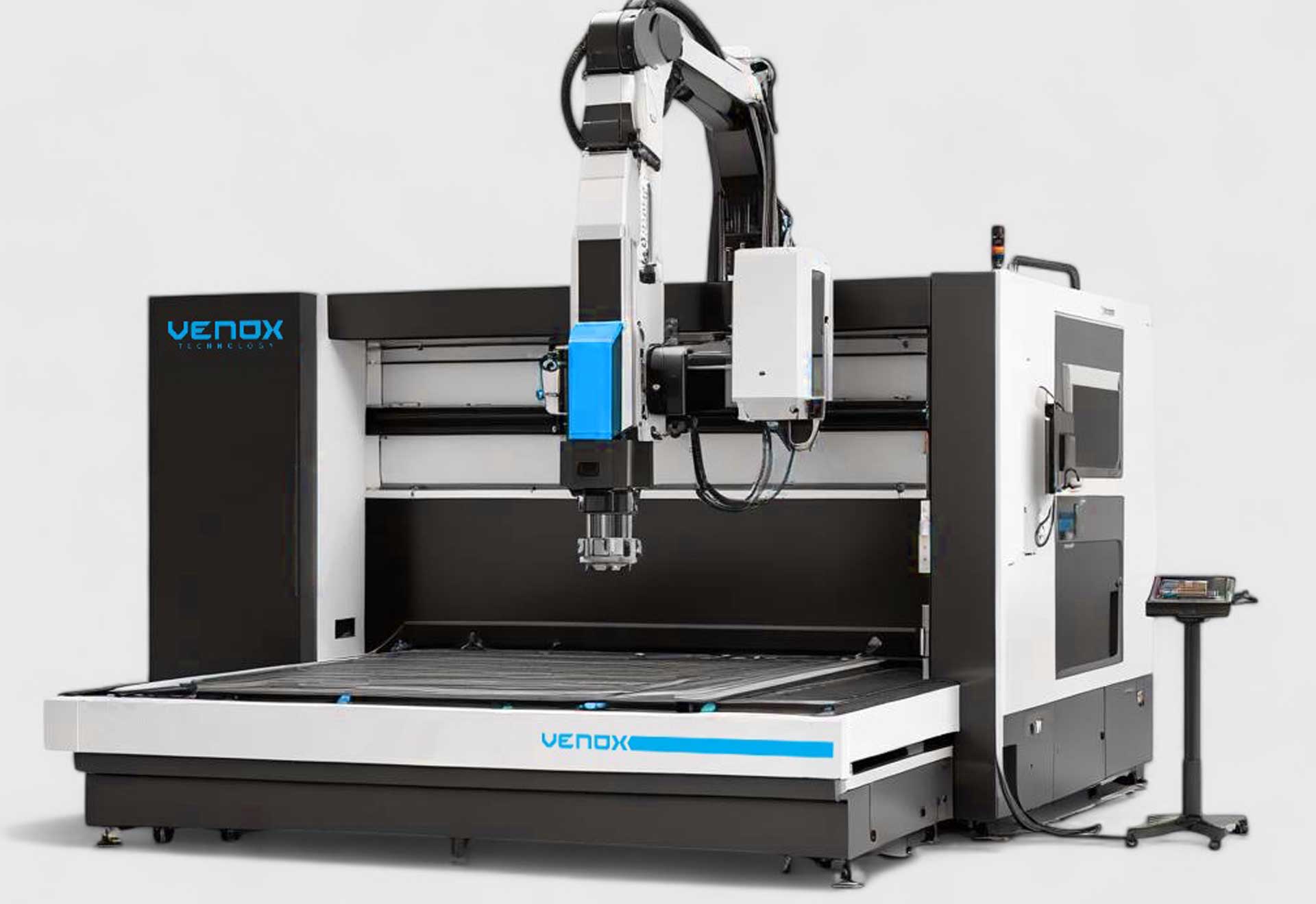
Industrial laser cutting not only provides high precision and production speed in metalworking processes but also contributes to more efficient material utilization. Particularly in sheet metal and plate processing, proper part placement, narrow cutting kerfs, and optimized production planning play an important role in reducing material waste.
In stainless steel, carbon steel, aluminum, and various metal alloys, material costs can account for a significant portion of total production expenses. Therefore, obtaining more usable parts from the same sheet provides businesses with a direct cost advantage. Industrial laser cutting is a powerful technology that supports this objective through digital manufacturing and nesting software.
How Does Industrial Laser Cutting Reduce Material Waste?
Nesting Optimization Enables More Efficient Sheet Utilization
Nesting is the process of arranging parts to be cut on a sheet or plate in the most efficient way possible. The objective is to obtain more products from the same material by minimizing the spaces between parts.
Nesting software used in laser cutting systems can automatically arrange parts of different sizes and geometries on a sheet. This allows more efficient layouts to be created compared to manual placement.
Particularly in facilities where numerous different parts are manufactured from the same sheet, nesting optimization helps reduce material waste by increasing material utilization.
Narrow Cutting Kerfs Reduce Material Loss
In industrial laser cutting, the laser beam is focused on a small area, allowing the cutting kerf to remain very narrow. A narrow kerf width makes it possible to position parts closer together on the sheet.
Reducing the distance between parts can provide significant material savings, especially in high-volume production. Obtaining more products from the same sheet can also reduce the material cost per part.
Material type, thickness, and thermal effects must be evaluated together to determine the appropriate spacing between cuts.
Precision Cutting Reduces the Rate of Defective Parts
Material waste does not consist solely of unused material remaining at the edges of a sheet. Parts that cannot be used due to dimensional errors can also account for a significant portion of production waste.
CNC-controlled laser cutting systems can process geometries specified in technical drawings with high repeatability. This helps reduce dimensional variations and part losses caused by incorrect cutting.
Dimensional accuracy is particularly important for parts that will undergo subsequent bending, welding, or assembly operations. Accurately cut parts can also reduce the need for remanufacturing during subsequent operations.
Digital Production Planning Helps Control Material Waste
Since laser cutting processes are managed through digital files, production planning can be carried out in a more controlled manner. The number of parts to be cut, the sheet to be used, and the cutting program to be applied can all be planned in advance.
Proper grouping of production orders can allow different orders using the same material and thickness to be combined on a single sheet. This enables more efficient material utilization instead of allocating separate sheets for smaller orders.
Digital planning can also help utilize leftover materials in new production operations.
Sheet Metal Remnants Can Be Reused
After cutting, large and regular areas of material may remain on the sheet. These remnants may be discarded as scrap if they are not properly recorded. However, leftover sheets with known dimensions and material specifications can be reused in subsequent production processes.
Nesting and production management software can record the dimensions of remaining materials and enable new parts to be arranged within these areas.
This approach can significantly reduce material costs, particularly when working with expensive stainless steel, aluminum, and special alloys.
Correct Cutting Parameters Reduce Rework
Incorrect laser power, cutting speed, focal distance, or assist gas settings can cause problems such as burr formation, burning, incomplete cutting, or poor edge quality. Such parts may require rework or may have to be completely scrapped.
Using the correct process parameters increases the proportion of parts produced at an acceptable quality level on the first attempt. As a result, costs associated with recutting, corrective operations, or scrap can be reduced.
Maintaining records of validated cutting parameters for each material type and thickness helps ensure consistent production quality.
Automation Can Reduce Incorrect Material Selection
In facilities working with numerous materials and thicknesses, introducing the wrong sheet into production can result in significant material waste. Automated material management and production software can help reduce this risk.
The system can identify the required material according to the production order and transfer the correct sheet to the machine through automated loading systems. This helps minimize incorrect material selection caused by operator errors.
Automation can also contribute to reducing physical damage that may occur during sheet loading and unloading.
Waste Monitoring Makes Production Efficiency Measurable
To reduce material waste, it is first necessary to measure how much waste is generated. Actual material utilization efficiency can be calculated by recording the amount of sheet material used, the number of parts produced, and the quantity of material remaining.
Production reports can be analyzed to determine which products generate more waste, which sheet dimensions are utilized more efficiently, and which nesting layouts deliver better results.
These insights help improve future production planning and support continuous improvement processes.
What Should Be Considered to Reduce Material Waste?
Having laser cutting technology alone does not guarantee low waste rates. Material planning, software utilization, and process control must be managed together.
- Nesting software should be used effectively.
- Spacing between parts should be properly optimized.
- Cutting parameters should be adjusted according to material type and thickness.
- Sheet remnants should be recorded along with their dimensions and material specifications.
- Orders using the same material should be planned together whenever possible.
- Defective part rates and remanufacturing rates should be monitored.
- The correct sheet material should be verified before production.
- Operator training should be updated regularly.
- Production and material waste reports should be analyzed.
When these factors are managed together, businesses can achieve greater benefits from their laser cutting investments not only in terms of speed and precision but also in material efficiency.
More Efficient Laser Cutting Processes with Venox
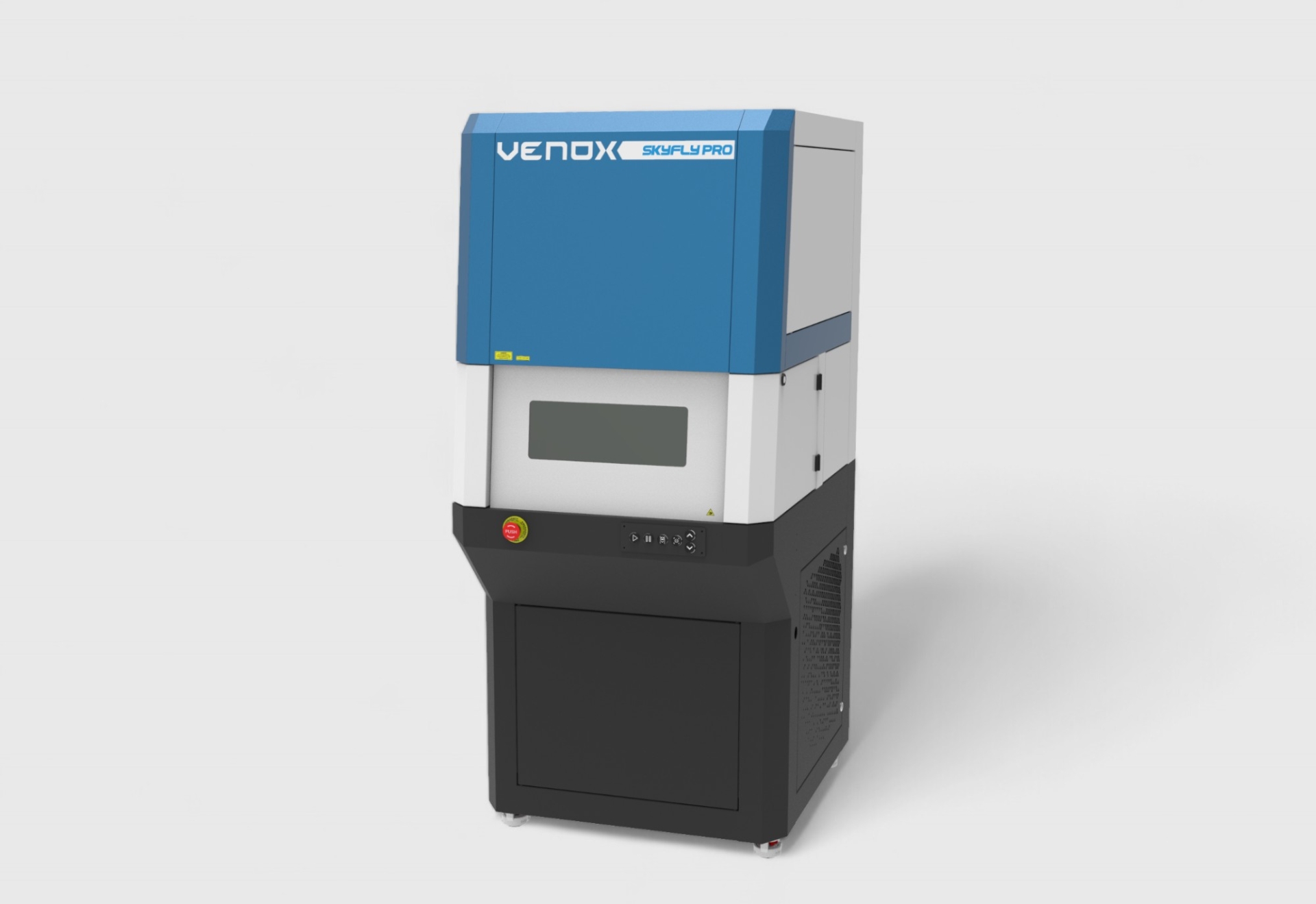
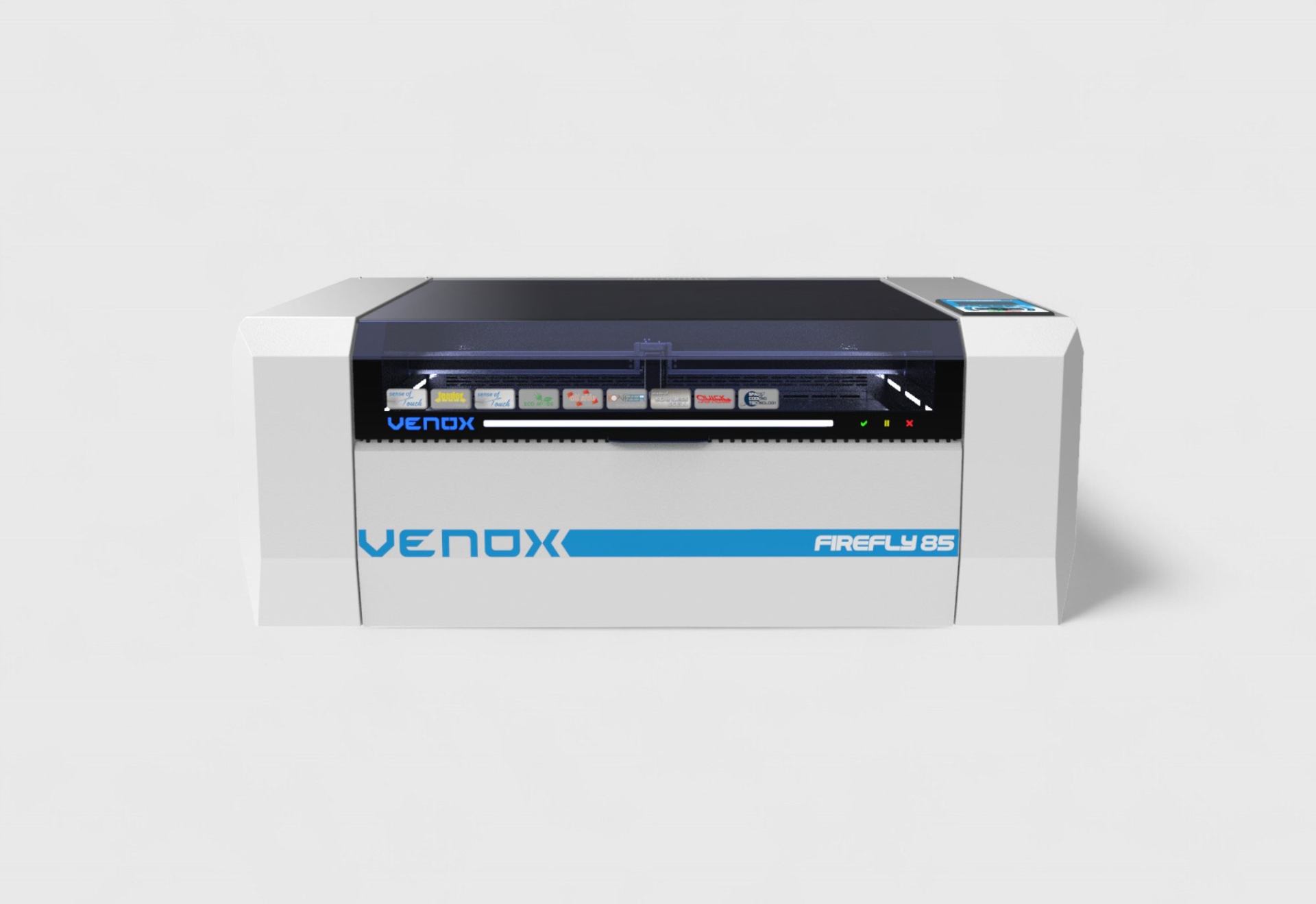
Venox offers Laser Cutting Systems that support speed, precision, and material efficiency in metalworking processes. The appropriate system can be determined by evaluating the material to be cut, sheet dimensions, product geometry, production capacity, and automation requirements together.
To reduce your material waste, improve the efficiency of your nesting processes, or evaluate your existing production capacity, you can share your production requirements with the Venox team. For system selection and quotations, you can contact us through the Contact Us page.
A properly configured industrial laser cutting process helps reduce material waste through nesting optimization, precision cutting, correct parameter selection, and leftover material management. As a result, more usable products can be obtained from the same amount of raw material, allowing production costs to be managed more effectively.
Frequently Asked Questions
How does laser cutting reduce material waste?
Thanks to narrow cutting kerfs, precision manufacturing, and nesting optimization, parts can be arranged more efficiently on a sheet, allowing more products to be obtained from the same material.
What is nesting?
Nesting is the process of arranging different part geometries on a sheet or plate while leaving as little unused space as possible.
Can leftover sheet metal be reused?
Yes. Suitable leftover sheets with recorded dimensions and material specifications can be reused in subsequent production processes.
Do defective parts increase material waste in laser cutting?
Yes. Parts that become unusable due to incorrect parameters, dimensional errors, or incomplete cutting contribute to production waste. Proper process control helps reduce these losses.
Does Venox offer laser cutting solutions designed to reduce material waste?
To explore Venox's metalworking and laser cutting solutions, you can visit the Laser Cutting Systems page or contact the Venox team through the contact page to find a solution suitable for your production requirements.
