
ROI, Efficiency, and Return Analysis in Laser Marking Investments
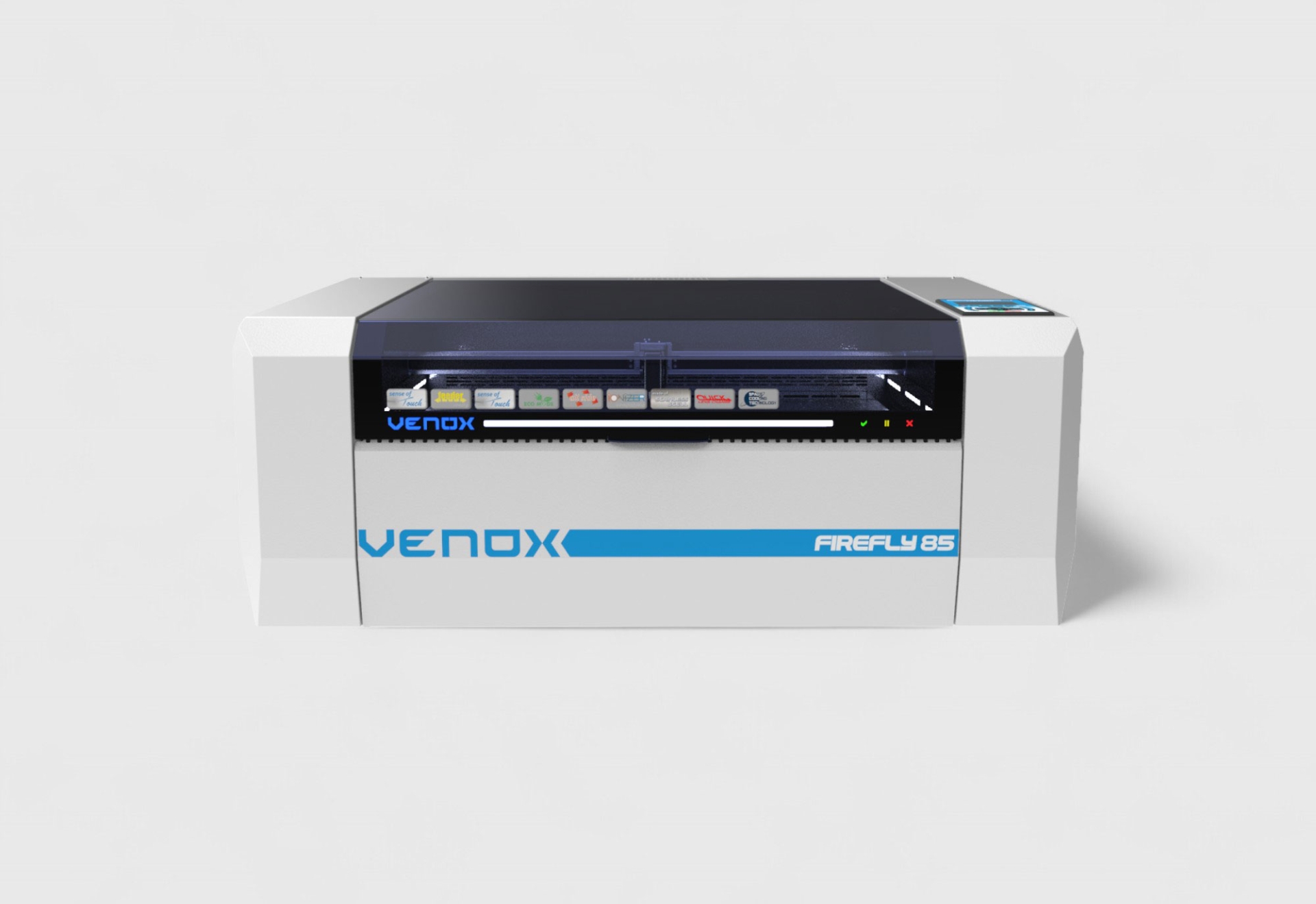
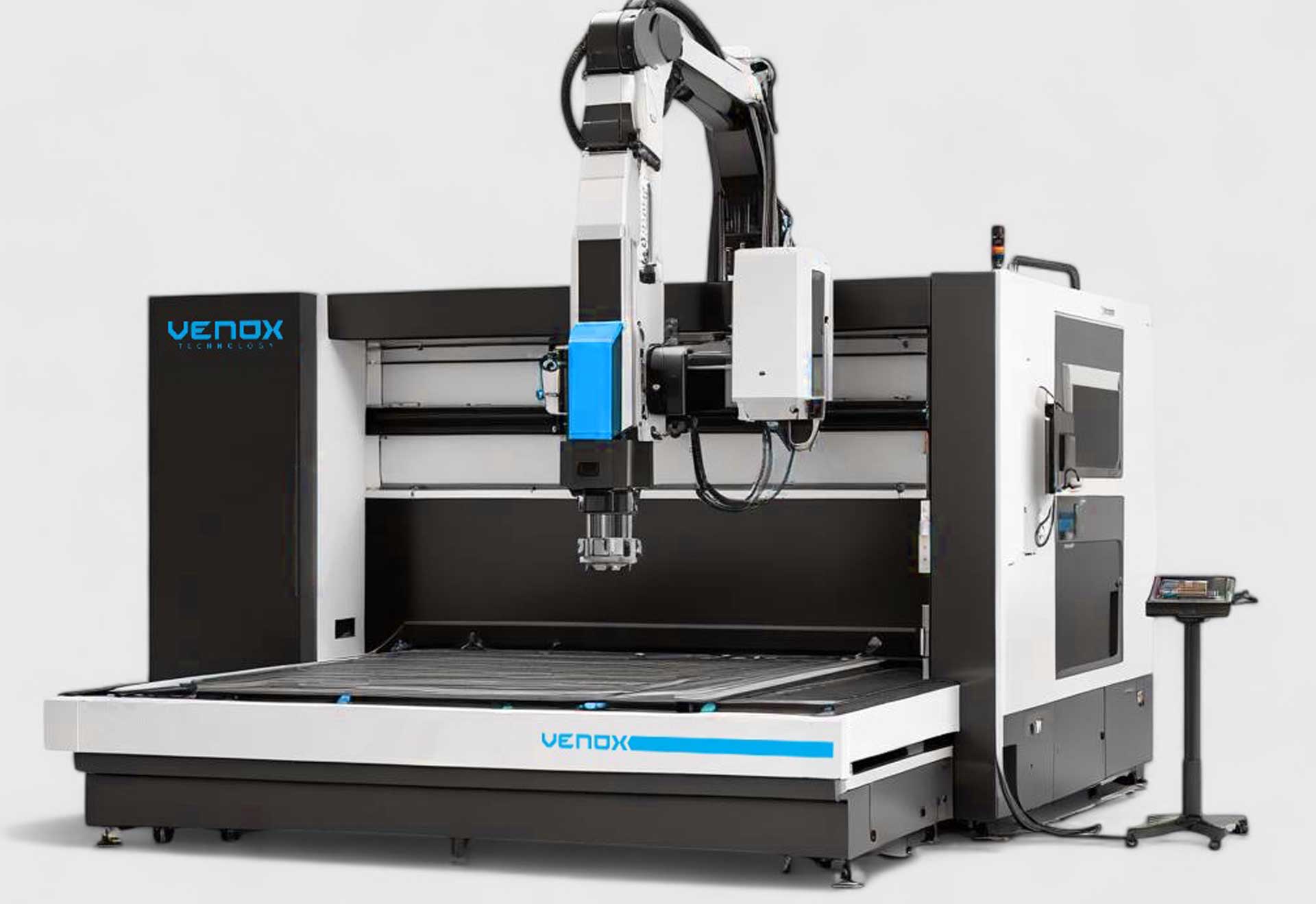
Industrial laser marking investments, when planned correctly, provide short-term return on investment (ROI) and deliver solutions that permanently increase production efficiency. However, this return depends not only on the machine price but on the total value the laser system adds to the production process. For Venox’s industrial laser solutions: Laser Marking Machines.
The Contribution of Laser Marking Systems to Production Efficiency
Compared to traditional methods such as labeling, ink printing, or mechanical engraving, laser marking offers a faster, cleaner, and more sustainable production approach. This difference directly impacts production costs and operational continuity.
Reduction of cycle time
High-speed laser scanning systems reduce marking time to seconds, maintaining the pace of the production line. This increases the number of parts produced per unit of time.
Elimination of consumables
Laser marking does not require labels, ink, solvents, or molds. As a result, consumable costs are reduced and inventory management is simplified.
Reduction of error rates
Thanks to automation and data integration, errors such as incorrect coding, missing information, or fading are minimized. Fewer errors mean lower rework costs.
Standardization of product quality
Laser marking ensures consistent quality and readability on every part, supporting the sustainability of quality standards. This directly affects customer satisfaction.
Reduction of production downtime
Eliminating stoppages such as label changes or print adjustments enables more efficient use of total production time.
Cost control through traceability
Serial numbers processed by laser enable rapid identification of quality issues. This prevents unnecessary recalls and large-scale losses.
Key Factors to Consider in ROI (Return on Investment) Calculations
The payback period of a laser marking investment should be calculated not only based on the machine cost but also on the total operational advantages provided by the system.
Initial investment cost
The type of laser source, power level, automation integration, and safety equipment are the main factors determining the initial investment.
Annual operating costs
Energy consumption, maintenance, and filter costs are among the annual expenses of laser marking systems. Fiber laser systems offer advantages in this regard.
Labor savings
Automated laser marking systems reduce the need for manual labor, resulting in significant savings in indirect costs.
Scrap and rework costs
Scrap caused by unreadable labels or erased prints is largely eliminated with laser marking.
Reduction of recall risk
Thanks to traceability, defective products can be identified quickly, and only the relevant batches are recalled. This provides a significant cost advantage.
Payback period of the investment
In many industrial applications, laser marking investments can pay for themselves within 12–24 months, depending on usage intensity.
ROI-focused laser marking solutions with Venox
When evaluating laser marking projects, Venox considers not only technical suitability but also the return on investment potential. For ROI-focused solutions, you can review the Venox laser marking machines page.
The real gain in laser marking investments emerges from the combination of increased efficiency + improved quality + reduced costs.
To clearly see the return on your laser marking investment and determine the most suitable solution for your business, you can start an ROI analysis with Venox solutions.
