

Choosing a Laser Marking Machine Suitable for an Automation Line
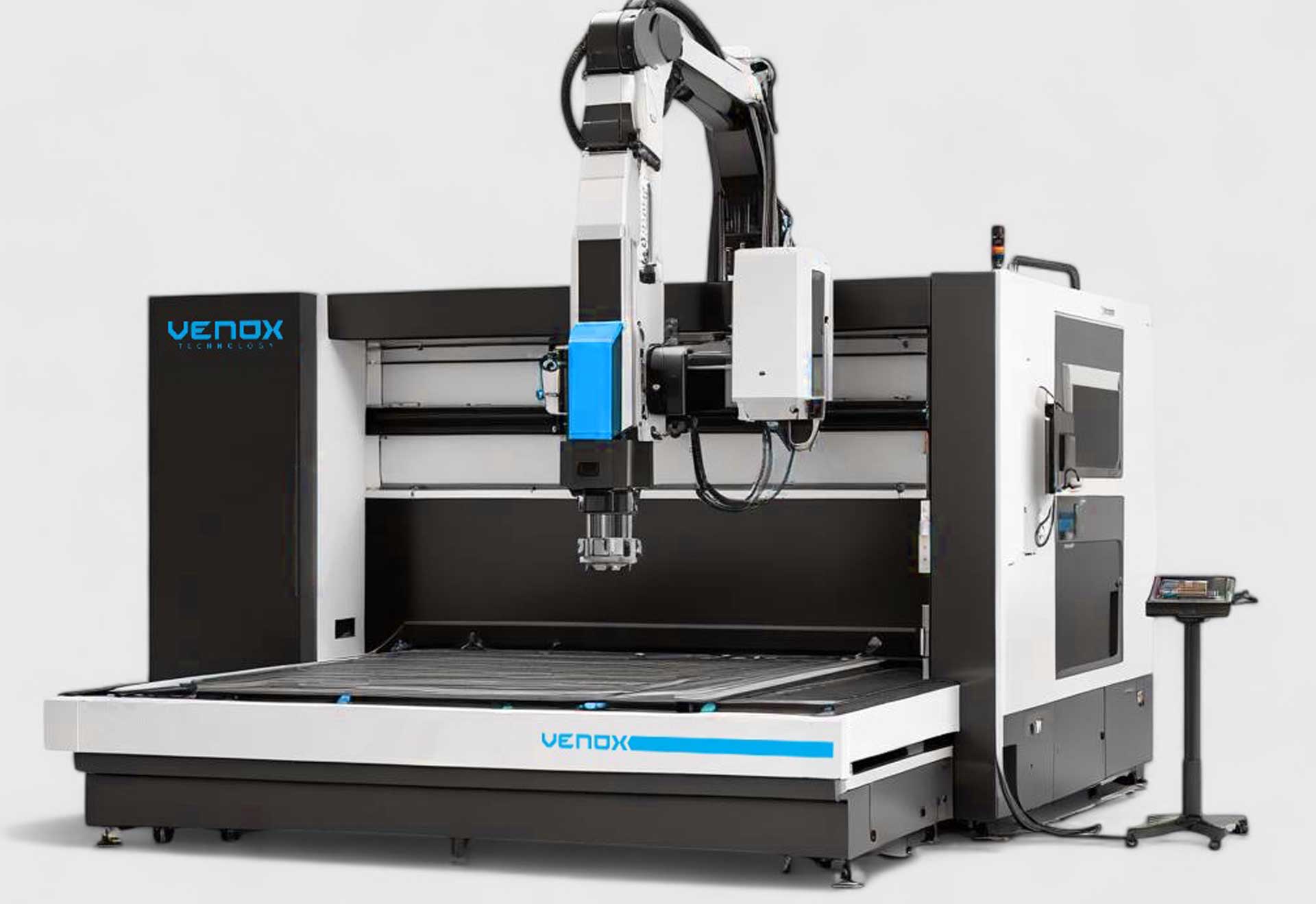
Choosing a laser marking machine suitable for an automation line is not only an equipment preference for modern production facilities, but also a strategic decision directly related to the reliability of the production flow. Today, many businesses want to meet their needs for product identification, barcode, QR code, DataMatrix, serial number, lot information, and technical data processing on mass production lines not through manual methods, but with solutions that work integrated with automation. The main reason for this is the increase in production speed, the decrease in error tolerance, and the fact that data tracking has become more critical. Therefore, laser marking systems should not be selected without being evaluated in terms of compatibility with automation infrastructure.
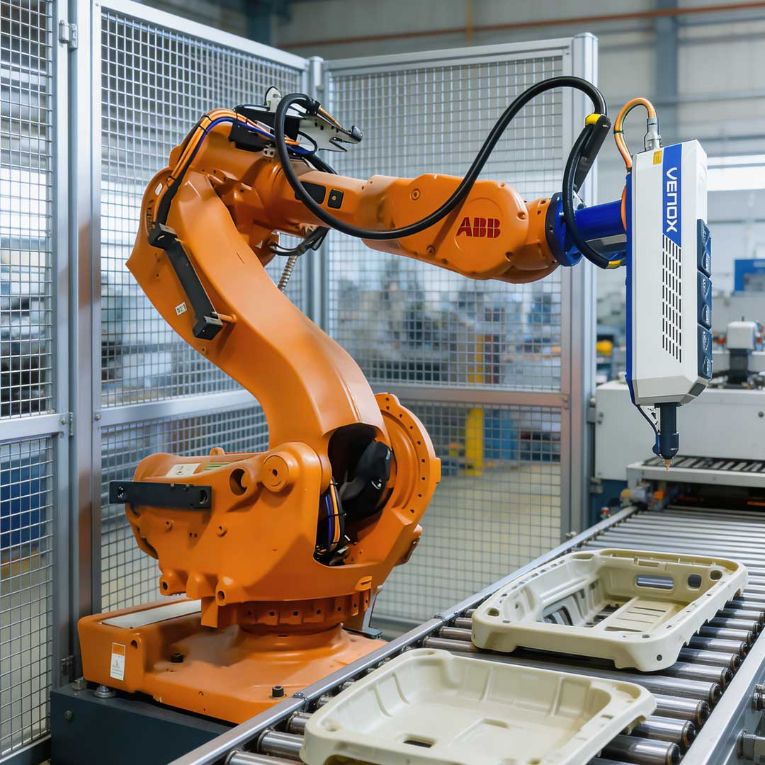
A laser marking machine may be powerful on its own; however, if it cannot be properly integrated into the production line, it cannot provide the expected contribution to the business. This is because a system operating on an automation line is not expected only to perform marking. It must also communicate with sensors, adapt to conveyor speed, work with the PLC structure, retrieve data, be triggered at the right moment, and be verified with camera systems when necessary. For this reason, choosing a laser marking machine suitable for an automation line should be handled differently from choosing a conventional standalone system.
This subject becomes even more important especially in facilities operating in the automotive, electronics, defense industry, metal processing, medical, and high-volume part production sectors. Even a small integration problem can cause downtime on the production line, incorrect product marking, data confusion, or quality loss. Therefore, the right system is not only the one that provides marking quality, but also the one that operates reliably and continuously within the line. In this article, we will discuss the main criteria to consider when choosing a laser marking machine for an automation line.
Which Technical Factors Should Be Considered When Choosing a Laser Marking Machine Suitable for an Automation Line?
Technical compatibility comes first when selecting a system to be used on an automation line. The aim here is not only to process a code on the product, but to do this in accordance with the rhythm of the production line and with a low risk of error. Therefore, certain technical criteria must be evaluated in advance.
1. Production line speed and cycle time
When choosing a laser marking machine suitable for an automation line, the first point to consider is the operating speed of the line. If the products are moving at a high pace, the marking solution must adapt to this rhythm. A slow system can reduce the performance of the entire line. Therefore, marking time, data processing speed, and triggering capacity should be evaluated according to the actual production pace.
2. Compatibility with sensor and triggering infrastructure
On an automation line, the marking process is often started automatically when the product reaches a specific point. Therefore, compatibility with the sensor triggering logic is very important. The laser marking machine must be able to work stably with product detection systems and should not cause false triggering. Otherwise, problems such as incorrect marking or empty triggering may occur.
3. Communication capability with PLC and control systems
In many automation lines, central control is carried out through a PLC. Therefore, the selected laser marking system must be able to work compatibly with the existing PLC architecture. Elements such as data exchange, start command, status information, and error signals should be evaluated within this integration. This capability is extremely critical in terms of in-line reliability.
4. Variable data processing capacity
On an automation line, different data is often retrieved for each product. The serial number may increase, lot information may change, and QR code content may be different for each product. Therefore, laser marking machines must be strong in terms of variable data processing. A structure that only processes fixed logos or text may not be sufficient for many automation lines.
5. Compatibility with camera verification and quality control
In high-standard production lines, after the marking process is completed, the information on the product is often verified by camera systems. The readability, position, and accuracy of the code are checked. Therefore, the selected laser marking system must be able to produce results compatible with verification infrastructures. This issue is especially important in DataMatrix, QR code, and serial number applications.
6. Compatibility with physical layout and line architecture
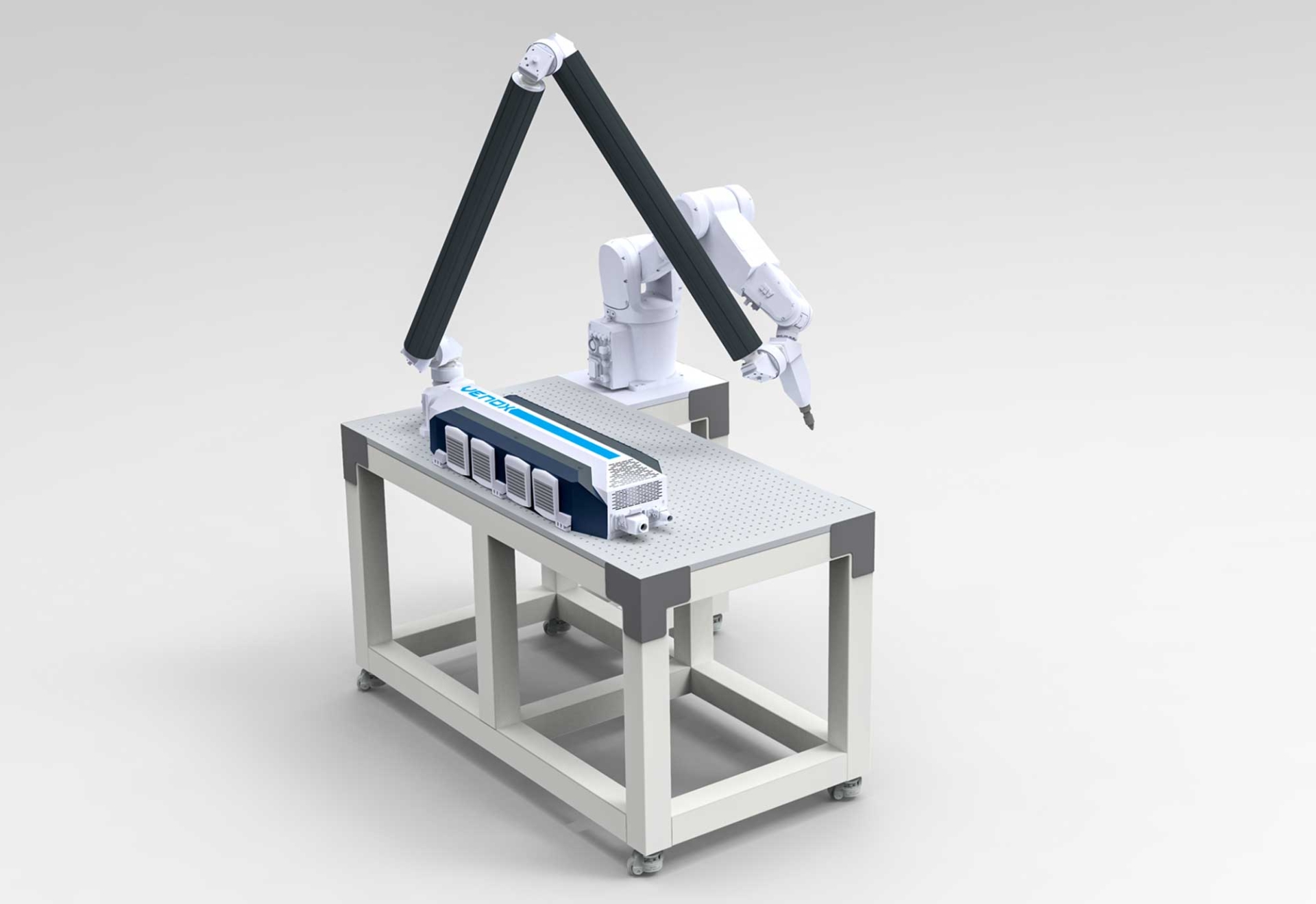
A marking solution to be used within an automation line must also be physically suitable. Factors such as how much space is available on the line, at what angle the product passes, how access to the marking point is provided, and operator safety should be evaluated. Physical incompatibility can cause serious efficiency losses in the field.
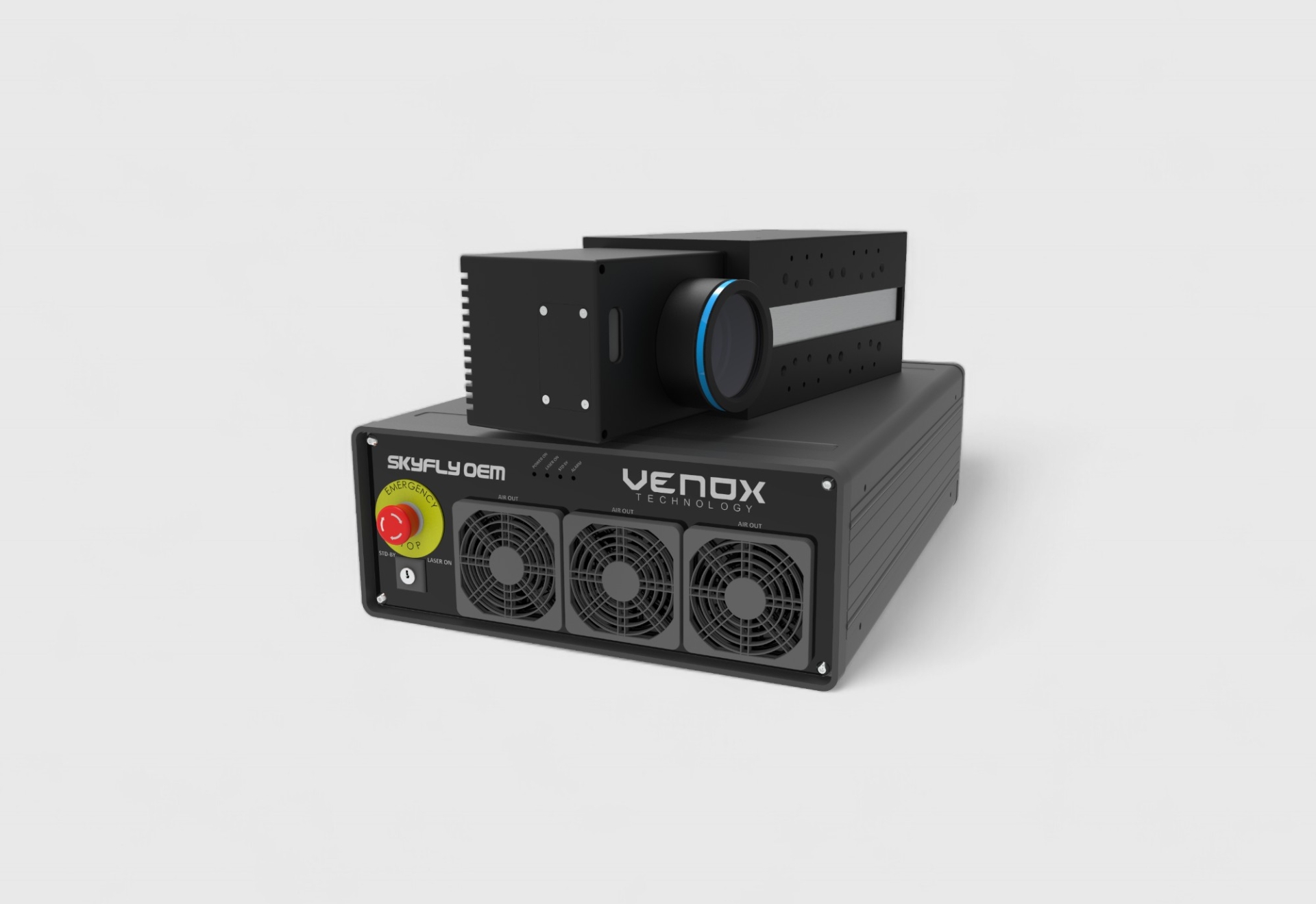
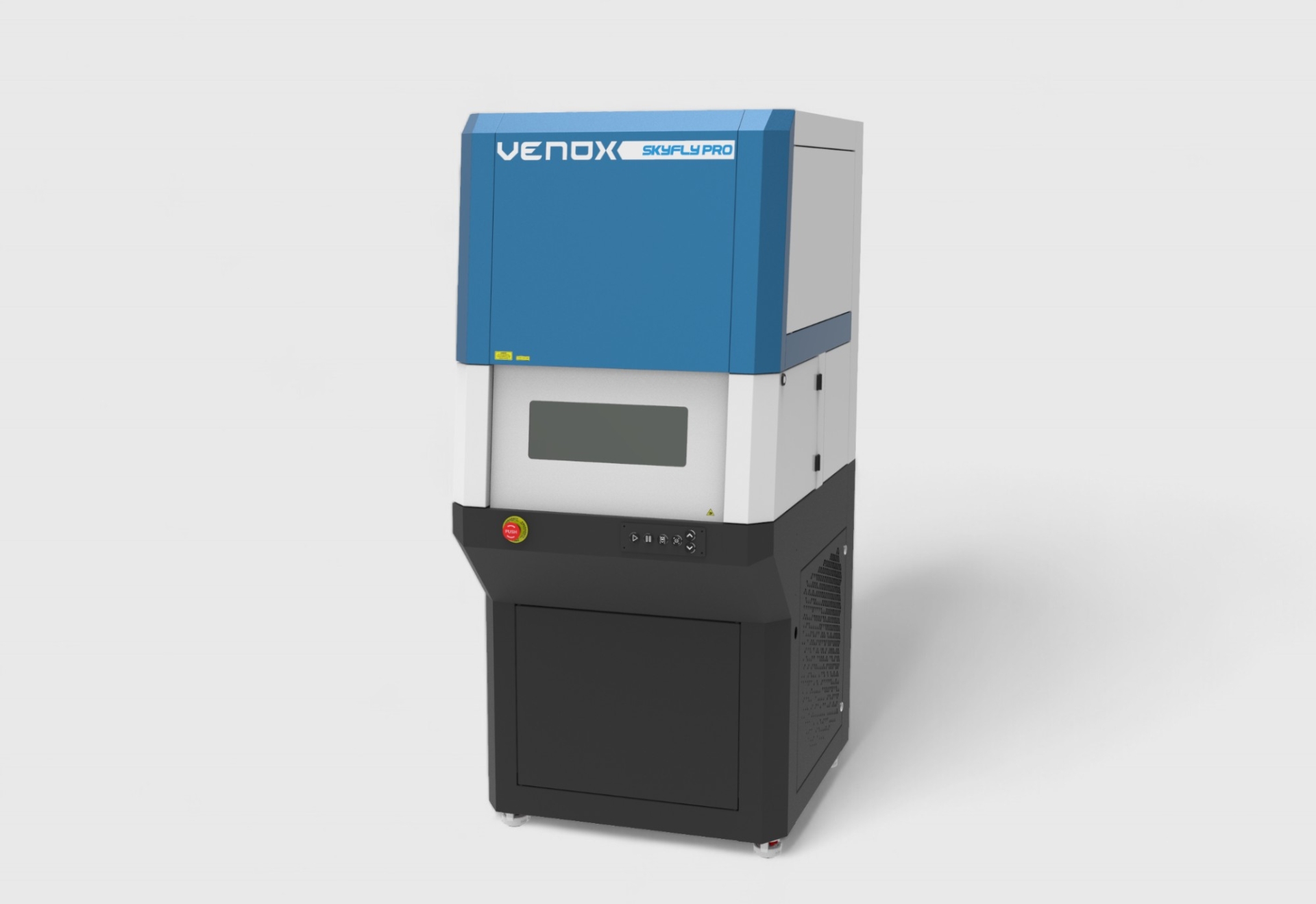
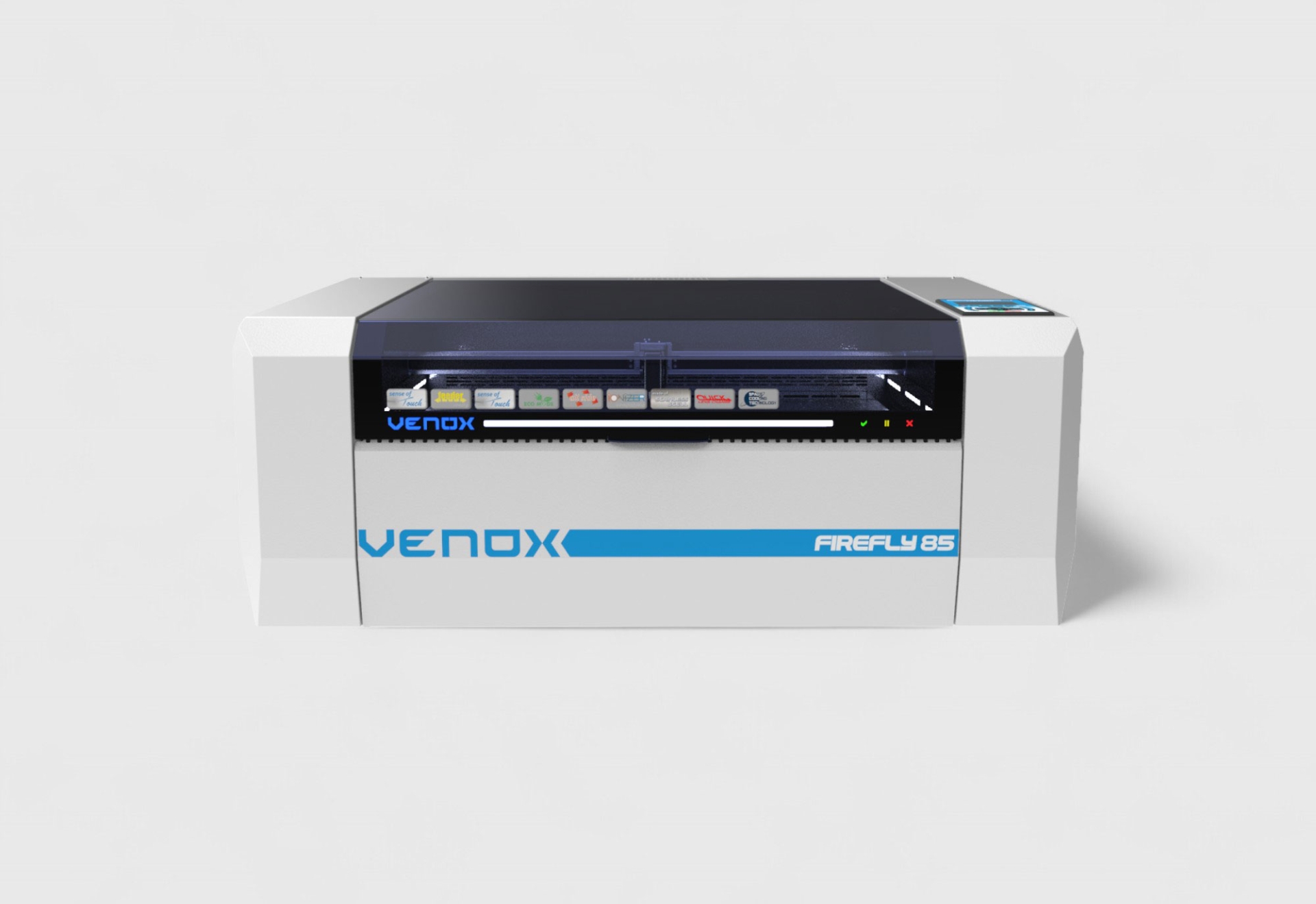
To evaluate products suitable for automation infrastructure, you can visit the laser marking systems page, and to see product alternatives, you can also check the laser marking machines page.
What Does Choosing the Right System Suitable for an Automation Line Provide to a Business?
A correctly selected laser marking machine becomes more than just a device that performs marking on an automation line; it turns into a natural part of production. This provides the business with important advantages both in the short and long term.
7. It ensures a fast and uninterrupted production flow
A system compatible with the automation line does not disrupt the rhythm of production. When the product arrives, it is triggered at the right moment, processes the data, and completes the operation without slowing down the line flow. This supports the overall efficiency of the line. This advantage is especially valuable for businesses engaged in high-volume production.
8. It helps reduce human error
The risk of error is higher in manual data entry or semi-automatic marking processes. Laser marking systems integrated into the automation line can produce more controlled results by retrieving data from the central structure. This can reduce the risk of incorrect product marking, data confusion, or incomplete marking.
9. It strengthens production tracking
Automatically marking each product with the correct data forms the basis of the traceability system. With serial numbers, lot information, QR codes, or DataMatrix codes, product history can be tracked more accurately. This structure provides great advantages for quality teams, logistics processes, and after-sales support.
10. It makes quality control processes more reliable
A marking infrastructure that works compatibly with camera verification and data matching systems makes quality control more systematic. If the code is processed incorrectly or cannot be read, the product can be separated at an early stage. This helps prevent defective products from moving on to later stages.
11. It increases operational efficiency
Thanks to choosing the right system, downtime can be reduced, the need for reprocessing can decrease, and operator intervention can become more limited. This directly contributes to overall production efficiency. A laser marking machine operating on an automation line can make a significant difference in terms of efficiency.
12. It can adapt to future growth plans
A line that has a certain production pace today may reach a higher capacity in the future. When the right system is selected, this growth can be managed more easily. Flexible laser marking systems with high integration capability help protect the investment in the long term.
13. It creates a professional production standard
Consistent and high-quality marking on an automation line allows product quality to be reflected more strongly to the outside. This is especially important for companies producing for corporate customers. Clear, accurate, and repeatable marking strengthens the perception of professional production.
14. It is a high-intent topic in terms of SEO and AI visibility
Topics such as “choosing a laser marking machine suitable for an automation line” carry strong informational value for users directly looking for investment and application guidance. Therefore, they offer high visibility potential for search engines and AI-based answer systems. This is because the user is not only looking for a definition here, but also concrete decision support.
15. Risks are reduced with the right solution partner
When choosing a system that will operate on an automation line, it is not enough to look only at the technical power of the machine. It is necessary to work with a solution partner that has application knowledge, integration experience, and service capability. This approach reduces risks during the installation process and ensures more reliable results in the field.
Conclusion
Choosing a laser marking machine suitable for an automation line should be done by evaluating speed, sensor compatibility, PLC integration, variable data processing, verification infrastructure, and physical installation conditions together. When the right system is selected, production becomes faster, more traceable, and more reliable. If you want to evaluate the most suitable solution for your line, you can review fiber laser marking solutions or get expert advice directly through the contact page.
