

Industrial Laser Cutting System Selection Guide
Industrial laser cutting systems are among the important investments that provide speed, precision, and manufacturing flexibility in metalworking and mass production processes. However, the same laser cutting system is not suitable for every business. The material to be cut, maximum thickness, working area, daily production capacity, level of automation, and cutting quality expectations are determining factors in system selection.
Selecting the wrong system can lead to unnecessarily high investment costs, insufficient production capacity, poor cutting quality, or bottlenecks in the production line. Therefore, when investing in industrial laser cutting, a technical evaluation should be based on the entire manufacturing process rather than solely on laser power or machine price.
Which Criteria Should Be Evaluated When Selecting an Industrial Laser Cutting System?
Determine the Type of Material to Be Cut
The first step in selecting a laser cutting system is determining which materials will be processed. Metals such as stainless steel, carbon steel, aluminum, galvanized sheet metal, brass, and copper respond differently to laser beams.
A company may process a single material or cut various types of metals. In such cases, it is important to evaluate whether the system is suitable for all production scenarios.
Material type also affects the laser source, assist gas, cutting parameters, and required power level. Therefore, investment decisions should be based on the materials that will actually be used in production.
Evaluate Material Thickness and Laser Power Together
Laser power is one of the most important technical criteria affecting the material thickness that can be cut and the production speed. However, the system with the highest power is not always the best option for a business.
For example, the requirements of a company primarily processing thin sheet metal differ from those of a company cutting thick metal materials. Excessive power can increase investment costs, while insufficient power may limit production speed and cutting capacity.
Therefore, in addition to the material thicknesses currently processed by the company, products expected to be manufactured in the future should also be considered.
Select the Appropriate Working Area and Sheet Dimensions
The working area of a laser cutting system should be suitable for the dimensions of the sheets or plates to be processed. Standard sheet sizes used in production, maximum component dimensions, and material layout directly affect system selection.
An insufficiently sized working area may prevent components from being cut in a single operation. An unnecessarily large system, on the other hand, may increase installation space requirements and investment costs.
When determining the working area, not only current products but also larger components that the company plans to manufacture in the future should be evaluated.
Calculate Production Capacity and Cutting Speed
When selecting an industrial laser cutting system, hourly, daily, and monthly production capacity should be calculated. The geometry of the components to be cut, material thickness, number of holes, and total cutting distance affect cycle time.
In high-volume mass production, considering only the maximum cutting speed is not sufficient. The time required for sheet loading, program selection, cutting, component unloading, and preparation of new material collectively determines production capacity.
Therefore, calculating production times based on actual component drawings enables a more accurate capacity analysis before investment.
Define Cutting Precision and Edge Quality Requirements
Not every manufacturing application has the same cutting quality requirements. While high precision and clean cut edges are critical for some components, wider tolerances may be acceptable in other applications.
In machinery manufacturing, automotive, electronic equipment, and precision metal component production, cutting tolerances can directly affect subsequent bending, welding, and assembly processes.
When selecting a system, the target dimensional accuracy, cut edge quality, and requirements of subsequent operations should be evaluated together.
Plan Automation Requirements in Advance
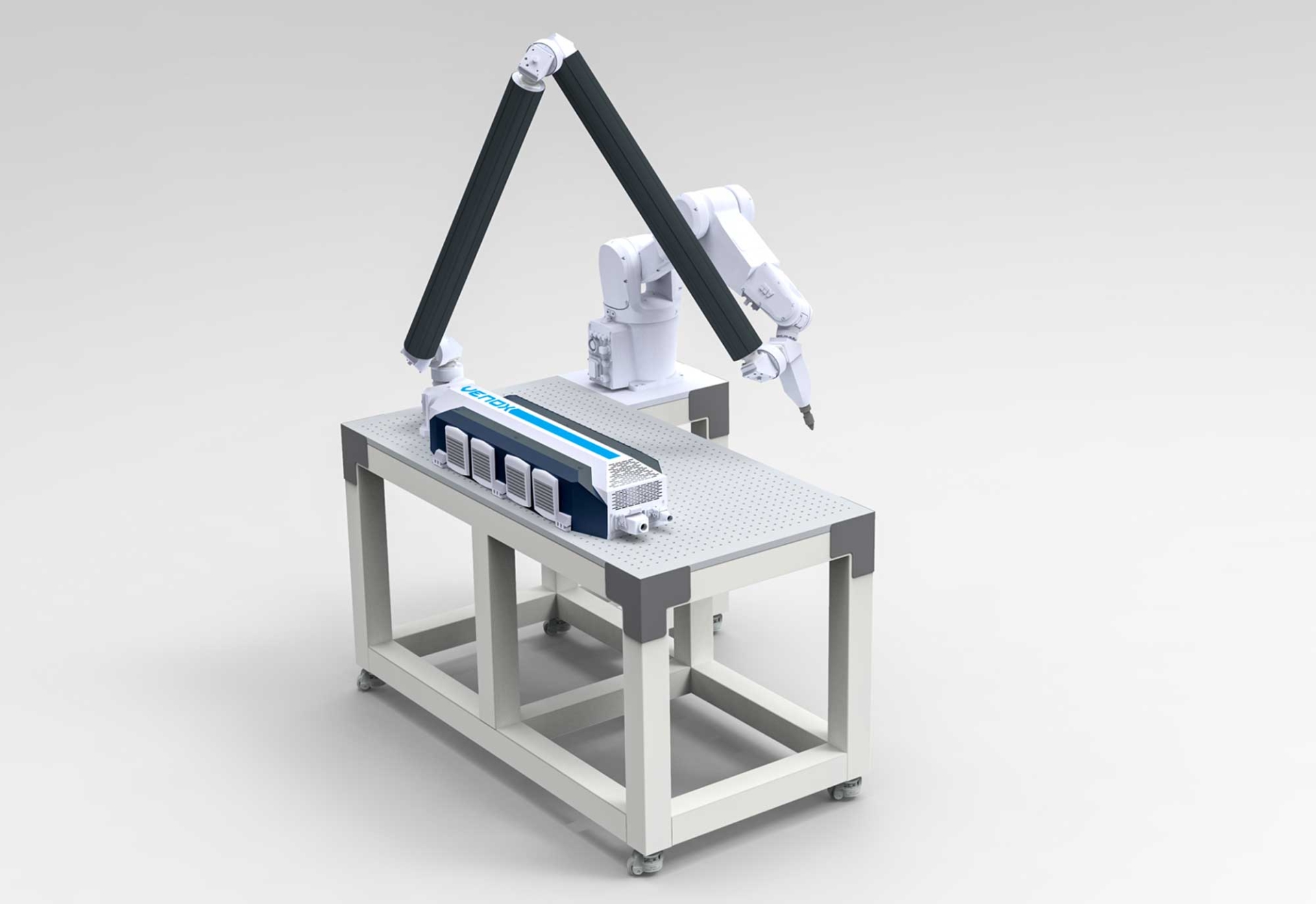
For companies with high production capacities, supporting laser cutting systems with automation can provide significant efficiency advantages. Automatic sheet loading, unloading, storage, and component handling systems can reduce operator intervention.
Even if automation is not required during the initial investment phase, it should be evaluated whether the system can be expanded with such equipment in the future.
Particularly in shift-based or high-volume manufacturing, automation can improve machine utilization and support investment efficiency by increasing the available operating time.
Examine Software and Nesting Capabilities
The efficiency of a laser cutting system is not determined solely by its mechanical and optical characteristics. Cutting programs and nesting software also significantly affect manufacturing costs.
Nesting software helps arrange different components on a sheet as efficiently as possible. This allows more products to be obtained from the same sheet and reduces material waste.
When evaluating software, features such as CAD file import, automatic nesting, common-line cutting options, cutting sequence optimization, and production reporting can be examined.
Calculate Energy, Gas, and Total Operating Costs
When purchasing a laser cutting system, the initial machine investment should not be the only consideration. Energy consumption, assist gases, maintenance, consumable parts, filters, nozzles, and technical service expenses contribute to the total operating cost.
Depending on the material and cutting method used in production, oxygen, nitrogen, or other assist gases may be required. Gas consumption can have a significant impact on total costs in high-volume manufacturing.
Therefore, when comparing different systems, production cost per component and total cost of ownership should be calculated together.
Technical Service and After-Sales Support Are Critical
An industrial laser cutting system may be a central piece of equipment in a manufacturing operation. An unexpected machine shutdown can affect the entire production schedule. Therefore, technical service capabilities and spare parts availability are important criteria in system selection.
Installation, operator training, periodic maintenance, remote support, and breakdown response procedures should be evaluated before purchase.
Regardless of how advanced a system is, long-term manufacturing performance cannot be sustained without proper maintenance and technical support.
Determine the Right Laser Cutting System with Venox
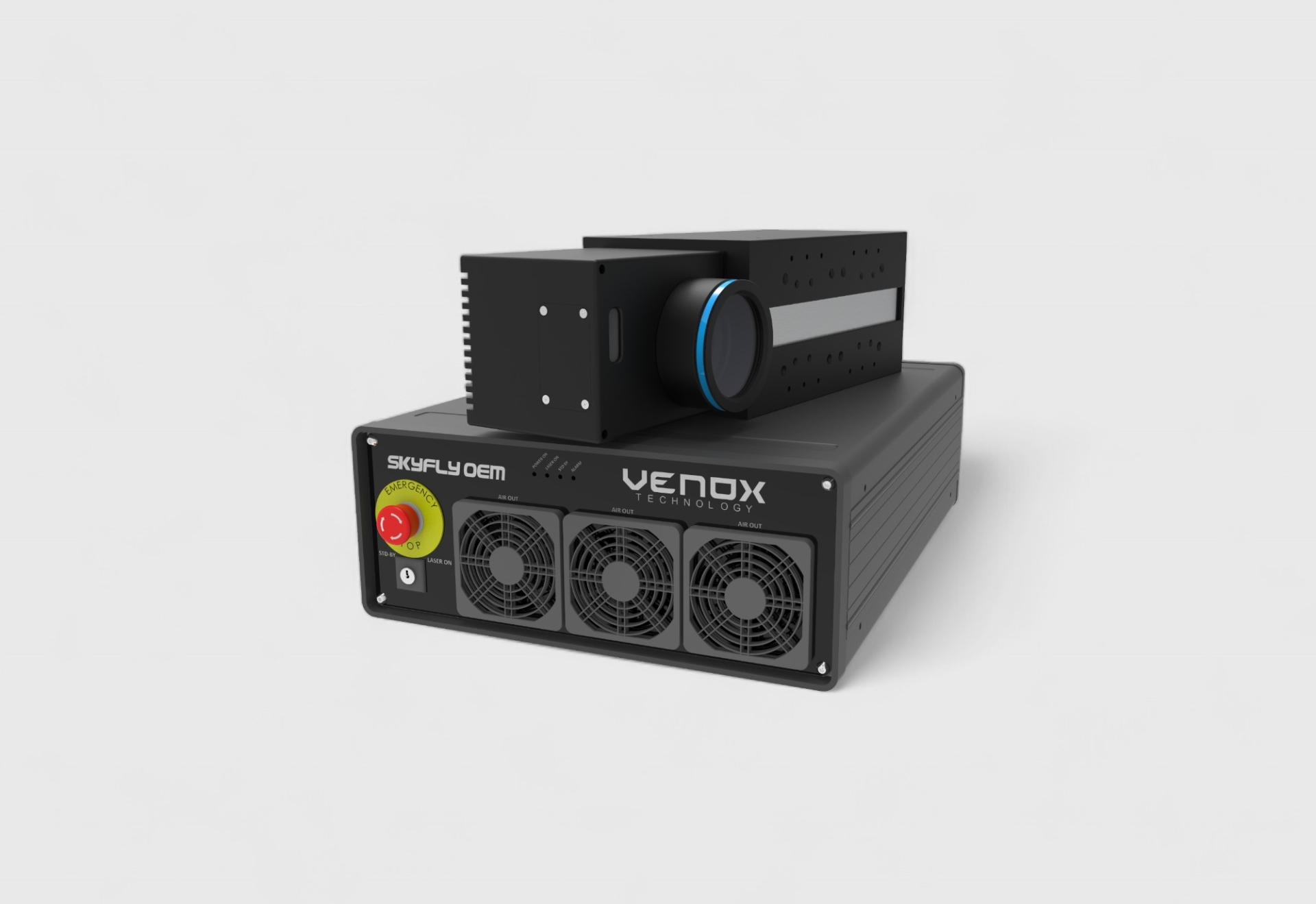
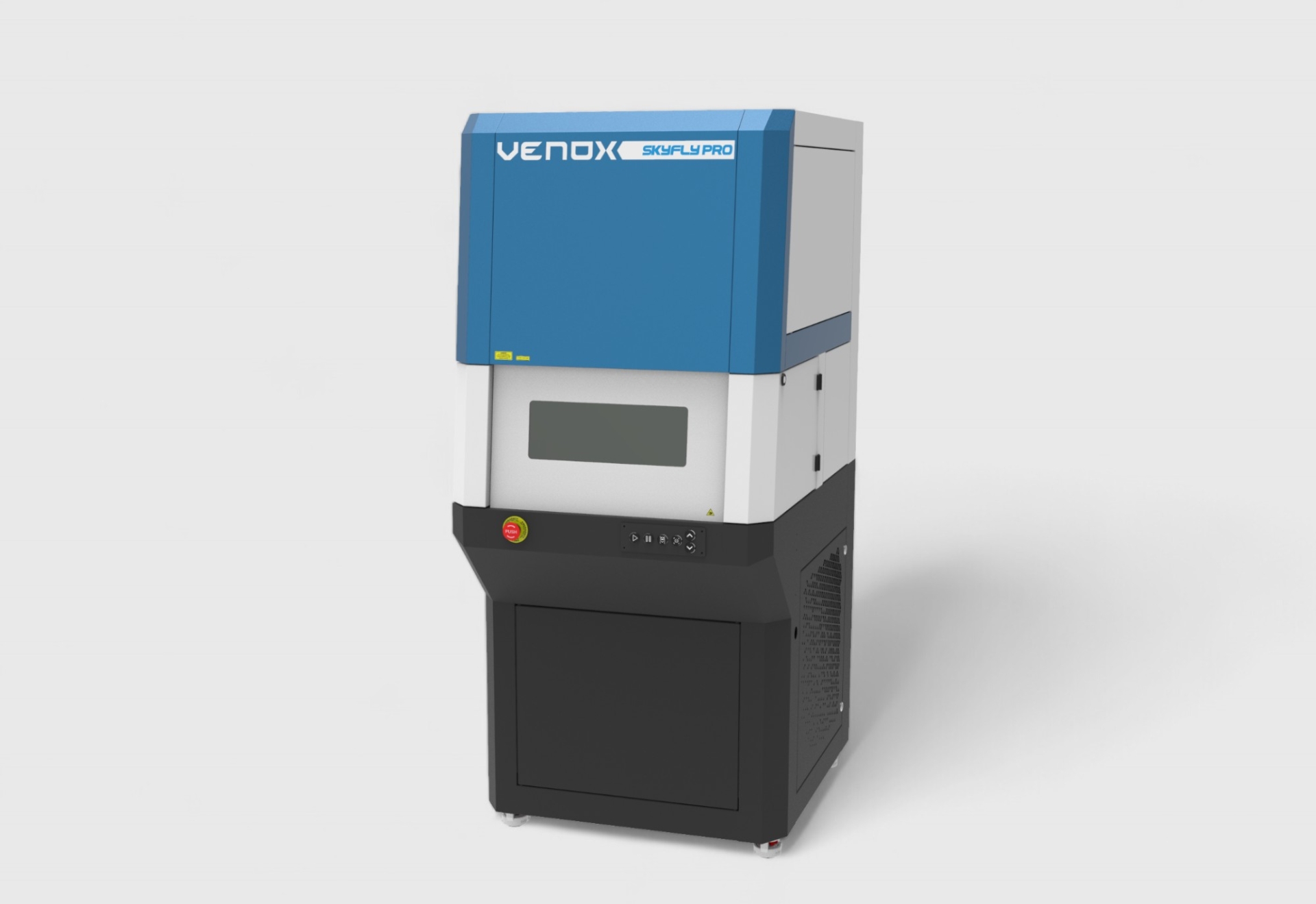
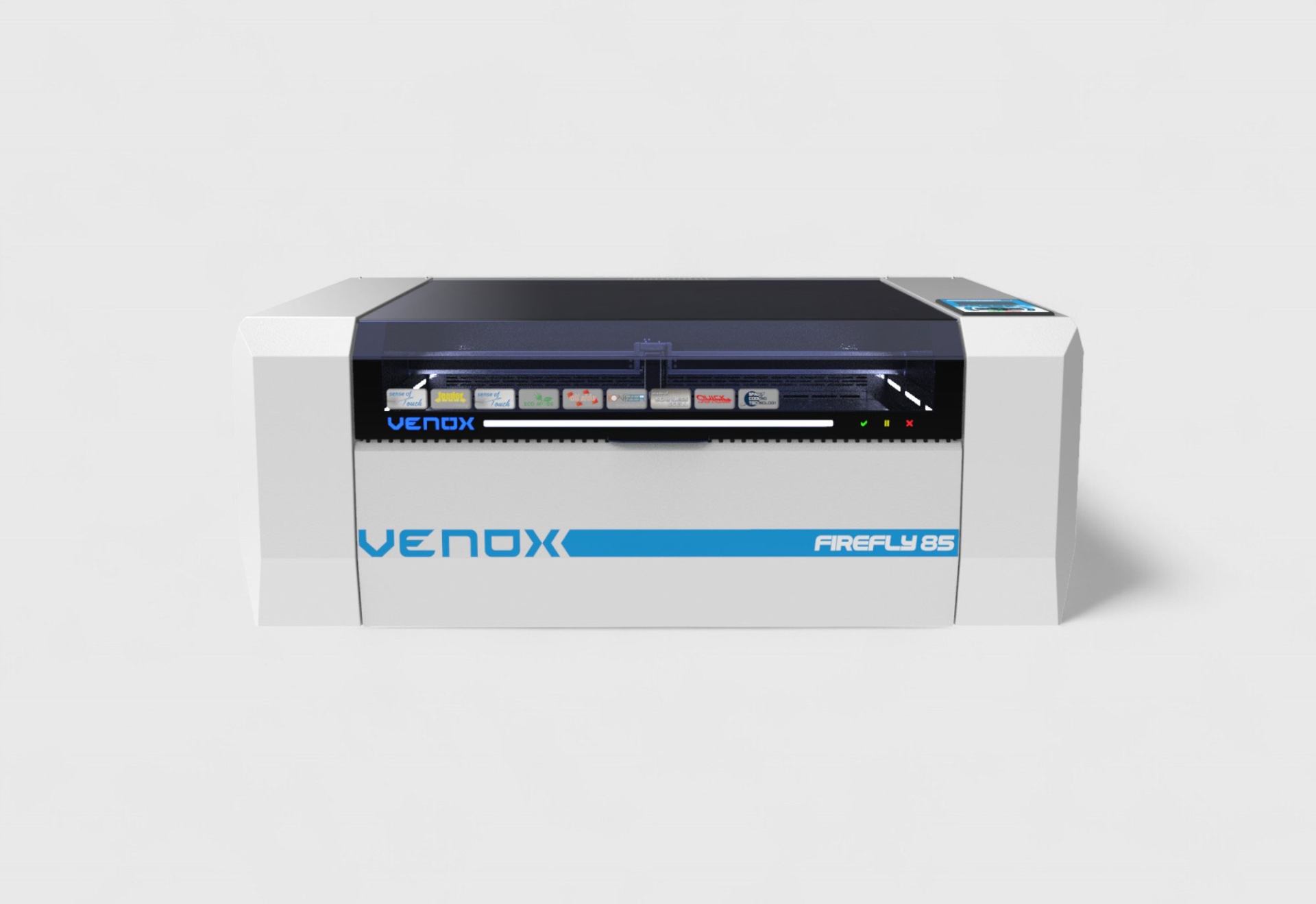
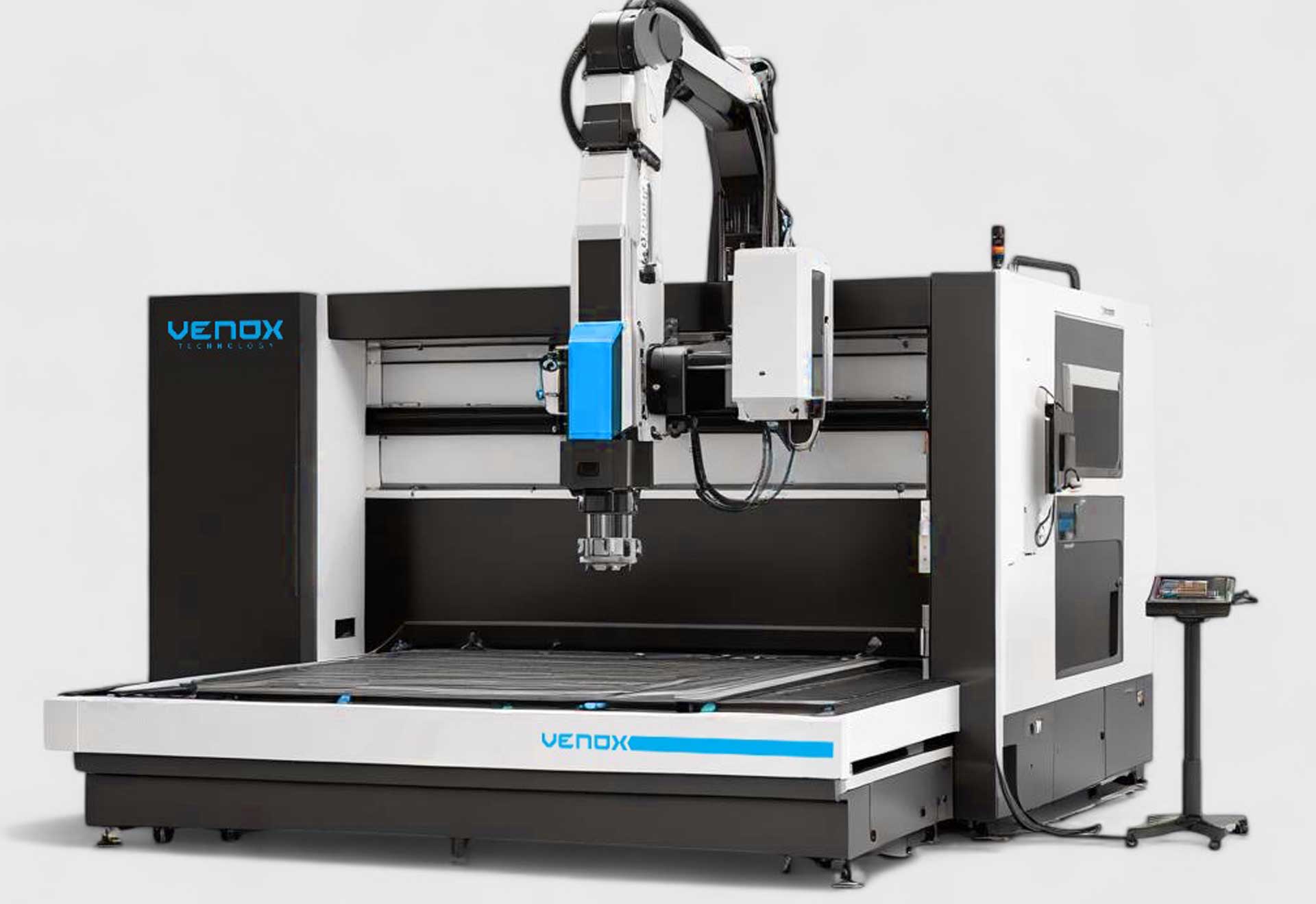
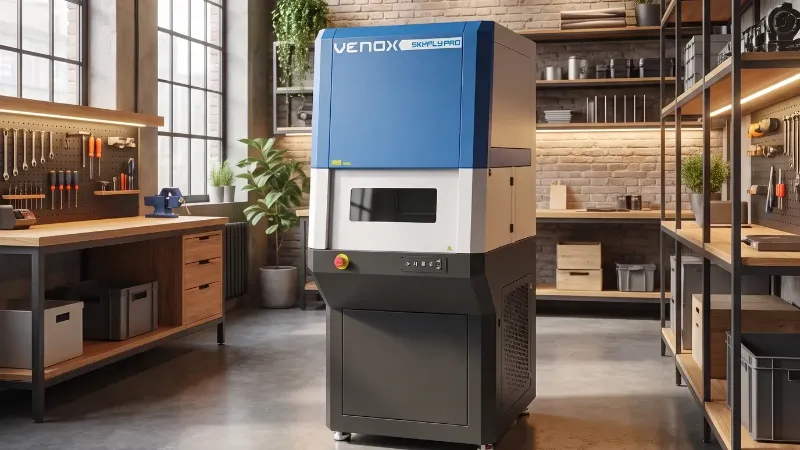
Venox offers Laser Cutting Systems designed for different manufacturing requirements. Suitable system options can be identified by jointly evaluating the material to be cut, maximum thickness, working area, production capacity, and automation expectations.
If you are planning a new laser cutting investment for your current production, aiming to increase capacity, or considering manufacturing with different materials, you can evaluate your technical requirements with the Venox team. For system selection and quotation requests, you can contact us through the Contact Us page.
A properly selected industrial laser cutting system not only meets current production requirements but can also adapt to a company's future capacity, product diversity, and automation goals. Therefore, investment decisions should be made by considering technical requirements, manufacturing costs, and long-term operational plans together.
Frequently Asked Questions
What is the most important criterion when selecting an industrial laser cutting system?
No single criterion is sufficient. Material type, thickness, working area, production capacity, precision, automation requirements, and total operating costs should all be evaluated together.
Is higher laser power always better in a laser cutting system?
No. Laser power should be selected according to actual production requirements. Excessive power may increase investment costs, while insufficient power can limit production capacity.
How should the working area be determined?
The working area should be selected by considering standard sheet dimensions, maximum component size, and products planned for future manufacturing.
Is an automatic loading system necessary?
It is not mandatory for every business. However, in high-volume or shift-based manufacturing, automatic loading and unloading systems can improve machine utilization and production efficiency.
Does Venox provide support in selecting a laser cutting system?
To explore Venox laser cutting solutions, visit the Laser Cutting Systems page or contact the Venox team through the contact page for a system evaluation tailored to your production requirements.
